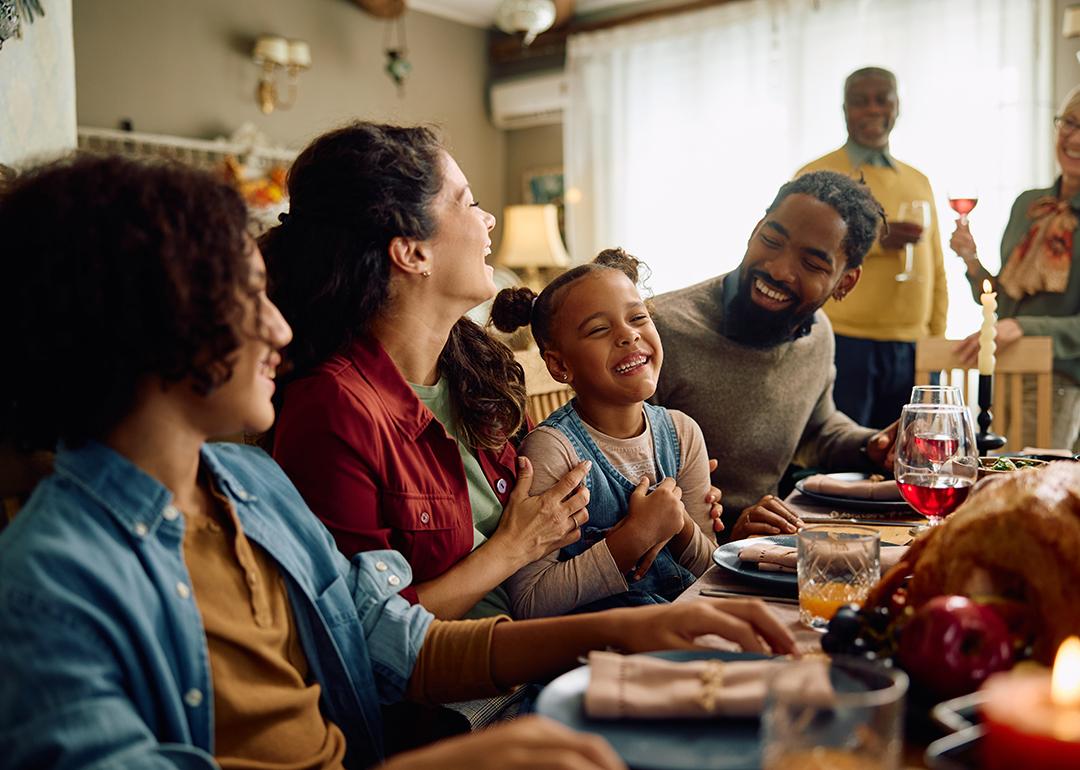
Supporting loved ones in eating disorder recovery at Thanksgiving
Supporting loved ones in eating disorder recovery at Thanksgiving
Thanksgiving bills itself as the most grateful day of the year. It’s intended to be a communal pause where we gather around food and family, to celebrate abundance and connection. But for millions of Americans, that abundance can feel more like exposure. The menu planning, the food-centric small talk, the expectation to eat heartily can all become a recipe for shame and anxiety.
For people in eating disorder (ED) recovery, the holidays are not merely “stressful.” They can be triggering, even dangerous. Eating disorders thrive in secrecy, structure, and control; Thanksgiving thrives in public, unpredictability, and excess. And this isn’t rare. Nearly will experience an eating disorder in their lifetime, according to the National Eating Disorders Association.
Anorexia, specifically, has the highest case mortality rate and the of any mental illness, per Deloitte Access Economics. These conditions don’t vanish when Thanksgiving arrives; in many cases, they intensify. The University of Utah Health system notes that for those in eating disorder recovery due to the sheer visibility of food, and the loss of daily routine that anchors recovery.
, herapist-enablement technology platform, chatted with mental health clinician Vivian Chung Easton to provide ways that families can offer real support for loved ones in eating disorder recovery this Thanksgiving.
Why Thanksgiving Can Be Difficult for Those in Recovery
For someone in recovery from an eating disorder, the Thanksgiving table can feel like an obstacle course. The day typically begins with a narrative of indulgence: “Go ahead, it’s Thanksgiving!” By the time dessert is served, the jokes about “running this off later” or “being bad for having seconds” arrive like clockwork.
To someone not living with an eating disorder, these are throwaway comments. To someone battling or in recovery for one, they can sound like confirmation that food is inherently good or bad.
How Loved Ones Can Recognize Signs of Distress
One of the most persistent myths about people with a disordered relationship with food is that they “look” a certain way. In reality, most people living with an active eating disorder or in recovery do not appear underweight, and many function so well that their suffering remains invisible.
Despite appearances, they still may feel distressed around such a food-focused holiday. According to the National Eating Disorders Association, early warning signs that something might be amiss with a loved one in recovery include subtle shifts in behavior: like feigning illness to remove themselves from meals or gatherings, disappearing to the bathroom after eating, using a napkin after taking every bite, setting rigid food “rules,” and constantly talking about calories or “earning” their food.
There are emotional cues to look for as well, like irritability, guilt, or withdrawing from conversation during meals. They may seem tired or unwell, for instance dizziness or stomach pain that coincides with eating times. None of this necessarily means a relapse, but all of it means something: anxiety, discomfort, and self-judgment.
If you notice some of these signs, the key is not to police, but to pay attention. Watch for what isn’t being said. The goal is to notice, not to expose.
How to Create a More Supportive Environment
At every Thanksgiving table, there’s inevitably at least one conversational minefield, whether it’s politics, parenting, or pie. For someone in eating disorder recovery, food talk itself can be dangerous terrain. Even casual remarks like can hit hard:
- “You look healthy!” (which can read as “you’ve gained weight”).
- “I’ve been bad today.” (which equates worth with eating).
- “They’re so disciplined.” (which celebrates restriction).
- “You’re not eating that? It’s so good!” (which makes tasting food a test).
But that doesn’t mean folks have to walk on eggshells when talking about food. Avoid commentary about bodies, diets, or portion sizes altogether. Instead, ground conversation in connection: “It’s so nice to have everyone here,” “I love that you made this dish,” or “What’s something you’re grateful for this year?” These shifts seem small, but they reframe the holiday away from measurement, calories, and control — and back toward gratitude and togetherness.
If you’re worried about someone, take it private. A quiet, “Hey, you seem a bit on edge today, is there anything that would make this easier for you?” is better than a tableside intervention. If someone is pressing the topic of food with your loved one in recovery, help redirect the conversation to something else, or perhaps ask your loved one to go help with something so they can seamlessly exit the conversation. Consider designating a calm space, like a quiet room or patio, wherein someone can decompress if things get overwhelming. It’s all about creating an environment where everyone, including those in recovery, can feel safe.
What To Avoid Doing
In certain cultures, food is a way of showing love for each other — so even with the best of intentions, some things that might feel supportive are actually harmful for someone in recovery. For example, looking at someone’s plate, watching them eat intentionally, making comments about their portions, or forcing them to eat something they decline can backfire.
Instead, eat without commentary, keep the focus of the holiday on gratitude, and avoid language that makes food a test. Even if you’re concerned about a loved one, a gentle follow-up works better than confrontation:
- “How did dinner feel for you?” instead of “I saw you didn’t eat much.”
- “Do you want to take a walk or some quiet time?” instead of “You should talk to someone.”
If you suspect a relapse, for instance, if your loved one is skipping meals, becoming withdrawn, or showing physical distress — it might be an opportunity to encourage professional help. Mention it the way you’d mention a doctor for any health concern: calmly and with care. The National Eating Disorders Helpline (1-800-931-2237) offers text and chat support for anyone in crisis, including family members seeking guidance.
Focusing on Gratitude and Connection
Thanksgiving is supposed to be about gratitude, but gratitude doesn’t require overeating, or forced joy, or sitting in discomfort to keep the peace.
For someone in recovery, gratitude may look quieter: the relief of being seen without being scrutinized, the kindness of a family member who shifts the subject at the dinner table, the simple act of surviving a holiday that used to feel unbearable.
The point of the celebration isn’t abundance; it’s to practice care. That care, when extended thoughtfully, becomes the real feast: the one that nourishes without harm, the one everyone deserves to leave full from.
If you or someone you love is struggling with an eating disorder, support is available. Contact the National Eating Disorders Helpline by calling 1-800-931-2237 or visiting .
was produced by and reviewed and distributed by Â鶹ԭ´´.