was produced by and reviewed and distributed by 麻豆原创 Media.
Is testosterone addictive?
You've likely heard of stories about 'roided up bodybuilders developing steroid-related health consequences like heart failure and mood issues. So, men with low T who are considering testosterone replacement therapy (TRT) may wonder: Is testosterone addictive? helps answer this question.
Is Testosterone Addictive?
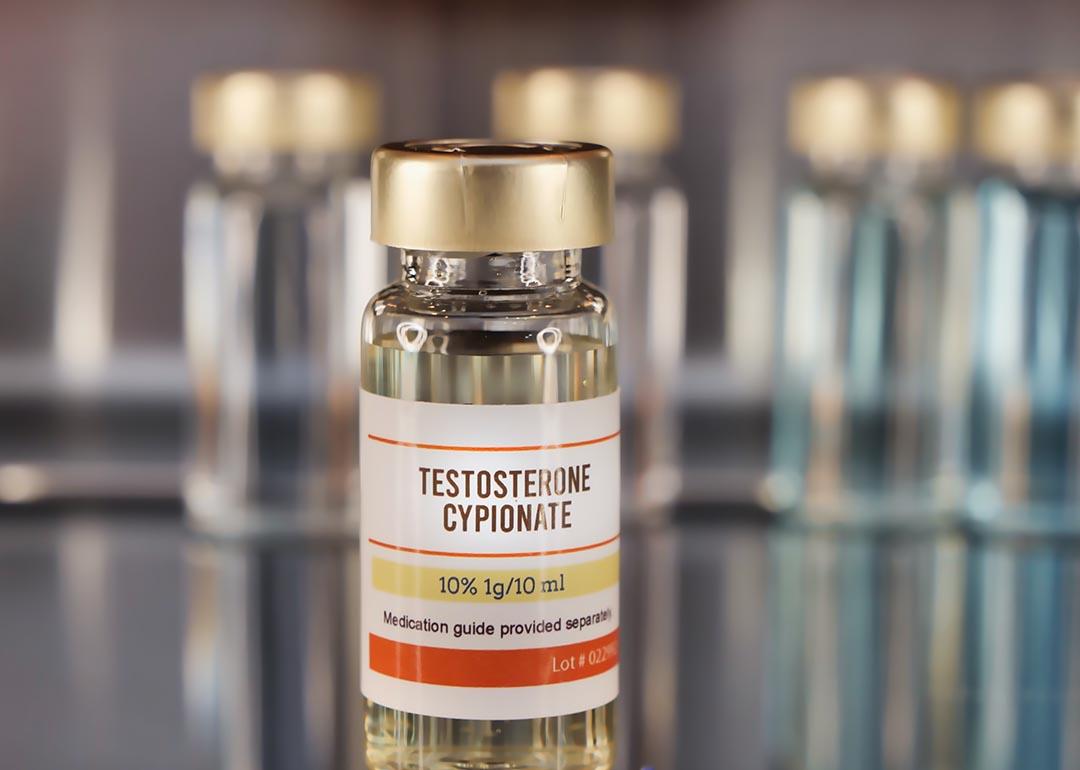
There's a huge difference between anabolic steroids鈥攚hich are common in the bodybuilding community鈥攁nd TRT prescribed by a doctor to treat clinically .
鈥攍ike testosterone or trenbolone鈥攚hich are used for extreme muscle building. TRT is exogenous testosterone (testosterone administered to top up what your body is producing) that is prescribed and monitored by a physician to men to treat , like fatigue, low libido, muscle loss, and depression.
Testosterone addiction most commonly involves . . According to the Addiction Center, anabolic steroids are very addictive because a high dose can provide quicker and more dramatic aesthetic results. And quitting steroids is harder than stopping TRT鈥攇oing cold turkey after taking huge doses of testosterone can.
As long as you take your TRT as directed by a medical professional, the likelihood of becoming addicted is low. However, in rare cases, testosterone (TRT) can also be abused if used improperly or excessively鈥攆or example, injecting yourself more frequently than prescribed or doubling your dose.
Inappropriate use of testosterone may lead to (such as ). These outcomes can lull users into addictive substance abuse and physically harmful consequences.
Is it hard to stop testosterone?
If you've been prescribed TRT to treat debilitating symptoms of low testosterone such as depression, fatigue, muscle loss, and brain fog, you may be reluctant to . But men do it all the time with ease.
While your symptoms will likely return if you decide to quit, your doctor can help you come up with a plan to wean you off slowly. Don't quit cold turkey without consulting your healthcare provider first.
Your doctor may even prescribe you an alternative treatment like , which stimulates your body's own production of testosterone. Men frequently switch from TRT to enclomiphene as they are trying to conceive, as .
Risks of Testosterone Misuse
Anabolic steroid addiction often leads to the following debilitating consequences:
- Cardiovascular: Enlarged heart, elevated cholesterol and lipids, heart muscle damage, blood clotting, and elevated homocysteine (an amino acid that can damage arteries in high levels)
- Vascular (blood vessels): Endothelial (cells that line your blood vessels) damage, fluid retention, and swelling
- Kidneys: Renal strain
- Liver: Liver damage
- Physical: Acne, hair loss, tendon injury, gynecomastia (), increased appetite, and weight gain
- Psychological: Aggression, violence, depression, suicide, insomnia, and mood swings
- Reproductive: Infertility, sexual dysfunction, testicular atrophy, and prostate enlargement
- Brain: Poor recognition of social cues and emotions and headaches
How to Prevent Testosterone Addiction
When you're prescribed TRT to deal with symptoms of low T, your doctor will closely monitor your testosterone levels to make sure they stay within a normal range. If you begin to develop any of the above symptoms your physician will change your dose accordingly.
If you believe you are experiencing an addiction to anabolic steroids or are misusing TRT, reach out to a healthcare provider who can explain treatment options. For immediate support, you can contact the Substance Abuse and Mental Health Services Administration (SAMHSA) hotline 24/7 at 1-800-662-4357.