8 essential winter maintenance tasks home insurers expect you to do
8 essential winter maintenance tasks home insurers expect you to do
Alright, homeowners, let’s have a little chat about winter. It’s that magical time of year when cozy blankets, hot cocoa, and festive lights become essential. But let’s be real: For your home, winter isn’t always a wonderland. It’s more like a series of potential challenges, from bursting pipes to icy pathways. And while you’re snuggled up inside, your insurance company is quietly hoping you’re doing your part to keep those winter woes (and costly claims) at bay.
You see, won’t magically fix everything that goes wrong. It’s a partnership, and both sides have responsibilities. The homeowners’ part is diligent home maintenance, especially when the temperatures drop and the snow flies. Neglecting these seemingly small tasks can turn a minor winter annoyance into a major insurance headache, potentially costing you thousands or even leading to a denied claim.
So, before Old Man Winter truly settles in, shares the knowledge you need to safeguard your home, keep your family safe, and keep your insurer happy. Think of this as your essential winter homeowner’s playbook, because preventing a claim is always better than filing one.
1. Protect Your Foundation: Clear Gutters and Extend Downspouts
Ah, gutters. Often out of sight, out of mind, until they decide to stage a dramatic overflow during a heavy rain or snowmelt. And in winter, a clogged gutter isn’t just annoying; it’s an express ticket to serious structural damage.
The Winter Threat
Clogged gutters cause water to back up, freeze, and form ice dams on your roof, pushing water under shingles and into your attic or walls. They also send torrents of water cascading directly down your home’s foundation, where it can freeze, expand, and cause cracks, or seep into your basement, leading to costly water damage and mold.
Why Insurers Care
Water damage from burst pipes or foundation issues is one of the most common and expensive homeowner claims. Insurers expect you to take reasonable steps to prevent this. A neglected gutter system is often seen as a failure of basic preventative maintenance.
Your Action Plan
- Clear them out: Before the first deep freeze, thoroughly clean all gutters and downspouts. Remove leaves, twigs, and any other debris.
- Extend your downspouts: Ensure downspouts direct water at least 5-10 feet away from your foundation. Consider adding extenders if they don’t reach far enough.
- Inspect for damage: Check for loose hangers, leaks, or sagging sections that need repair.
2. Guard Against the Flood: Insulate Pipes in Unheated Areas
This is perhaps the quintessential winter homeowner’s nightmare: A frozen pipe that inevitably bursts, unleashing an indoor waterfall and thousands of dollars in damage. The good news? It’s largely preventable.
The Winter Threat
Exposed pipes, especially those in unheated areas like basements, crawl spaces, garages, or outside walls, are highly susceptible to freezing when temperatures plummet. When water freezes, it expands with incredible force, enough to burst even copper pipes, leading to catastrophic water damage once it thaws.
Why Insurers Care
Burst pipe claims are incredibly common and extremely costly, often involving not just pipe repair but also extensive drywall replacement, flooring repair, and mold remediation. Insurers want to see you’ve taken reasonable precautions.
Your Action Plan
- Insulate, insulate, insulate: Wrap exposed pipes (hot and cold) in unheated areas with foam pipe insulation (it’s inexpensive and easy to install).
- Seal air leaks: Caulk and weatherstrip around utility penetrations (where pipes enter the house) to prevent cold air from reaching them.
- Disconnect outdoor hoses: Remove all hoses from outdoor spigots, and if your spigots aren’t “frost-free,” turn off the water supply to them from inside your house and drain the lines.
- Keep warm: During extreme cold, leave cabinet doors open in kitchens and bathrooms to allow warmer air to circulate around pipes, and consider a slow drip from faucets, especially overnight.
3. Prevent Fire and Fumes: Annual Chimney and Flue Cleaning
There’s nothing cozier than a crackling fire, but a neglected chimney can quickly turn that comfort into a serious hazard.
The Winter Threat
Over time, creosote (a highly flammable residue) builds up inside your chimney flue from burning wood. A spark can , leading to a dangerous chimney fire. Additionally, blockages from debris or animal nests can prevent smoke and deadly carbon monoxide from escaping, pushing them back into your home.
Why Insurers Care
Fire is one of the most destructive and expensive types of home insurance claims. Carbon monoxide poisoning, while not a property claim, can be catastrophic to health and safety, and insurers want to know you’re taking steps to maintain a safe home environment.
Your Action Plan
- Annual professional inspection: Have your chimney professionally inspected and cleaned by a certified sweep before you start using it for the season.
- Burn seasoned wood: Use dry, well-seasoned wood (it burns hotter and produces less creosote) and avoid burning trash or cardboard.
- Install CO detectors: Ensure you have working carbon monoxide detectors on every level of your home, especially near sleeping areas.
4. Slick Sidewalk, Big Lawsuit: Prevent Slip-and-Fall Liability Claims This Winter
This is a big one, folks, and it extends beyond your own safety to the safety (and potential legal claims) of anyone who steps onto your property. Icy patches are a leading cause of winter injuries, and as a homeowner, you have a responsibility to keep your premises safe.
The Winter Threat
Untreated ice and snow on your walkways, driveways, and steps create a significant slip-and-fall hazard. A delivery person, a visiting friend, or even an uninvited solicitor who slips and gets injured on your property could file a liability claim against your homeowners insurance. These claims can be incredibly costly, covering medical expenses, lost wages, and pain and suffering.
Why Insurers Care
Personal liability claims are a major concern for insurers. They want evidence that you’ve exercised “reasonable care” to prevent injury on your property. Failing to clear snow and ice is often seen as negligence.
Your Action Plan
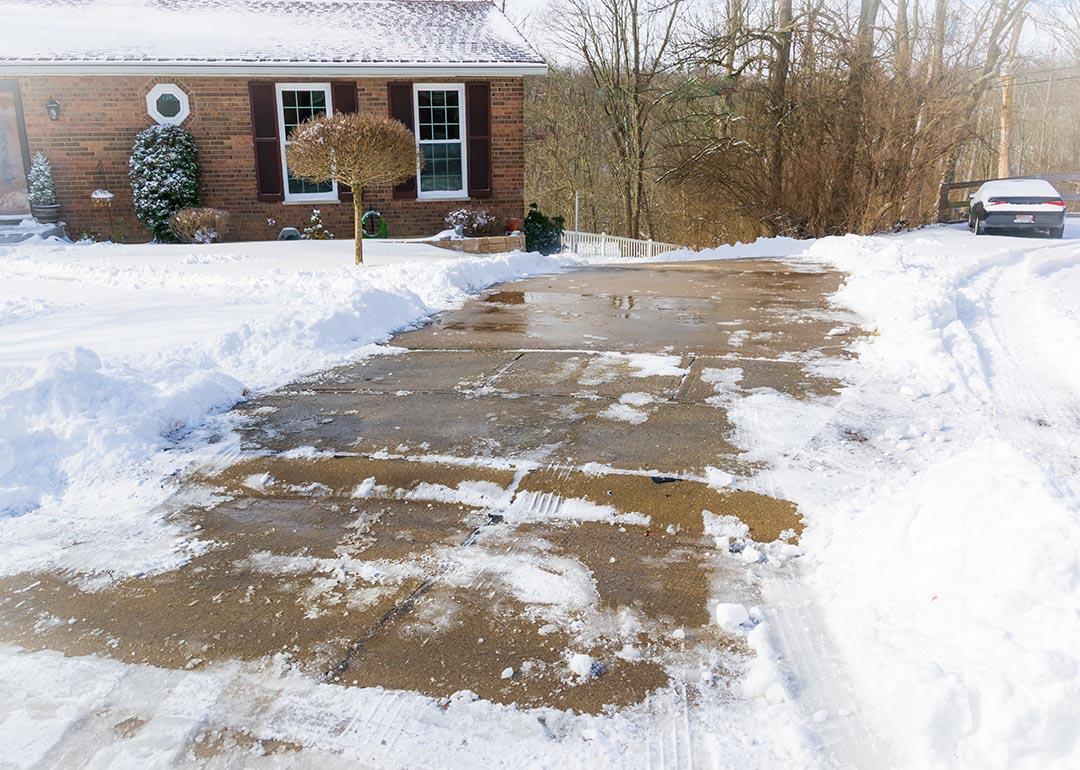
- Shovel promptly: Clear snow from all walkways, driveways, and steps as soon as possible after a snowfall.
- De-ice aggressively: Apply salt, sand, or an environmentally friendly de-icing product immediately after clearing snow, especially on any remaining icy patches. Pay particular attention to shady areas where ice persists.
- Light it up: Ensure exterior lights are working and illuminate pathways adequately for nighttime visitors.
- Repair hazards: Fix any loose steps, broken handrails, or cracked pavement that could exacerbate a fall, even without ice.
- Consider a service: If you’re physically unable to keep up, arrange for a snow removal service.
5. Shield Your Home: Inspect and Repair Roof Shingles and Flashing
Your roof is your home’s primary shield against winter’s assault. A compromised roof is an open invitation for leaks and significant damage.
The Winter Threat
Loose, cracked, or missing shingles, deteriorated flashing around chimneys or vents, and accumulated debris (leaves, branches) can all compromise your roof’s integrity. When heavy snow and ice accumulate, these weak spots become entry points for water, leading to attic leaks, ceiling damage, and potential mold growth.
Why Insurers Care
Roof damage and subsequent water damage claims are very common. Insurers expect homeowners to perform pre-winter inspections and address obvious vulnerabilities.
Your Action Plan
- Visual inspection: From the ground with binoculars (or safely from a ladder if comfortable), look for missing or damaged shingles, curling edges, loose flashing, or excessive moss/algae growth.
- Clear debris: Remove any branches or heavy accumulations of leaves from the roof surface, especially in valleys where water can pool.
- Trim overhanging branches: Cut back any tree branches that are dead or dangerously close to your roof, as heavy snow or ice can cause them to break and fall.
6. Service Your System: Clean Vents and Change Furnace Filters
It’s easy to overlook your home’s hardworking appliances, but in winter, they’re often running overtime and can become hazards if not maintained.
The Winter Threat
- Dryer vents: A is a major fire hazard. In winter, blocked vents work harder, increasing lint buildup and heat.
- Furnaces: A dirty furnace filter restricts airflow, making your furnace less efficient and potentially leading to overheating or even fire. Poorly maintained furnaces can also pose carbon monoxide risks.
- Water heaters: Older water heaters are prone to leaks, and winter can exacerbate existing issues.
Why Insurers Care
Fires from appliances are preventable. Water damage from a leaking water heater is costly. Insurers look for evidence of routine maintenance.
Your Action Plan
- Clean dryer vents: Annually, thoroughly clean your dryer vent ductwork from the dryer to the exterior exit point. Don’t just clean the lint trap.
- Change furnace filters: Replace dirty furnace filters monthly during peak heating season.
- Annual furnace tune-up: Have your furnace professionally inspected and serviced annually to ensure it’s running safely and efficiently.
- Water heater check: Inspect your water heater for any signs of leaks or corrosion. If it’s over 10-12 years old, consider replacement before it becomes a winter casualty.
7. Core Safety Check: Test and Update Smoke and CO Detectors
These small devices are your first line of defense against two of winter’s silent threats: fire and carbon monoxide.
The Winter Threat
With increased use of heating systems, fireplaces, and potentially holiday decorations, fire risks can rise. Faulty furnaces or blocked chimneys can emit deadly, odorless carbon monoxide.
Why Insurers Care
While these don’t prevent property damage, they prevent severe injury or loss of life. Insurers expect you to maintain a basic level of safety within your home.
Your Action Plan
- Test monthly: Press the “test” button on all smoke and carbon monoxide detectors once a month.
- Replace batteries: Change batteries twice a year (a good rule of thumb is when you change your clocks for daylight saving).
- Know their age: Smoke detectors typically last 10 years, and CO detectors last five to seven years. Check the manufacture date and replace them if they’re older.
8. Be Vigilant: Monitor Roof for Ice Dams and Heavy Snow Load
Even with preventative measures, winter can deliver unexpected challenges. Being vigilant can save your home from significant damage.
The Winter Threat
- Ice dams: These ridges of ice form at the edge of your roof, preventing melting snow from draining. Water backs up under shingles, leading to leaks.
- Heavy snow load: Extremely heavy, wet snow can put immense stress on your roof, potentially leading to collapse, especially on older or flatter roofs.
Why Insurers Care
These are common winter claims, and a homeowner who takes prompt, safe action is looked upon favorably. Ignoring a known, active ice dam or extreme snow load is negligent.
Your Action Plan
- Monitor your roof: After heavy snowfalls, visually inspect your roof for ice dams.
- Safe removal: If ice dams form, use a roof rake (from the ground) to carefully remove snow from the lower edge of your roof. Do not try to chip away at ice dams with a hammer or axe, as this can severely damage your roof. Consider professional help for persistent dams.
- Assess snow load: If you experience unusually heavy, wet snow (especially multiple feet), and you have an older roof or a flat roof, consider contacting a professional to safely remove some of the snow to alleviate stress.
The Bottom Line: Be Proactive, Not Reactive
Winter maintenance isn’t just about keeping your home looking nice; it’s about protecting your most valuable asset and ensuring your insurance policy can truly protect you when you need it most. By tackling these eight essential tasks, you’re not just fixing problems; you’re building a stronger, safer home and demonstrating to your insurer that you’re a responsible homeowner.
So, grab your gloves, check your tools, and make this winter a season of peace of mind, free from preventable claims. Your cozy home (and your wallet) will thank you.
was produced by and reviewed and distributed by Â鶹ԭ´´.