Is your roof covered? Understanding snow weight, ice dams, and collapse coverage
When the snow starts to fall, it transforms your neighborhood into a winter wonderland. It鈥檚 picturesque, serene, and utterly charming 鈥� until you realize that tranquil blanket of white is a massive weight pressing down on your most valuable asset: your roof. Ignoring this heavy reality can lead to costly and devastating structural damage.
This isn鈥檛 just about a few leaks; we鈥檙e talking about snow load, ice dams, and the ultimate fear: roof collapse. will help unpack the science, the risks, and the crucial insurance coverage details that every homeowner in a snowy climate needs to know to keep their home safe and their insurance claims intact.
The Hidden Weight: Understanding Snow Load
Have you ever wondered just how much a foot of snow actually weighs? The answer is: It depends. Not all snow is created equal. That fluffy, light powder that鈥檚 great for skiing is vastly different from the heavy, wet snow that brings tree branches down.
The Math Behind the Fluff (or Lack Thereof)
Most residential roofs are designed to withstand a significant amount of weight, typically 20 pounds per square foot (psf), before they become stressed. However, local building codes dictate the required snow load for your specific area, which can be much higher, sometimes 30 to 40 pounds per square foot or more.
The danger lies in how quickly the weight can accumulate.
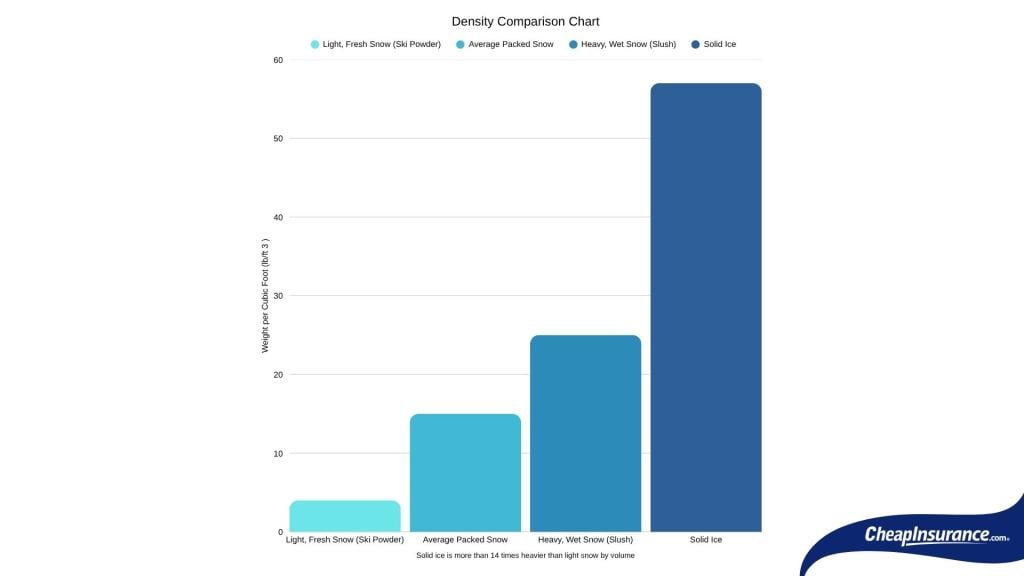
- Light, fresh snow: A foot of fresh, fluffy snow might only weigh around 4 to 6 pounds per square foot. You could have over 3 feet of this type of snow before you hit the 20 psf stress threshold.
- Wet, Packed Snow (The Heavy Hitter!): This is where things get serious. Wet or packed snow can weigh up to 12.5 pounds per square foot for every foot of snow.
- Ice: Just 1 inch of solid ice is the weight equivalent of about 1 foot of fresh snow. Ice can weigh over 57 pounds per cubic foot, making it a massive risk.
Think about it: If your roof is 1,500 square feet, 2 feet of heavy, wet snow can easily put more than 30,000 pounds (15 tons) of weight on your home.
Signs of a Stressed Roof
You don鈥檛 want to be waiting for a catastrophe. Keep an eye out for these red flags, which indicate your roof is under severe stress.
- Sagging: Visible deflection or , especially a flat roof, is a dire sign.
- Interior noises: Listen for loud, sudden creaking, popping, or snapping sounds coming from the attic or upper walls.
- Door/window changes: Doors and windows suddenly becoming difficult to open or close is a symptom of the home鈥檚 frame warping under pressure.
- Ceiling damage: Check for cracks in plaster or drywall, particularly where the wall meets the ceiling.
If you observe any of these, safely clear the snow immediately (using a roof rake from the ground is best) or call a professional roofing contractor for snow removal.
The Silent Killer: Ice Dams
A heavy snow load is a brute force threat, but the ice dam is a silent, insidious killer. It鈥檚 one of the most common and damaging winter issues homeowners face.
How Ice Dams Form
An ice dam forms when there鈥檚 an uneven temperature across your roof. Here鈥檚 the classic sequence of events.
- Heat escape: Warm air from your home leaks into the attic (due to poor insulation or air sealing around lights, vents, and chimneys) and heats the main section of the roof.
- Melting snow: The snow on the warmer part of the roof melts and runs down.
- Refreezing: The water hits the cold eaves, the overhang that extends past the exterior wall, which is unheated, and refreezes, forming a ridge of ice.
- The dam: This ridge grows, creating a 鈥渄am.鈥� Meltwater then gets trapped behind the ice dam, backs up under your shingles, and leaks into the attic, walls, and ceiling.
Prevention is Your Best Defense
The solution to ice dams isn鈥檛 to simply chip away at the ice; it鈥檚 to create a 鈥渃old roof鈥� where the attic temperature is consistent with the outside air.
- Improve insulation: Ensure you have adequate attic insulation (R-38 is often recommended in cold climates) to prevent heat from conducting through the ceiling.
- Seal air leaks: This is critical. Seal any penetration points in your ceiling that allow warm air (and moisture) to rise into the attic, such as around light fixtures, plumbing vents, and the attic hatch.
- Ensure ventilation: Proper soffit and ridge vents create a pathway for cold air to enter the eaves, circulate under the roof deck, and exit at the peak, keeping the entire roof cold and preventing uneven melting.
- Snow removal: After significant snowfall, use a long-handled to clear the first few feet of snow from the eave edges. This removes the 鈥渇uel鈥� for the ice dam.
The Big Question: Does Homeowners Insurance Cover It?
A standard (HO-3) generally covers damage from the weight of snow, ice, or sleet, but there are important nuances that can make or break your claim.
What鈥檚 Typically Covered: A Sigh of Relief
- Roof collapse: If your roof or another structure (like a detached garage) suddenly collapses due to the excessive weight of snow or ice, this is almost always a covered peril under your dwelling coverage.
- Ice dam damage: While the insurance company likely won鈥檛 pay for the actual removal of the ice dam, they will typically cover the ensuing water damage to the home鈥檚 interior, such as damaged ceilings, walls, and personal property. This coverage is for the sudden and accidental damage caused by the water entering the home.
What Could Lead to a Denial: The Hard Truth
Insurance policies are designed to cover sudden, accidental losses, not maintenance issues or gradual deterioration.
- Homeowner negligence: If your roof was already old, poorly maintained, or in a state of disrepair before the snow fell, the insurance company could argue that your negligence was the primary cause of the collapse or leak. Regular roof inspections are essential to counter this.
- Gradual damage (wear and tear): Damage that happens slowly over time, like the rusting of metal or water seepage that isn鈥檛 tied to a sudden failure, is typically not covered.
- Snow/ice removal: Your policy usually won鈥檛 pay for the cost to simply clear snow or ice from your roof as a preventative measure. It鈥檚 considered regular maintenance, which is your responsibility as a homeowner.
- Flooding from melt: Water damage from a massive snowmelt that causes surface water flooding into your basement or foundation is not covered by standard homeowners insurance. This requires a separate flood insurance policy.
Don鈥檛 wait until the water spots appear on your ceiling to understand your coverage. Pull out your homeowners insurance policy right now. Look specifically at the 鈥渃overed perils鈥� section for 鈥渨eight of ice, snow, or sleet鈥� and any exclusions related to water damage and maintenance. When in doubt, call your agent; they are your best resource for decoding the legal jargon and ensuring you have the right protection in place.
Be proactive this winter: Maintain your roof, insulate your attic, and confirm your coverage. A little preparation now can prevent a disaster later. Stay safe and warm.
was produced by and reviewed and distributed by 麻豆原创.