This story originally appeared on 麻豆原创 and was produced and distributed in partnership with 麻豆原创 Studio.
15 natural ways to improve your sleep
The Harvard Gazette has called sleep鈥攁nd for good reason. While have actually gotten better sleep during the pandemic, most people haven鈥檛 exactly been getting regular visits from the sandman during the coronavirus era.
A March 2020 survey from The Better Sleep Council found that were experiencing poor or fair sleep鈥攁n increase of nearly 10 percentage points from those who said the same thing in January. The research also found that negative mentions of sleep online skyrocketed to 73% of all sleep-related social media posts in March 2020 compared to just 45% of sleep-related posts from a year earlier.
Struggling to sleep, while a hugely frustrating experience, is understandable right now. The increased stress about health and the pandemic, as well as the indoor isolation everyone has been subjected to, are a according to Michigan Medicine.
The struggle to get rest is amplified by other , like adjusting to a new schedule, layoffs and other workplace woes, economic concerns, and extra screen time from Zoom calls, according to the National Sleep Foundation.
Put simply: The pandemic is the perfect recipe for endless nights of tossing and turning.
So is everyone doomed to subpar sleep until all of this is finally over? Not necessarily. There are countless natural herbs, supplements, and techniques that may help you drift off without the risk of addiction or side effects sometimes associated with pharmaceutical sleep aids.
consulted public health sources, such as Johns Hopkins Medicine and Healthline, and looked at scientific papers and research on sleep supplements published in various medical journals. Most of these natural sleep aids can be found at the supermarket or health food store, while a few don鈥檛 even require you to make a purchase.
From the fan-shaped leaves of an ancient tree species to environmental changes that can make your bedroom a sleeping sanctuary, here are 15 natural ways to make your dream of a good night鈥檚 rest finally come true.
Supplement with melatonin
Melatonin is a natural hormone that your body produces when it鈥檚 getting close to bedtime. You can take melatonin supplements on a short-term basis if your normal sleep cycle has been disrupted, like if you鈥檝e switched to a late-night shift at work or, according to Alina Petre of Healthline.
Take glycine before bedtime
While scientists don鈥檛 quite understand how glycine helps with sleep, research has found that taking this amino acid before bedtime can improve the, according to a paper published in Nature. The sleep aid comes as either a pill or a powder that you mix in water. Glycine is also naturally, such as bone broth, bananas, kale, poultry, and fish.
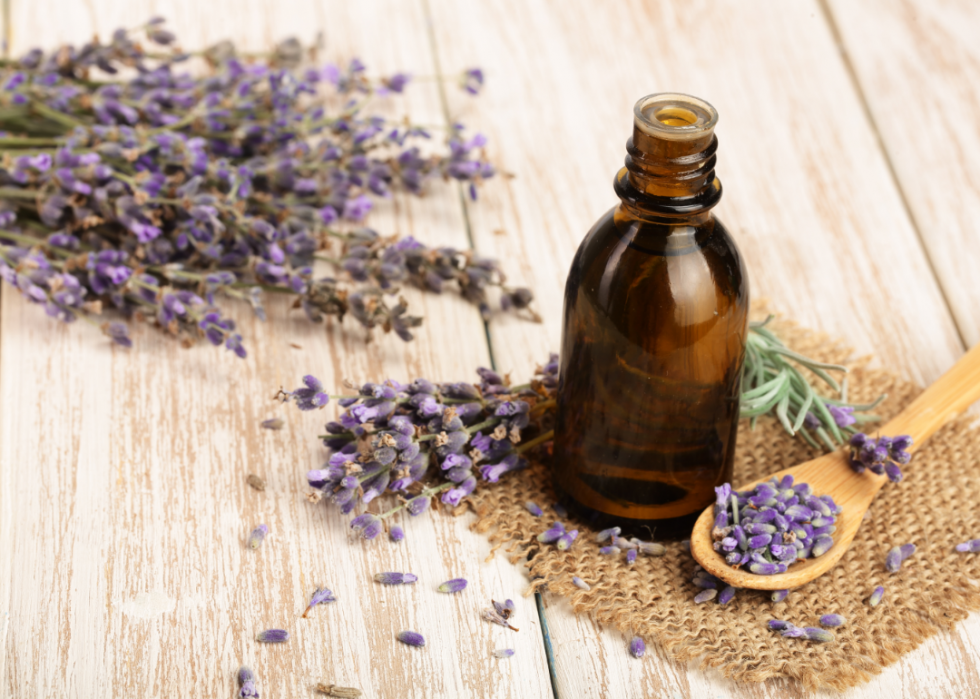
Smell lavender oil before hitting the hay
Found all over the world, lavender is a flowering plant with purple blossoms often used in aromatherapy. Studies show that starting about a half-hour before your ideal bedtime can enhance sleep.
Take magnesium supplements
Magnesium is a critical mineral for the body, used to support a variety of organs and functions鈥攊ncluding sleep. Insufficient magnesium levels are associated with. Magnesium supplements have been shown to help improve the quality and duration of sleep.
Try tryptophan supplements
If you feel sleepy after eating a big turkey dinner, tryptophan might be to blame. The body can convert the essential amino acid that is found in many protein-rich foods into a molecule that鈥檚 used to, which is associated with sleepiness, according to Grant Tinsley of Healthline. While research on tryptophan sleep aid supplements is limited, a 2010 study from Neuroscience & Biobehavioral Reviews found that a dosage as low as 1 gram.
Take valerian root extract
Extract of valerian, a flowering herb found in Europe and Asia, is commonly used as a. While objective studies on valerian are limited so far, early research has shown that taking 300鈥900 milligrams of this supplement before bedtime can improve the of sleep, according to Alina Petre of Healthline.
Sip chamomile tea before bed
Chamomile is loaded with compounds, like , which are associated with calmness and relaxation, according to Xavia Malcolm of Jamaica Hospital Medical Center. The flower has long been used in folk medicine as a cure for insomnia. Research has found that chamomile tea helped in postnatal women. Another report found that nursing home residents who took two 400-milligram capsules of chamomile daily had.
Take ginkgo biloba extract
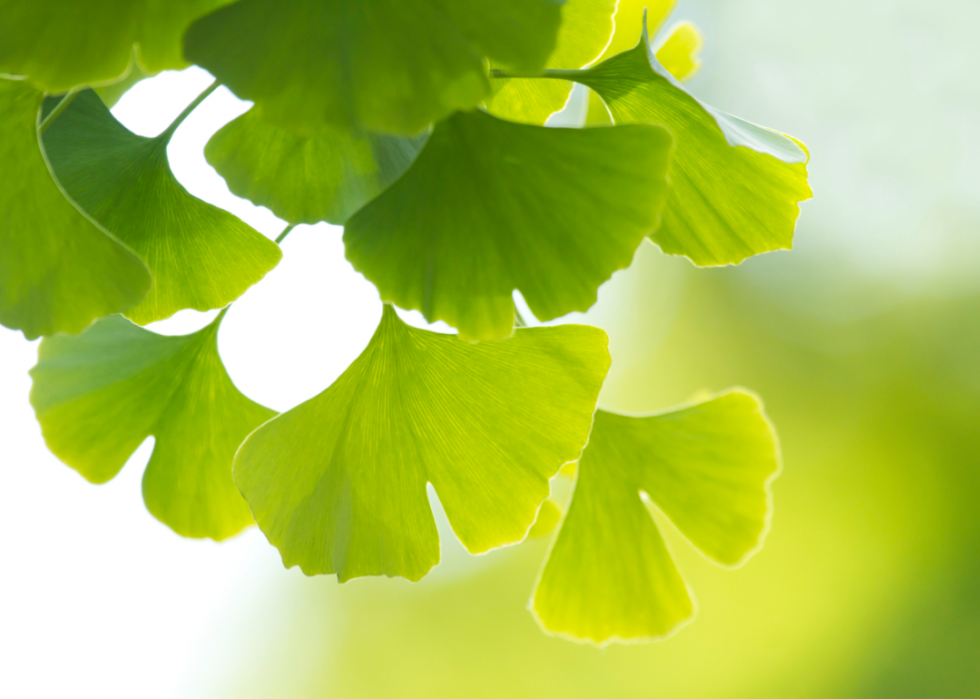
Ginkgo biloba is an ancient tree species known for its fan-shaped leaves. Studies have shown that taking a 250-milligram dose of this herb around an hour before you hit the hay can.
Steep some hops tea before bed
Chamomile isn鈥檛 the only tea that can help you doze off鈥攈ops, a plant used in beer-making, can also be for a relaxing bedtime beverage, according to Xavia Malcolm of Jamaica Hospital Medical Center. Some studies have found that hops, when used in combination with valerian, helps, according to Shanah Salter and Sonya Brownie of Australian Family Physician.
Drink passion flower tea before bed
If you have trouble sleeping, it might be worth trying passion flower tea. Limited, yet promising research has found that drinking passion flower tea around 60 minutes before you want to catch some Zs led to an uptick in the self-rated among participants.
Try tart cherry juice
The secret to better sleep might be lingering down the juice aisle of the supermarket鈥攖art cherry juice. It contains high levels of melatonin. A 2011 study showed that participants who for a week experienced longer sleep duration and had significantly higher levels of melatonin in their urine than people who took a placebo.
Drink warm milk before bed
A glass of warm milk before bed may give your brain the, the sleep-inducing substance found in turkey and other proteins, according to Johns Hopkins Medicine. Take this natural sleep aid one step further by adding turmeric, cinnamon, peeled ginger, and honey to, which may lower anxiety levels and ultimately provide better rest, according to Tiffany La Forge of Healthline.
Do aerobic exercises in the morning or afternoon
can improve the symptoms of insomnia in adults who have proper sleep hygiene, according to a 2010 study in Sleep Medicine. However, time your exercise properly: Aerobic exercise, such as bike rides, runs, and dance, can release endorphins that may keep you awake if you work out too late in the day. Try to in the two hours leading up to bedtime, according to Johns Hopkins Medicine.
Turn down the thermostat in the bedroom
The body naturally to get you in the mood for rest when it鈥檚 time for bed. Setting the bedroom thermostat somewhere between can help enhance the body鈥檚 ability to cool you down, according to the National Sleep Foundation.
Keep the lights off
It might sound obvious, but a dark environment is critical to letting your body know you鈥檙e ready to rest. For better sleep, get dark shades for your windows, turn off all smartphones and light-emitting devices, and avoid if nature calls in the middle of the night, according to Johns Hopkins Medicine.