7 online habits that quietly expose you to identity theft, and how you can fix them today
7 online habits that quietly expose you to identity theft, and how you can fix them today
Identity theft is on the rise in the United States. shows that, since 2023, reports of identity theft have increased from 1 million to 1.2 million annually, and advances in artificial intelligence have made fraud attempts more complex and difficult to discern. This puts consumers at an increased risk of having their personal information stolen.
Certain consumer behaviors make it easier for thieves to gather information, but many forms of are avoidable. Using industry insights and federal statistics, outlines seven habits that could be exposing you to identity theft and what you can do to change them.
Habit #1: Reusing passwords on multiple sites
Everyone knows it鈥檚 not good practice to reuse passwords. This is one of the easiest ways for someone to steal your identity. One data breach on an unimportant account could reveal a password that鈥檚 used for more sensitive accounts, such as your banking institution.
The best practices for choosing a password. It recommends:
- Using passphrases instead of passwords. These are at least 14 characters and have a random string of lowercase and uppercase letters, symbols, and numbers.
- Not using predictable patterns like 鈥�123鈥� or 鈥渓etmein.鈥�
- Not using personally identifiable information, as this can be guessed using details found online.
- Using a password manager with multifactor authentication to help you store multiple passwords.
Habit #2: Ignoring software and app updates
As , nearly all apps and computer programs are connected to the internet. Patching is essential for reducing the risk of data breaches. These updates typically fix a vulnerability that developers have found in the software, so consumers must make the necessary updates to stay protected.
The Cybersecurity and Infrastructure Security Agency for staying on top of updates:
- Keep an eye out for notifications.
- Make updates as soon as possible.
- Enable automatic updates for convenience.
Habit #3: Broadcasting your personal information on social media
Our social lives have changed dramatically with the introduction of the internet, and the line between public and private can feel blurry. One of the most common habits that increases your risk of is sharing too much personal information on social media accounts.
The that oversharing can result in targeted phishing and social engineering attacks. Too much public information can even make it easier for an attacker to guess your password.
Habit #4: Not verifying HTTPS in a website鈥檚 URL
When you enter a password into a website, that information is sent from your computer to the website鈥檚 server over your network. It鈥檚 important that this information is encrypted so that any person watching data flow on the network cannot read your password. is a protocol that websites follow to ensure data is being encrypted.
You should always verify that a website is secure before entering personal information. Look for a URL that starts with HTTPS instead of HTTP and verify that there is a lock symbol in the search bar. , however, even these methods cannot be fully trusted. Always verify that the site you are navigating to is correct and not a fake copy.
Habit #5: Clicking links and attachments from unknown senders
According to , nearly 50% of social engineering attacks take place over email. It can seem harmless to click random links, but they often bring unsuspecting victims to sites that collect personal information.
Luckily, it鈥檚 easy to spot these malicious emails. Look for phrases that convey a sense of urgency, like 鈥淵our account will be suspended in 24 hours,鈥� or 鈥渋mmediate action required,鈥� . When in doubt, do not click any links from senders you do not know.
Habit #6: Brushing off data breach notifications
found the average cost of a data breach was $4.4 million globally. But data breaches can be very costly for individuals as well, because of identity theft. The that, in 2025, more than 20% of people reported financial losses of over $100,000.
You鈥檝e probably received letters in the mail or emails stating that your data may have been compromised in a data breach. Instead of brushing these notifications off, pay attention. Keep a close eye on your credit score and bank balances, and remember to change your passwords to sensitive accounts.
Habit #7: Thinking that incognito mode makes you anonymous
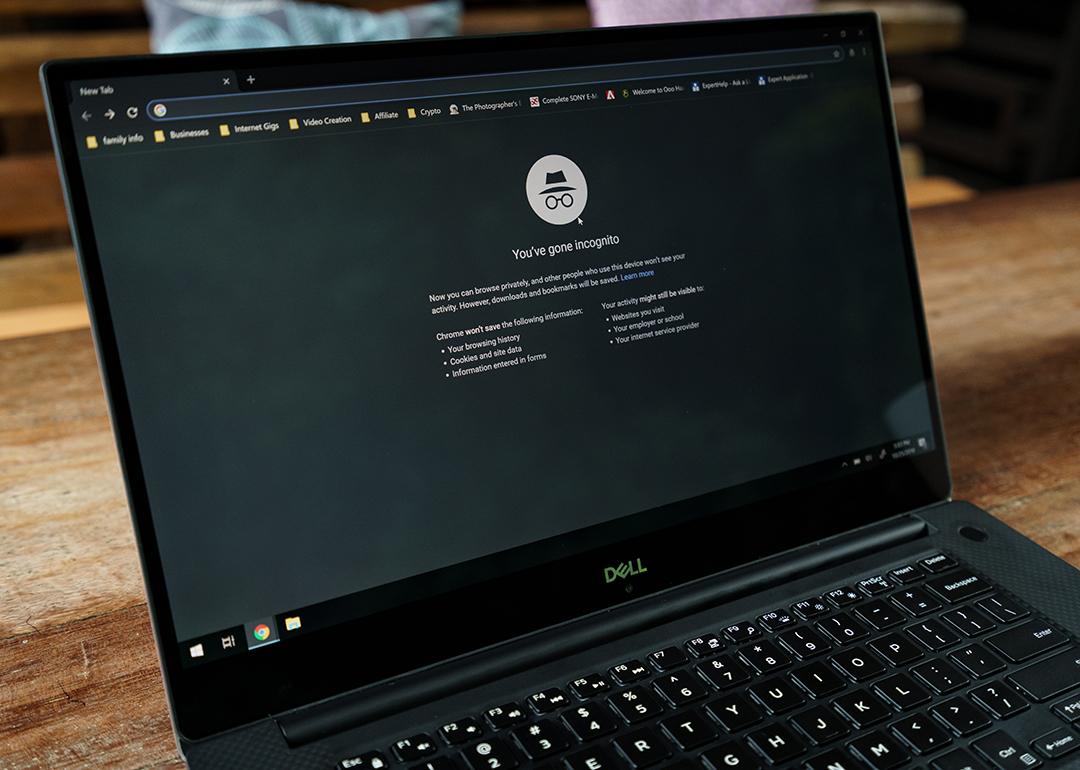
Incognito mode does not keep your data private. In fact, Google was forced to legally delete 鈥渂illions of data records鈥� obtained from incognito-mode users, , after a review of federal court documents.
While incognito mode is effective at hiding search history on your local device, plenty of people still have access to the data, including internet search providers, schools, and workplaces. If a malicious actor is within these systems, they can easily steal your personal information.
Fix these seemingly harmless habits to secure your identity
Losing your identity can cause massive financial loss and a range of negative feelings. Self-blame, guilt, and vulnerability are just a few that . It鈥檚 important that you take action to protect yourself from this turmoil.
By rethinking your habits, changing your behaviors, and being extra cautious online, you can reduce your risk of identity theft and have peace of mind that your financial well-being is secure.
was produced by and reviewed and distributed by 麻豆原创.