Does sweating help you lose weight? Here’s what the science says
You’ve probably heard: “Sweat it out, and you’ll lose weight!” But is that really true? Does sweating help you lose weight, and does the amount of sweat on your workout clothes really reflect how much weight you’re losing?
Experts at deodorant break down this sweaty situation, explore the relationship between sweat and calories, and debunk common myths around sweating and weight loss. Spoiler alert: Sweating might not mean what you think it does when it comes to fat loss, but this article will walk you through what truly matters.
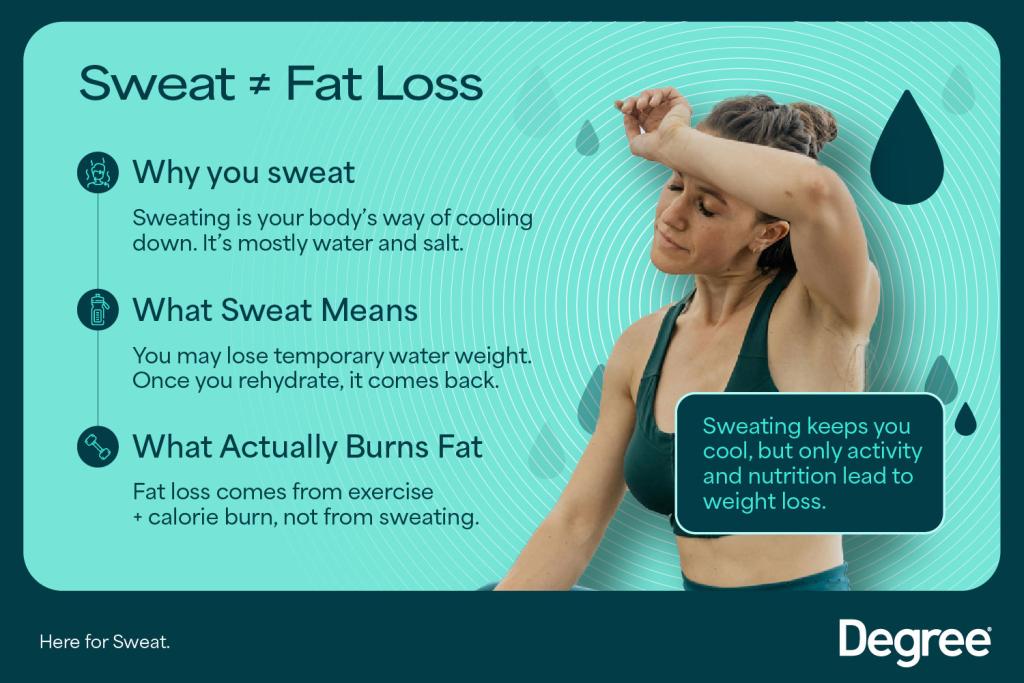
What is sweating? and why does it happen?
Sweating is more than just a sign that you’re working hard at the gym or enduring a . It’s your body’s natural air conditioning system, kicking into gear to keep you cool. When you exercise or find yourself in a hot environment, your body produces sweat to regulate your temperature. This process involves the activation of , which release moisture onto your skin’s surface. As this moisture, or , evaporates, it helps lower your body temperature, .
When you push your limits, your body sweats more, which can lead to temporary weight loss—but it’s . Once you rehydrate, that weight comes right back. So, while sweating can be an indicator of an intense , it’s not the key to long-term weight loss.
The real takeaway here is that consistent movement and exercise help you burn calories and shed fat. Whether you’re drenched in sweat or just glistening, what matters most is that you’re staying active and pushing yourself. Next time you hit the gym, remember: It’s not about how much you sweat, but how much effort you put in.
Sweating vs. burning calories: What’s the connection?
Let’s get one thing straight: Sweating itself doesn’t burn calories. It’s a common misconception that the more you sweat, the more weight you lose. When you , your heart rate spikes, your muscles work harder, and you burn calories. The sweat is just a sign that your body is working to keep you from overheating.
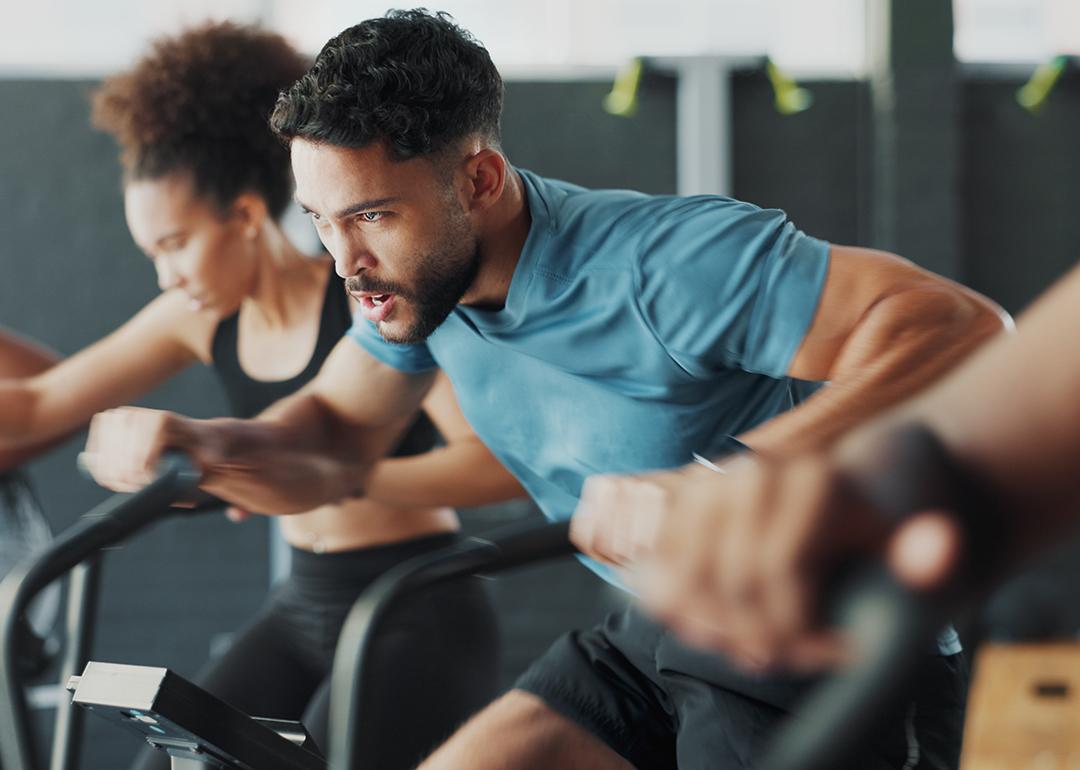
Think of it this way: When you’re in the middle of a killer workout, whether you’re hitting the treadmill, lifting weights, or doing a high-intensity interval training (HIIT) session, your body is in overdrive. Your heart pumps faster, delivering oxygen to your muscles, and your metabolism kicks into high gear to provide the energy you need. This process burns calories, and as a byproduct, you start to sweat. The more intense the activity, the more you sweat, but it’s the effort and movement that’s torching those calories, not the sweat itself.
Common misconceptions about sweating and weight loss
Let’s address one of the most pervasive fitness myths, the question of: “Does sweating burn fat?” After an intense session of hot yoga or a long run on a hot day, you might feel lighter. But that immediate post-workout weight loss is due to water loss, not fat loss.
Temporary water weight loss
When you sweat, your body is losing water. This water weight may show up on the scale as a temporary reduction, but it’s not fat that you’re losing—it’s simply hydration. Once you rehydrate, that weight comes right back. Staying hydrated during and after exercise is key to and regaining lost water weight.
A classic example of temporary water weight loss is seen in athletes, particularly wrestlers or boxers, who need to meet a specific weight for competitions. They might spend time in a sauna or wear sweat suits to shed excess water weight quickly. But once they drink fluids to rehydrate, their weight returns to normal.
The difference between fat loss and water loss
In contrast to water loss, which is temporary, fat loss is a much longer-term process that involves burning more calories than you consume. To lose fat, you need to engage in consistent physical activity that raises your heart rate and burns calories, combined with a balanced diet that .
Effective strategies for sustainable fat loss
When it comes to sustainable fat loss, it’s all about playing the long game. Forget the quick fixes and crash diets; they’re not your friends. Instead, focus on consistent physical activity and smart lifestyle choices.
Let’s talk cardio
Exercises that get your heart rate up, like running, HIIT (High-Intensity Interval Training), and cycling, are your go-to moves. These workouts are like the blockbuster movies of the fitness world—high energy, lots of action, and they keep you coming back for more. They torch calories and get your metabolism revved up, making them super effective for fat loss.
Don’t sleep on strength training
Lifting weights isn’t just for bodybuilders; it’s for anyone who wants to build muscle and boost their resting metabolic rate. More muscle means you burn more calories even when you’re just chilling on the couch. It’s like having a money-making side hustle that works for you 24/7. Plus, strength training helps you , so you’re not just losing weight—you’re sculpting your body.
Let’s get real about diet
You can’t out-exercise a bad diet, no matter how much you sweat. Focus on balanced meals that include lean proteins, whole grains, and . Think of your body as a high-performance car; you wouldn’t fuel it with junk, right? The same goes for you. Eat clean, stay hydrated, and you’ll see those fat-loss results stick around for the long haul.
Remember, sustainable fat loss is a journey, not a sprint. It’s about making small, consistent changes that add up over time. So lace up those sneakers, grab those weights, and fuel your body right.
Debunking the myths around sweating and weight loss
Let’s clear up some common misconceptions:
Myth 1: More sweat means more fat burned
This is false. Sweating is your body’s way of regulating temperature, not an indicator of fat loss. You might sweat more on a hot day or in a humid environment, but that doesn’t mean you’re burning more fat.
Myth 2: Saunas and sweat suits help you lose fat
These tactics may result in short-term water weight loss, but they don’t lead to sustainable fat loss. Saunas and sweat suits simply cause your body to lose water through sweat, which is quickly regained once you rehydrate.
Myth 3: You have to sweat to get a good workout
This is not true. While many people associate a "good" workout with lots of sweat, the effectiveness of your exercise isn't defined by how much you sweat. Low-sweat activities like strength training or swimming can burn just as many, if not more, calories than a sweat-heavy cardio session. The intensity and type of workout matter more than the amount of perspiration.
Your sweat and weight loss questions, answered
Got more questions about sweating and weight loss? Let’s address some of the most common ones:
Q: Does sweating burn calories?
A: Sweating doesn’t burn calories, but the activities that make you sweat, such as running or strength training, do burn calories. Sweating is simply your body’s response to heat.
Q: Can sweating too much be harmful?
A: Excessive sweating without proper hydration can lead to , so it’s important to drink water before, during, and after exercise.
Q: Do certain workouts make you sweat more but burn fewer calories?
A: Yes, some workouts, like hot yoga, may make you sweat more due to heat, but that doesn’t mean you’re burning more calories compared to high-intensity workouts.
Q: Can you lose weight by sweating without exercising?
A: Sweating alone, like in a sauna, can lead to temporary water weight loss, but it doesn’t result in fat loss. Sustainable weight loss requires consistent exercise and a balanced diet.
Sweat control: How to stay comfortable
While sweating is a natural and essential process for regulating body temperature, can sometimes be uncomfortable and inconvenient. Antiperspirant deodorant can help alleviate this discomfort.
Sweating during a workout can feel rewarding, but it’s important to remember that sweat itself doesn’t equal fat loss. It’s a byproduct of your body working hard, with actual weight loss coming from the intensity and consistency of your workouts. Embrace sweat as a sign of effort, but focus on a balanced approach to fitness for sustainable results.
was produced by and reviewed and distributed by Â鶹ԭ´´.