From miles to market: The rise of runner-founded brands changing the game
Ever notice how the best running brands just “get” you? There’s a reason for that.
The founders aren’t investors who decided running was a profitable niche. They’re runners like you who couldn’t find what they needed, so they built it themselves. They logged the miles, felt the pain points, and created solutions from within their community.
“Running is hard, and running a business is hard,” says Monica DeVreese, cofounder and CEO of Rabbit, a women-led running brand from California. “But hard work prepares you for greatness.” A runner’s grit, consistency, and ability to push through discomfort for a distant goal and delayed rewards nurture the entrepreneurial spirit and translate perfectly to .
Giants like Nike and Adidas no longer corner the space—hundreds of apparel and equipment brands are challenging these incumbents—and winning because they’re created by runners who intimately understand what other runners need. They’ve transformed their passion into thriving businesses with built-in customer bases. Many of these brands are less than 10 years old but already carving a considerable share in the running apparel space. talked with the founders of Rabbit, Bandit, Minted, and Endorphins to learn how.
Connect with people first, launch products second
Every brand shared one critical insight: their community drives their business—from brand loyalty to product development to customer engagement. In fact, they didn’t start with a product line;
“Our origin story, it’s almost like the community was more important … It came first. The brand and the products came later,” says Tim West, cofounder of NYC-based Bandit.
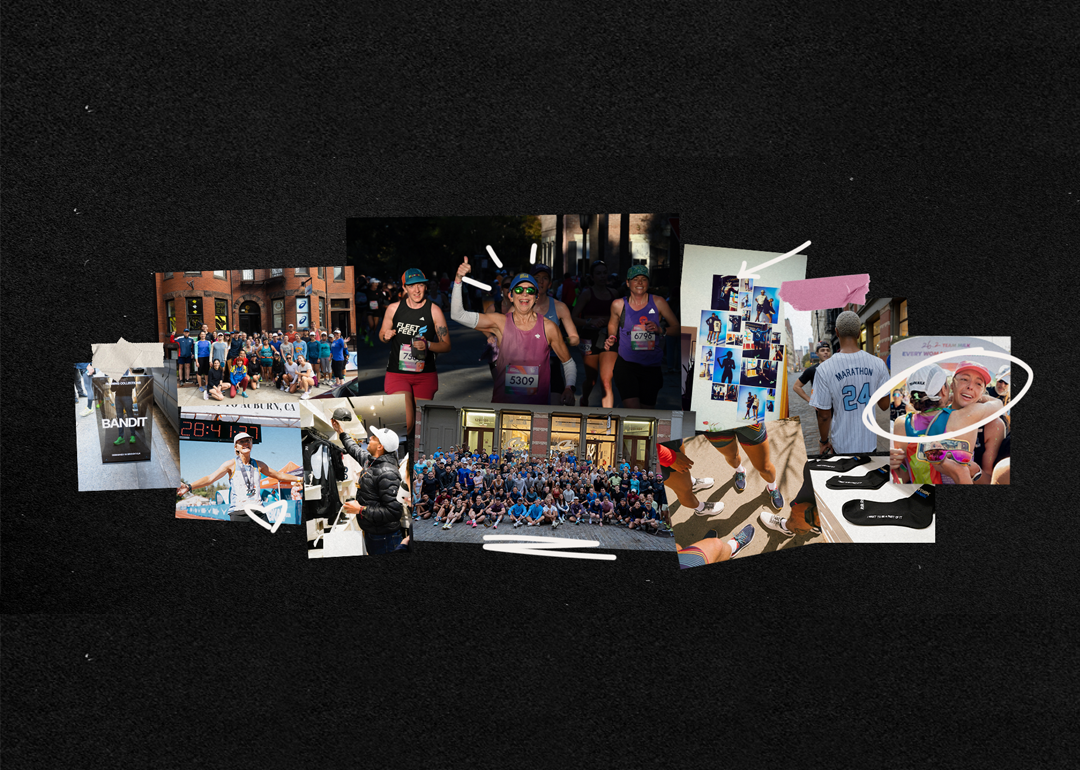
In 2022, Tyler Swartz and friends started training together for a 50-mile run in NYC. A handful of folks showed up to the first few sessions, but, slowly, a small group of ambitious runners created something special. “Our group runs weren’t just training sessions—they were where friendships were formed, goals were set, and the idea of Endorphins was born,” says the Endorphins website. Word about the brand spread via social media. Today, the Endorphins community is more than 25,000 runners strong. What started as a small run group is now a training platform, , and multicity community hosting more than 1,500 free runs each year.
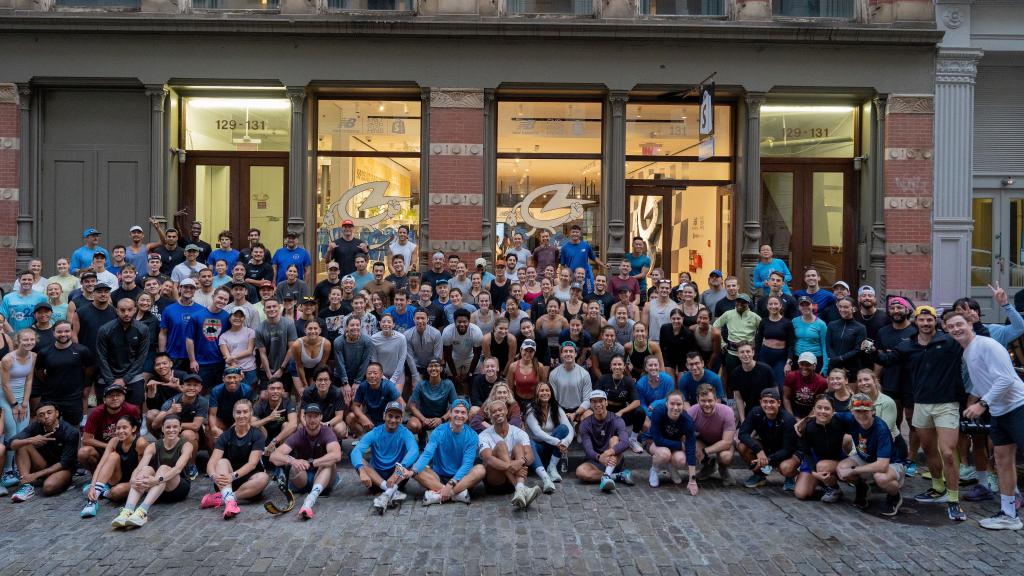
Smart running brands use social media to create in-person connections. They promote pop-ups, organize meetups, and coordinate run clubs or group runs for key events. West, a Brooklyn Track Club member, was inspired by its organic sense of community. He brought this belief—that authentic communities must exist “in and of themselves”—into the Bandit brand’s ethos, aiming to tap into existing ecosystems rather than cultivate one completely from scratch.
This approach flips the traditional business model on its head—instead of creating products and then searching for customers, these founders first built and drew from existing communities of like-minded runners. Next, they created products specifically for them. By doing this, running founders are creating a next-generation playbook for direct-to-consumer (DTC) brands by focusing on from the very beginning, rather than chasing customers with paid ads after the product is made. Prioritizing building a community can lead to unexpected benefits, too, including crowdfunding opportunities. Rabbit initially launched through Kickstarter, using the platform to gauge community interest and validate their vision—funding their campaign in less than a day.
Consider runners’ unmet needs and innovate
The running market might seem saturated on the surface, but passionate runners still face unmet needs. To find these gaps, consider your own experiences.
Feeling isolated, Toni Carey and Ashley Hicks-Rochathey started Black Girls RUN!, a running blog for women of color that grew into a large organization they scaled into a thriving merch store selling apparel, playlists, and accessories. By generating 90% of their revenue from these sales, they were able to work on the business full time. Similarly, Rabbit’s founders saw a huge opportunity to create better-fitting running gear, especially for women, identifying a market gap for form-fitting but high performance apparel.
Bandit’s founders also addressed a product gap by launching a drop featuring comfortable and stylish winter running gear, such as windproof, water-resistant jackets, fitted long sleeves with shaped hoods, and aesthetic balaclavas.
Whether it’s better-fitting apparel for women, gear designed with sustainable materials, or apparel engineered for specific running conditions, there’s always room for innovation that solves real runners’ problems.
Create meaningful in-person touchpoints
Digital connections matter, but nothing beats face-to-face interaction. In-person events, pop-ups, and community rituals foster deeper connections while providing crucial product insights. These touchpoints create emotional bonds that transform customers into advocates.
For the New York City Marathon, Endorphins hosted an in-person pop-up featuring panels, medal portraits, group dinners, and a one-stop shop for essential running gear. “The weekend brought Endorphins to life in ways we’d only dreamed of,” says Swartz. “We turned the world’s biggest race into a celebration of everything we stand for as a community.”
Creating unique touchpoints to celebrate your community on race day is a technique also leveraged by Rabbit. The brand engages its community through sponsoring running events, making uniforms, and hosting activations like its annual pop-up shop on Newbury Street during the Boston Marathon.
Beyond race day, consider ways to support your local run community in their day-to-day training. Bandit takes a unique approach with its physical store in Williamsburg, Brooklyn. Strategically located on a popular running route rather than a traditional shopping street, it serves as a community hub, with a water jug outside for passing runners and a weekly run club that draws more than 100 attendees.
Bandit’s approach to events is to “jog before it sprints,” using events to test ideas in simple, cost-effective ways first. It sets clear goals for revenue and leads, measures the halo effect on ecommerce sales, and negotiates heavily for spaces. It also uses data from event sign-ups to track participation, immediate sales, and long-tail effects on the business.
Tap into community to train and test
Founders embedded in the running community have a competitive advantage—they’ve personally experienced the problems they’re solving. But the innovation doesn’t stop there. The community is where Rabbit gets all of its insights. They constantly test products and from the clubs they sponsor and their RADrabbit team.
Similarly, West of Bandit emphasizes how community “interactions have quite literally driven our decision-making for the next collection.” This constant cycle of real-time feedback with an engaged audience creates products that truly resonate. It helps to address genuine pain points rather than just reacting to a trend or conform to a marketing plan.

Develop products in public
Social media isn’t just for marketing—it’s a testing ground for new ideas and a powerful tool for building genuine connections.
Minted’s founder, Marcus Milione, shared a prototype tote bag in a social media video, and received a lot of feedback via comments about desired features like adjustability. This direct input led to product improvements that increased customer satisfaction.
Building in public means opening yourself up to criticism. While straight-up hate comments can be ignored, constructive criticism is invaluable. “Bringing your customer along on the journey helps them kind of buy into the product at the end of the day, even more,” because they become part of the entire process, Milione says.
Deepen your community on social
Social media platforms can also amplify a brand’s community connections beyond geographical limitations and act as a powerful marketing tool. These niche brands excel at using digital platforms to engage their community with authentic content.
The most successful running brands don’t just showcase elite athletes breaking records; they celebrate the everyday moments that make up a runner’s life. As Bandit explains its approach, “We’re really good at taking the mundane moments of running and showing you how special and lovely and elegant and fun they are.”
This strategy resonates because it reflects the reality of running. Showing the ugly side of running, the messiness, and the realness often is more relatable than only showcasing the perfect version or only celebrating elite athletes. It also builds trust and shows runners that the brand understands them.
In many ways, social media has also become the most high-stakes customer service platform, with feedback posted for public consumption. For running brands, customer service isn’t just about solving problems—it’s about strengthening credibility amongst their community. Engaging regularly and quickly with messages and comments not only resolves concerns, it also , ultimately turning passionate customers into brand evangelists eager to promote your business organically.
Compound consistency to scale successfully
Scaling a business is akin to training, and challenges are inevitable. Think about the discipline it takes to wake up early, push through discomfort for miles, and train consistently—that’s the type of grit that makes runners entrepreneurs.
It’s about “grinding day in and day out,” says DeVreese of Rabbit. “Eventually the hard work is going to pay off.” Entrepreneurship, much like training for a race, takes time, resilience, and discipline.
was produced by and reviewed and distributed by Â鶹ԭ´´.