12 longevity trends that doctors are watching in 2026
12 longevity trends that doctors are watching in 2026
For decades, longevity felt like the playground of the elite—biohackers with unlimited time, money, and curiosity turning their bodies into experiments.
In 2026, longevity is maturing. To understand where the field is headed, Hone Health asked more than 200 physicians at the intersection of functional medicine, longevity, and preventive health. Their responses reveal a shift: Longevity is becoming less about chasing superhuman status and more about evidence-based habits that meet people where they are, looking to live healthier today and for as long as possible.
shares 12 and longevity trends experts say will define the next year of medicine and wellness.
1. Epigenetic Clocks
What it is: Our birthdate tells one story, but epigenetic clocks tell another. These tests analyze —chemical tags that switch genes on and off in response to lifestyle and environment—to estimate your , a stronger predictor of healthspan and disease risk than the candles on your cake.
Why experts are watching: Chronic illness is driving demand for earlier, more . Affordable saliva kits have made accessible; next up are organ-specific versions that track how your brain, liver, or immune system are aging.
Large confirm that faster “epigenetic aging” predicts of mortality, heart disease, and other chronic conditions. Newer clocks like and outperform earlier versions, everything from to . Early on show that different tissues age at different speeds—meaning biological age isn’t one number but .
Experts say these tests aren’t the fix. Their value lies in what you do with them—using the insights to fine-tune sleep, training, nutrition, recovery, stress, and hormones to actually slow your pace of aging.
2. Oral Microbiome
What it is: Your mouth is a window into your total health. Changes in the can ripple through the body, driving systemic inflammation linked to cardiovascular disease, cognitive decline, and even stroke risk. One recent study found that gum disease correlates with white matter damage in the brain—an early for neurodegeneration.
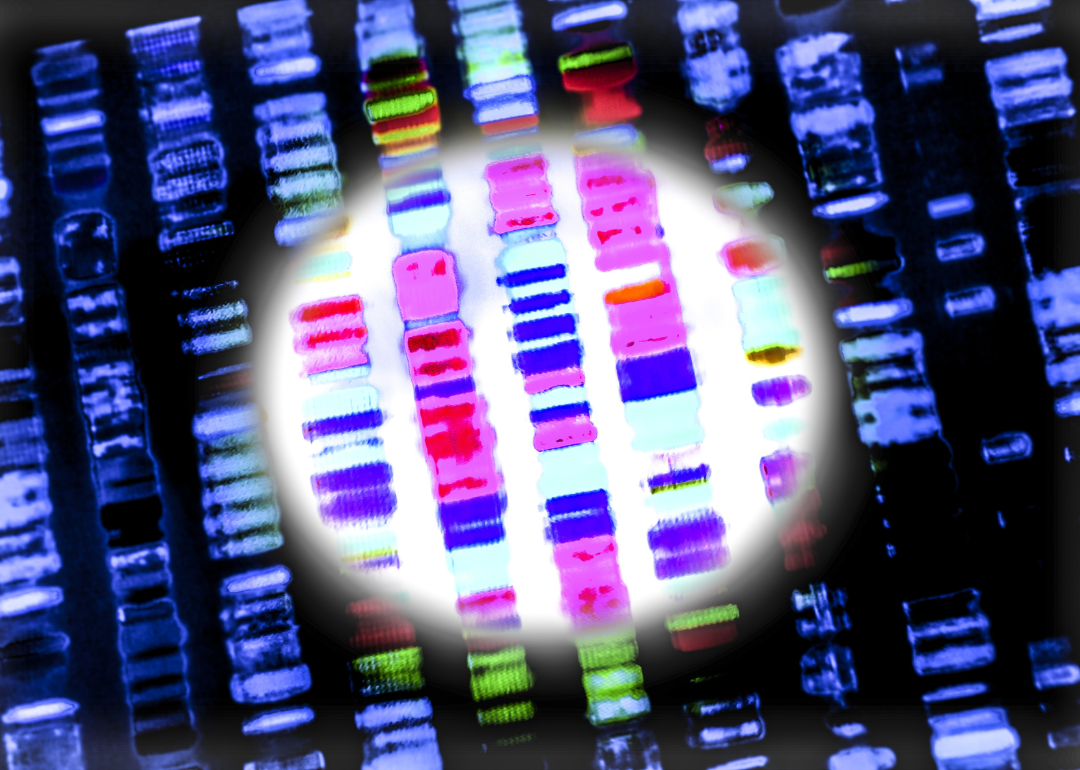
Why experts are watching: Longevity medicine is finally connecting the dots between gum health, inflammation, and biological aging, using tools like and ultrasound to catch early dysfunction. The bigger story isn’t the tech—it’s the realization that oral health may be one of the most actionable aging metrics we have. It changes fast, it’s easy to measure, and it responds quickly to lifestyle shifts.
may reduce gum inflammation and , while hydroxyapatite toothpastes help remineralize enamel and . But the basics still move the needle most: consistent brushing and flossing, a nightguard for grinders, and regular cleanings all lower systemic inflammation and protect long-term health.
3. GLP-1s for Metabolic Reset
What it is: (like and Zepbound) were designed to regulate blood sugar and appetite—but their real power lies in restoring metabolic communication. These drugs help the gut, brain, and pancreas “talk” to each other again, improving insulin response, glucose control, and satiety signals. The result is a full-system recalibration of how your body manages energy.
Why experts are watching: are redefining metabolic medicine—and 92% of doctors surveyed either use them or recommend them to patients. GLP-1s reduce systemic inflammation, improve insulin sensitivity, and and —even before major weight loss occurs. They also , , and cardiovascular risk markers, suggesting a true rather than a single-pathway effect. These mechanisms are why researchers are now exploring GLP-1s for broader roles in metabolic optimization, brain health, and longevity.
By lowering inflammation, stabilizing glucose, and , GLP-1s create the physiological conditions for long-term change—making it easier to build habits that actually last. New formulations (including oral versions, , and once-monthly injections) will make these benefits more accessible, and physicians are increasingly exploring how short-term “reset protocols” might and longevity.
When used strategically and supported with lifestyle upgrades, GLP-1s can help people break free from metabolic inertia and build a foundation for lasting health.
4. Injectable NR
What it is: Levels of and stress, thanks to and overactive enzymes that burn through the molecule faster than the body can replace it. —a proven —helps restock those levels. Injectable versions skip the digestive roadblocks that limit oral absorption, delivering NR straight into circulation for faster uptake.
Why experts are watching: is everywhere in the longevity conversation, but the focus is shifting from merely topping off levels to stopping the leak. Researchers are now targeting the enzymes that deplete NAD+—like CD38, PARPs, and NAMPT—while refining delivery systems that get NR where it’s needed most.
The evidence so far: show NR reliably and safely , supporting mitochondrial function, neuroprotection, and anti-inflammatory pathways. Trials are ongoing in , , , and cancer. Reduced forms of NR may also prove more potent, with showing higher bioavailability than traditional precursors.
5. Akkermansia
What it is: Meet Akkermansia muciniphila—a mucus-eating gut bacterium that’s become the microbiome world’s main character. Higher levels are to better insulin sensitivity, lower inflammation, and a stronger gut barrier. It’s also as a next-gen probiotic candidate for metabolic disorders—and even cancer.
Why experts are watching: The growing interest in GLP-1s has made people more aware of how , blood sugar, and weight regulation. Akkermansia is gaining attention as a gut-driven way to support metabolic markers, and may be especially appealing for people who , don’t want to take them, or are looking for something over-the-counter.
The evidence so far: In a , three months of pasteurized Akkermansia improved insulin sensitivity by nearly 30%, lowered fasting insulin and total cholesterol, and modestly compared to placebo. Meanwhile, shows Akkermansia—or its secreted protein, P9—can in gut cells and improve glucose control in mice, which could offer the same benefit in humans.
6. Electrical Muscle Stimulation
What it is: Once limited to physical therapy clinics, EMS has gone mainstream. The tech uses electrical pulses to activate muscle fibers while you move—so even basic hit harder.
Why experts are watching: Everyone wants to get stronger, protect their joints, and save time. EMS promises all three. Whole-body EMS can increase muscle mass and strength, especially in and people with . The bone benefits are more modest—long-term EMS use may slightly improve spine bone density and slow bone loss in —but traditional resistance training still it on that front.
Experts say EMS is a solid assist for anyone who can’t , wants a , or is at risk for osteoporosis or sarcopenia. The muscle data is legit; the bone effects are incremental. Use it as a complement to real training—not a replacement.
7. Fibermaxxing
What it is: “Maxxing” is Gen Z slang for maximizing—and in this case, it means taking fiber to the extreme. TikTok creators are swapping smoothie recipes and bragging about hitting 50 to 70 grams a day, way beyond what most people need.
Why it’s blowing up in 2026: Also known as , this viral health trend isn’t entirely wrong. Most adults don’t get enough fiber. But experts say the real benefit lies in shifting from quantity to quality: mixing insoluble, soluble, and fermentable fibers to boost without overdoing it. And as new research hints at fiber’s role in , fiber is being rebranded as “nutritional defense” in the longevity world.
Higher fiber intake metabolic markers, satiety, and microbial diversity while for colon cancer and Type 2 diabetes. Diverse fiber types feed , which translates to and stronger . Early data also suggest certain fibers may help or accelerate excretion of ingested particles.
8. Metabolic Flexibility
What it is: Your ability to switch between and fat is one of the clearest markers of metabolic health—and often the reason you either feel steady energy all day or hit a wall at 3 p.m. Thanks to the latest tracking tools—from to emerging —you can now see how stress, sleep, workouts, and meals affect those fuel shifts in real time instead of guessing.
Why experts are watching: The conversation is moving beyond weight loss to metabolic function. , once reserved for a privileged few, are going mainstream with smaller sensors, longer wear times, and smarter insights. For those skipping the wearables, at-home metabolic analyzers are offering instant feedback on how .
Greater is linked to improved insulin sensitivity, steadier glucose control, and better endurance. reduces post-meal glucose spikes, improves , and even . on breath-based tools show they can track metabolic shifts in real time and help flag early Type 2 diabetes risk.
With only about , improving flexibility could be transformative. CGMs and metabolic sensors won’t “fix” your metabolism, but they will help you understand it. Awareness drives change—and in longevity, that’s half the battle.
9. Preventive MRI
What it is: For the health-focused (and the health-anxious), full-body MRIs promise peace of mind—one scan to rule out hundreds of conditions and spot potential problems that could one day affect your health.
Why experts are watching: taps into a powerful cultural shift toward proactive health management. A found 95% of healthy participants had at least one “abnormal” finding, yet 91% of those weren’t clinically relevant. For high-risk individuals, preventive MRI is a smart safeguard. For everyone else, it’s a double-edged sword—more data, more confusion, not necessarily better outcomes. When it comes to prevention, more data doesn’t always mean better health.
10. DEXA Scanning
What it is: Unlike a traditional weight scale, which tells you nothing about your muscle mass, , or bone density, a reveals exactly how much muscle you have, how strong your bones are, and where you’re storing fat. It tells you whether the changes you’re making are actually improving your health or just moving a number.
Why experts are watching: DEXA gives you the inside view to catch these changes early. People can “look fit” while quietly losing bone and muscle, especially after 40. With and aging conversations and mobility, DEXA has become the go-to test for tracking real progress. Longevity clinics now pair it with , , and . New AI models can even analyze subtle DEXA patterns to flag fracture risk years before it shows up clinically.
DEXA is still the gold standard for bone mineral density and osteoporosis diagnosis. Screening women 65 and older has been linked to and . DEXA-measured strongly correlates with diabetes, hypertension, and —o³ܳٱè±ð°ù´ڴǰù³¾¾±²Բµ in predicting .
11. Regenerative Medicine
What it is: Your skin replaces 30,000-40,000 cells every minute; your gut lining regenerates every five days; your entire skeleton renews itself every decade. Regenerative medicine taps into that natural repair process—not with sci-fi organ printing, but with tools people can actually use now: polynucleotides for skin repair, platelet-rich plasma (PRP) for injuries, for bone healing, and biostimulators that boost skin quality from within.
Why experts are watching: People are done with treating only symptoms—they want their bodies to actually heal. Regenerative medicine finally feels attainable, with accessible options like PRP for joints, polynucleotides for rejuvenation, and PEMF devices for at-home recovery. What once belonged in elite clinics now fits into everyday longevity care.
PRP is gaining traction for osteoarthritis, calming inflammation, and promoting tissue repair, with showing real improvements in pain and function. It’s also been shown to aid and after injury. Polynucleotides work at the cellular level to jump-start repair, with clinical trials showing better , , and smoother, firmer skin. trigger your own collagen production, enhancing skin thickness, elasticity, and hydration. PEMF supports cellular activity linked to and .
12. Genomics Testing
What it is: Your DNA holds the for how your body runs, including quirks like why you like a freight train, why you need more sleep than your friends, which nutrients you burn through faster, and the health risks to watch for as you age. Genomic testing translates those patterns into personalized health insights that can actually guide your care.
Why experts are watching: People want guidance tailored to their biology, not generic advice. As at-home DNA kits get cheaper, faster, and more robust, what once felt like futuristic tech is now becoming standard health data. Tests can now match patients to the , suggest supplements your body actually needs, and even screen embryos for genetic conditions. Meanwhile, is promising to make sense of the massive data these tests generate.
Genomic testing is powerful in clinical settings, but the consumer versions seem far less reliable. Without medical context or family history, predictive value plummets. Many kits miss key variants, and false positives are common—especially when consumers upload raw data to third-party apps. One analysis found in about 40% of . Physicians view genomic testing as a valuable tool for health optimization—especially in clinical settings where healthcare professionals can interpret results in context and integrate them with family history and clinical presentation.
was produced by and reviewed and distributed by Â鶹ԭ´´.