Could Ozempic and other GLP-1s help ADHD symptoms?
Could Ozempic and other GLP-1s help ADHD symptoms?
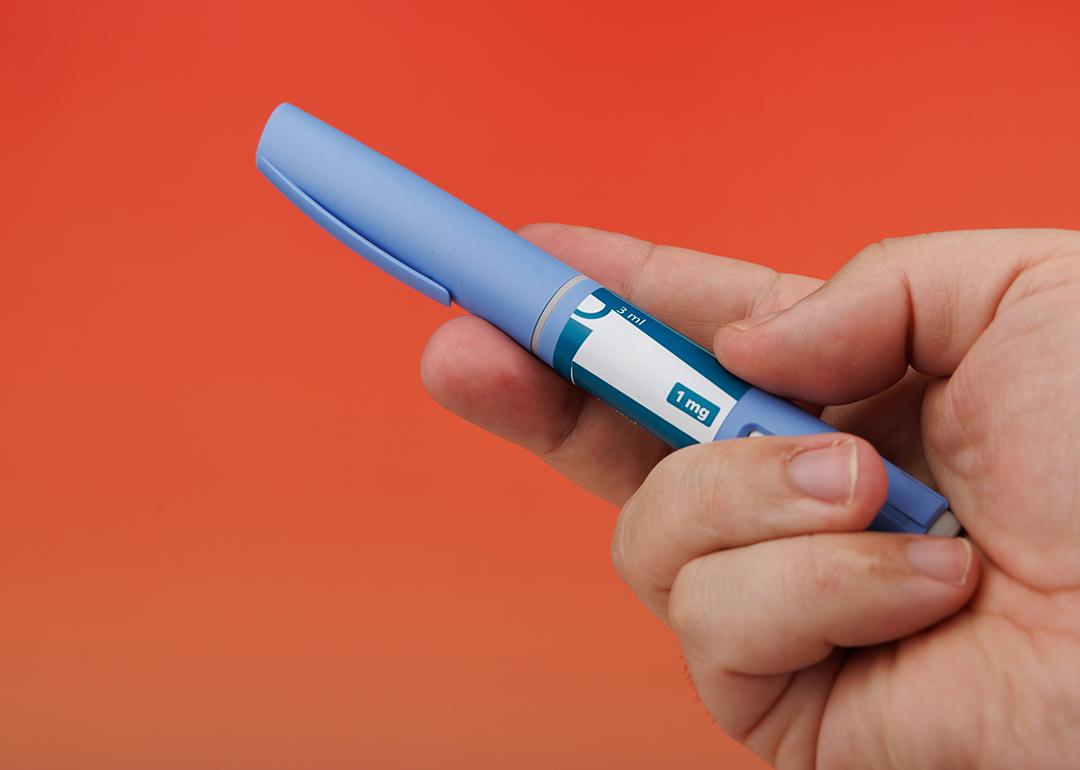
GLP-1 drugs like Ozempic and Zepbound have transformed medical treatment for obesity and Type 2 diabetes. Some people with ADHD who take the drugs for other conditions say they feel calmer and more focused while taking these medications.
GLP-1 drugs act on parts of the brain that control dopamine and reward. These brain areas are also linked to impulsivity and emotional control in people with ADHD. By reducing food cravings and constant thoughts about eating, GLP-1s may help some people feel more focused. Still, studies have not shown that these drugs improve attention or executive function. These are the main challenges of ADHD. Any improvement may come from indirect effects, like better sleep, weight loss, or placebo effects.
There are no clinical trials testing GLP-1 drugs as a treatment for ADHD. And there’s no proof that they can directly improve ADHD symptoms. These medications also have side effects and risks. Experts say these drugs should not replace proven ADHD treatments.
One possible reason for this reported improvement in symptoms is the dampening effect GLP-1’s have on thoughts of food or “food noise.” A woman, who was diagnosed with ADHD 12 years ago, spoke to Understood and said she noticed an improvement in her symptoms after starting GLP-1s. She also takes Ritalin, a prescription stimulant medication, off and on to help manage her symptoms, and she sees a cognitive behavioral therapist. But she said that it wasn’t until she started taking Ozempic five years ago that her constant thoughts about food went away. And with them, some of her ADHD symptoms. Now, when she takes a break from her GLP-1 drug, those symptoms return.
She isn’t the only one who has noticed a change in her while taking a GLP-1 drug. Across social media, people are sharing stories reporting that these drugs have helped them be more productive and in control of their impulses.
As more people share their experiences, it’s reasonable to believe that GLP-1s might affect symptoms of ADHD. But so far, there hasn’t been any published scientific evidence that they treat the condition directly. So what’s going on? We spoke to experts to find out.
What are GLP-1s and how do they work?
Glucagon-like peptide-1 (GLP-1) receptor agonist drugs like Ozempic and Mounjaro can help treat obesity, Type 2 diabetes, and related health conditions.
These drugs work by mimicking GLP-1, . When you take a GLP-1 drug, your gut sends fewer signals to your brain that it’s hungry throughout the day. GLP-1s also help the body break down blood sugar and slow the movement of food through your stomach.
As we learn more about these medications, it’s becoming clear that they can be helpful for people with other health conditions. So far, the Food and Drug Administration (FDA) has said they can be used to treat and .
There’s also early research suggesting that GLP-1s may help reduce cravings and compulsive behaviors in some people. There are ongoing studies testing the drugs in , , and .
Quieting ‘food noise’ may ease ADHD symptoms
Some people who take a GLP-1 drug to manage health problems related to their weight or diabetes may find that the drug quiets the “food noise” — constant thoughts about food, explained . Surman is the director of the Clinical and Research Program in Adult ADHD and an associate professor of psychiatry at Harvard Medical School.
Sugary, fatty, and ultraprocessed foods can trigger the reward systems in our brains. That keeps us coming back for more, even when we’re no longer hungry. GLP-1s may affect those reward centers in the brain and .
“It could be that a GLP-1 is similar to wearing headphones. It reduces some of the distractions because you’re not as focused on hunger cues or wanting your body to be different. It’s so different for everybody,” Surman said.
For some people, quieting food-related thoughts allows them to make better dietary choices, which in turn may improve overall health and some ADHD symptoms. Some report that before taking a GLP-1, they struggled to finish tasks because they were constantly thinking about food. After starting the medication, they noticed that the "food noise" disappeared—along with the self-criticism that often accompanied it.
What the research says about GLP-1s and ADHD
One reason GLP-1s may have a positive effect on ADHD symptoms may have to do with the way it affects dopamine, .
compared to non-ADHD brains. People with ADHD tend to have difficulties with motivation, attention, and impulse control, in part because their brains are seeking ways to get more dopamine.
Some research suggests that GLP-1 drugs can change how dopamine is released and can affect parts of the brain that help us control our impulses and regulate our emotions. In some studies done in mice, they .
But human brains and mouse brains are different, and ADHD is complex. There are no studies yet that test whether changes in dopamine from taking a GLP-1 drug actually make a difference in human behavior. “If what worked in mice always worked in humans, we’d have cured lots of diseases,” Surman said.
Plus, as far as scientists know, there are no GLP-1 receptors on parts of the brain that deal with some of the main problems of ADHD, like attention and executive function, explained . Goodman is an assistant professor of psychiatry and behavioral sciences at the Johns Hopkins University School of Medicine.
Some people may find that the drugs help with impulsivity symptoms. But they may continue to have issues with attention, motivation, or .
That means it’s unlikely that the drugs will be a useful standalone ADHD medication, Goodman said. But they may be helpful for treating a small group of common ADHD symptoms.
It’s possible, he said, that someone could take a stimulant medication to improve their core ADHD symptoms. And a GLP-1 drug could help manage some of the other symptoms that remain. A lot of research would need to be done to know whether that would work and who might benefit.
Need for more research
For some people, the benefits of taking a GLP-1 drug are clear. But just because some people see ADHD-related benefits, that doesn’t mean GLP-1s work for everyone with ADHD. Some studies have even found that some people start noticing .
In psychiatry studies, . That’s when the symptoms of someone’s condition improve when they take what they think is a medication for that condition but actually isn’t. If your ADHD symptoms improve after you take a GLP-1 drug, it could be that the drug has an effect that scientists don’t yet understand. Or it could be the placebo effect. More research is needed to know for sure.
Surman said that sometimes, when people notice that their ADHD symptoms are improving, it’s because their health is getting better overall. For example, someone with sleep apnea who loses weight while taking a GLP-1 may start sleeping better. That throughout the day.
There are no active studies testing the effects of GLP-1s on ADHD, according to , the government’s database for clinical trial information. It’s not clear if any researchers are planning to study this topic in more depth. If they do, it’ll probably take years to see results.
“It’s remarkably early for any kind of prime-time clinical consideration,” Goodman said. “I know the internet and social media influencers and everybody create this buzz. … But in the absence of science, it’s hard to recommend these medications [for ADHD], especially without safety reviews in these patients.”
Is it dangerous for people with ADHD to take GLP-1s?
Both ADHD medications and GLP-1s can support your health. But it’s important to check in with your body as you use them to avoid harmful effects.
can make some people have a smaller appetite. If you take both a GLP-1 and a stimulant, you might not feel the need to eat as much as you need to. That could cause you to lose too much weight. Or your blood sugar levels could get too low.
Side effects of GLP-1 drugs include digestive issues, headaches, dizziness, and other symptoms that could make it harder to function throughout the day.
Taking a GLP-1 drug shouldn’t affect how your ADHD medications work. GLP-1 drugs slow down the movement of food through your stomach, and many ADHD medications come as a pill. But Goodman said that most ADHD drugs are designed to release slowly. Most people shouldn’t have problems with them.
Anyone using a GLP-1 drug should make sure they get it prescribed through a trusted health care provider. GLP-1s can help you become healthier, but only if you eat the right nutrients and . Working with a nutritionist or dietitian can make that easier, Surman said.
“Folks with ADHD generally have a hard time following through on independent homework,” Surman said. It can be hard to stay on top of planning meals, cooking, and exercising regularly. He recommends finding an . This might be a friend you do weekly errands with. Or it could be a physical trainer who can help you set an exercise schedule.
“We know that brains do better when they’re fed and rested, and when the body’s been moved and exercised,” Surman said. “I hope the opportunity of GLP-1s is not to change just one aspect of a person, but for a healthier brain lifestyle, too.”
Bottom line
There are some reasons to think that GLP-1s could help you manage your ADHD symptoms. They could quiet “food noise” and boost your overall health.
But there’s not enough research to know whether the drugs affect attention or executive function. There’s not enough research to recommend GLP-1s as a treatment for ADHD. GLP-1s should not replace tried-and-true ADHD assessments and treatments.
If you’re curious about how GLP-1s may impact your ADHD symptoms, talk to your health care provider. They’ll be able to help you come up with the right treatment plan for your whole health.
Additional reporting by .
was produced by and reviewed and distributed by Â鶹ԭ´´.