How does unemployment work?

Written by:
October 15, 2020
Stock Rocket // Shutterstock

This story originally appeared on The Simple Dollar and was produced and distributed in partnership with 麻豆原创 Studio.

How does unemployment work?

The American workforce has been devastated by the coronavirus pandemic. Between social distancing measures, mandatory closures of businesses, and reduced customer capacity, the preventive measures to reduce the spread of the virus have slashed revenue at many companies鈥攆orcing them to furlough or lay off huge swaths of their employees.

More than,, people in arts and entertainment, small-business owners, construction workers, salespeople, and transportation professionals, lost their jobs between March and mid-June. Bloomberg Markets has predicted that another may be on the chopping block in a second round of cuts.

Paychecks are drying up, but bills won鈥檛 stop coming. So how can people stay afloat while they search for their next career opportunity? The answer for many has been unemployment insurance. The temporarily provides a portion of wages to workers who have lost their jobs through no fault of their own, as long as they are available and looking for work.

While unemployment benefits vary significantly from state to state, they typically replace about half of workers鈥 average weekly earnings for up to 26 weeks.

That might be enough to help people scrape by until they get a new job offer in normal times, but the uncertainty of the pandemic has made things much harder. In response, the federal government passed the in late March.

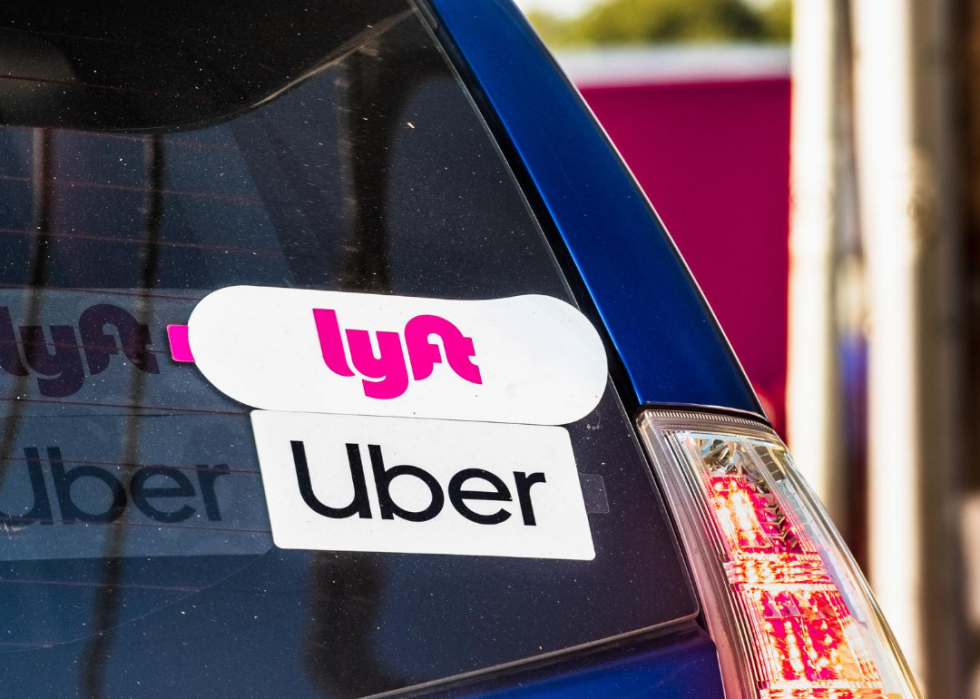
The $2 trillion relief package helps states extend unemployment benefits to workers who don鈥檛 usually qualify鈥攍ike freelancers, ride-share drivers, and the self-employed鈥攁nd enhances compensation by up to $600 per week. It鈥檚 a lifeline to many workers who鈥檝e been suffering during the COVID-19 crisis.

Getting the money is a tricky process under normal circumstances, and now that states have been scrambling to offer the new federal benefits and serve a huge influx of recently unemployed people, everyone will need to be persistent to get the benefits to which they鈥檙e entitled.

To help laid-off workers navigate the unemployment system, looked at information from a variety of official sources, including federal and state labor departments; the Consumer Financial Protection Bureau; unemployment fact sheets; as well as third-party resources, like CNBC, Nolo, TurboTax, and Bench.

Click through to learn more about how unemployment works and what you may need to do to get benefits if you lose your job.


 

1 / 20
Tero Vesalainen // Shutterstock

Eligibility depends on how job is lost

Guidelines for unemployment insurance vary by state, but eligibility usually requires that you 鈥渁re of your own,鈥 according to the U.S. Department of Labor. This typically means you were laid off or furloughed from your last job. You may have trouble qualifying for unemployment benefits if you voluntarily quit your last job or you were fired for certain reasons, like or failing a drug test, according to Lisa Guerin of Nolo.

2 / 20
Schira // Shutterstock

Meeting work and earning requirements

To qualify for unemployment insurance in most states, individuals will need to meet certain criteria during their鈥攖ypically the most recent four of the previous five calendar quarters before filing a claim for benefits, according to the U.S. Department of Labor. Representatives at the state agencies that handle unemployment will determine if a person earned enough money and worked enough calendar quarters to receive unemployment insurance.

3 / 20
Tiko Aramyan // Shutterstock

Appeal denied benefits

State unemployment insurance programs have many reasons they may disqualify applicants from receiving benefits, such as if they decide a person hasn鈥檛 been actively seeking work, didn鈥檛 have a 鈥済ood cause鈥 for leaving a job, or lied to receive benefits. Those who are denied benefits have the to the state鈥檚 decision within a certain period of time.

4 / 20
WAYHOME Studio // Shutterstock

Don鈥檛 delay application for unemployment insurance

The U.S. Department of Labor recommends that workers as soon as possible after their jobs end. It may take two or three weeks after submitting an application before benefits are received.

5 / 20
fizkes // Shutterstock

Most states allow phone or online claim

Most, if not all states allow applicants to submit an unemployment claim by phone or online, according to the U.S. Department of Labor. In-person applications, while usually available, may be suspended in some states due to the pandemic. Check the U.S. Department of Labor鈥檚 list of in every state for local contact info.


6 / 20
Prostock-studio // Shutterstock

Self-employed workers and independent contractors may qualify

The federal allows states to offer unemployment insurance benefits to people who don鈥檛 usually qualify, such as self-employed workers, independent contractors, and gig workers. Availability of these extended benefits varies by state, so check with your state鈥檚 program for details.

7 / 20
Alexskopje // Shutterstock

Read the unemployment handbook

States typically send people who submit unemployment insurance claims a detailed handbook, either in the mail or online. It includes information on certifying for benefits, rights and responsibilities while receiving compensation, how to stay eligible for the program, and ways benefits may be lost.


8 / 20
StockImageFactory // Shutterstock

Provide complete and correct information

The unemployment insurance application typically asks for a variety of information related to previous employment, including the address of the last workplace and the dates worked there. Submitting an incomplete or inaccurate application might lead to delays in a claim, so be as accurate as possible.

9 / 20
Douglas Sacha // Shutterstock

Weekly benefits vary from $213 to $555 across the country

The in the United States is $378, according to 2019 data from the U.S. Department of Labor analyzed by Greg Iacurci of CNBC. The actual amount paid on each claim varies significantly from state to state. Mississippi, for example, pays a weekly average of $213, while Massachusetts pays $555 each week. How much an individual gets from unemployment insurance will depend on the wages earned in the base period and the state that鈥檚 providing the benefits.

10 / 20
Akifyeva S // Shutterstock

Duration of benefits differs state to state

How long individuals can receive unemployment benefits depends on where they live. Most states will pay unemployment claims for, but some, like Florida and North Carolina, put a 12-week ceiling on benefits, according to Greg Iacurci of CNBC.

11 / 20
Tada Images // Shutterstock

The CARES Act expands unemployment pay and duration

To help workers deal with the economic challenges of the pandemic, the federal government passed the CARES Act to. It increased unemployment benefits by up to $600 per week for a maximum of 39 weeks. At the time of publishing, the expanded benefits were set to end by July 31.


12 / 20
tuthelens // Shutterstock

Choose from a debit card, direct deposit, or check

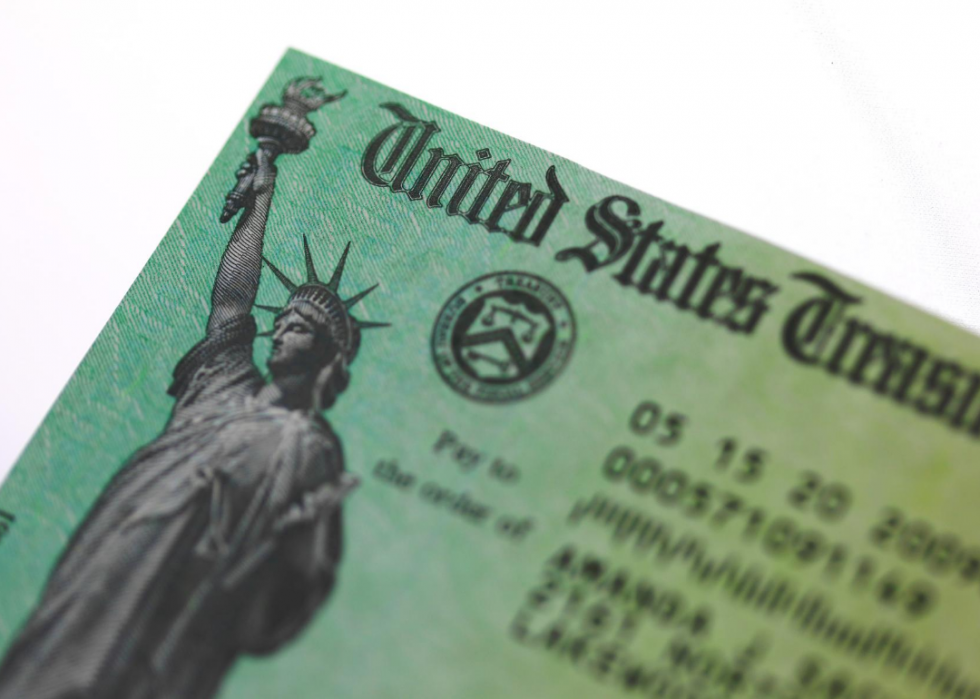
Applicants can usually choose how they鈥檇 like to, according to Sangeetha Malaiyandi of the Consumer Financial Protection Bureau. Most states allow recipients to receive the money through a direct deposit into their bank accounts or on a state-issued prepaid debit card, which will get topped up every week they鈥檙e eligible for benefits. Some states also offer unemployment benefits by paper check upon request.

13 / 20
D. Pimborough // Shutterstock

Taxes due on unemployment benefits

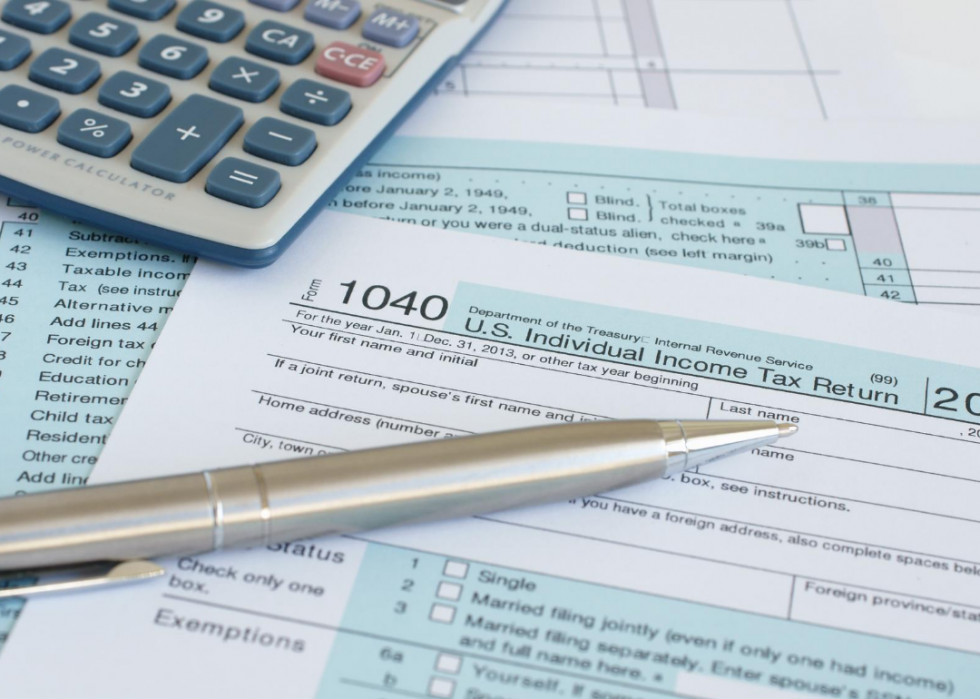
While there aren鈥檛 restrictions on how the unemployment money is spent, federal taxes and potentially state taxes will need to be paid on any benefits received. If individuals don鈥檛 want to get a hefty tax bill next year, they can request that the government withhold taxes from their benefits by filling out.

14 / 20
fizkes // Shutterstock

Certify eligibility for benefits every week

After applicants have been approved for unemployment insurance, they typically must certify eligibility with their state鈥檚 unemployment benefits program every week, or biweekly, depending on the state, to continue receiving payment. Certification forms, which can usually be filled out online or via phone, ask a series of questions about the previous week, such as how many hours worked, if any; how much money was earned, if any; whether applicants were available and willing to work; and whether they received other compensation such as sick time.

15 / 20
Rawpixel.com // Shutterstock

Work search requirement may be waived during the pandemic

States usually require people receiving unemployment benefits to actively search for a new job and keep a work search record of the places they鈥檝e applied. Some states, including,,, and, have loosened that requirement or waived it entirely during the COVID-19 pandemic.

16 / 20
fizkes // Shutterstock

Unemployment benefits stop if asked to work

Workers who were furloughed during the pandemic will usually stop receiving unemployment benefits if their place of employment reopens and asks them to return. Getting called back to work counts as and thus disqualifies individuals from receiving unemployment pay in most cases, according to the U.S. Department of Labor.


17 / 20
Andrey_Popov // Shutterstock

PPP loan may end unemployment benefits

People may lose the expanded unemployment benefits they receive through their state and the CARES Act if their previous employer receives a forgivable loan from the Paycheck Protection Program and reinstates part, or all, of their paycheck. Depending on their wages, they may receive less money than they do on unemployment benefits if their employer participates in this program.

18 / 20
Sundry Photography // Shutterstock

Independent contractors can鈥檛 get PPP and unemployment

Qualified gig workers, independent contractors, and self-employed people who have been disrupted by the pandemic may be able to receive a forgivable loan of an amount equivalent to 2.5 times their monthly pay through the Paycheck Protection Program. However, they and PPP at the same time, according to Erica Gellerman of Bench. They鈥檒l need to crunch the numbers to see which one will get them the most money before choosing a program.

19 / 20
Rawpixel.com // Shutterstock

Expect long wait times and glitchy websites

Many state unemployment programs buckled under the incredible demand from new applicants during the pandemic. Applicants have reported wait times on unemployment hotlines that and glitchy websites that are unavailable for hours on end, according to Colin Lecher and Mia Sato of The Markup.

20 / 20
Lisa-S // Shutterstock

Year-end unemployment earnings statement on its way

Early next year, states will send out, which includes the total amount of unemployment compensation received, as well as the federal and state tax withheld, if any, according to TurboTax. Use this form to report the money received from unemployment benefits when filing your federal tax return.

Trending Now