Glacier National Park is losing its glaciers: How climate change has affected Montana
Glacier National Park is losing its glaciers: How climate change has affected Montana
The latest United Nations is yet another reminder of the dire effects of climate change. While climate projections often look to the future when discussing the worst impacts of climate change, we are in fact already experiencing its effects across the United States. To better understand how climate change is impacting the country, 麻豆原创 compiled a list of the impacts of climate change in every state, using local and national news stories, government reports, and scientific journal articles.
While these impacts are weather-related鈥攆or example, heat waves, droughts, or storms鈥� on their own. Rather, it is when these events are seen within larger trends that they can be understood as part of a pattern that has come out of the changing climate.
Keep reading to learn about how your state has been impacted by climate change, or read the national story here.
Montana: Glacier National Park is losing its glaciers
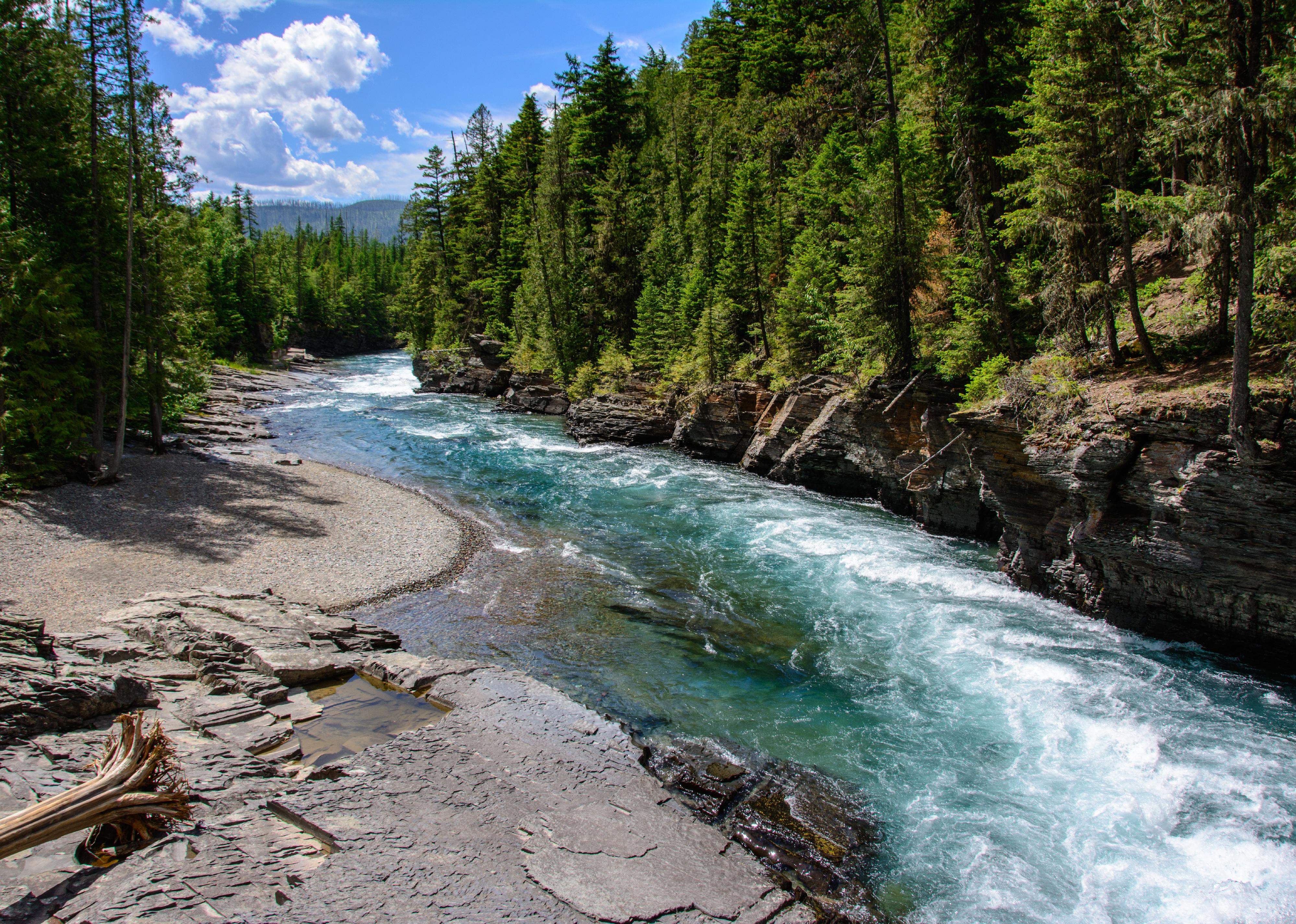
Montana's Glacier National Park is famous for its beauty, and of course, for its glaciers. However, due to warming temperatures, the park is losing its glaciers鈥攁nd fast. Right now, the park has 25 glaciers remaining, a stark contrast from the 150 that existed there in the late 1800s. And the numbers will continue to drop, as scientists predict that the park's glaciers could completely disappear within the .
Across the country, there are trends of rising temperatures, storms of increasing frequency and severity, and more erratic precipitation patterns, causing disruptions to the food systems and sometimes even resulting in death. While the U.S. government has set a target to reduce greenhouse gas emissions by at least , it is clear that the climate emergency is already taking place, and along with emissions reductions, mitigation of the impacts of climate change must be prioritized as well.
Read below to see how other states in your region have been affected by climate change.
South Dakota: Flooded farms
Like so many states, because of climate change, South Dakota is simultaneously facing not enough and too much water. The state experiences drought, but it is also experiencing heavier rainfall at times, which is generally uncommon in the state. In September 2019, between fell throughout the state in a 48-hour period, causing severe flooding. The flooding is especially concerning to farmers because, in 2019, the Department of Agriculture reported that weather conditions prevented the use of 4 million acres of farmland.
Wyoming: Increased droughts
As of the summer of 2021, Wyoming was in a multi-year drought that was the since 2013. And 2020 was Wyoming's fifth-driest and 16th warmest summer since 1895. Wyoming is expected to see a 40% increase in the severity of widespread drought. The result of these worsening droughts will be more wildfires and more stress for farmers, ranchers, and wildlife.