This story originally appeared on Giggster and was produced and distributed in partnership with Â鶹ԭ´´ Studio.
15 of the best production designers in film history
When thinking of the visionaries behind some of the greatest films ever made, many people would likely envision their favorite directors, auteurs who have made an indelible mark on viewers through a uniquely cinematic combination of story, emotionality, and style. Others may imagine cinematographers, through whose lens and framing movies are mediated. But the monumental and often imperceptible undertaking of a film’s world building belongs to the production designer, who works closely with the director and cinematographer to bring the film’s look to life.
Whether designing a historically accurate period piece or quite literally building a world that does not exist, it’s the production designer’s keen eye that makes a film feel immersive and believable to the viewer, evoking the mood of the film visually, while not drawing away from the characters and story. From designing set pieces and scouting locations to selecting color schemes and styling spaces, the production designer plays an integral role in making the world of movies one that viewers can always fall into.
The production designer has not always been open to everyone, however. Similar to many other behind-the-scenes roles, including director and cinematographer, production designers have historically skewed disproportionately white and male. Even as recently as 2020, in the Art Directors Guild (this number is across film and television). And the numbers are far worse for women of color: Female production designers of color of those behind the 265 top-grossing films released between 2016 and 2018, according to a 2019 USC Annenberg Inclusion Initiative study.
To shed light on the underappreciated but hugely important contributions of production designers, looked into the history of film production design and chose 15 of the most accomplished production designers behind some of cinema’s most imaginative works.

Hannah Beachler
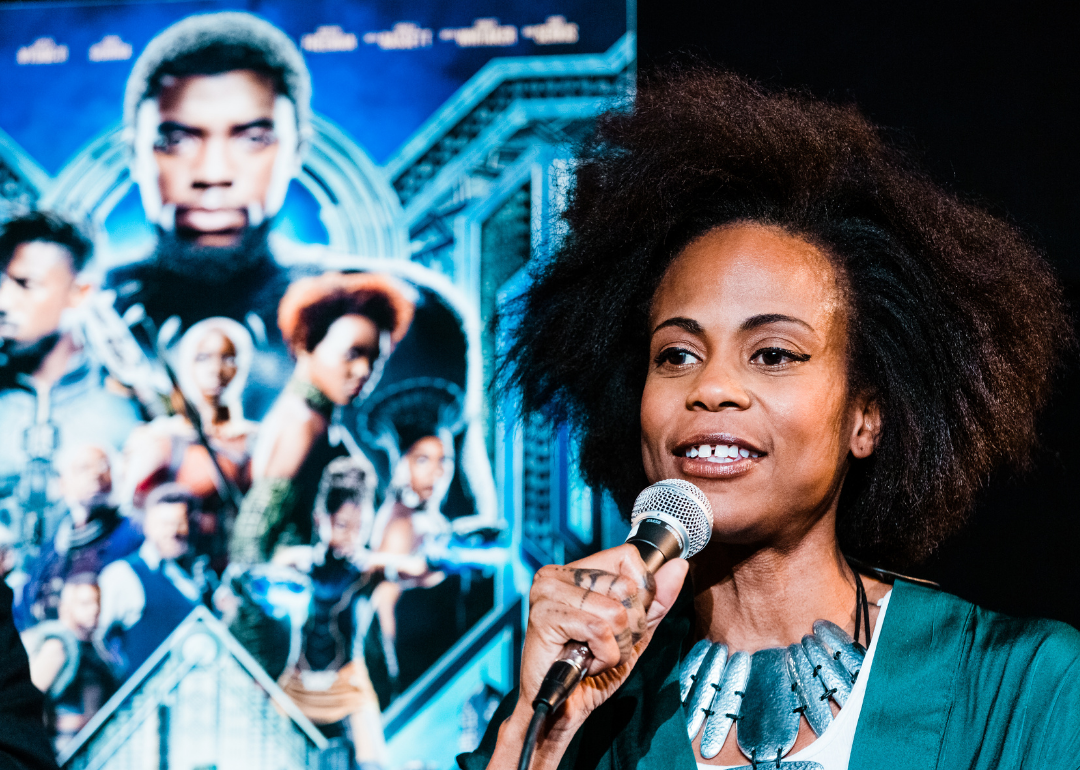
Hannah Beachler is the visionary production designer behind “Creed,” Beyoncé’s visual album “Lemonade,” and Academy Award-winning films “Moonlight” and “Black Panther.” Beachler studied fashion design and film, intending to pursue a . She soon realized, however, that her talents lay in art direction and creating the visual worlds of films. She began working on a friend’s horror films and eventually worked her way up. Starting with the 2013 film “Fruitvale Station,” which won the Grand Jury Prize for Best Film at Sundance, Beachler has worked closely with director Ryan Coogler. She famously into a seedy Philadelphia gym in “Creed,” bringing to life Coogler’s legendary inside the boxing ring.
Beachler’s ability to adapt cinematic worlds for the screen was perhaps most explicit in her work on “Black Panther,” during which she created a for the production design of Wakanda. The result of her endeavor—a sprawling, Afrofuturistic city with a richly invented history and storefronts that made real food and drink—earned Beachler an Oscar for Best Production Design, making her the first Black person to win the award and the first Black person to ever be nominated in the category.
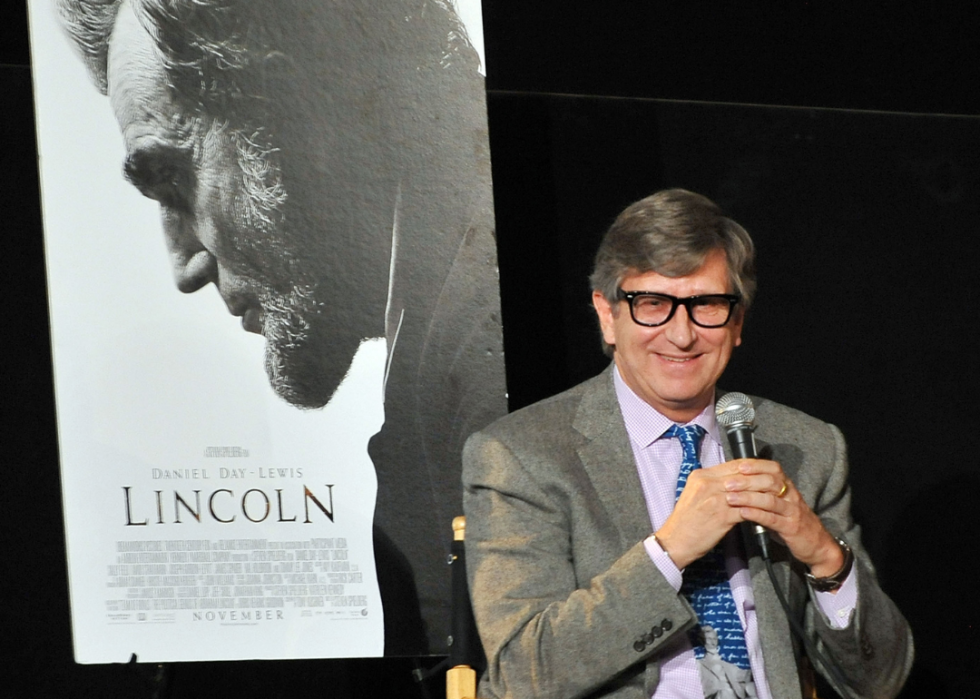
Rick Carter
Prolific Steven Spielberg collaborator Rick Carter helped manifest the worlds of “Jurassic Park” and its sequel “The Lost World: Jurassic Park,” “Forrest Gump,” “Back to the Future Part II” and “Back to the Future Part III,” and “Avatar,” among countless others. Carter came into production design from a , an art practice he still uses to conceptualize cinematic worlds at the beginning of a new project. His has also aided his ability to create grand, often fantastical landscapes. When beginning work on “Jurassic Park,” for instance, he visited the in Jerusalem, trying to gain insight into spaces where past and present converge. He has described his role as production designer as more than merely deciding what things look like, but also what they feel like, to “create a spirit of place.” Carter took home an Academy Award for Best Production Design in 2009 for his work on James Cameron’s “Avatar,” as well as for Spielberg’s 2012 biopic, “Lincoln.”
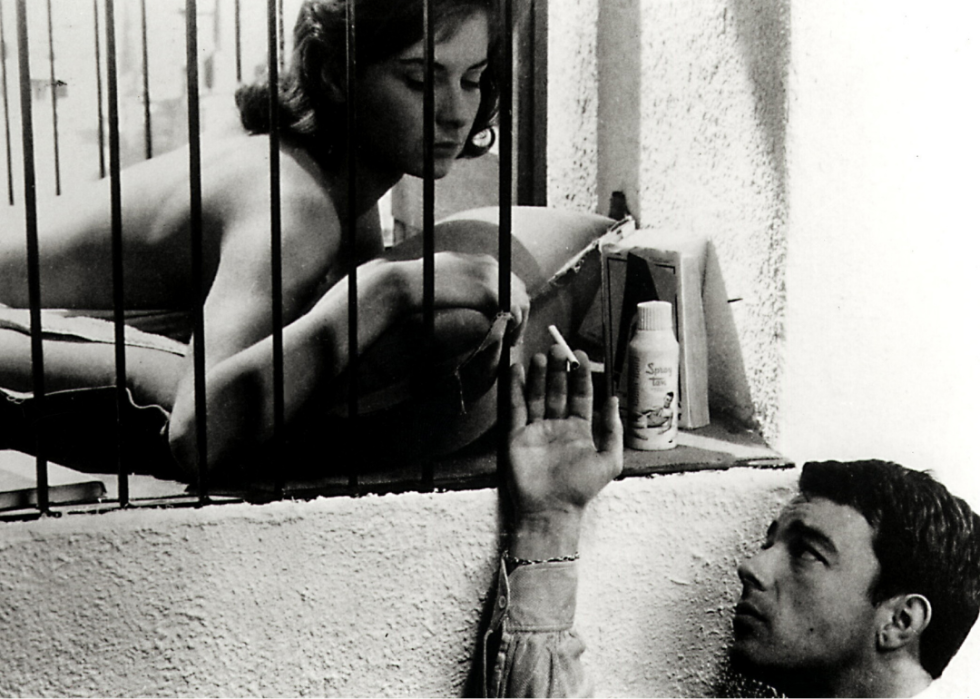
Bernard Evein
French production designer Bernard Evein created the production designs for New Wave legends like Agnès Varda, Jean-Luc Godard, and François Truffaut, and is partly responsible for . He worked on Claude Chabrol’s “Les Cousins” and “A Double Tour” and Godard’s first color film, 1961’s “A Woman Is a Woman.” Perhaps most famously, he designed the brightly saturated sets of Jacques Demy’s 1960s musical films, “The Umbrellas of Cherbourg” and “The Young Girls of Rochefort,” as well as Demy’s first film, “Lola.” Evein also designed Truffaut’s debut film, “The 400 Blows,” considered one of the most quintessential films of the New Wave.
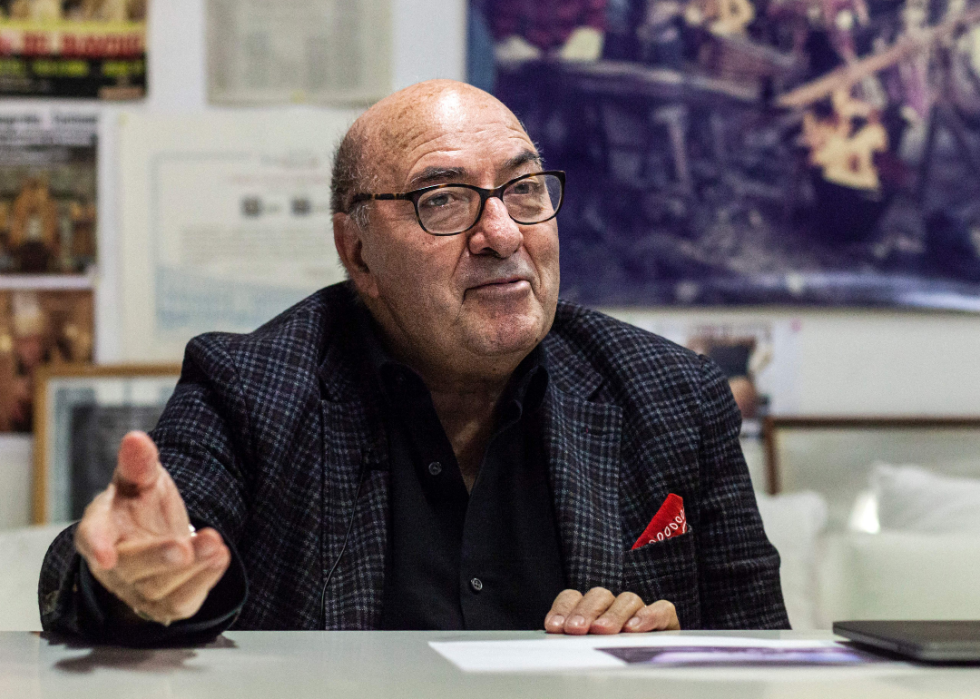
Dante Ferretti
Italian production designer Dante Ferretti’s career has spanned over five decades and nearly 70 films. He worked with Italian auteurs Pier Paolo Pasolini (“The Gospel According to St. Matthew”) and Federico Fellini (“La Dolce Vita”), and has collaborated with Martin Scorsese on several projects, including “Gangs of New York,” “Shutter Island,” “The Aviator,” and “Hugo.” He also frequently works with his wife, Francesca Lo Schiavo, an acclaimed set decorator. Ferretti is an acclaimed costume designer and sometimes serves as on the same film, as he did for Scorsese’s 2016 historical drama, “Silence.”
When talking about how he approaches production design, Ferretti said creating the world of a film is akin to building “,” which often involves using set pieces or objects as metaphors that distill the meaning and aesthetic of the film. Ferretti, along with Lo Schiavo, has won three Oscars for Best Art Direction, for his work on “The Aviator,” “Sweeney Todd: The Demon Barber of Fleet Street,” and “Hugo.”
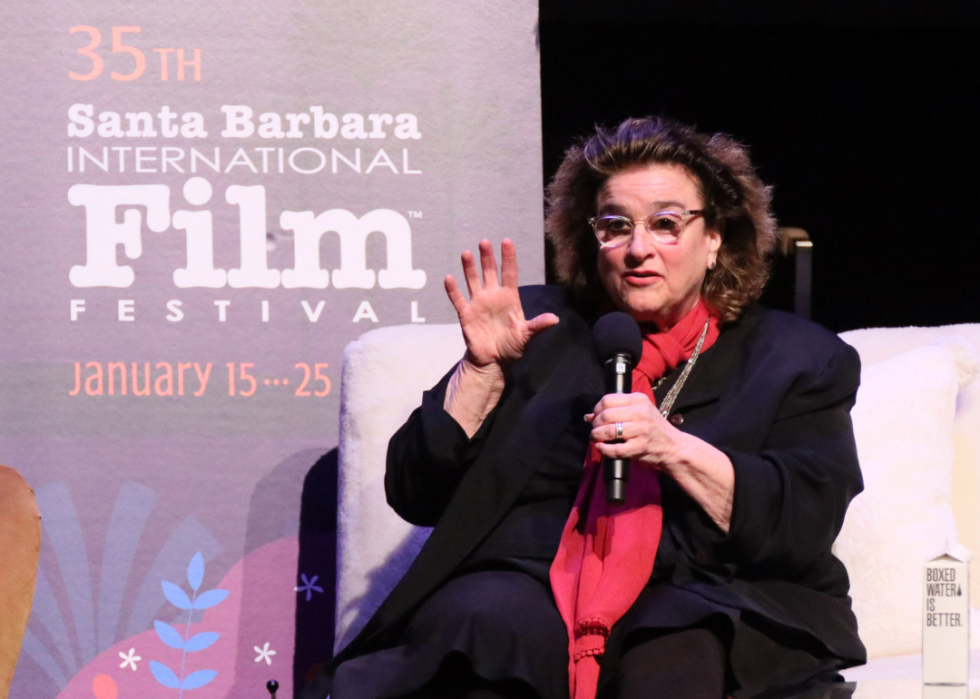
Barbara Ling
Barbara Ling got her start designing Pee-wee Herman and David Byrne’s stage shows, before going on to do the production design for “Fried Green Tomatoes,” “Batman Forever,” and “Batman & Robin.” But it wasn’t until her work on Quentin Tarantino’s “Once Upon a Time... In Hollywood” in 2019 that Ling won an Oscar for Best Production Design. Her approach to designing “Once Upon a Time…” was not so much to exactly replicate 1969 Los Angeles but to capture and to evoke a sense of romantic nostalgia for a version of the city that no longer exists. Ling’s earlier style played on excess and veered into campiness in and director Joel Schumacher’s aforementioned two “Batman” movies.
Catherine Martin
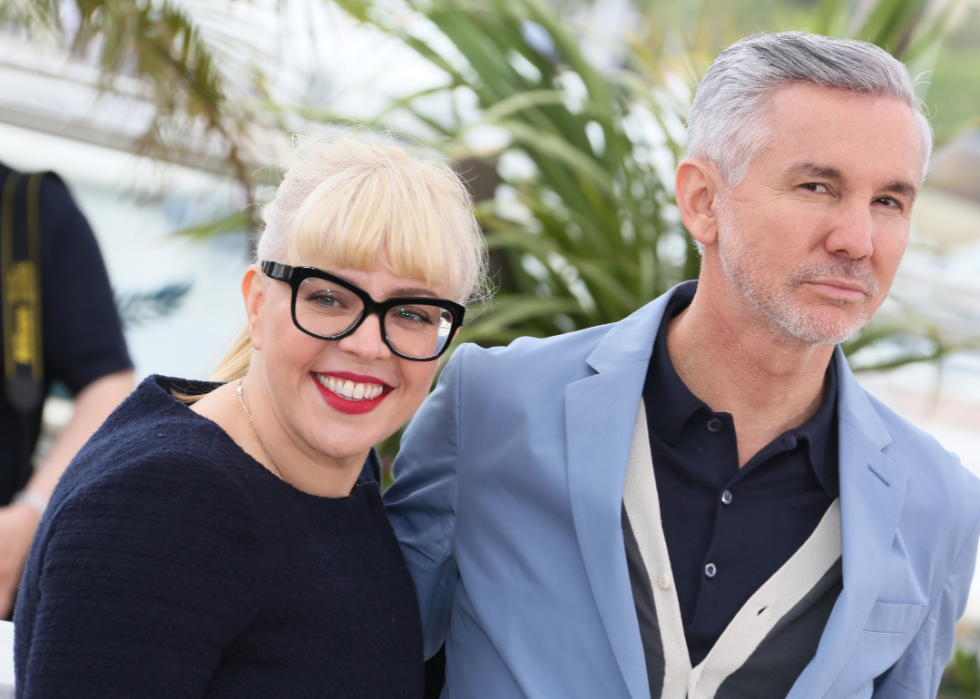
Catherine Martin is the creative and pragmatic force responsible for bringing her director husband Baz Luhrmann’s colorful ideas to life. The two in Sydney, Australia, and swiftly became collaborators, with Martin designing both the production and costumes for Luhrmann’s projects. Their films—the iconic 1996 Claire Danes and Leonardo DiCaprio adaptation of “Romeo + Juliet,” the 2013 adaptation of “The Great Gatsby,” and “Moulin Rouge!”—are and sometimes aesthetically wacky. Martin won Academy Awards for both Best Production Design and Best Costume Design for her work on “Moulin Rouge!” and “The Great Gatsby,” making her in history.
Ina Mayhew
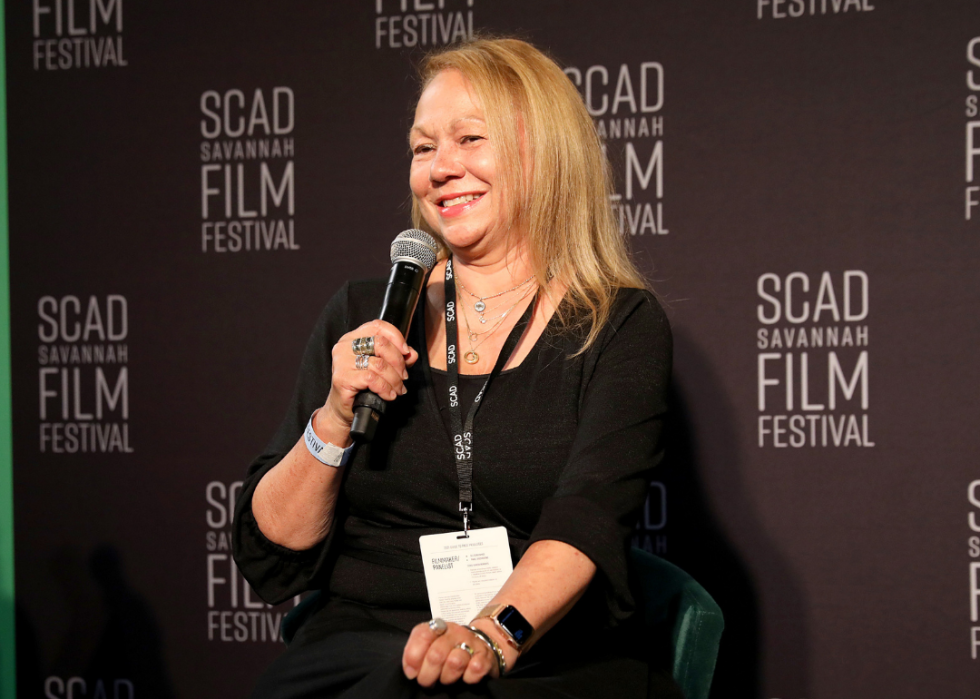
Best known for her collaborations with Spike Lee and Tyler Perry, Ina Mayhew most recently worked as the production designer for “Respect,” the 2021 Aretha Franklin biopic starring Jennifer Hudson. Mayhew studied costume design in college but had always been passionate about set design and building, and still often on film sets to make sure her vision comes to fruition. She has also worked on music videos, helming the production design team for the Ava DuVernay-directed Jay-Z and Beyoncé video “Family Feud.” Mayhew describes as trying to determine where and when the characters are from, as well as “the essence of their lives and physical objects.” She also thinks about the mood and emotionality of the project in terms of interiors and colors.
Patricia Norris
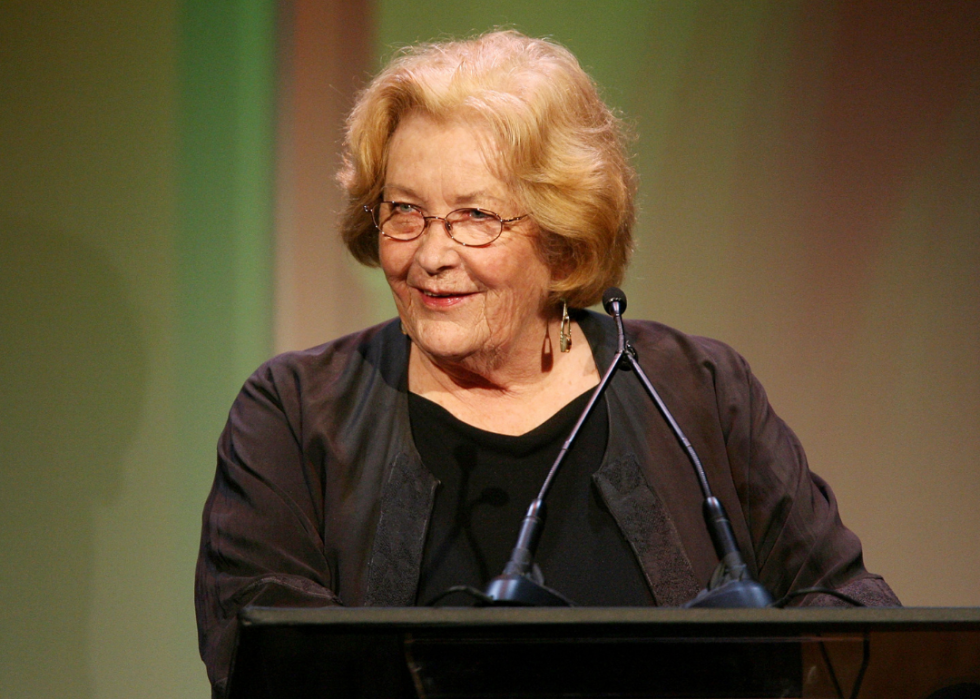
Patricia Norris was a , having worked alongside him as both a production and costume designer. Their working relationship began early in Lynch’s career, with 1980’s “The Elephant Man,” for which Norris was the costume designer. From there, she worked on almost all of Lynch’s other projects, including 1986’s “Blue Velvet”—Norris’s first foray into production design—as well as the pilot episode of “Twin Peaks,” which won her a Primetime Emmy Award for Outstanding Costume Design for a Series. Lynch said in that Norris “set the look of ‘Twin Peaks’ … She’s sort of perfect at everything she does.” Norris also for her costume design work on Steve McQueen’s “12 Years a Slave.” She made history as the only person to receive lifetime achievement awards from both the Art Directors Guild and the Costume Designers Guild. Norris died in 2015 at the age of 83.
Jeannine Oppewall
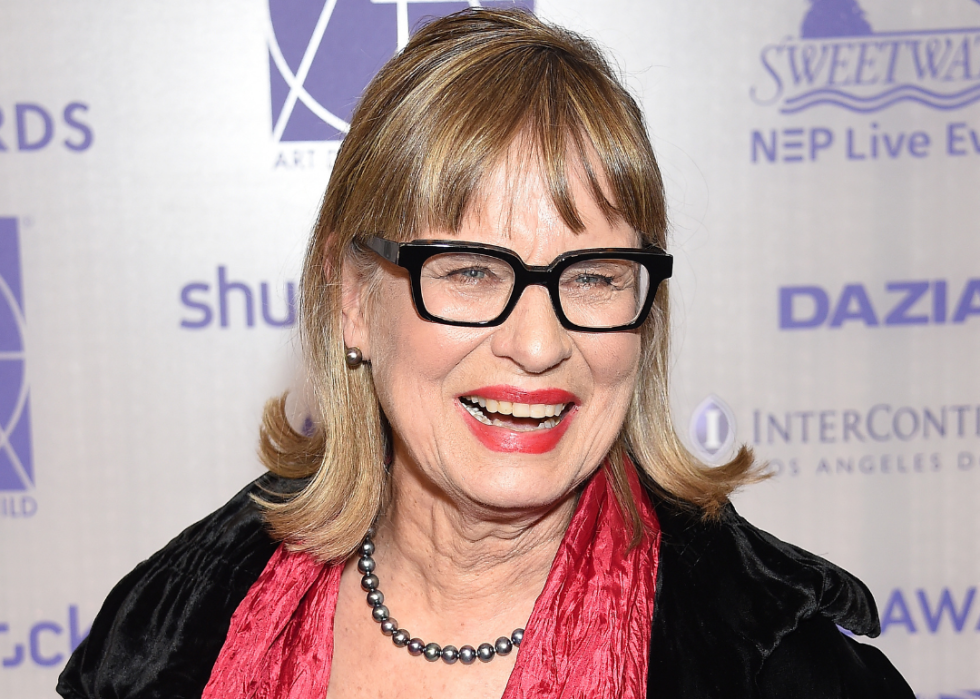
Celebrated for her work on “L.A. Confidential,” “Pleasantville,” and “Seabiscuit,” among many others, Jeannine Oppewall came to production design from an unconventional path. After and working for iconic modernist American furniture designer Charles Eames for many years, Oppewall broke into the film industry with her then-husband, director Paul Schrader. After their divorce, she began work as a production designer, creating the wildly different worlds of films like “Desert Hearts,” “Ironweed,” and Clint Eastwood’s 1995 romantic drama “The Bridges of Madison County.” Oppewall’s sets are known for their , fooling many—even cast members—into believing they are not in fact sets but authentic structures.
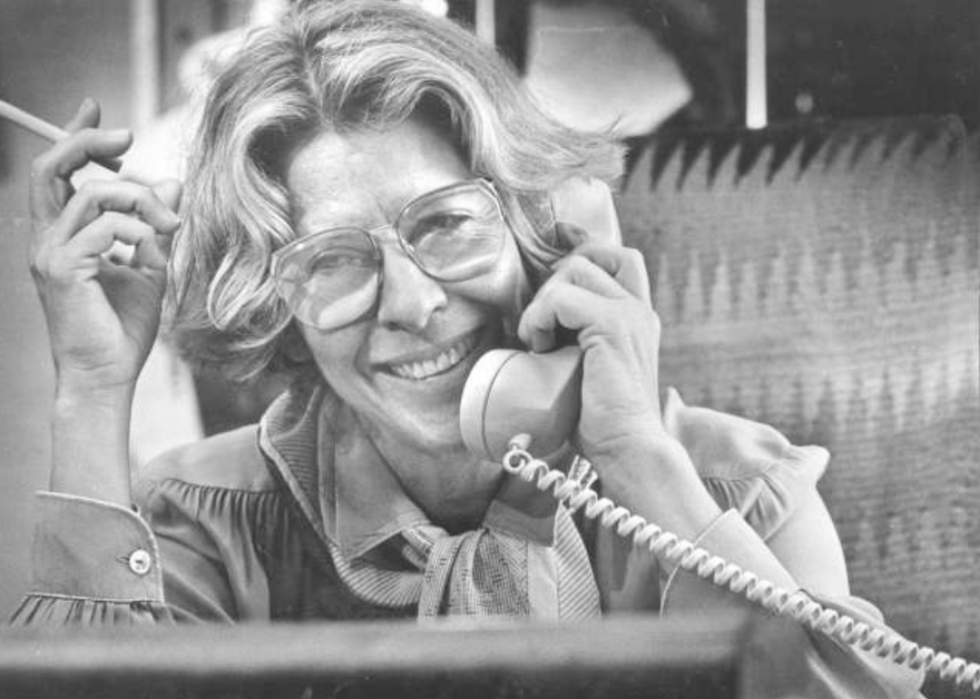
Polly Platt
Mary Marr “Polly” Platt wore many hats in the film industry: producer, screenwriter, mentor (both credited and uncredited), and production designer. Many believe she was responsible for —she mentored him and co-produced his first film, “Bottle Rocket”—and she is widely credited with connecting Matt Groening and James L. Brooks, who went on to create “The Simpsons.” Though often publicly overshadowed in life by her then-husband, director Peter Bogdanovich, Platt’s contributions to production design and to the industry more generally are countless. Working on Bogdanovich’s films, she served as production designer for 1971’s “The Last Picture Show” and 1973’s “Paper Moon.” She also served as production designer on Brooks’ “Terms of Endearment” and the 1976 Barbra Streisand version of “A Star Is Born.” Platt was the to become a member of the Art Directors Guild.
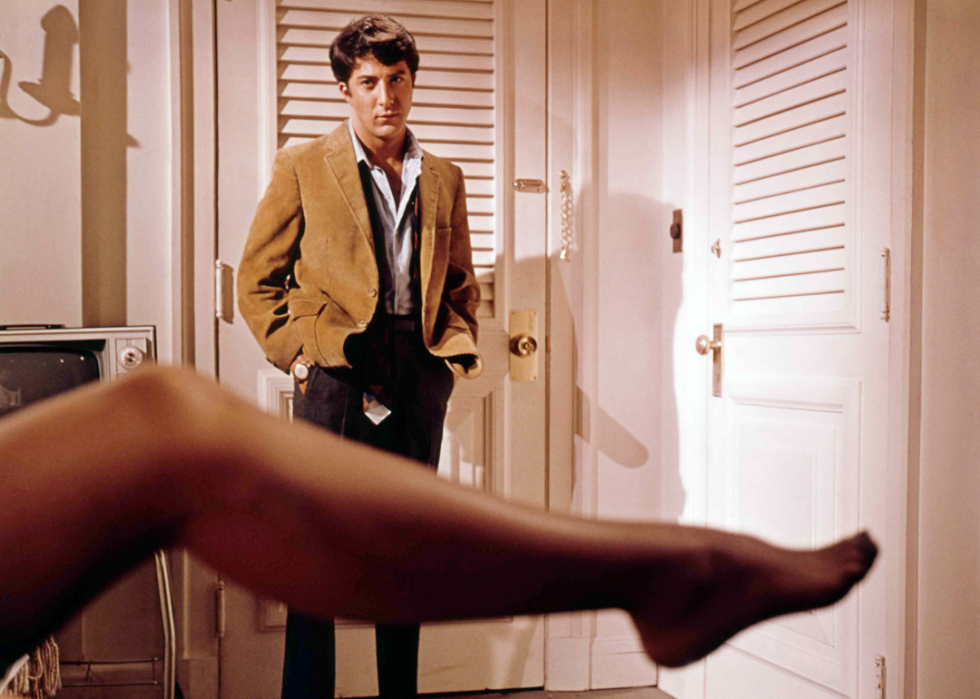
Richard Sylbert
Richard Sylbert is the brain behind the production design of such classics of the 1960s as “Who’s Afraid of Virginia Woolf,” “The Graduate,” and “Rosemary’s Baby,” as well as 1974’s “Chinatown.” Sylbert , but he quickly transitioned into set design for television, and then films. He did the production design for legendary filmmakers like Elia Kazan, Mike Nichols, Sidney Lumet, John Frankenheimer, Brian De Palma, and Francis Ford Coppola, and became known for creating sets that conveyed a strong sense of mood. He also developed the to communicate the theme and message of the film aesthetically, and innovated creative set solutions, like a hidden elevator shaft for a multi-story continuous shot in “The Graduate,” and the use of bolts rather than nails for easy set rearranging in “Rosemary’s Baby.”
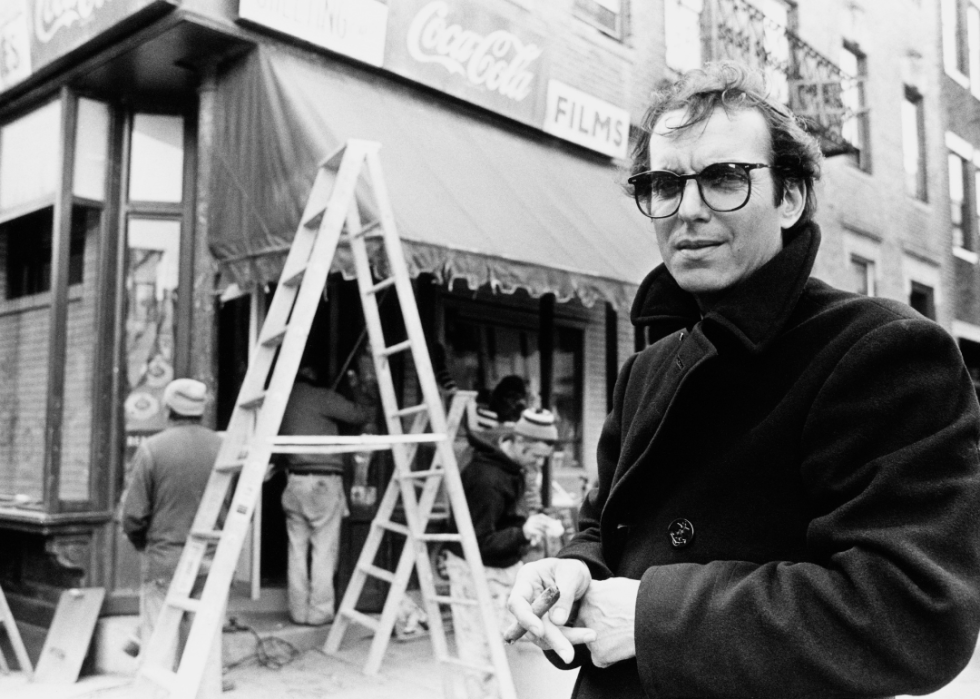
Dean Tavoularis
Dean Tavoularis studied art and architecture before in the ’50s. He went on to design the productions of Francis Ford Coppola’s “The Godfather” trilogy and “Apocalypse Now,” “Bonnie & Clyde,” and the 1998 Lindsay Lohan adaptation of “The Parent Trap,” among many others. But his decades-long partnership with Coppola was his most prolific and acclaimed. In a , Coppola said their collaboration was “natural and wordless,” and that Tavoularis had an ability to create designs for a wide range of films set in markedly different worlds. He won the Academy Award for Best Art Direction for his work on “The Godfather: Part II.”
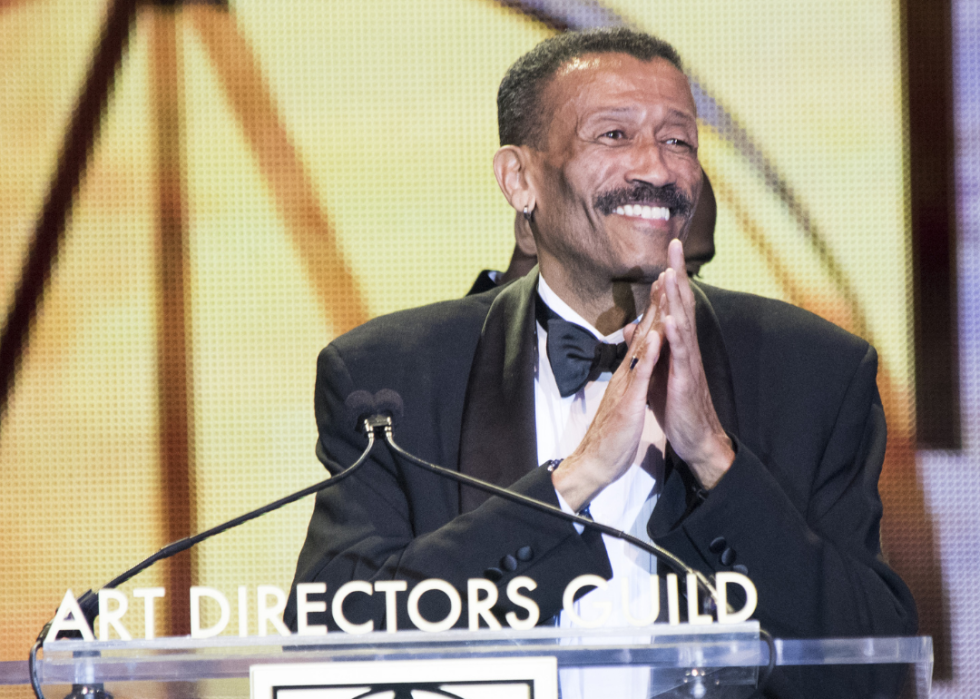
Wynn Thomas
Recognized as the to work on Hollywood films, Wynn Thomas has had a storied career. Thomas designed the productions of such Spike Lee classics as “Malcolm X,” “She’s Gotta Have It,” and “Do the Right Thing,” as well as Ron Howard’s “A Beautiful Mind,” and Tim Burton’s “Mars Attacks!” In recent years, Thomas designed such critically acclaimed films as 2020’s “Da 5 Bloods” (another Lee joint) and 2021’s “King Richard.” But Thomas did not originally have the film industry on his radar; he was a self-described who worked on stage productions at New York’s Public Theatre and the Negro Ensemble Company. He eventually entered the film world by way of working with Richard Sylbert on the set of Francis Ford Coppola’s “The Cotton Club.” Thomas’ is demonstrated within three acts of one film, like “Malcolm X,” as much as it is between films as disparate as “The Odd Life of Timothy Green” and the 2019 Samuel L. Jackson remake of “Shaft.”
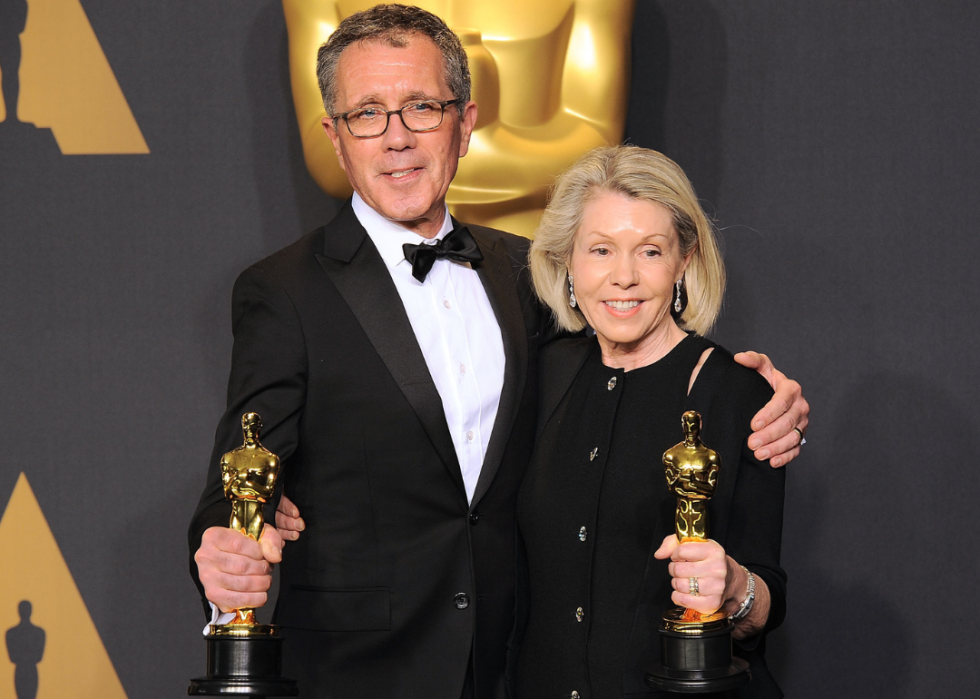
David Wasco
David Wasco, along with his wife and creative partner Sandy Reynolds-Wasco, an art director and set decorator, has lent his production design talents to films by Quentin Tarantino, Wes Anderson, and many others over more than three decades. Together, they designed many of Tarantino’s films, including “Pulp Fiction,” “Reservoir Dogs,” “Kill Bill” (volumes one and two), and “Inglourious Basterds,” as well as Anderson’s 1996 debut “Bottle Rocket,” “Rushmore,” and “The Royal Tenenbaums.” The Wascos also won the Oscar for Best Production Design for 2016’s “La La Land.” Their reputation for has been honed over years, and their process involves going through a script scene by scene to discuss the personalities, characters, and actions that drive the film before they begin to shape its aesthetic.
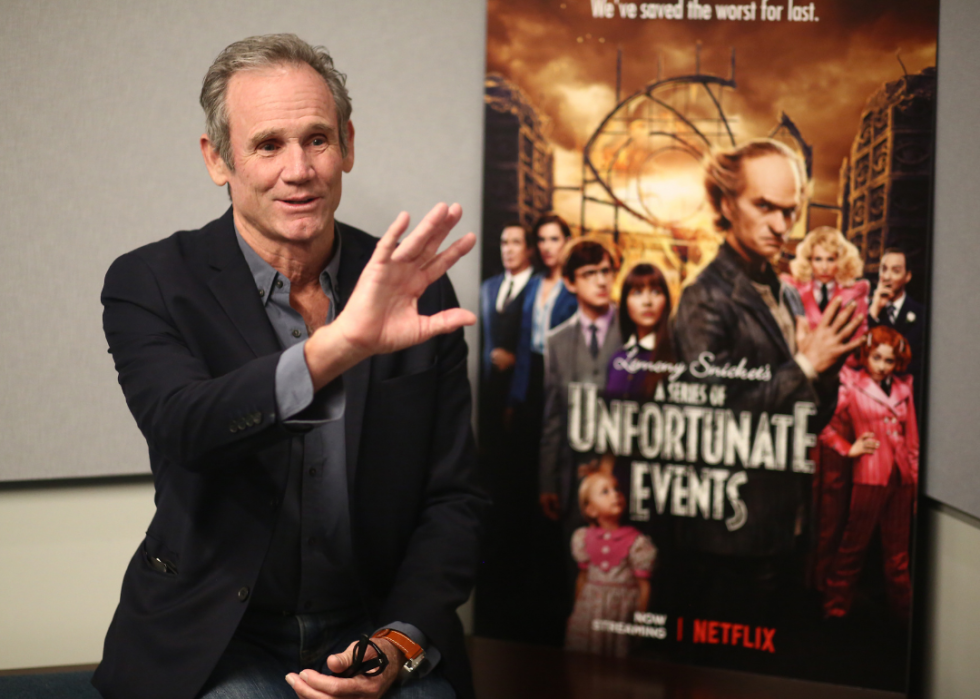
Bo Welch
Bo Welch is behind the production design of films as variegated as “Edward Scissorhands,” “Beetlejuice,” “Men in Black,” “The Color Purple,” and Marvel’s “Thor.” After transitioning from to set design, Welch regularly collaborated with Tim Burton, allowing the to come to life. Many of his designs involve creating friction or contrast between visual elements that will, when seen on screen together, foster a sense of disorientation in the viewer.
In “Edward Scissorhands,” for example, Burton and Welch worked together to craft the gothic, dreary look of Edward and his dilapidated mansion against the backdrop of pastel-colored suburbia. And in the Penguin’s sinisterness is meant to grate against the grandiosity of his underground lair, which Welch and Burton built, vaulted ceiling and all, on a 50-foot-high Universal soundstage.