20 iconic rock songs written on the spot
It turns out that you can rush perfection.
At least that was the case for the rock masterminds behind the Rolling Stones, the Police, and the Beatles, who all wrote some of their biggest hits on the spot. Some musical prodigies literally wrote hits in their sleep, like Keith Richards, Sting, and Paul McCartney. Other bangers emerged during practice sessions that turned fingerpicking riffs into songs that have endured throughout the decades like Kansas' 1977 soft rock hit "Dust in the Wind." Still others, like Fleetwood Mac's "Rumors," were written off the cuff during a time of personal turmoil, as noted in a 2025 article from Far Out Magazine.
Rock music, with its array of genres and ability to channel authentic emotions, is especially prime for spontaneous inspiration. Likewise, the most effective songwriting strategies vary widely: Guns N' Roses completed "Sweet Child O' Mine" in under a day, while "November Rain" reportedly took Axl Rose eight years to finish.
Of course, each moment of musical inspiration is preceded by countless hours of practice and discipline. But in briefly trusting a creative impulse鈥攁nd following where it leads鈥攖hese artists topped Billboard charts, won Grammys, and earned their footholds in the annals of rock history.
Consulting historical records, music charts, and magazine interviews, 麻豆原创 looked at 20 iconic rock songs written on the spot.
'(I Can't Get No) Satisfaction' by the Rolling Stones
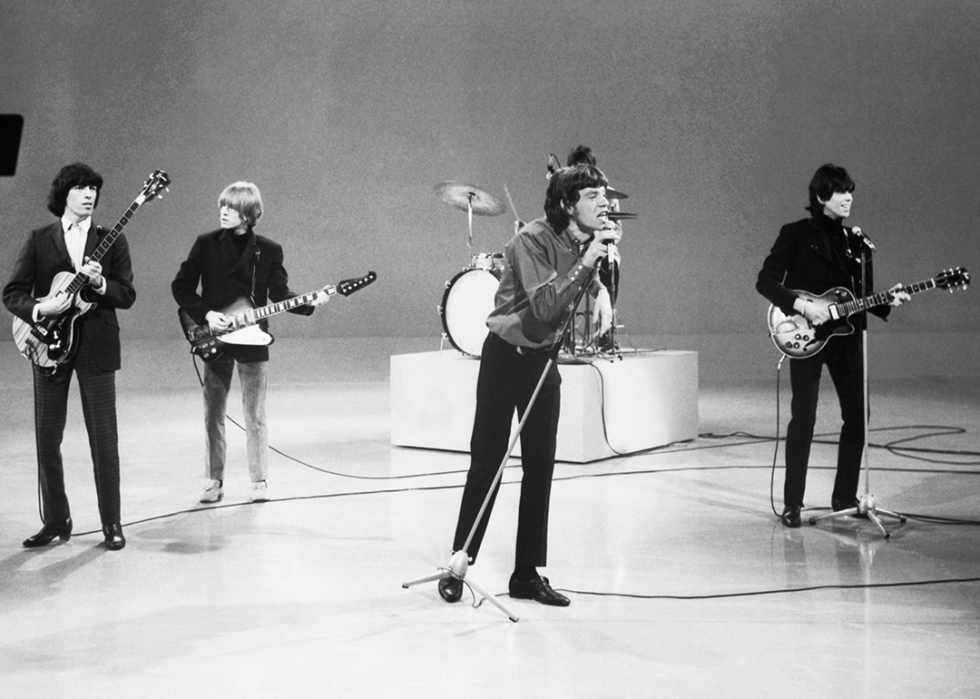
On May 7, 1965, Keith Richards laid the foundation for the Rolling Stones staple "(I Can't Get No) Satisfaction" in what would be one of the most lucrative naps of his life. The riff apparently came to Richards in his sleep, and he awoke to record it and the primary lyric ("can't get no satisfaction") into a cassette player, . ". I had no idea I'd written it," Richards wrote in his 2010 autobiography, "Life."
Mick Jagger later filled in the gaps to complete the song that became the band's first #1 hit, which spent four weeks atop the Billboard Hot 100 and 14 weeks total on the charts. The song has since been covered by various artists, from Otis Redding to Dolly Parton and Aretha Franklin. The song was added to the National Recording Registry in 2006.
'Yesterday' by the Beatles
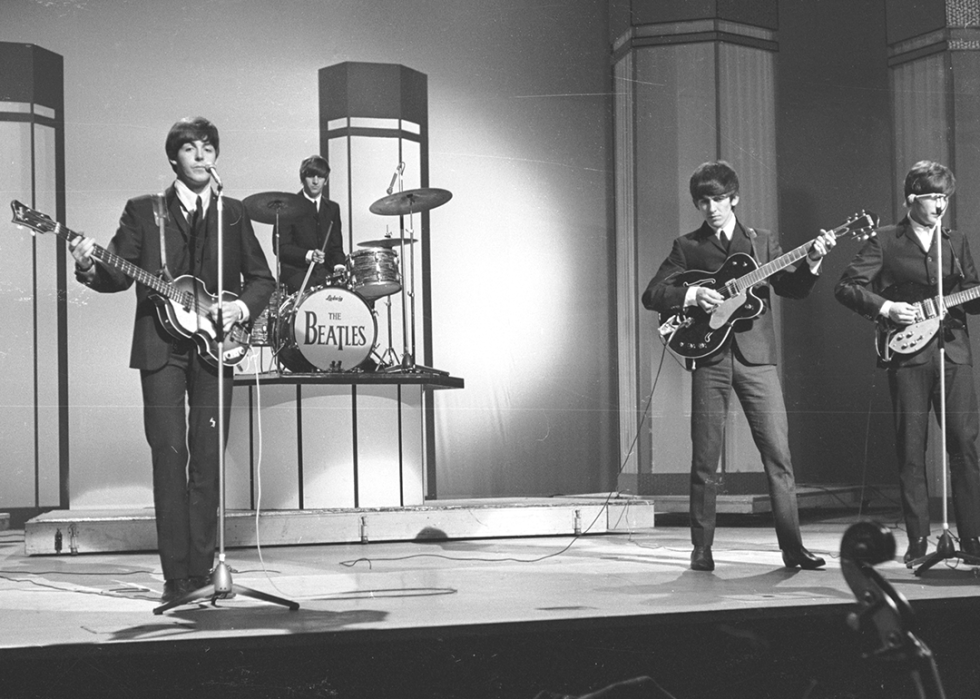
In one of the most covered songs ever, with , Paul McCartney laments the loss of a relationship, yearning for the day before he caused its demise. According to his 1997 biography, "Many Years From Now," the pop-rock song's melody came to him in a dream while sleeping in his attic room.
"," he wrote. "I thought, 'That's great, I wonder what that is? There was an upright piano next to me, to the right of the bed by the window." McCartney quickly worked out the tune on the keyboard and used the placeholder words "scrambled eggs" to solidify it in his memory.
The finalized version spent four weeks at the top of the Billboard Hot 100 and an additional seven weeks in lower positions on the chart. It was inducted into the Grammy Hall of Fame in 1997 and was ranked #3 on the BMI's "Top 100 Songs of the Century" in 1999.
'My Generation' by the Who
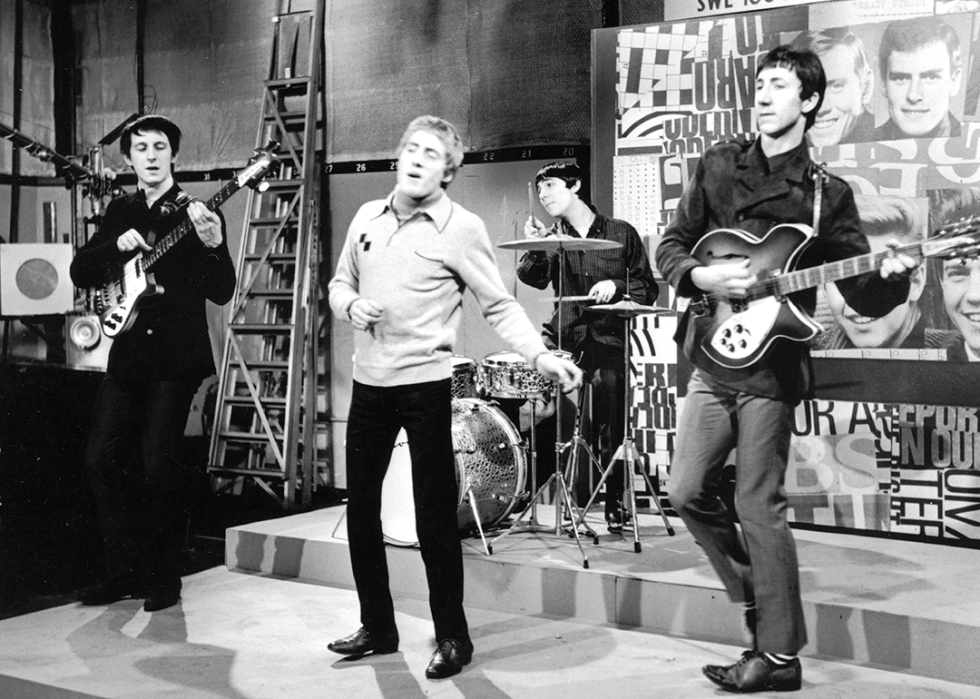
On Pete Townshend's birthday, May 19, 1965, Queen Elizabeth The Queen Mother had the musician's car towed because it was visible from Buckingham Palace and reminded her of her late husband's funeral.
In order to make a television guest appearance that same day, a frustrated Townshend supposedly had to take a train, on which the lyrics to "My Generation" while traveling from London to Southampton. The song peaked at #2 on the U.K.'s Official Singles Chart, #74 on the Billboard Hot 100, and was inducted into the Grammy Hall of Fame in 1999.
'I'll Feel a Whole Lot Better' by the Byrds
Songwriter and folk rock pioneer Gene Clark was inspired to pen this song in 1965 when prompted him to think: "I'm gonna to feel a whole lot better when you're gone." He expanded the concept to reflect uncertainty and ambivalence toward a romantic partner in a relationship on the demise, .
Though the track was released as a B-side, limiting its potential on the Billboard charts to the 103rd spot, it has since become a rock standard covered by many artists, including Tom Petty and grunge band Dinosaur Jr. It also ranked #232 on Rolling Stone's "500 Greatest Songs of All Time."
'White Rabbit' by Jefferson Airplane
Jefferson Airplane lead singer Grace Slick completed the song that introduced psychedelic rock to the world in on a broken upright piano with missing keys. Inspired by Lewis Carroll's "Alice's Adventures in Wonderland," "White Rabbit '' captures 1960s counterculture by exploring themes such as following one's curiosity, the search for an identity, and psychedelia.
The song peaked at #8 on the Billboard Hot 100 in 1967 and was certified double platinum in 2022 by the Recording Industry Association of America, representing 2 million units sold. The song also ranked #455 on Rolling Stone's "500 Greatest Songs of All Time."
'Fortunate Son' by Creedence Clearwater Revival
Released during the height of the Vietnam War in 1969, "Fortunate Son" criticizes politicians and other elite society members who support wartime drafts but hypocritically pull strings to avoid having their own children serve in the military. John Fogerty, Creedence Clearwater Revival's primary songwriter, in 1967 but narrowly avoided being deployed.
In his 2015 biography, also named "," Fogerty explains the song had been brewing in his head for years but came out within minutes when he put pen to paper. "'Fortunate Son' was written in 20 minutes, but darn few are like that," he wrote. "And I'd probably been thinking about everything that was in that song for three or four years."
The song peaked at #14 in the Billboard Hot 100 in 1969, came in at #227 on Rolling Stone's "500 Greatest Songs of All Time," and was added to the National Registry in 2014.
'American Woman' by The Guess Who
During a performance in Ontario, lead guitarist for Canadian band The Guess Who Randy Bachman 鈥攖o his eventual fortune. While restringing and tuning his guitar, Bachman . He then got each band member to join him back onstage for an impromptu jam session with singer Burton Cummings improvising lyrics, leading to the creation of "American Woman."
The song topped the Billboard charts for three weeks in 1970 and was covered by numerous artists, including a rendition by Lenny Kravitz that peaked at #49 on the Billboard Hot 100 in 1999.
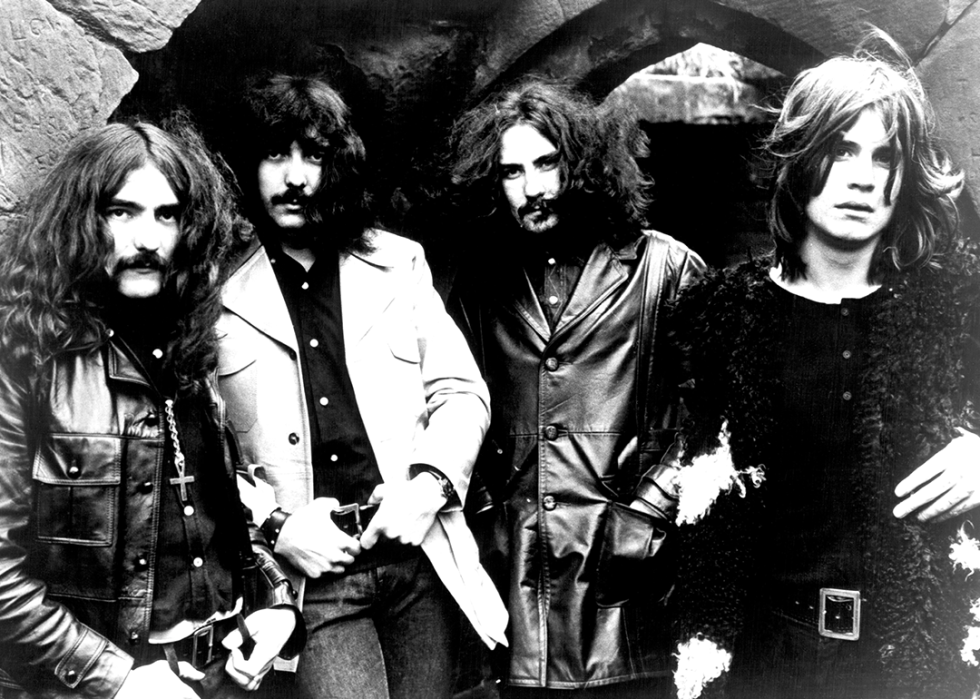
'Paranoid' by Black Sabbath
"Paranoid" was just an afterthought when Black Sabbath wrote it in 1970 to fill in empty space on their sophomore album. According to bassist Geezer Butler, the music took , with the entire song coming together in two hours.
The band's second album, named for the speedily written song, also includes "Iron Man" and "War Pigs," each with lyrics renowned for their rich symbolism. In contrast, the song "Paranoid" is in its account of the thought processes of a person struggling with paranoia. The song ranked #339 on Rolling Stone's "500 Greatest Songs of All Time."
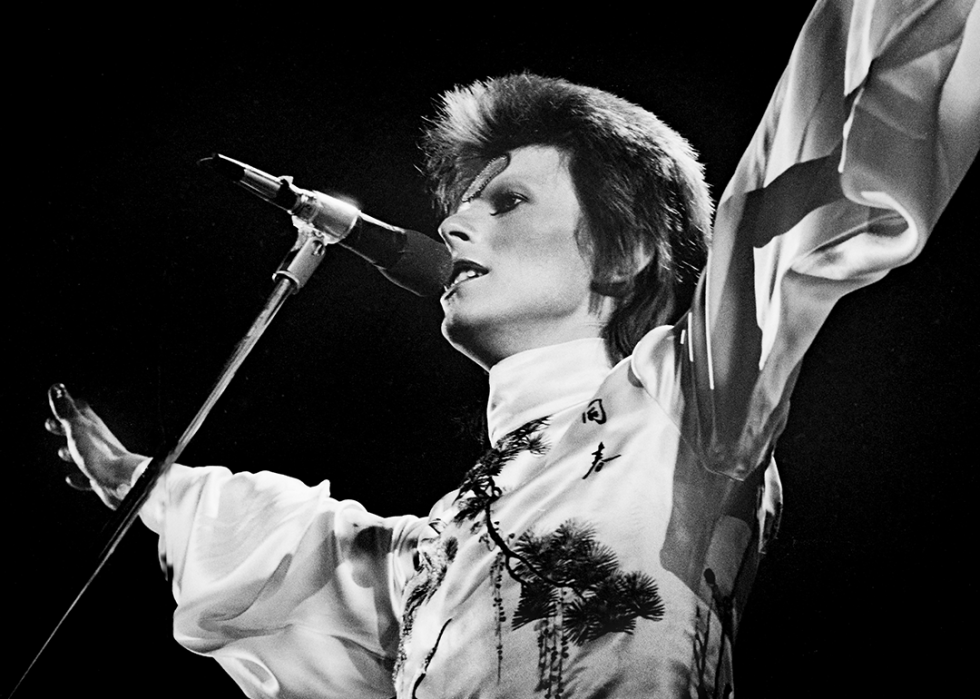
'Life on Mars?' by David Bowie
This 1971 glam rock ballad supposedly of Frank Sinatra's "My Way" but ended up perfectly capturing in David Bowie's Ziggy Stardust work, such as space and science fiction.
, Bowie explained that the concept and tune simply became stuck in his head while on a bus ride to Lewisham. Two stops into the ride, he jumped off the bus to write it down. "I started working it out on the piano and had the whole lyric and melody finished by late afternoon," he wrote.
The song peaked at #3 on the U.K.'s Official Singles chart in 1973 and ranked #105 on Rolling Stones' "500 Greatest Songs of All Time."
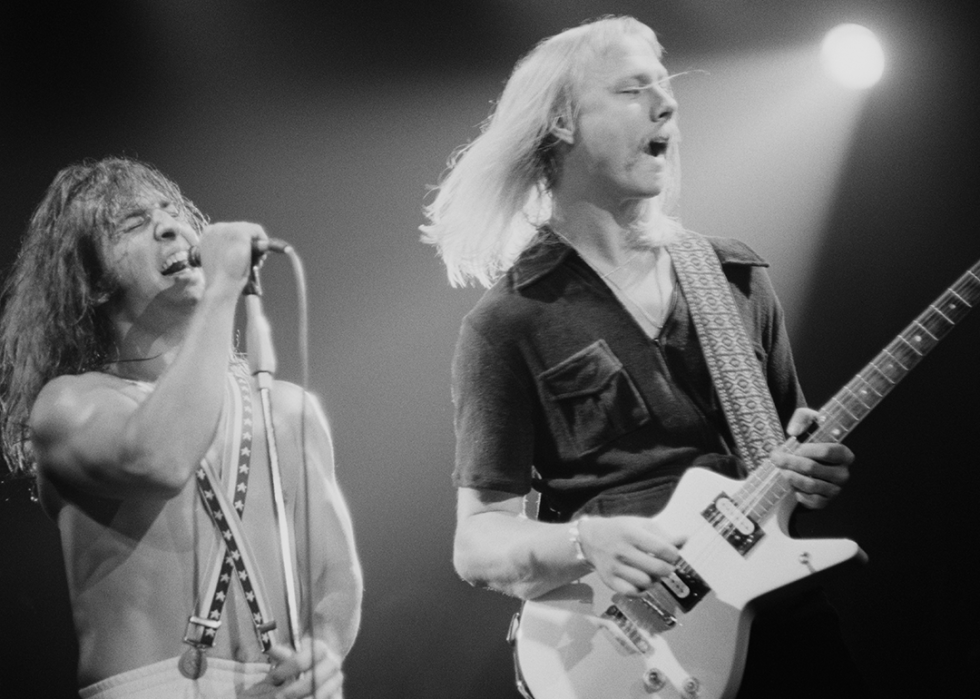
'Dust in the Wind' by Kansas
Kansas frontman Kerry Livgren was inspired to pen this signature soft rock song when his wife in a fingerpicking exercise he was playing on guitar.
"I was reading a book of American Indian poetry at the time, and happened to come across this line: 'All we are is dust in the wind.' It really struck me and stuck with me. I was humming that line along with this fingerpicking exercise, and 15 minutes later I had a song," he said in a .
When he played it for his bandmates, they reacted with "stunned silence." The song peaked at #6 on the Billboard Hot 100 in 1978 and was certified triple platinum by the RIAA.
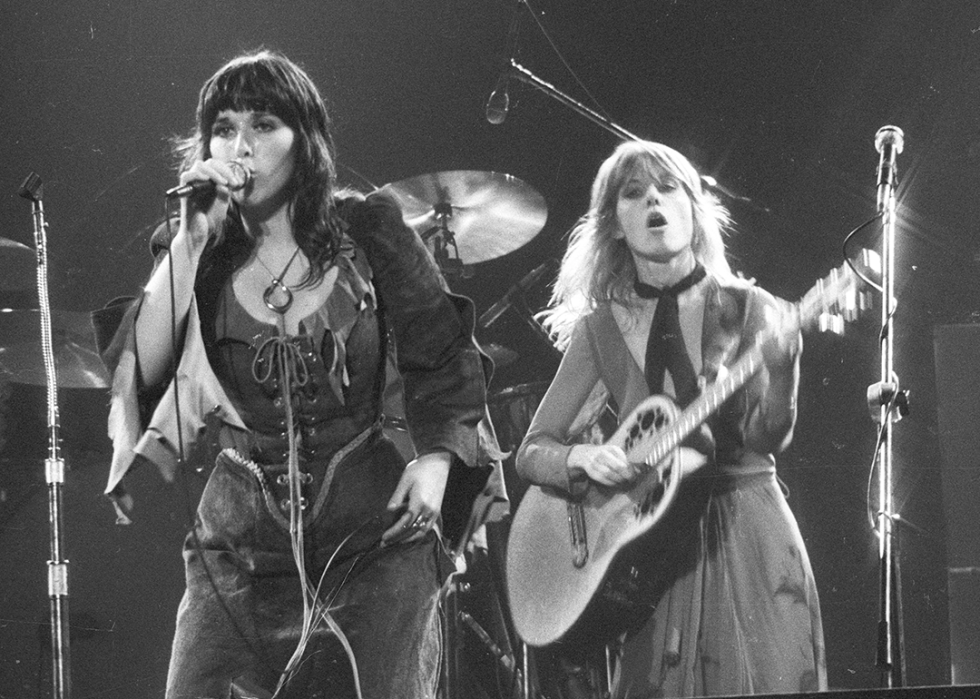
'Barracuda' by Heart
Early on in Heart's career, their record label, Mushroom Records, that Ann and Nancy Wilson were in an incestuous relationship to attract attention for the band. A promoter referenced the rumor in , asking her about her "lover" in reference to Nancy.
Enraged and disgusted, Ann went to her hotel room and emerged in a day or two with a song about a barracuda that served as a metaphor for emboldened industry players with questionable morals and motives. The completed song peaked at #11 on the Billboard Hot 100 and spent 20 weeks on the charts.
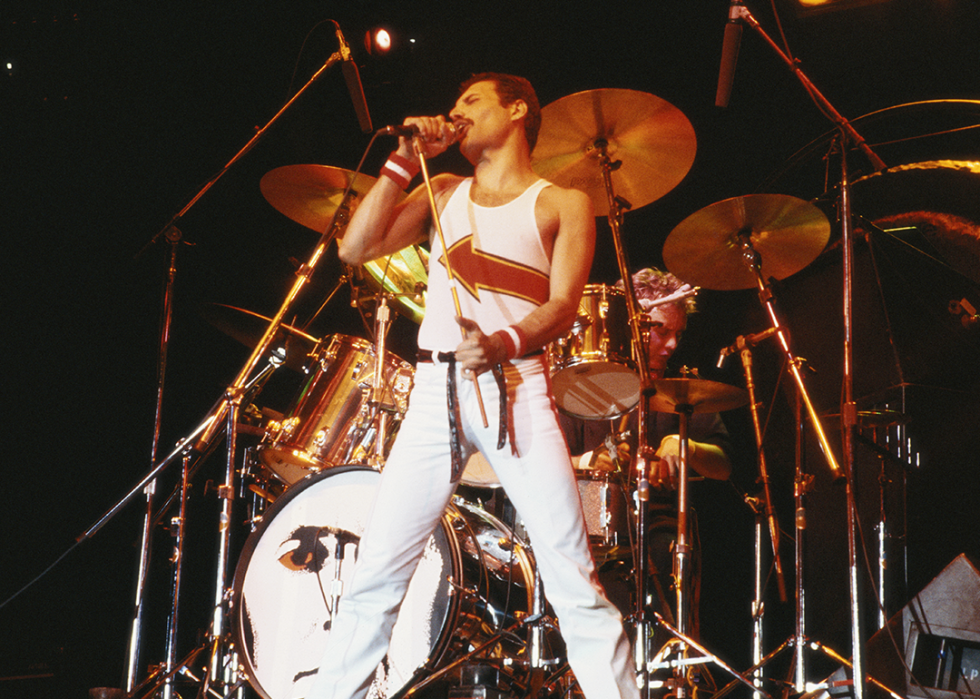
'Crazy Little Thing Called Love' by Queen
This rockabilly song was written by Freddie Mercury for Queen's eighth studio album, "The Game." In a with Melody Maker, a now-defunct British newspaper, Mercury said it took him "five or ten minutes" to write the song. "I did that on the guitar, which I can't play for nuts, and in one way it was quite a good thing because I was restricted, knowing only a few chords," he said.
The song went on to top the Billboard Hot 100 for four weeks in 1979, becoming certified platinum by the RIAA in 2017.
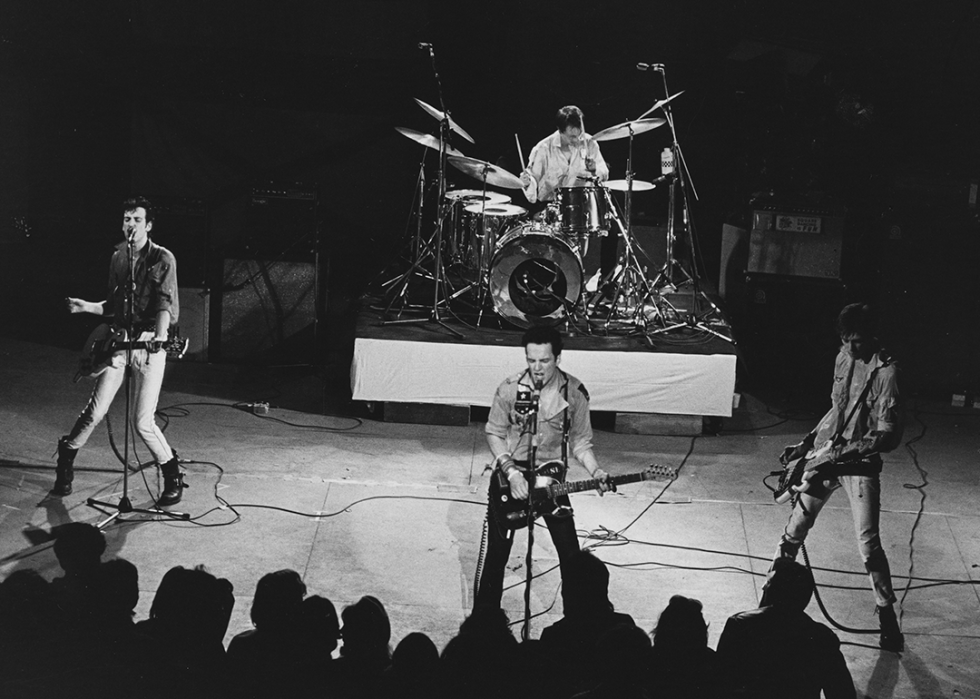
'Rock the Casbah' by the Clash
Drummer Topper Headon acted upon a creative impulse to write the foundation for the Clash's "Rock the Casbah," . Though frontman Joe Strummer ultimately decided to , which were essentially a graphic ode to Headon's girlfriend. The remaining music was left virtually intact.
The changed lyrics tell the story of a fictional ruler who bans rock music and is defied by the people, symbolizing how under oppressive regimes. The 1982 single peaked at #8 on the Billboard Hot 100 and was certified double Platinum by the RIAA in 2022.
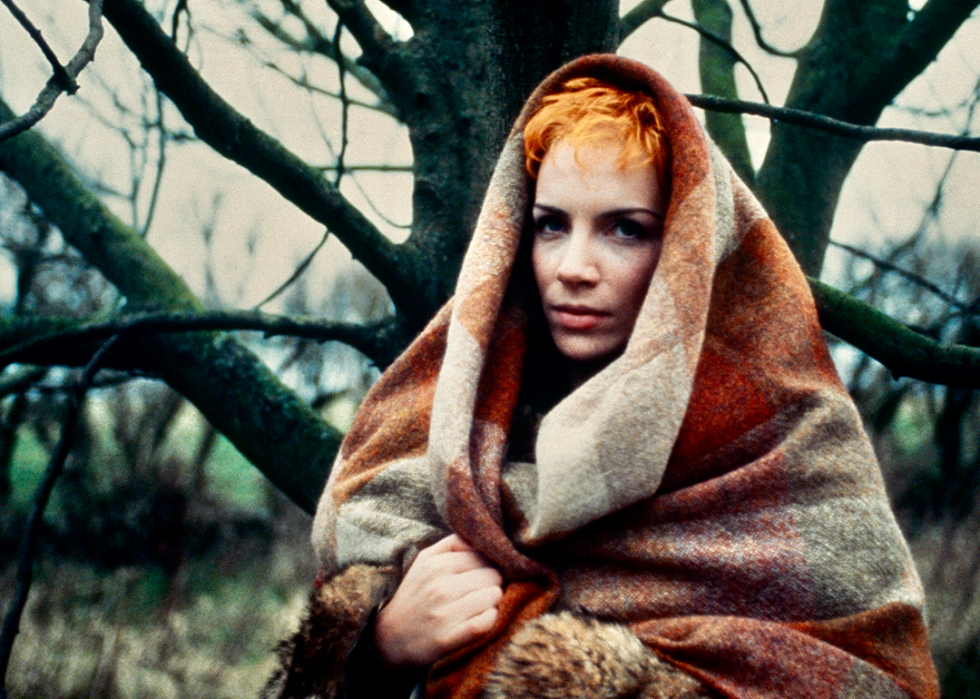
'Here Comes the Rain Again' by Eurythmics
The 1983 synth-rock single came to be when Annie Lennox began spontaneously while staring out the window as Dave Stewart played chords on a keyboard in the pair's New York City apartment. The song explores themes of isolation and longing against melancholic soundscapes. It peaked at #4 on the Billboard Hot 100 in 1984 and #8 on the U.K.'s Official Singles chart.
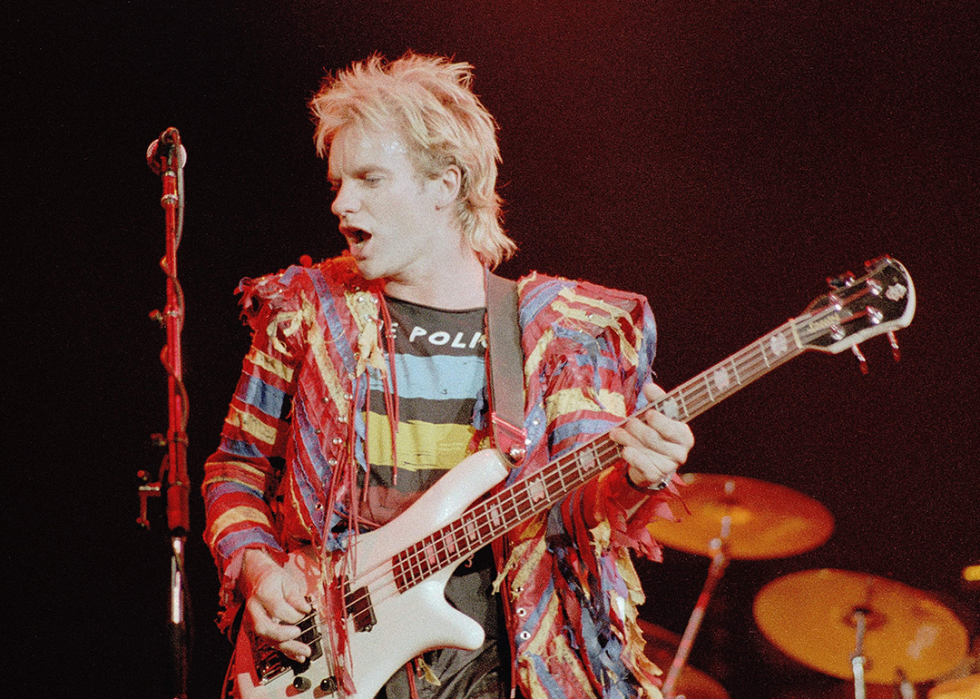
'Every Breath You Take' by the Police
This soft rock staple, often mistaken for a love song, is actually about a lover who is obsessive and controlling toward their ex-partner even after the relationship has ended. The Police frontman Sting with The Independent that the line "every breath you take, every move you make" came to him at an odd hour."I woke up in the middle of the night with that line in my head, sat down at the piano and had written it in half an hour," he said.
The song topped the Billboard Hot 100 for eight weeks in 1983 and won Song of the Year and Best Pop Performance by a Duo or Group with Vocals at the 26th Annual Grammys.
'Running Up That Hill' by Kate Bush
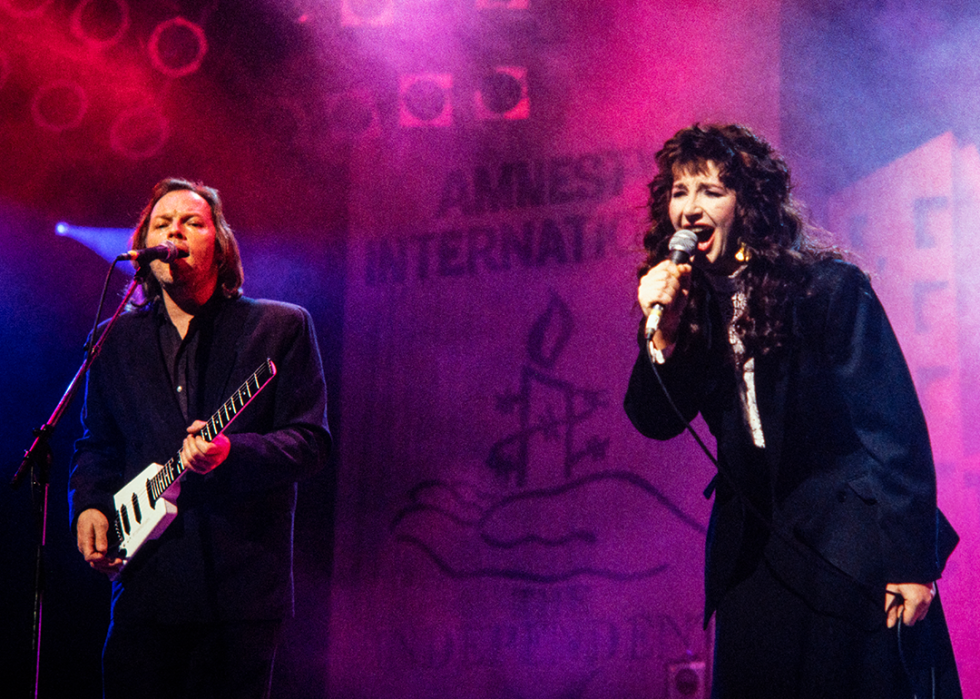
The art-rock song "Running Up That Hill," which has thanks to "Stranger Things" Season 4, describes someone who wants to with their partner to gain a better understanding of their relationship. Bush was inspired to write the song in "a single summer evening," according to a . The song peaked at #13 on the Billboard Dance Club chart, scored #1 for three weeks on the U.K.'s Official Singles Chart, and enjoyed the #60 spot on Rolling Stone's "500 Greatest Songs of All Time."
'Sweet Child O' Mine' by Guns N' Roses
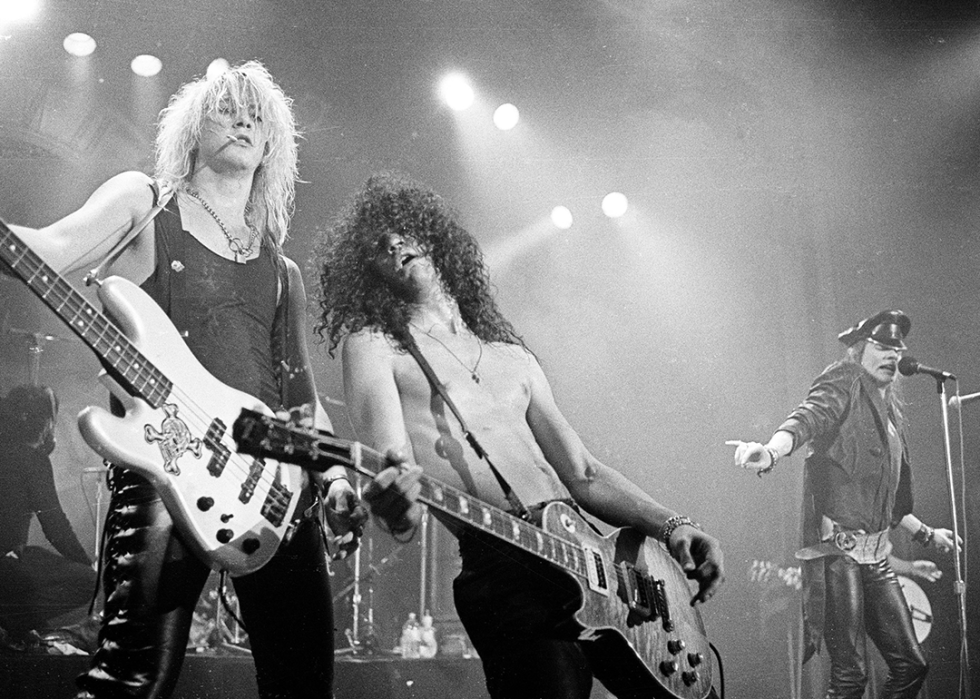
This infamous 1987 rock anthem has its roots in a riff lead guitarist Slash created . While playing the riff, rhythm guitarist Izzy Stradlin joined in with backing chords. Then, vocalist Axl Rose ran downstairs and began singing a poem he had .
Bassist Duff McKagan later said "" and that they only expected it to be "filler on the record." Instead, it was released with the band's debut studio album, "Appetite for Destruction." The track topped the Billboard Hot 100 for two weeks in 1988, ranked #88 on Rolling Stone's "500 Greatest Songs of All Time," and is certified platinum by the RIAA.
'Losing My Religion' by R.E.M.
R.E.M. guitarist Peter Buck was only , the mandolin, and recorded himself. When he played back the recording the next day, he heard a catchy riff from his sessions. Within five minutes, the music for "Losing My Religion" was created. An hour later, singer Michael Stipe had the lyrics ready.
The song won Best Short Form Music Video and Best Pop Performance by a Duo or Group with Vocal at the 34th Annual Grammys and was inducted into the Grammy Hall of Fame in 2017. It also reached #4 on the Billboard Hot 100 and was certified platinum by the RIAA in 2019.
'Black Hole Sun' by Soundgarden
Widely considered Soundgarden's signature song, the 1994 grunge staple "Black Hole Sun" features enigmatic, abstract lyrics that are . In a , Cornell said wrote it in his head during a "[35- to 40-minute] drive from Seattle" after mishearing a news report and believing he heard the anchor say the words "black hole sun."
"I thought that would make an amazing song title, but what would it sound like? It all came together, pretty much the whole arrangement including the guitar solo that's played beneath the riff," he said.
When he got home, and used the recording as the basis for the song's final composition the next day. The song ranked #368 on Rolling Stone's "500 Greatest Songs of All Time."
'Doll Parts' by Hole
This song explores perceived romantic rejection and the accompanying insecurity that emerged in the early stages of Courtney Love's relationship with Kurt Cobain."It was about a boy, whose band had just left town, who I'd been sleeping with, who I heard was sleeping with 2 other girls," Love said in a , per Billboard.
Love wrote the song in 20 minutes while on the bathroom floor of her friend's house, writing the lyrics in Sharpie on her arm and performing it for the first time about an hour later. The song became one of Hole's most iconic tracks. It peaked at #58 in the Billboard Hot 100 and ranked #208 in Rolling Stone's "500 Greatest Songs of All Time."
Story editing by Carren Jao. Copy editing by Meg Shields.