10 athletes who have promised to donate their brains for research
This story originally appeared on HealthMatch and was produced and distributed in partnership with 麻豆原创 Studio.
10 athletes who have promised to donate their brains for research
Athletes have surely suffered from chronic traumatic encephalopathy since at least 688 B.C. when boxing was introduced at the Ancient Greek Olympics. Yet it didn鈥檛 receive widespread recognition until after the 鈥00s when Pittsburgh forensic pathologist Bennet Omalu began investigating the link between repeated head trauma among NFL players and the degenerative brain disease. The 2015 film 鈥淐oncussion,鈥 in which Will Smith played Dr. Omalu as he fought the NFL鈥檚 attempts to dismiss his research, raised widespread awareness about the issue. The CTE-linked suicides of NFL stars Junior Seau, Aaron Hernandez, and Andre Waters drew further attention to these dangers.
The NFL in 2016.
CTE is caused by repeated head trauma that often leads to mood and behavioral disorders and dementia. In 2017, researchers found CTE to be a root cause of death in . The league鈥檚 response has included new safety rules and improved helmets.
The growing awareness of the disease has led to rules and equipment changes in other contact sports while pledged to donate their brains for research upon their deaths. has compiled a list of 10 leading active and retired athletes who are among them.
Reggie Williams
- Sport: Football
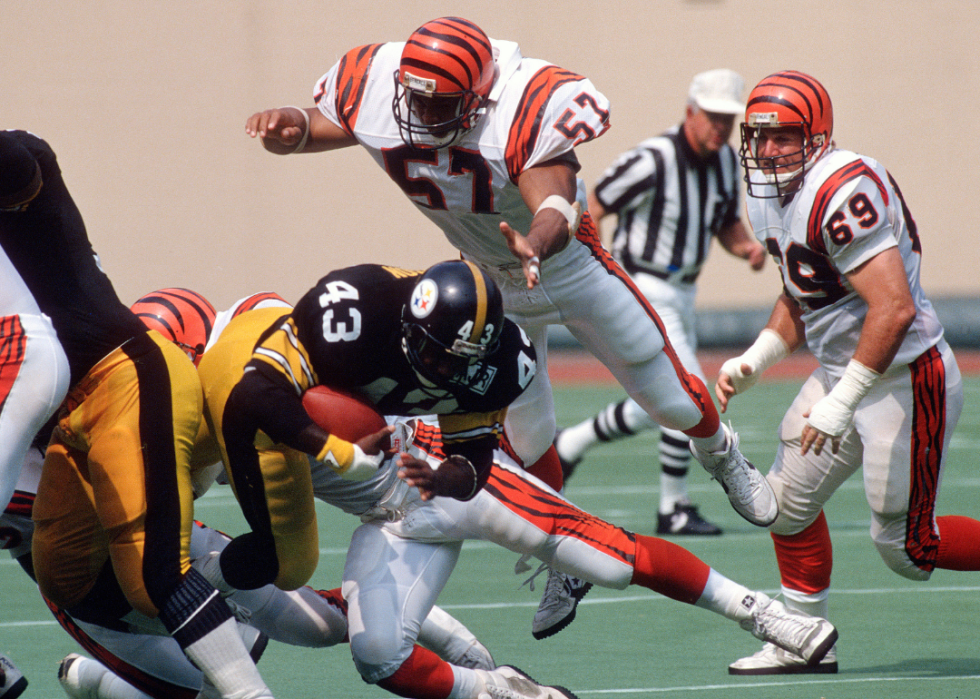
Success has followed Reggie Williams, 67, all his life. He attended Dartmouth on an academic scholarship, where he held a College Hall of Fame career as a linebacker. He went on to record 62 sacks during 14 seasons with the Cincinnati Bengals, played in two Super Bowls, and twice earned 鈥淣FL Man of the Year鈥 honors. He later served on the Cincinnati City Council and was vice president of Disney Sports Attractions.
Severe mood swings convinced Williams he has CTE, and in 2020, he he would donate his brain to research. 鈥淚 want to do anything I can to make football safer and help the next generation of athletes,鈥 he said. 鈥淵ou can鈥檛 give up because there are ways to manage [CTE] symptoms and live a healthy life.鈥
Mark Henry
- Sport: Wrestling
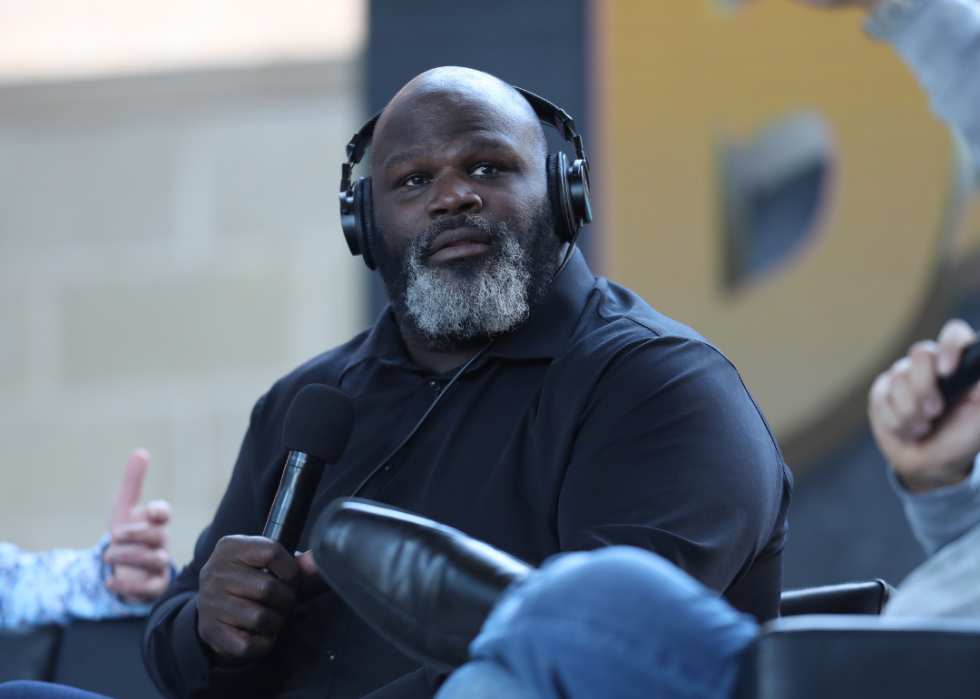
It鈥檚 hard to think of what Mark Henry hasn鈥檛 done to cement his reputation as a world-class strongman. Henry, 50, is best known as a longtime WWE wrestler with two world titles, but before that, he was a two-time Olympic weightlifter and a world-champion powerlifter who still holds world powerlifting records.
He took a lot of hits during a 25-year WWE career, though, even when he clocks in at 6-foot-4 and 360 pounds. Knowing that, he he would donate his brain to research. 鈥淢aybe it will help with figuring out how things work [including] kids playing sports,鈥 he said.
Abby Wambach
- Sport: Soccer
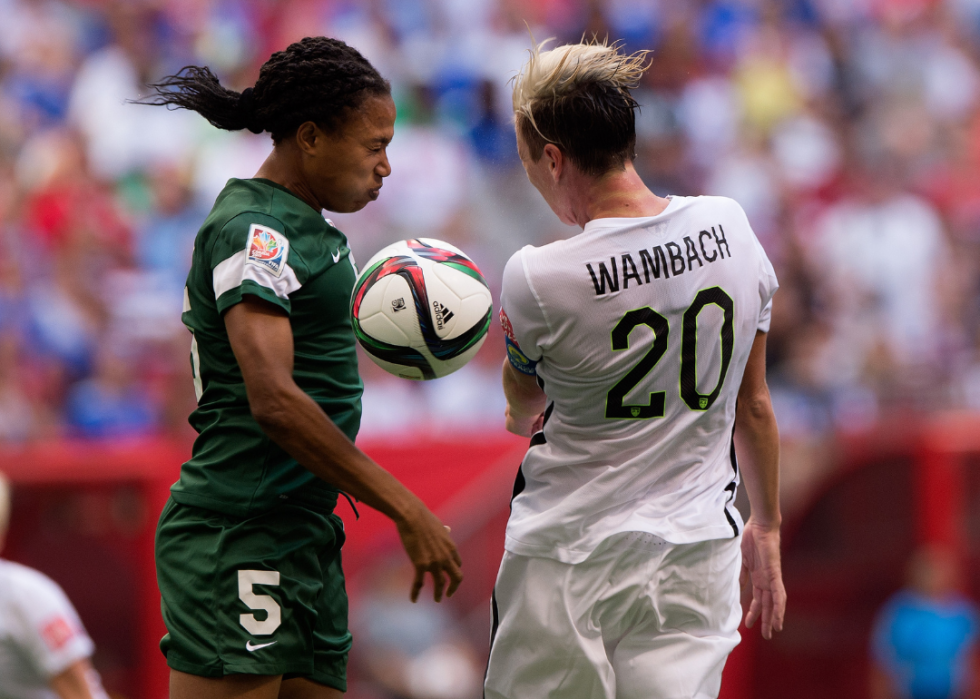
Heading the ball in soccer is as routine as being tackled in football鈥攁nd maybe even more dangerous in the long term. Abby Wambach headed the ball more than most players.
Research revealing the dangers of repeated head injuries helped convince Wambach, the U.S. Women鈥檚 National Team all-time leading scorer, to join teammates Brandi Chastain and Megan Rapinoe in that she would donate her brain. A violent collision with a teammate in 2013 resulted in her , and after that, she began heading the ball less often due to CTE concerns. She figures she has suffered 鈥渉undreds鈥 of micro-concussions on the field. 鈥淚 cringe [now] whenever players go up to head a soccer ball,鈥 she said. 鈥淚 cringe at my former, risk-taking self because we only have this one brain.鈥
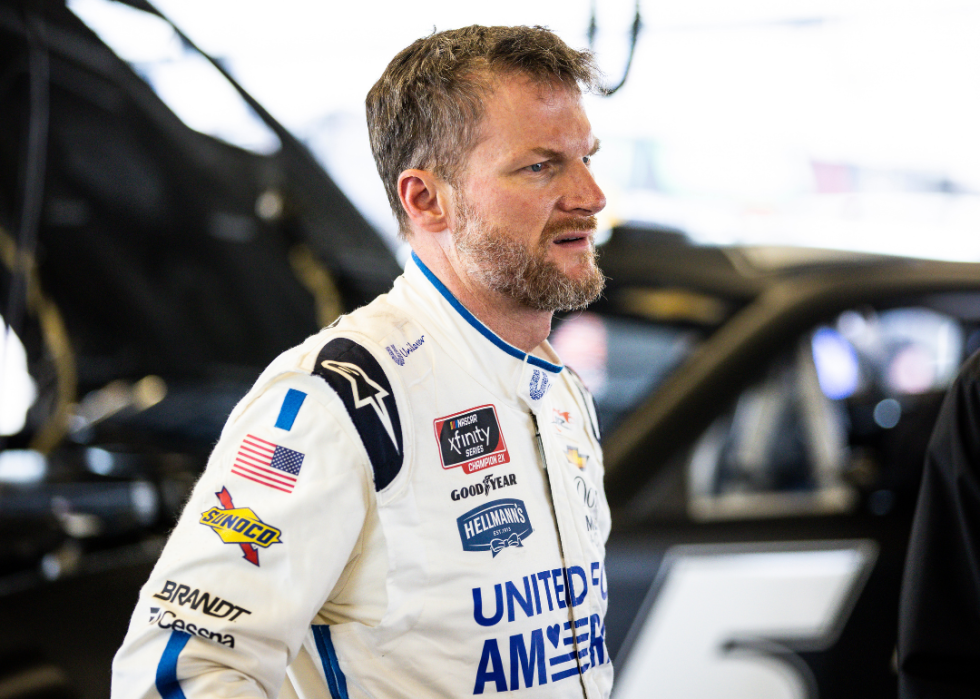
Dale Earnhardt Jr.
- Sport: Auto racing
In 2016, the same year that the NFL belatedly acknowledged the football-CTE connection, a star from a very different sport for research. Dale Earnhardt Jr. knew that while head impact isn鈥檛 as common in NASCAR racing as it is in contact sports, the crashes are far more dangerous to the brain. His father, after whom he鈥檚 named, died in a collision at the Daytona 500 in 2001.
Earnhardt admitted that he raced several times in 2002 with concussions symptoms, which led to NASCAR tightening its policies about clearing concussion-diagnosed drivers for racing. Then 10 years later, Earnhardt suffered apparent concussions in crashes just six weeks apart; he drove off after the second one without getting a diagnosis. Now 47 and semi-retired, Earnhardt won the Daytona 500 twice, in 2004 and 2014.
Steve Thompson
- Sport: Rugby
Rugby players have always prided themselves on their toughness. After all, the tackling is similar to football, but rugby players don鈥檛 wear helmets (though some wear soft headgear).
British star Steve Thompson, 43, decided to in September 2021, soon after he was diagnosed with dementia. 鈥淚t鈥檚 up to my generation to pledge our brains so researchers can develop better treatments and ways to make the game safer,鈥 he said.
Last year, World Rugby instituted new guidelines that limit full-contact training to 15 minutes a week and offered brain health care for ex-players. But that didn鈥檛 stop Thompson from joining a against the organization. Thompson said he doesn鈥檛 even remember leading England to the World Cup Rugby title in 2003, the only time a Northern Hemisphere team has won the Cup and the pinnacle of his career. He also claims to have forgotten the name of his wife on more than one occasion.
Matt Birk
- Sport: Football
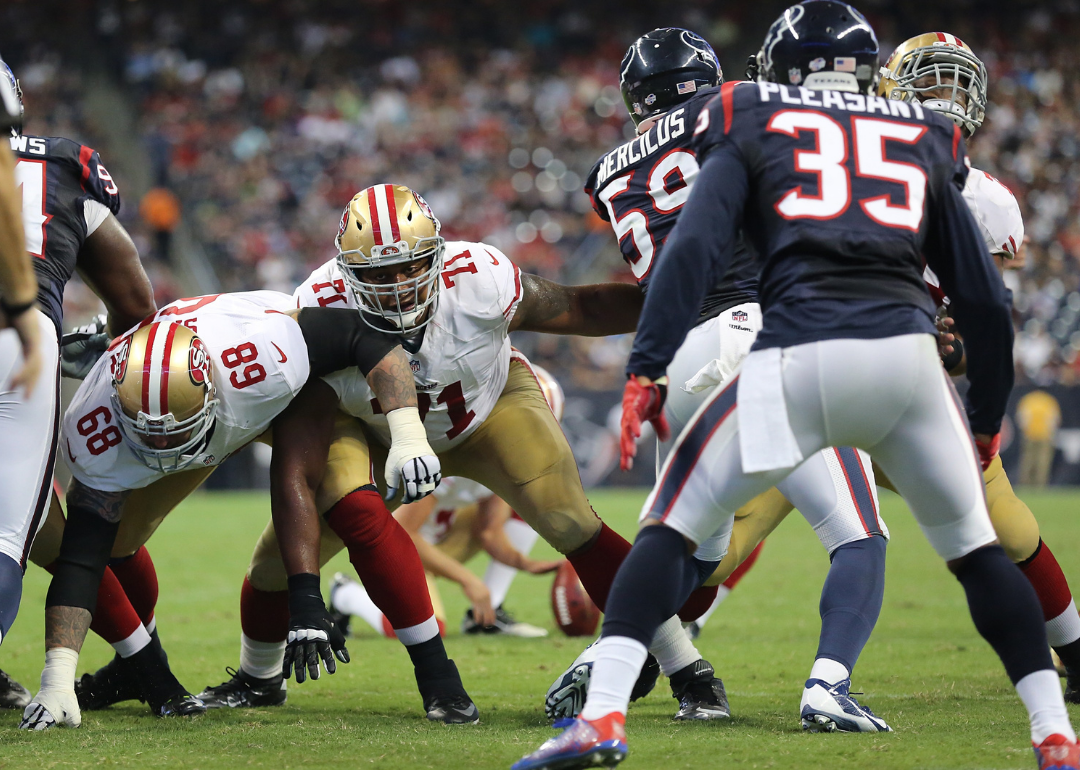
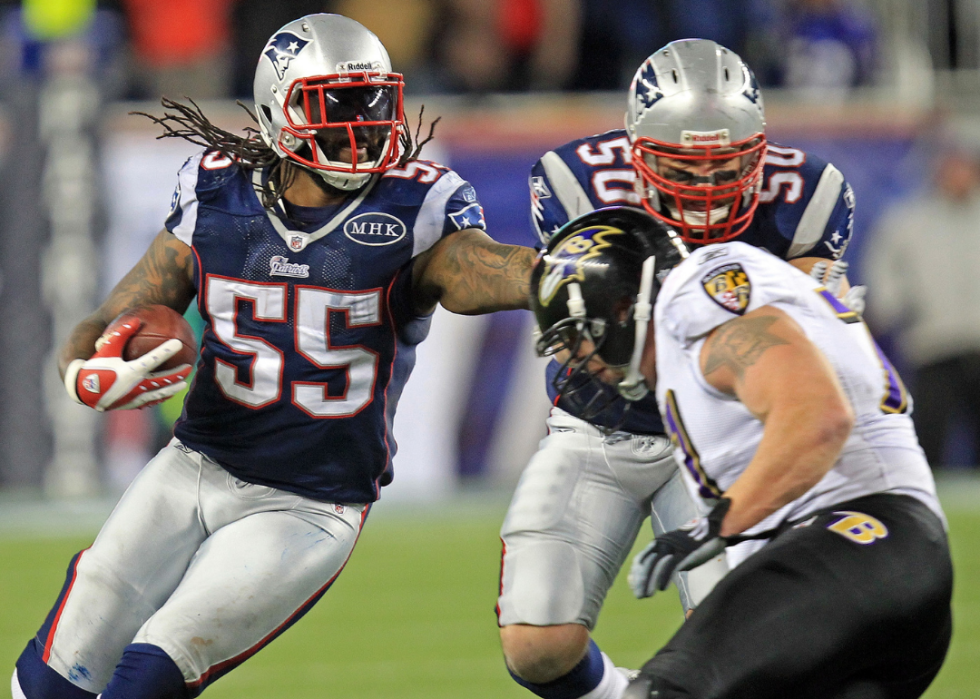
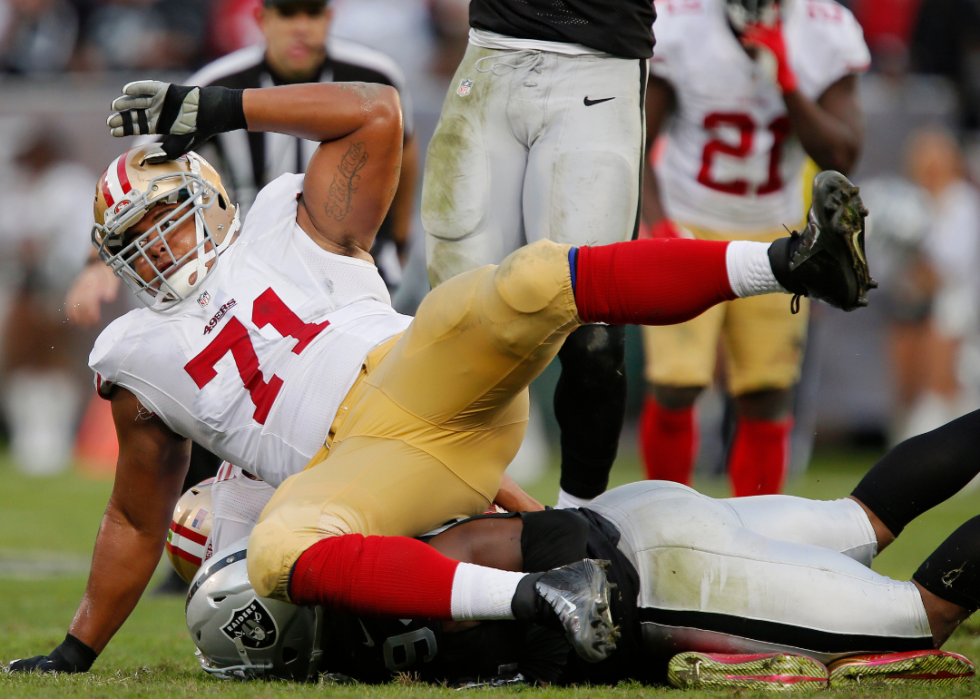
Football players in the center position absorb many impacts as they are hit almost immediately after hiking the ball. Knowing this, center Matt Birk .
The timing of the announcement came just days before the high point of his career when he helped the Baltimore Ravens win the 2013 Super Bowl. He retired three weeks later. 鈥淚f something happens like you can鈥檛 find your car keys,鈥 he said, 鈥測ou think, 鈥業s this from football?鈥欌
The following season, independent neurological consultants were hired by the NFL to oversee sideline concussion evaluations.
Brandi Chastain
- Sport: Soccer
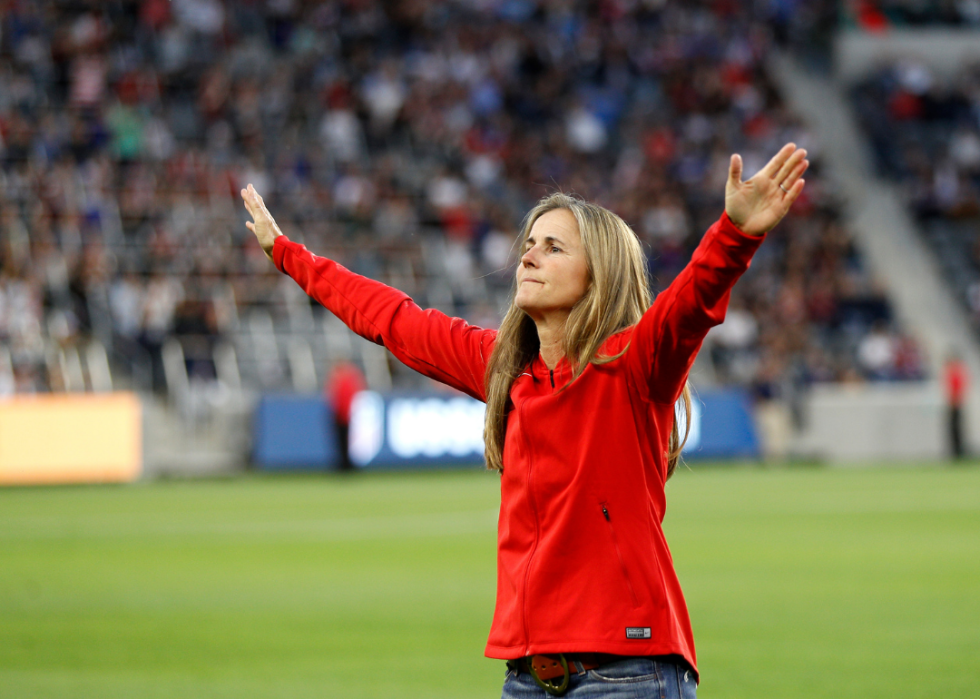
One of the most memorable photos in sports history shows an elated Brandi Chastain triumphantly clutching her jersey just after her winning penalty kick for the U.S. Women鈥檚 Soccer team in their 1999 World Cup thriller over China. The game was held at the Rose Bowl in front of 90,000 fans, including then-president Bill Clinton, and 40 million U.S. TV viewers.
鈥淚 loved heading the ball,鈥 鈥渁nd there wasn鈥檛 anybody around saying, 鈥楬ey, you might not want to do that.鈥欌 There are now, which is why she joined teammates in that she would posthumously donate her brain to science.
Don Schumacher and his team
- Sport: Auto racing
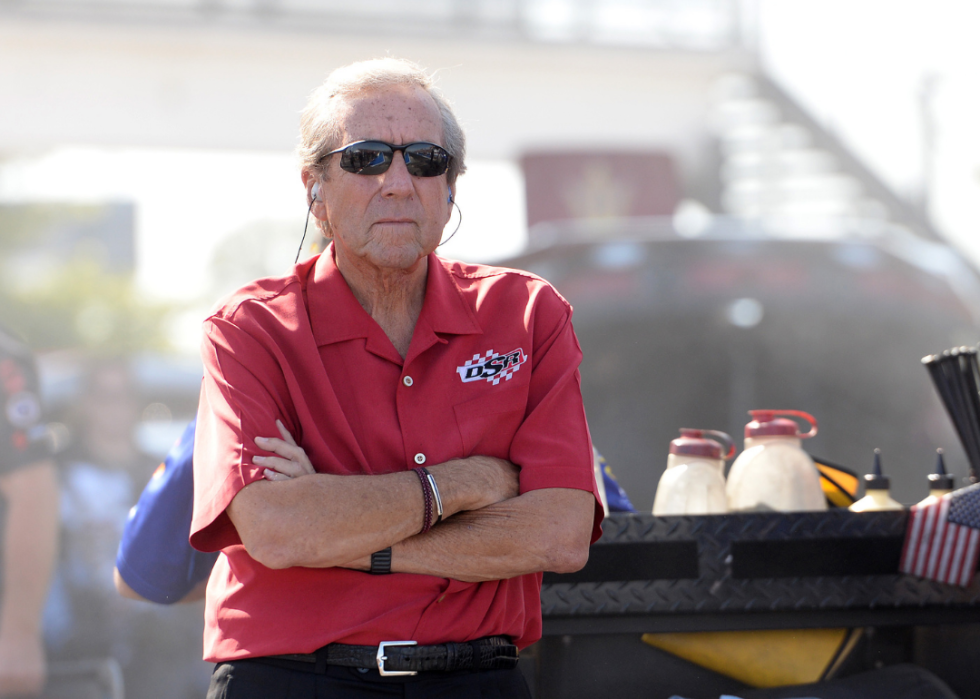
Don Schumacher became concerned about the health of the NHRA drag racing team he led: In 2018, he convinced all seven of his drivers to join him in . It was the biggest group in any sport to simultaneously make such a pledge to the Concussion Legacy Foundation.
In keeping with his reputation as a in the sport, Schumacher said he and his Schumacher Racing teammates鈥攐ne of the most winningest teams in NHRA history鈥攄id so in the hope that it might help drivers, soldiers, and anyone else whose vocations or avocations put the health of their brains at risk. Schumacher and his son Tony are two of the most accomplished drag racers in history.
Jonathan Martin
- Sport: Football
The recent attention on the mental health struggles of tennis star Naomi Osaka and gymnast Simone Biles was preceded a decade ago by the case of Jonathan Martin. In a that broke in 2014, the Miami Dolphins tackle revealed his teammates bullied him so viciously he contemplated suicide, had to be hospitalized for emotional distress, and ultimately left the NFL after just three seasons.
Martin, who was also a standout lineman at Stanford, : 鈥淲hen I was playing, no one talked about mental health.鈥
He has struggled with anxiety, depression, and mood swings since retiring from football, which he partially attributes to CTE damage caused by 13 years of absorbing hits in football. He announced in October 2021 that he would donate his brain for research.
Elana Meyers Taylor
- Sport: Bobsled
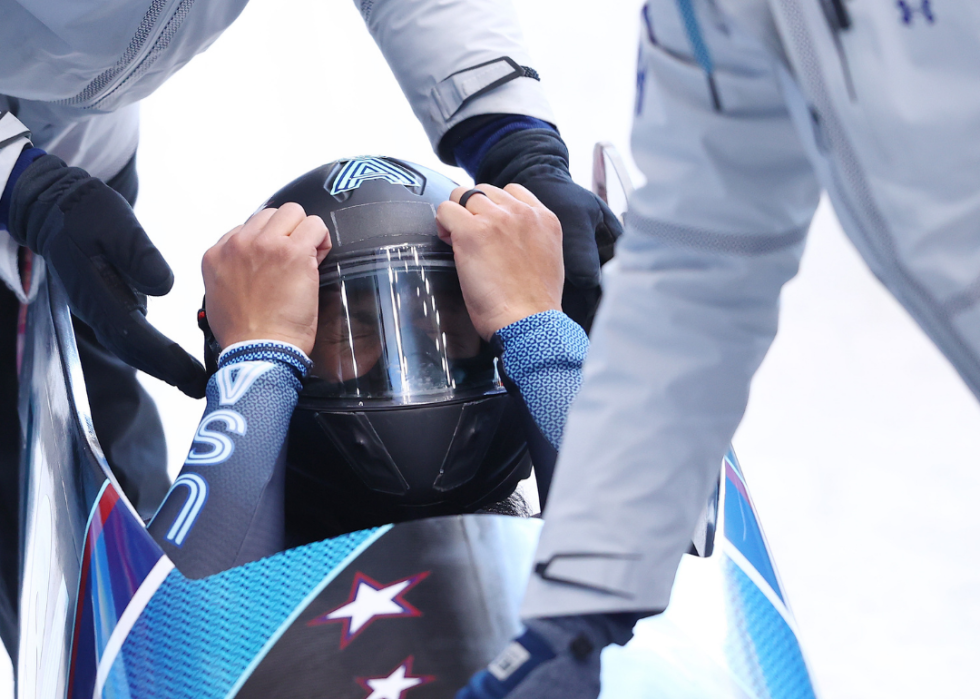
By winning silver in the monobob and bronze in the two-woman bobsled at the 2022 Beijing Olympics, Elana Meyers Taylor became the in Winter Olympics history. Competing at age 37 in Beijing, it was the fourth straight Games where she won at least one medal.
But the intense G-forces and risk of crashing on the bobsled make it a hazardous sport, which prompted Meyers Taylor to 鈥攁long with four-time U.S. ice hockey medalist Angela Ruggiero and five-time Canadian ice hockey medalist Hayley Wickenheiser鈥攖o donate her brain for CTE research.
鈥淎 concussion nearly ended my career in 2015,鈥 said Meyers Taylor. 鈥淎nd I wish I had known more about the risks of returning [to competition] too quickly. The long-term consequences of brain trauma are a major concern in sports, and I鈥檓 doing this for every athlete who will follow in my footsteps.鈥