10 ways companies are building connections in remote workplaces

Written by:
April 11, 2022
Andrey_Popov // Shutterstock

This story originally appeared on Kazoo and was produced and distributed in partnership with 麻豆原创 Studio.

10 ways companies are building connections in remote workplaces

Remote work is here to stay鈥攚hether bosses like it or not. Forty-five percent of full-time U.S. employees work from home, with 25% always working from home and 20% working from home at least part of the time, according to from September 2021.

compiled information about how companies are working to strengthen office culture and interpersonal connections in virtual workplaces since the rise of remote work during the pandemic. The information comes from a diverse range of sources including experts, surveys, and news reports.

While some employees prefer working in the office, others鈥攊ncluding the majority of 鈥攑refer working from the comfort of their own homes. A found that if remote work was suddenly no longer an option, a third of respondents would leave their job鈥攅ither by finding a new role or retiring.

While many remote workers tout the benefits of no commute, more flexibility for family and personal time, and the convenience of doing a load of laundry during the day, building meaningful connections with colleagues is far more difficult when you don鈥檛 share the same physical space. There are digital alternatives that leaders across industries are experimenting with to inspire culture-building and collaboration, from coffee breaks to happy hours. Some virtual experiments have worked well, and some just can鈥檛 hold a candle to in-person interactions.

1 / 10
Dexiao Productions // Shutterstock

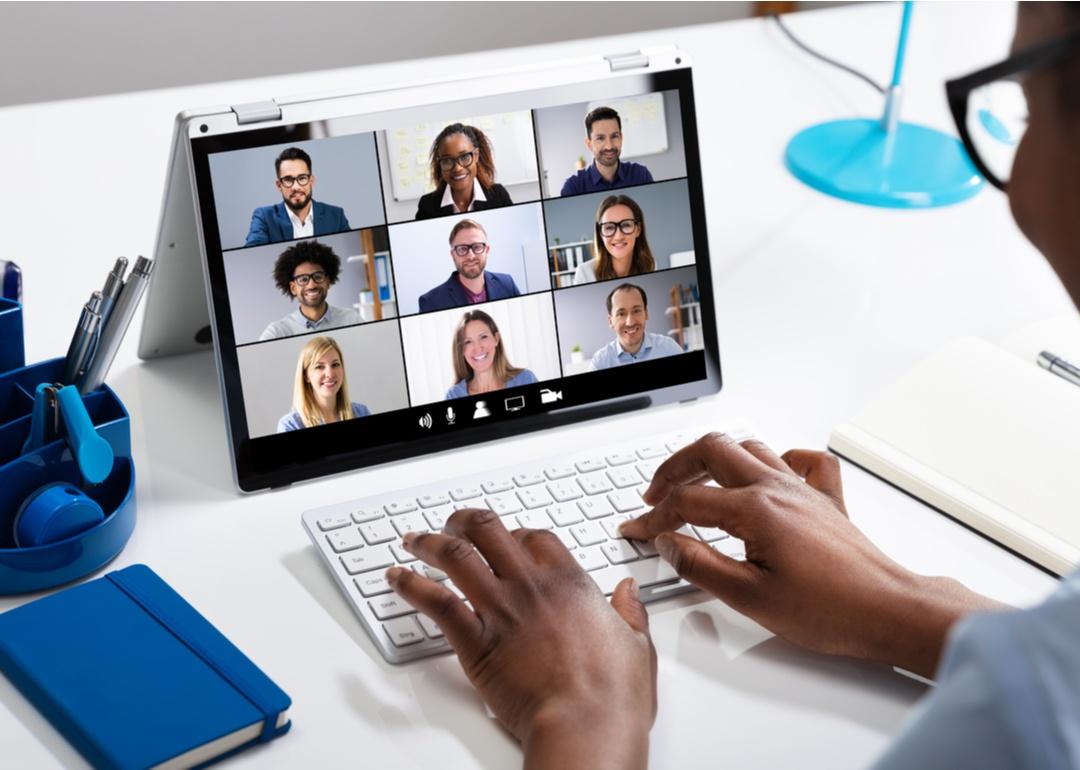
Virtual coffee breaks

Virtual coffee breaks are a way to refresh the brain during a long meeting or at a virtual conference to break things up. These breaks also allow people to engage in less work-centric conversations or brainstorming sessions. While hot drinks are optional, these 15- to 30-minute informal conversations have been implemented by surveyed by GitLab as a way to foster community during hybrid or remote work.

Using video conferencing software, participants might engage in a one-on-one, getting-to-know-you chat, or they might be themed around an organized activity such as trivia, a chair workout, or a meditation session. Virtual coffee chats seek to replace the informal break room banter and help colleagues get to know each other better in a more relaxed setting. They can also be used to increase energy and allow people to decompress between meetings the way they might if they were physically running into coworkers in the office.

2 / 10
LightField Studios // Shutterstock

Remote lunch-and-learns

Remote lunch-and-learns are a great way to refresh knowledge and skills while showcasing an individual's expertise. At each regularly scheduled lunch-and-learn, a different team member prepares a presentation to teach their colleagues a new skill, dive deep into a challenge they faced and how they solved it, or introduce a new concept or way of working. Lunch-and-learns are a good way to hand the floor to a colleague who doesn鈥檛 usually run meetings but has something valuable to share.

While it was easy to cater for in-person lunch-and-learns, the nature of remote work makes the food portion of the event a bit trickier to handle. Some companies reimburse attendees and others use services like GrubHub to deliver food.

3 / 10
fizkes // Shutterstock

Fostering informal interactions

Informal interactions help colleagues: In-person workers run into each other and often share ideas and problems naturally and spontaneously. In a virtual work environment, it鈥檚 counterintuitive but important to schedule unstructured time into meeting agendas.

Setting aside the last 10 minutes of a meeting for attendees to talk about whatever鈥檚 on their mind in whole-group or break-out sessions is one way to share ideas. Scheduling office hours or an open-door policy where leaders invite their reports to make video calls the norm among the team can also help keep teams collaborating rather than working in silos.

4 / 10
Tryzkropy // Shutterstock

Virtual game nights

Game nights took off during the pandemic with companies like Kahoot, JackBox, and Heads Up! upping their virtual offerings. While an after-hours Zoom trivia session with friends can be energizing, forced after-work socializing : Many workers feel forced into attending.

If a work virtual game night is scheduled, it should be truly voluntary where team members don鈥檛 feel social pressure to join if they need a break from their screens. Alternatives include embedding into meetings. Building connections with colleagues should happen on the clock; sometimes the best way to build connections is to give employees their time back so they鈥檙e refreshed for the next day.

5 / 10
fizkes // Shutterstock

Enabling 'toxic culture alarms'

It鈥檚 not uncommon for empathetic and highly sensitive people to be in the workplace. Sensitive people can often predict toxic culture, impossibly high workloads, and bad management decisions before many of their colleagues.

By empowering (rather than silencing) employees who report sexism, racism, or other issues at the workplace, managers can appropriately deal with issues before they become endemic in the organization. A toxic culture 鈥渁larm鈥 does not need to be an abrupt alarm at all: Providing an outlet for office culture feedback can help to mitigate workplace inequity.

Paying extra attention to the needs of the most vulnerable colleagues鈥攊ncluding employees of color, working mothers, and those with disabilities鈥攎akes the workplace more welcoming for everyone. 鈥淒esigning for the margin鈥 means focusing on those who are most likely to face obstacles at work and making sure policies are written to help them succeed.

6 / 10
Prostock-studio // Shutterstock

Leadership transparency

Employees are generally happier and stay with a company longer when they trust leadership and feel that decision-making is transparent. The from GitLab found 34% of respondents reported leadership transparency leads to connectedness in the workplace. Similarly, 38% said that increased visibility into an organization improved feelings of connection.

Understanding how all the moving pieces fit together helps people grasp the impact of their work on the company and even the greater public. Providing staff with regular updates from each department along with any new company-wide developments can seriously improve leadership transparency.

7 / 10
Nattakorn_Maneerat // Shutterstock

Digital lobbies

Digital lobbies are social gathering places for people to virtually network, build connections, and hear announcements from leaders. Functioning as virtual meeting places where company culture is felt and practiced, some digital lobby platforms help remote workforces align and connect; others allow for workflow or status updates, or can integrate with Slack to promote water-cooler talk.

Workers who feel like they really know their colleagues are a job and report that their work feels less transactional. Virtual lobbies can be like a social network for coworkers who can pop in to ask questions, congratulate one another, and post announcements. 

8 / 10
REDPIXEL.PL // Shutterstock

Cross-team collaborative projects

Cross-team projects shake up people鈥檚 usual ways of working and get them out of their comfort zones. When working with a new group, collaborators need to learn each members鈥 working style and communication style. New ideas are often born when people from different backgrounds or areas of expertise brainstorm together.

Successful cross-team collaborations require well-communicated group goals and milestones to keep everyone on track and on budget. Since remote work can encourage social loafing, it鈥檚 important for each team member to have individual metrics as well as team goals.

9 / 10
LightField Studios // Shutterstock

Creating a sense of 'regenerative' work

seek to give back to employees more than they extract. Think in addition to competitive salaries also folding in individualized perks that capitalize on community. The values of employees who may not stay long-term can have a big impact if they feel connected to the company during their tenure.

Some examples of embracing a regenerative workplace include generous time-off policies so workers can comfortably find a work-life balance, childcare perks, and decision-making and collaborative thinking across every level of the company. Overall, regenerative workplaces think long-term and do not see their workers as expendable. Instead of compartmentalizing roles, a regenerative workplace ties everyone鈥檚 contributions to the overall . Employees know exactly how they contribute to solving clients鈥 problems and strive to create a better working society.

10 / 10
fizkes // Shutterstock

Quarterly or biannual in-person summits

Some companies have transitioned to be fully remote while others operate on a hybrid model. While there are plenty of tools for collaborating with colleagues virtually, nothing truly replaces the synergy of physically being present together.

Quarterly or semi-annual in-person summits can build community and help people connect. From one-day meetings to week-long retreats, companies are recognizing the importance of facetime. Some in-person summits focus on fun and team building, while others focus on strategic planning and big-picture thinking.

Trending Now