This story originally appeared on PennyWorks and was produced and distributed in partnership with 麻豆原创 Studio.
5 ways inflation impacts interest rates
As the Federal Reserve by half a percentage point, many Americans are wondering how this move affects their wallets.
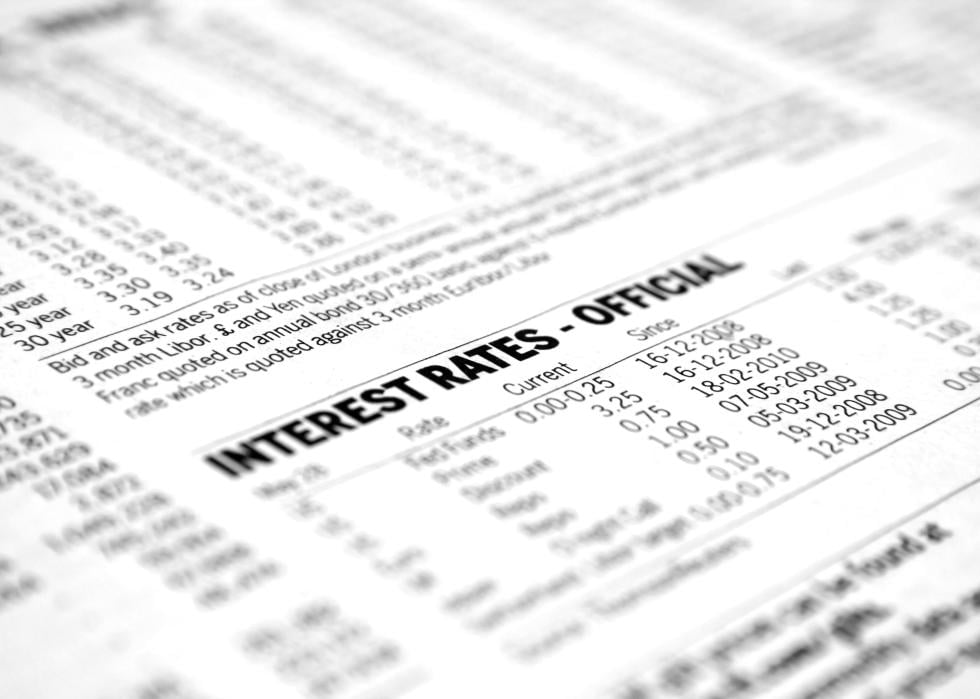
This increase puts the federal funds rate at nearly 1%, up from 0.33%鈥攖he highest level since March 2020. The Bureau of Labor Statistics (BLS) announced in May 2022 that ending in April 2022. Prices of restaurants and meals eaten away from home were up almost 7% from last year, , according to the U.S. Department of Agriculture.
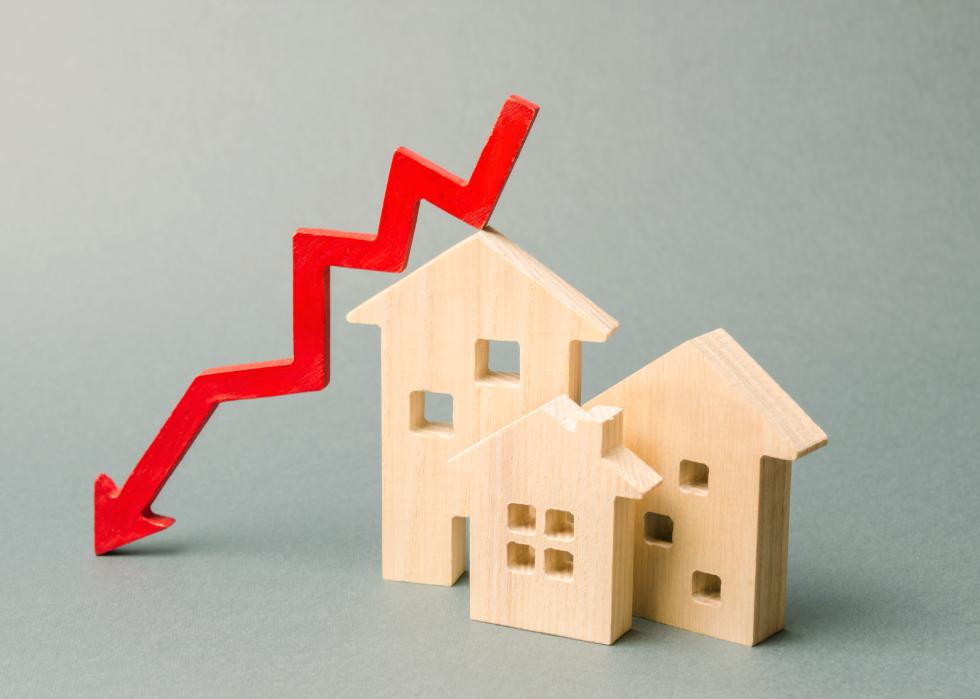
The Fed anticipates the federal funds rate , and 2.8% by the end of 2023. That may not sound like much, but it can significantly affect consumer spending and borrowing. Fed Chairman Jerome Powell鈥檚 aim in raising rates by is to fight inflation, but without triggering a recession. There are signs in the cooling housing market and volatile stock prices that this task will prove difficult. The as home prices cool off in multiple metros.
To explain the different ways this will trickle down to everyday household budgets, compiled a list of five ways inflation is affecting interest rates. Data sources include the Federal Reserve, Reuters, and The New York Times.
Higher interest rates
Driven in part by spiraling costs for housing, food, and energy, the Labor Department says the current U.S. rate of inflation is . The Federal Reserve has historically increased the federal funds rate to curb high inflation. in 1980, as inflation soared following the 1970s energy shocks.
Lower interest rates
In historic periods of low inflation, the Fed has decreased the federal funds rate. Following the dot-com bust in the early 2000s, the Fed lowered it to below 1% over fears of potential deflation. 鈥淭aking note of the painful experience of Japan, policymakers worried that the United States might sink into deflation and that, as one consequence, the FOMC鈥檚 target interest rate might hit its zero lower bound, limiting the scope for further monetary accommodation,鈥 said former
Consumer loans
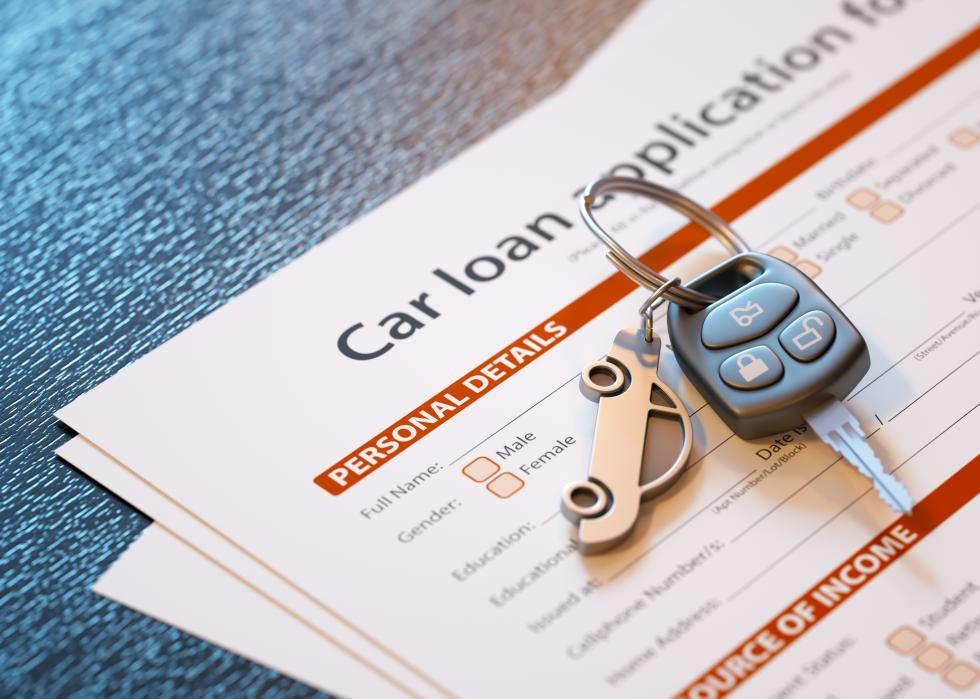
When the Fed changes the federal funds rate, that means rates for consumer loans鈥 mortgages, auto loans, credit cards, etc.鈥攇o up as well. During periods of high inflation and interest rates, this can impact demand for consumer products as well as homes, cars, and other big-ticket purchases that people finance.
By making buying products on credit or borrowing at higher interest rates less appealing, and economic growth.
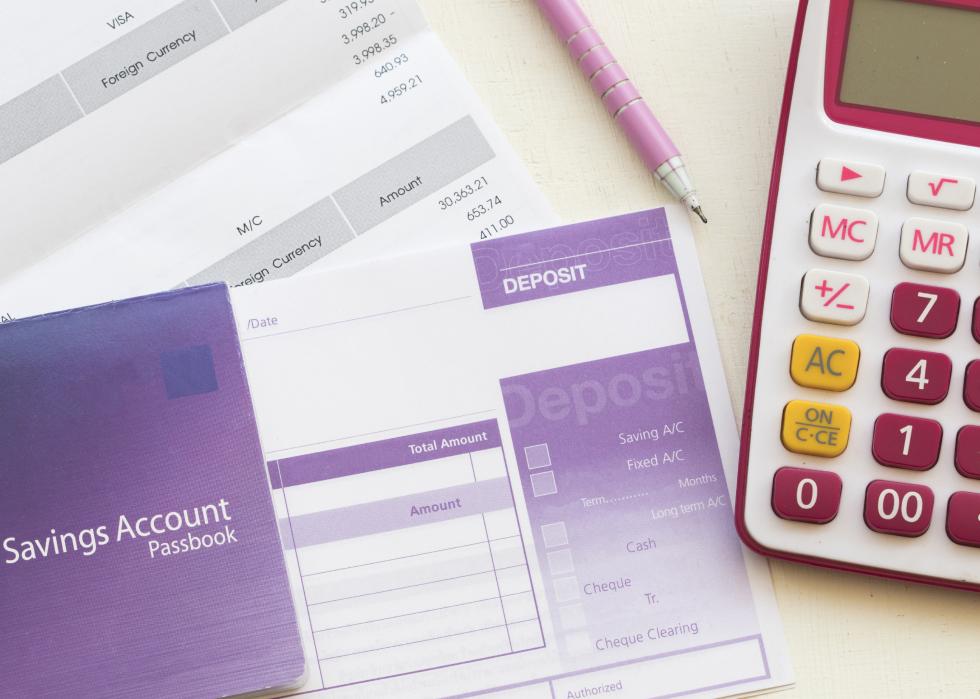
Savings accounts
Rapid inflation on savings accounts. This ends up devaluing money stored in banks, which drives capital into financial markets and real estate. Inflation has also driven investors into more volatile or speculative assets, such as cryptocurrencies and .
Impact lag
The Fed often lags behind inflation when setting interest rates. In an attempt to anticipate changes in inflation, the Fed might before inflation gets out of hand. But thanks to pandemic-fueled government spending and from the Russia-Ukraine war, rising prices will persist for months to come.