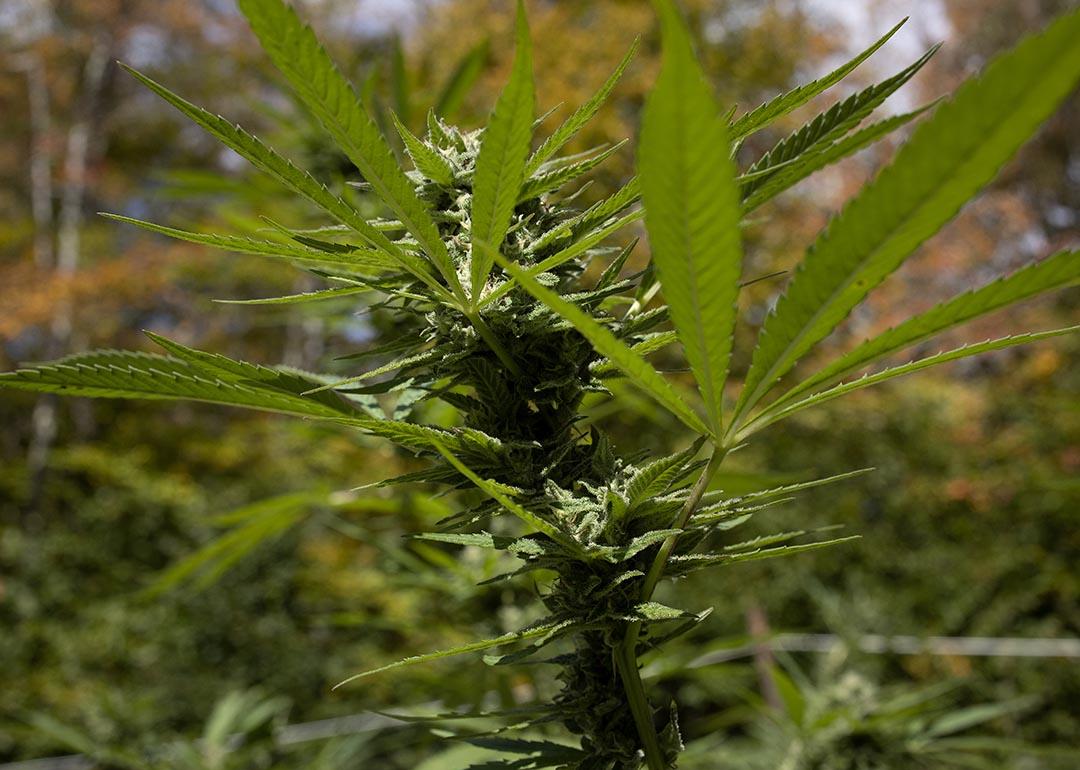
Cannabis products may harbor fungal toxins harmful to human health, but safety regulations are uneven or nonexistent
was produced by and reviewed and distributed by 麻豆原创 Media.
Cannabis products may harbor fungal toxins harmful to human health, but safety regulations are uneven or nonexistent
Hemp and cannabis inside and outside the plant, most of which are harmless to most people. However, certain types of fungi such as Aspergillus and Fusarium pose , particularly for the immunocompromised, both through direct infection and consumption of the toxins they produce.
There are currently for Fusasrium toxins in cannabis, and regulations vary greatly for Aspergillus toxins. To better understand the effects of these fungi and their toxins on human health and disease, I wrote for about how, as a professor of Entomology and Plant Pathology at the University of Tennessee, I a research team of plant pathologists and toxicologists to conduct a on fungal contaminants in cannabis.
We found that the toxins these fungi produce can make it through the manufacturing process and remain present in many cannabis products.
Fungal toxins in hemp and cannabis
The defined hemp as any part of the plant Cannabis sativa with levels of . THC is the primary component of Cannabis sativa that has psychoactive effects. Parts with higher levels of THC are considered marijuana.
Medical use of cannabis has been . To provide the maximum associated with cannabis consumption, such as pain relief, plants need to be free of fungal toxins that can cause harm. However, scientists have found fungal toxin levels in and that exceed acceptable regulatory levels for other food crops.
, a lung infection caused by the fungus Aspergillus, is the most potentially harmful fungal infection associated with cannabis consumption. However, our research team determined that Fusarium toxins in cannabis to human and animal health than Aspergillus. Researchers have isolated in cannabis flowers. Many produce toxins that , including by causing nausea, vomiting, diarrhea, cancer, reproductive disruption and kidney impairment.
These toxins can also among those with immune disorders. A 2016 survey of 225 organ transplant professionals found that of fungal infections associated with marijuana use among their patients who may be immunocompromised.
Addressing fungal toxins in cannabis
The extent of fungal toxins in cannabis and hemp products is still unknown because these toxins are rarely regulated.
Testing for Aspergillus in cannabis , and acceptable toxin levels range from zero tolerance to no action. Many states that don't distinguish between fungi that are or aren't harmful and do not regulate individual pathogens.
Although Fusarium toxins are not regulated in hemp or cannabis, they are such as corn and wheat because of the they can cause in people and animals.
Controlling fungi in crops is essential for both plant and human health. Because hemp cultivation was until recently restricted by law, and no state or federal research funds were available, disease management strategies .
Although using resistant cultivars for plant production is a safe, economical and environmentally friendly method to control plant diseases, how cannabis develops resistance against pathogens .
In states where cannabis cultivation is legal, producers must rely on agricultural products approved for hemp. However, few are registered for use on hemp. Although radiation kills fungi and prevents infection in people, this technique is and there are currently no methods for .
Before producers, consumers and health practitioners can be assured that cannabis products are safe, filling these knowledge gaps is necessary. Additional research on cannabis pathogens and fungal toxins are also needed, as well as better and more consistent methods to regulate medicinal cannabis.