How access to naloxone medication like Narcan鈥攗sed to reverse opioid overdoses鈥攙aries in each state
This story originally appeared on Ophelia and was produced and distributed in partnership with 麻豆原创 Studio.
How access to naloxone medication like Narcan鈥攗sed to reverse opioid overdoses鈥攙aries in each state
In 2022, the Centers for Disease Control and Prevention revealed alarming news: Every day of 2021, . That was five years after President Donald Trump's administration announced the opioid epidemic was a national public health emergency.
The CDC began nationwide, whether fatal or not, in 2019. So far, , and Washington D.C., have participated in this effort. Local agencies in 24 states are also involved.
In 2020, the Biden administration available for states, territories, and tribes to address the overdose epidemic through recovery programs. It also expands access to medications that can reverse overdoses, such as naloxon, which is commonly referred to by its brand name Narcan.
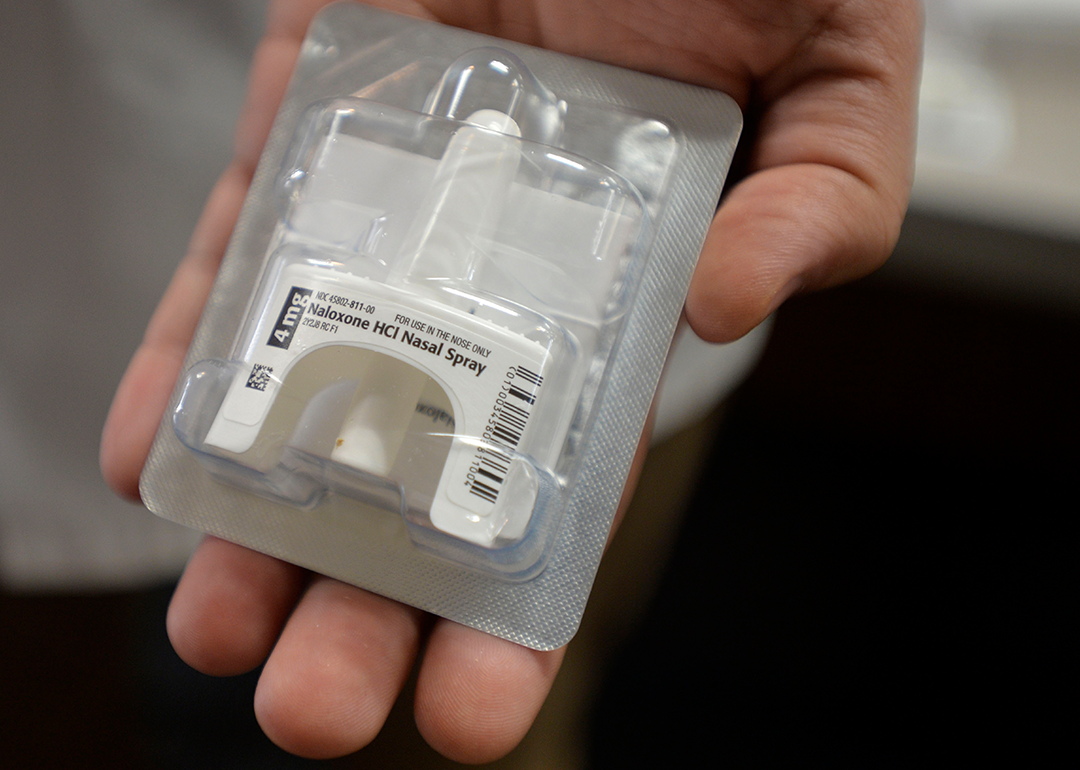
When a person has opioids in their system, 鈥攚hich is also known as Narcan and sprayed into the nose or injected into the muscle or veins鈥攂inds to opioid receptors in the brain and blocks the effects of the opioids. It is an effective life-saving medication, reversing opioid overdose in a matter of minutes and lasting long enough for a person to get emergency medical attention. However, critical to saving lives from opioid overdose is access to naloxone for those who need it, and access to the drug varies by state.
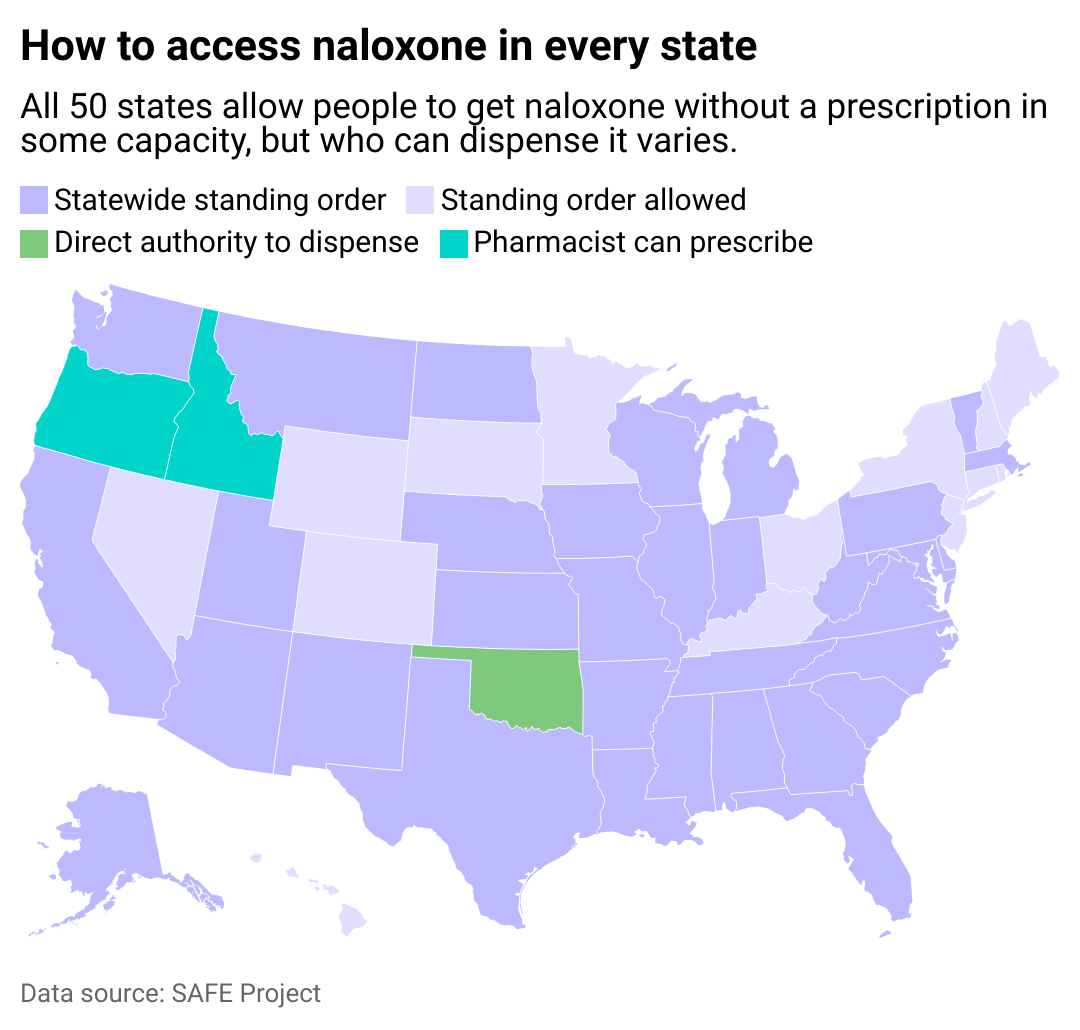
In recent years,all 50 states have passed legislation facilitating . The highlight the effectiveness of the medication in saving opioid users' lives. examined how naloxone access varies by state using data compiled by the, a nonprofit organization working to combat America's addiction epidemic.
In most states, standing orders from the state public health agency allow first responders, family and friends of at-risk consumers, community organizations, law enforcement agencies, recovery centers, or anyone who might find themselves in a situation where someone is overdosing to request or purchase naloxone without a prescription. In many states, users need basic training in administering the drug before being allowed to carry it.
Naloxone access by state
In 33 states, public health officials have issued a statewide standing order allowing pharmacists to dispense naloxone to people even if they do not have a specific prescription for the medication. These orders include specific directions for who can receive the medication. In most states, that includes people who use opioids and, therefore, might experience an overdose, as well as official first responders like police officers, firefighters, and ambulance workers.
Also typically eligible under statewide standing orders are users' family members, friends, and caregivers because they might encounter someone during an overdose. In many states, members of the general public who might come upon or find themselves near a person experiencing an overdose are also eligible to get naloxone.
Standing orders typically allow a person to receive one or two rescue doses of naloxone, often along with information or brief training about how to prevent overdoses, spot them, and use the medication. Just because a state has a standing order does not mean naloxone is free, though most states have places or programs that offer free naloxone to qualified recipients.
In 14 states and the District of Columbia, physicians are allowed to issue standing orders to specific pharmacies or pharmacists, in which the doctors specify who can receive the medication without a prescription and under what conditions.
Idaho and Oregon still require prescriptions for naloxone鈥攂ut pharmacists, not just doctors, can issue it. Then, the pharmacists can dispense the medication to that person.
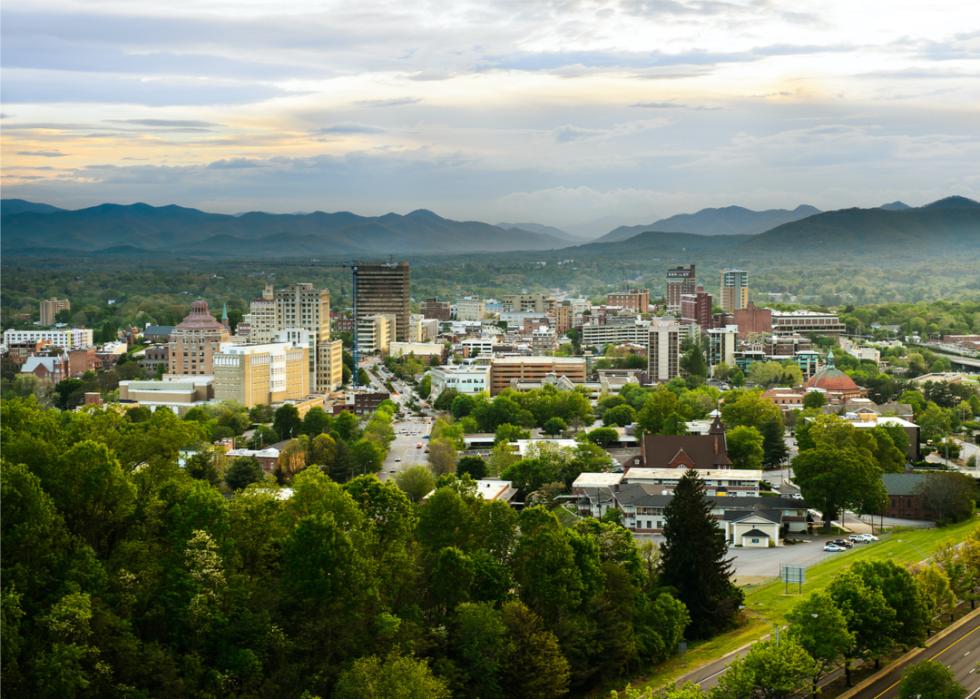
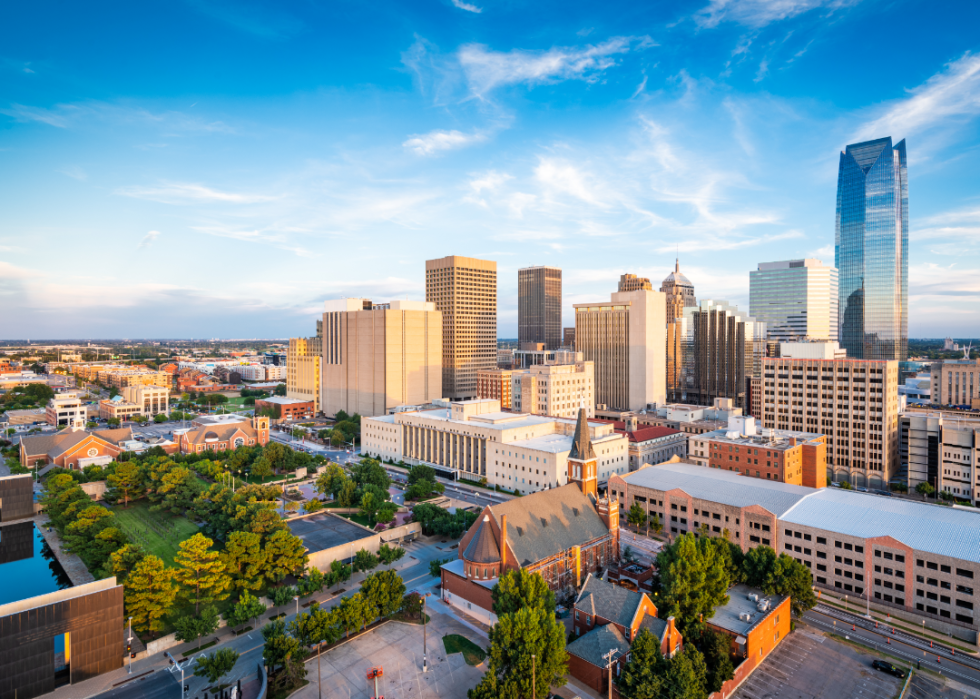
In Oklahoma, state law says people do not need a standing order or a prescription: Pharmacists can dispense naloxone to anyone, though there can be a cost. There is also a standing order in effect.
#1. Alabama
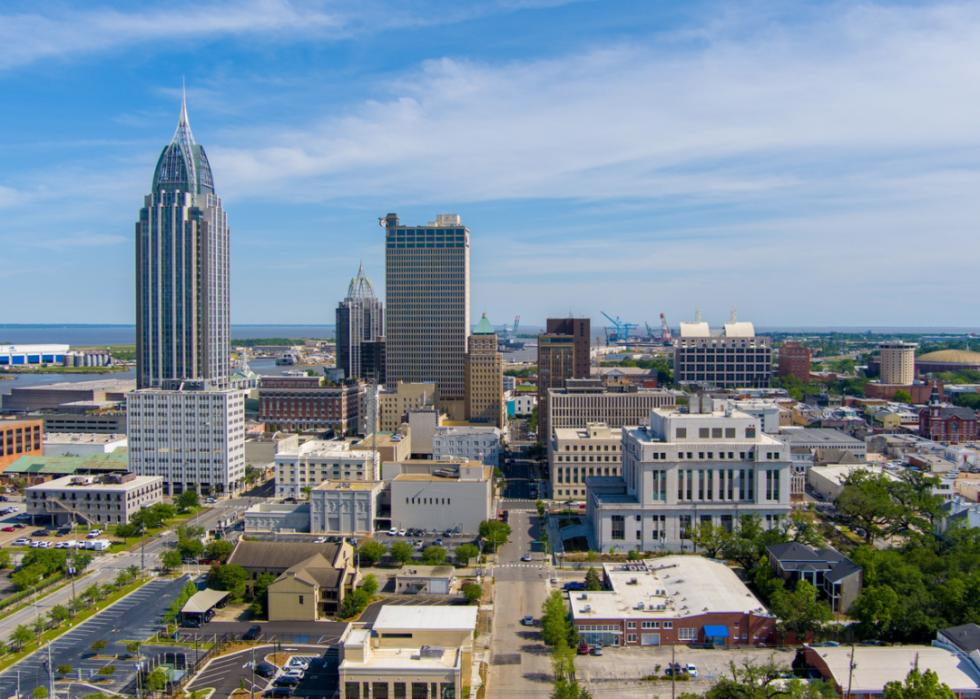
With two laws passed in 2015 and 2016, Alabama allows pharmacists to provide naloxone to first responders as well as anyone who might be around or encounter someone overdosing on opioids.
People can also request on administering Narcan and Kloxxado, a different brand name for the naloxone nasal spray. The state's health department provides plenty of online information about the life-saving medication, including a downloadable and printable "" with information about how to get naloxone and help for addiction.
#2. Alaska
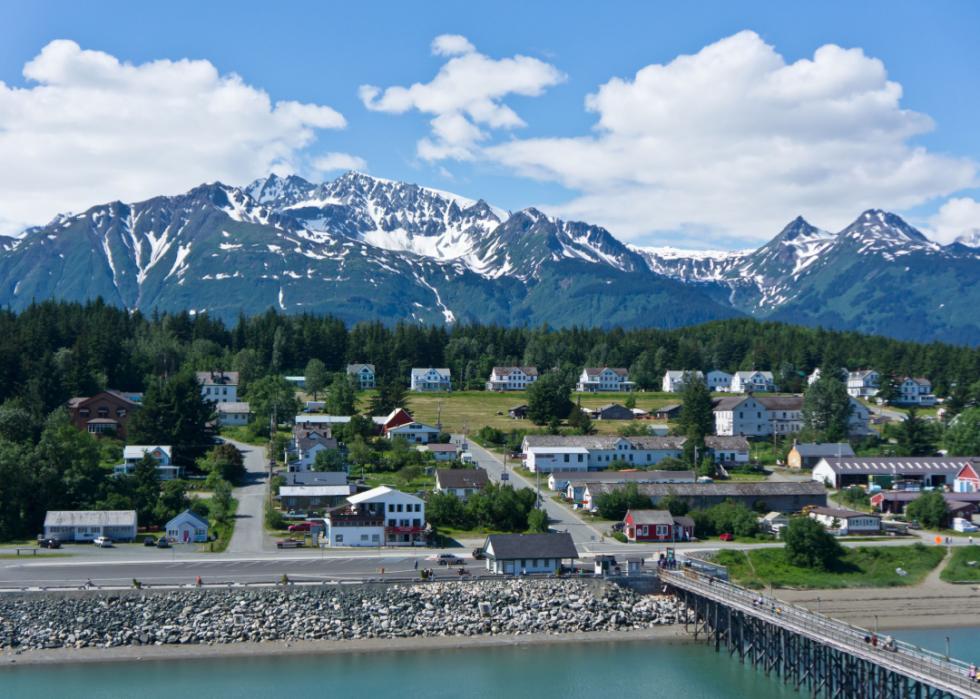
State law allows anyone at risk of overdosing or who might be in a position to assist someone experiencing an overdose to get naloxone.
In 2018, the Office of Substance Misuse and Addiction Prevention of Alaska created a five-year statewide , partly to reduce overdose deaths, including a recommendation that health providers recognize opioid addiction as a chronic disease.
#3. Arizona
The state has a standing order allowing pharmacists to dispense naloxone to anyone without needing a prescription. In addition, state lawsays someone who gives another person naloxone or another opioid-overdose drug "in good faith and without compensation is not liable for any civil or other damages as the result of the act."
The Arizona Department of Health Services recommends clinicians and first responders follow , including carefully considering whether a patient's situation requires opioids instead of other painkillers to prevent unnecessary use and reduce the risk of dependency.
#4. Arkansas
Arkansas' law allows licensed health care providers, including pharmacists, to make naloxone available to anyone at risk or in a position to assist someone at risk. The state health department has a standing order for dispensing and administering naloxone, highlighting risk factors for overdose, which are not just past opioid use but also the use of other drugs, tobacco, and alcohol.
The order warns that a person who receives naloxone may experience "acute withdrawal symptoms" such as nausea, diarrhea, fever, body aches, anxiety, and disorientation.
#5. California
A statewide standing order permits community organizations to dispense naloxone without a prescription to a person at risk or in a position to assist a person at risk. It also allows licensed health care providers, including pharmacists, to make naloxone available to anyone.
A state law passed in 2019 requires any medical professional who prescribes high levels of opioids or any amount of opioids in conjunction with a certain type of depressant drug to issue the patient a naloxone prescription. The law also requires prescribers to distribute information on overdose prevention to patients and caregivers.
#6. Colorado
About 17,844 people have died in Colorado due to an opioid-related overdose since 2000, according to the anti-overdose organization .
Colorado health officials approved the dispensing of naloxone through a standing order, allowing pharmacies, licensed physicians, and mental health professionals to dispense naloxone without a prescription to someone at risk or in a position to assist someone at risk, as well as to first responders and harm reduction organizations.
The standing order "covers the possession and distribution of naloxone kits," including intramuscular injections and nasal atomizers, but does require the recipients to receive training on administering the drug.
#7. Connecticut
Since 2012, anyone in Connecticut has been able to get naloxone without a prescription. Two years later, another law clarified that anyone who administers naloxone to a person in need is protected from civil and criminal liability.
A 2019 law prevents life insurance companies from denying coverage to people who have received a naloxone prescription. It also requires hospitals and ambulance workers to report overdoses to state officials.
#8. Delaware
A standing medical order in Delaware authorizes the distribution of naloxone to anyone who has completed a one-hour training course on administering the drug.
In Delaware, naloxone is free and can be ordered by mail, according to the state's . The program also offers recommendations on how to deal with addiction and links to emergency and crisis services.
#9. Florida
In September 2022, the Florida Department of Health authorized a statewide standing order that allows registered health care practitioners and pharmacists to dispense naloxone to patients, caregivers, and first responders without a prescription.
State health offices also offer to anyone 18 and older at risk of an opioid overdose, someone caring for an at-risk person, or someone who may likely encounter a person having an overdose.
#10. Georgia
In 2019, the state Public Health Department issued a standing order allowing anyone to get naloxone either as a nasal spray or a syringe for injection. The state aims to enable "the widest possible availability of naloxone among the residents" of Georgia.
State officials also encourage people to become familiar with the , such as a pale face, bluish fingernails and lips, vomiting, inability to wake up or speak, or slow breathing and heartbeat. , including online videos, teach people how to administer the drug. The training is recommended, not required.
#11. Hawaii
In 2018, Hawaii lawmakers passed a law allowing health care providers, including pharmacists, to make naloxone available to anyone at risk or in a position to assist someone at risk, or to a harm reduction organization.
The law says unintentional drug overdoses are "one of the leading causes of injury-related mortality in Hawaii" and cost the state nearly $10 million in hospital costs in 2016 alone.
#12. Idaho
In Idaho, any health professional can prescribe, dispense, and administer naloxone or other anti-overdose medication to anyone under a state law passed in 2019. in Idaho for Medicaid holders and anyone else鈥攔egardless of insurance coverage or lack thereof鈥攖hrough community help groups and addiction treatment centers.
#13. Illinois
A statewide standing order allows health care professionals, including pharmacists, to give naloxone to anyone who requests it. Overdose education and naloxone distribution programs, which police may run, hospitals, local governments, private companies, or other community groups are also permitted to dispense the drug.
Anyone dispensing it must take a , including online videos, and promise to provide overdose-prevention training to anyone they dispense naloxone to.
#14. Indiana
A statewide standing order allows pharmacists and others to dispense naloxone to anyone who requests it, so long as the person or company doing the dispensing registers with state health officials each year. In recent years, the state government has to make naloxone more widely available throughout Indiana.
#15. Iowa
A statewide standing order allows pharmacists to dispense naloxone without a prescription to a person at risk, someone who can help an at-risk person, or a first responder. Before being allowed to dispense it, the pharmacist must complete a training course and assess the recipient's eligibility.
The state also asks pharmacists and other dispensers to download, print, and distribute an Iowa Department of Public Health " brochure.
#16. Kansas
to community organizations and any state resident . A statewide social service agency also runs training programs, both online and in-person, to make sure people know how to administer the drug and understand the context of the opioid crisis in Kansas and nationwide.
#17. Kentucky
A 2015 law made clear that anyone who reports a suspected drug overdose or tries to help a person who may be overdosing is not civilly or criminally liable for being at the incident.
Physicians can to dispense naloxone as needed, and the medical director of the state's Medicaid services department issued an order to follow.
Nonprofits in the state have teamed up to who requests it. And the state maintains a website where people can find out where to get .
#18. Louisiana
State law and a standing medical order allow a pharmacist to dispense naloxone to anyone. Before dispensing it, the pharmacist must review at least three points with the person requesting the medication: how to recognize opioid-overdose signs, how to properly store and administer naloxone or other opioid antagonists, and the fact they need to call emergency services immediately before or after administering naloxone.
The drug is free in Louisiana for people on Medicaid, and other insurance companies cover some or all of the cost for their participants.
#19. Maine
Maine offers 鈥攆or nasal or syringe administration鈥攖o anyone anywhere in the state. Pharmacists with a standing order from a physician can also provide it to anyone at risk or in a position to help someone at risk. There is not a statewide blanket standing order.
Free training on how to use naloxone and how to prevent overdoses in the first place is also available鈥攁s is education on . Once approved, distributors can teach the community about overdosing, enroll participants, and support policy reform, besides dispensing naloxone to friends and family of at-risk patients.
#20. Maryland
A statewide standing order allows pharmacists to dispense naloxone to anyone in Maryland. The state also keeps an and a map of public available online.
Those programs dispense free naloxone and opioid test strips upon request in person and, in some counties, by mail. No prescription, certification, or training is needed to order naloxone.
#21. Massachusetts
The state has a standing order allowing pharmacists to dispense naloxone鈥攁nd state regulators require all pharmacies to stock it. Naloxone prescriptions in Massachusetts are covered by private insurance companies and by MassHealth, the state's public health insurance plan.
The state's Bureau of Substance Addiction Services provides training.
#22. Michigan
A statewide standing order allows pharmacists who register with the state to dispense naloxone to anyone. The University of Michigan is working with a group of Ann Arbor businesses to teach employees as part of a to make naloxone more available.
#23. Minnesota
In 2023, Minnesota's legislature required schools, prisons, police, and group homes to carry naloxone as part of a statewide effort to prevent overdose deaths. Pharmacists may dispense it without a prescription to people at risk or in a position to assist, as well as first responders and school nurses. Not all pharmacies carry naloxone, though.
The Minnesota Department of Health offers a map and a to help people find the medication, the cost of which at pharmacies depends on insurance coverage. There are that distribute it for free, as well.
#24. Mississippi
A 2017 law made it so pharmacists can dispense naloxone through a statewide standing order to anyone who requests it. The initiative offers a naloxone locator, and the Narcan Now app helps people find available medication without delay.
The group's website also links to addiction treatment programs run by the state's Department of Mental Health.
#25. Missouri
A statewide standing order lets pharmacists dispense naloxone without a prescription to anyone at risk or able to help someone at risk. The medication can be ordered by mail directly on the or at any pharmacy.
Grant funding through the at the University of Missouri-St. Louis also provides naloxone to health and fire departments, treatment and recovery centers, housing providers, and law enforcement agencies in most of the state's counties.
#26. Montana
A statewide standing order lets pharmacists in Montana dispense naloxone to anyone without a prescription. The Montana Department of Public Health offers online resources and information on .
The Montana Public Health Institute works across the state to and improve patients' chances of recovery, including distributing naloxone more widely.
#27. Nebraska
Naloxone is dispensed free of charge in Nebraska through the and from pharmacists under a statewide standing order letting anyone get the medication.
State authorities promote using the free smartphone app , where people can learn to recognize an opioid-induced overdose and how to reverse it using naloxone. Other treatment and crisis response resources are also available in the app.
#28. Nevada
While there is no statewide standing order, physicians can issue standing orders to pharmacists that allow them to dispense naloxone to anyone, so long as the recipient completes some training on how to use it and how to reduce the risk of overdoses. The state publishes a about opioid use, overuse, and overdoses.
#29. New Hampshire
In New Hampshire, you can get naloxone in three ways: with a prescription from a doctor, through a standing order from a doctor to a pharmacist, and at one of the nine .
The Doorway is a state program that assists substance abuse disorder patients and their families. New Hampshire residents can request help for mental health and addiction patients by dialing 211, where trained responders will provide information and referrals to specialists at any level of treatment.
#30. New Jersey
In January 2023, New Jersey began allowing anyone 14 years old or older to receive naloxone anonymously and at no cost at designated pharmacies across the state.
The New Jersey Department of Health dispenses naloxone and offers training on how to apply it through several public and private partnerships. It also provides and their friends and family, and teaches them how to prevent and react to overdoses.
#31. New Mexico
New Mexico pharmacists have a standing order that allows them to dispense naloxone to anyone at risk or in a position to help someone at risk without a prescription.
The New Mexico Department of Health runs a with overdose prevention training and naloxone distribution. A flier with crucial information for first responders to an overdose is published and distributed in English and Spanish.
#32. New York
In 2006, New York passed a law allowing nonmedical personnel to administer naloxone to people experiencing an opioid-induced overdose. Since 2022, pharmacies can dispense naloxone to anyone who asks for it under a statewide standing order.
The state's Health Department publishes statewide, whether fatal or not, to help providers, policymakers, and the public understand the problem better.
#33. North Carolina
A statewide standing order allows pharmacists and other health care professionals to distribute naloxone to anyone who asks for it.
The state's "" program is its effort to reduce overdoses and overdose deaths, which seeks to involve community organizations in distributing naloxone across the state, including to police departments, doctors' offices, hospitals, urgent care centers, and other locations where people might turn when dealing with an overdose.
North Carolina publishes a, which includes county, state, and regional metrics, to monitor the problem and the effectiveness of actions to solve it.
#34. North Dakota
The state's Good Samaritan law protects anyone who administers naloxone to someone suspected of experiencing an overdose from prosecution for possessing or using drugs.
Pharmacists may dispense naloxone to anyone at risk of an overdose or in a position to help treat an overdose, according to state law. The state's health department promotes , an app with a five-step guide on responding to an opioid overdose.
#35. Ohio
Ohio state law allows physicians to issue standing orders to specific pharmacists, allowing them to dispense naloxone without a prescription to anyone at risk or who may be able to help someone at risk.
The state Department of Public Health runs a project to teach people to avoid overdoses and to help treat those that occur. It's called Project DAWN, an acronym for "deaths avoided with naloxone," and the middle name of Leslie Dawn Cooper, a Portsmouth, Ohio, resident who died after an opioid overdose in 2009. Her hometown is the site of the state's first naloxone distribution center.
#36. Oklahoma
The state has a standing order that allows pharmacies to dispense naloxone to anyone without a prescription or a doctor's visit. The medication is also available by mail and for free from and even at the state in Oklahoma City.
In early 2023, the state issued a warning about another drug that can be "just as deadly" as opioids and "linked to an increase in overdose deaths:" xylazine, a veterinary tranquilizer sometimes known as "tranq."
Even though xylazine is not an opioid, the state recommends administering naloxone to someone showing signs of overdose because xylazine often includes fentanyl and other opioids.
#37. Oregon
Since 2016, pharmacists have been allowed to prescribe and dispense naloxone to anyone who asks for it. A state law that permits this was updated in 2017 to remove any requirement for advanced training to make getting naloxone even easier.
The state's public health department , but it clarifies that anyone who administers it鈥攚ith or without training鈥攖o someone they suspect of overdosing is protected from arrest or prosecution.
A nonprofit called distributes free naloxone to friends and family members of opioid users in three counties in southern Oregon.
#38. Pennsylvania
A statewide standing order allows pharmacists to dispense naloxone to anyone who asks for it, though they are encouraged to take a free online training video about administering it.
The state Department of Aging to help cover the costs. In addition, the offers free naloxone kits, as well as test strips to check for xylazine and fentanyl use.
#39. Rhode Island
Pharmacists with a standing order from a physician do not need a prescription to dispense naloxone to anyone who asks. But it's easier than that: After completing a 10-minute interactive training鈥攊n or鈥攔esidents of Rhode Island can request free naloxone to be mailed to their homes. Several harm reduction organizations can.
#40. South Carolina
In 2015, South Carolina lawmakers authorized licensed pharmacists to dispense naloxone without a prescription. That law also allows first responders to carry and administer the medication. However, the law is more restrictive than those passed in most states, as opioid users and their direct caregivers are the only ones allowed to order the medication.
#41. South Dakota
A statewide standing order allows at-risk people or their friends and family members to get naloxone without a prescription. The recipient must also receive training on what an overdose looks like and how to use the medication. The state Department of Health runs a program to about the risks of using opioids.
#42. Tennessee
In 2014, Tennessee passed a "good Samaritan" civil immunity law protecting people who administer naloxone or other opioid-overdose reversal medications. A 2016 state law allows pharmacists to dispense naloxone without a prescription to people at risk, and family, friends, or "close associates" of people at risk.
#43. Texas
Texas pharmacies can request a standing order from the state's Health and Human Services Commission, which allows those pharmacies to dispense naloxone to a person at risk of an overdose or someone who could help an at-risk person.
The state links to a to help people find the medication in Texas or elsewhere. Texas also provides for pharmacists, social workers, physicians, and other health professionals who want to learn opioid response techniques, addiction recovery, and harm reduction methods.
#44. Utah
Since 2016, Utah pharmacists have been able to dispense naloxone to people at risk of an overdose or those who can help at-risk people. Insurance may cover medication, but if not, the person receiving it will have to pay. Various locations throughout the state, including some libraries, fire stations, public health offices, and community centers, offer .
#45. Vermont
A statewide standing order allows pharmacists to dispense naloxone to anyone without a prescription. On Aug. 31, 2023, a was installed in the town of Johnson, allowing anyone to enter a numeric code and receive free naloxone. It dispensed 54 naloxone kits during its first week of operation.
The Vermont Department of Health also partners with community organizations to provide .
#46. Virginia
Virginia pharmacies are allowed鈥攂ut not required鈥攖o dispense naloxone to anyone who asks for it under a statewide standing order.
The state offers using naloxone, aimed at families and friends of opioid users and the users themselves. First responders, such as police officers, must receive specialized industry-specific training before carrying the medication.
#47. Washington
According to the , fentanyl caused 65% of drug-related deaths in Washington in 2022.
A statewide standing order allows anyone to get naloxone from a pharmacy, including "anyone who may witness an opioid overdose," so long as they learn how to use it. However, access is not as simple as that order might suggest.
The Seattle Times newspaper reported in May 2023 that pharmacists at several different pharmacies " unless customers were patients on file and could provide a name, identification and insurance information." State and local government agencies in Washington and around the country are about to get to help fight the opioid crisis.
#48. Washington DC
The D.C. Department of Behavioral Health is clear and direct: "Naloxone is available in every ward in the District, at no cost and no ID or prescription," thanks to a local law enacted in 2016. Narcan nasal spray is available in by texting "LiveLongDC" to 888-811.
#49. West Virginia
West Virginia's efforts to fight the opioid overdose epidemic start by acknowledging a devastating truth: , according to the CDC.
A statewide standing order allows any pharmacist to dispense naloxone to anyone at risk of an overdose or in a person who could help such a person, so long as they have been given information about how to recognize an overdose and how to use the medication.
The state's organization provides a , crisis support, a telephone hotline, syringe exchange services, and other assistance for those using opioids and those who care about them.
#50. Wisconsin
The state's standing order allows pharmacies that register to dispense naloxone to anyone at risk of an overdose or who may be able to help a person experiencing an overdose.
The Wisconsin Department of Health Services provides information about the, along with crucial data about opioid use in the state, on online dashboards that clearly show the status of the opioid crisis in Wisconsin.
#51. Wyoming
A 2017 Wyoming law allows pharmacists to provide the general public and law enforcement personnel with naloxone without a prescription. Though naloxone is not free when ordered at a pharmacy, the state's Department of Health runs the program, providing agencies and organizations with free nasal sprays to distribute in the community.
Additional writing and story editing by Jeff Inglis. Additional story editing by Kelly Glass. Copy editing by Kristen Wegrzyn.