How ad spending in the US compares to the rest of the world
This story originally appeared on Wicked Reports and was produced and distributed in partnership with 麻豆原创 Studio.
How ad spending in the US compares to the rest of the world
While it may not immediately occur to most people, the advertising industry is one of the largest and most pervasive industries in the world and also one of the most multifarious. When you think of advertising, some common modes include television ads, internet ads, radio commercials, physical advertisements such as billboards and signage, and social media campaigns. But within each of these categories are even further sub-categories, and how each is employed and consumed differs from country to country, which is also to say they differ by society.
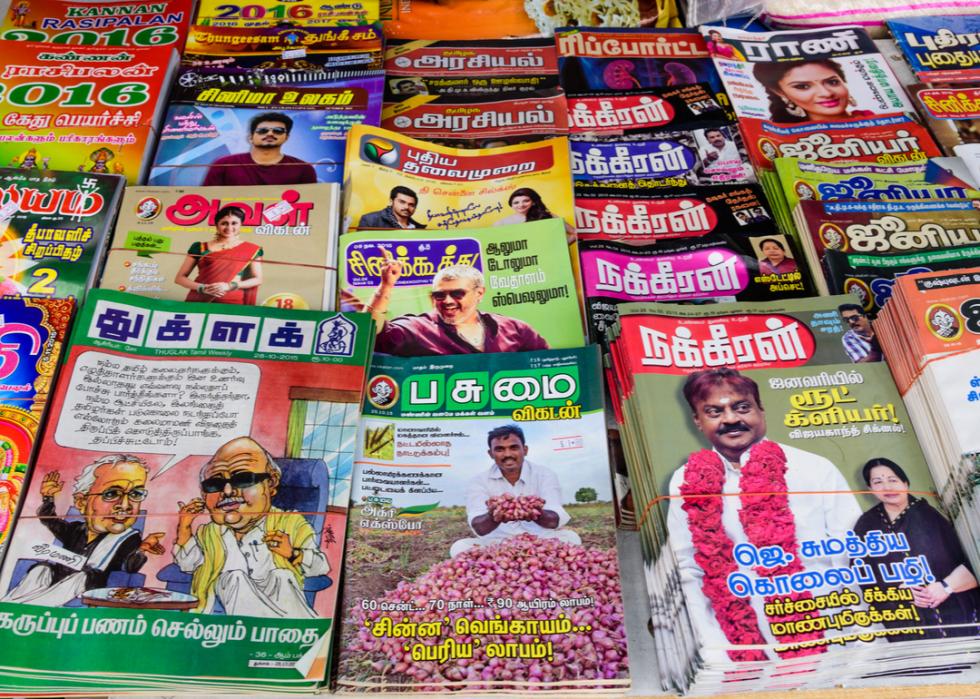
Advertisers in different parts of the world focus their spending on different delivery methods based on people鈥檚 media consumption habits. In India, for example, newspaper advertising comprises more than a quarter of the nation鈥檚 overall advertising spend, while in Switzerland magazines get the lion鈥檚 share of ad dollars, and in the U.K. internet advertising is king.
The U.S. advertising market spends the overall in terms of sheer dollars鈥攏early triple that of China鈥攁nd as a percentage of gross domestic product. Though studies show that more than half of Americans , one of the most popular and pervasive forms of advertising, the American ad industry may employ the philosophy that less is not more鈥攎ore is more. When the average person needs to see something before it makes a significant impression, it is a modus operandi unlikely to change anytime soon.
In order to break down what forms of advertising find the most and least use around the world, ranked the 20 countries spending the most on advertising by the percentage of national GDP using data from and the . The net figures are generally compiled by an independent body that conducts a survey of advertisers, advertising agencies, and media owners. Local-currency figures have been converted into U.S. dollars at the average exchange rate for 2020.
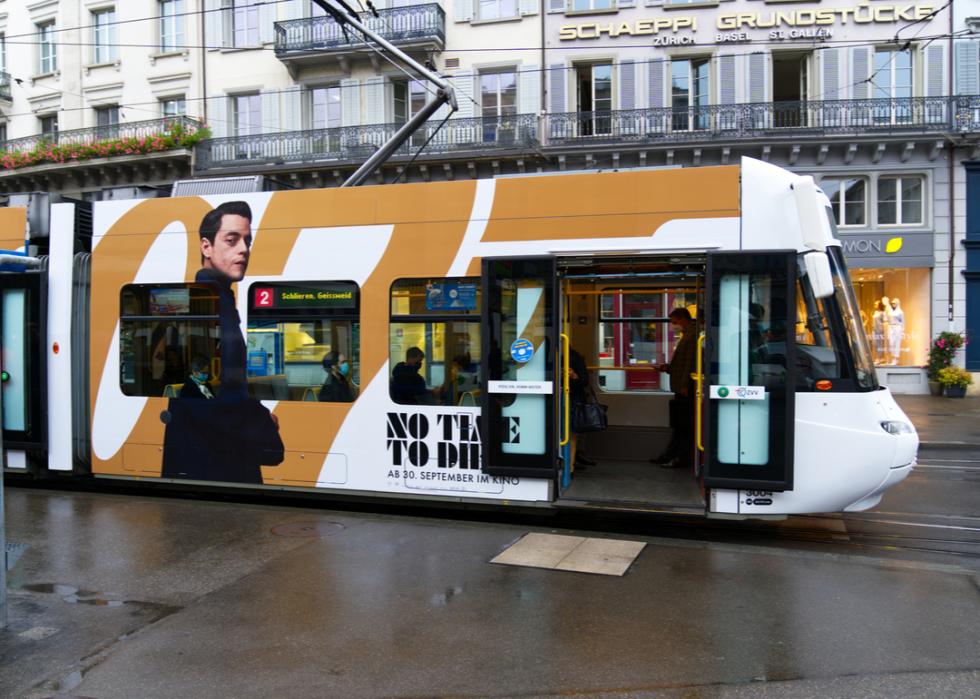
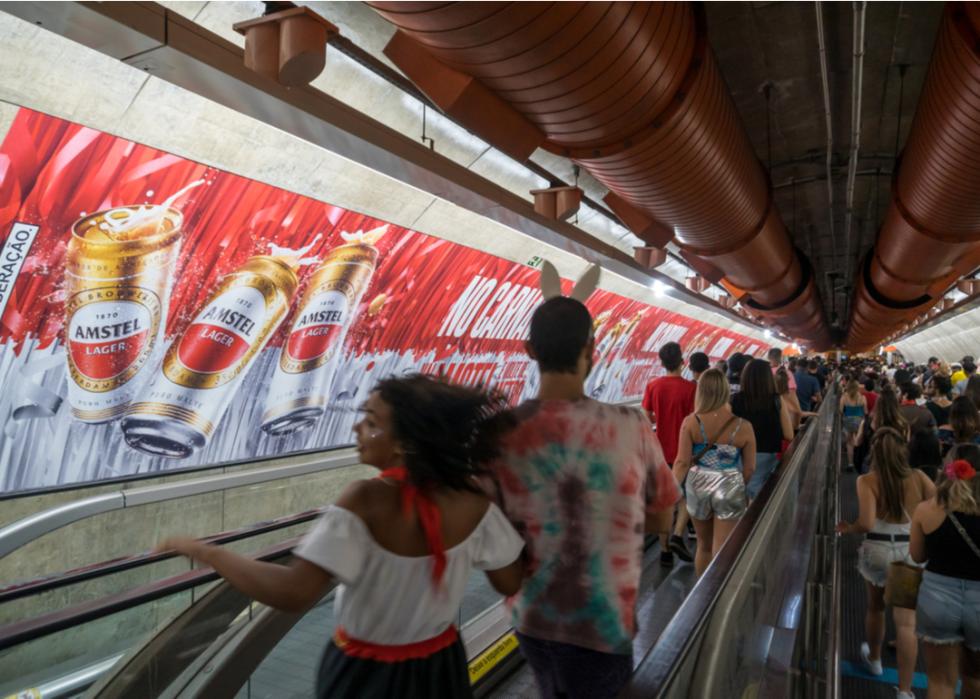
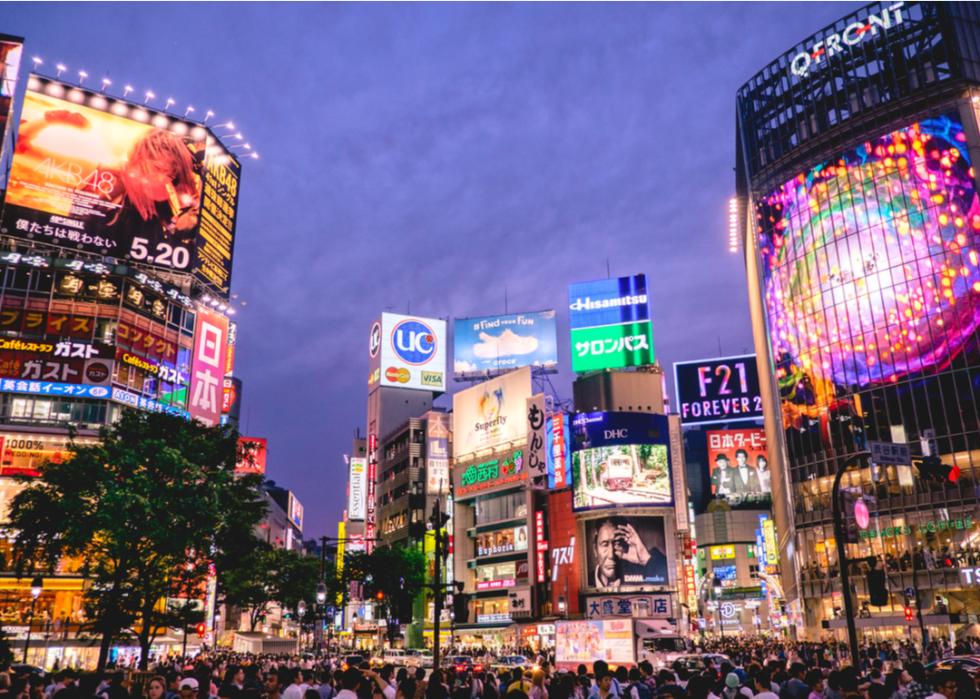
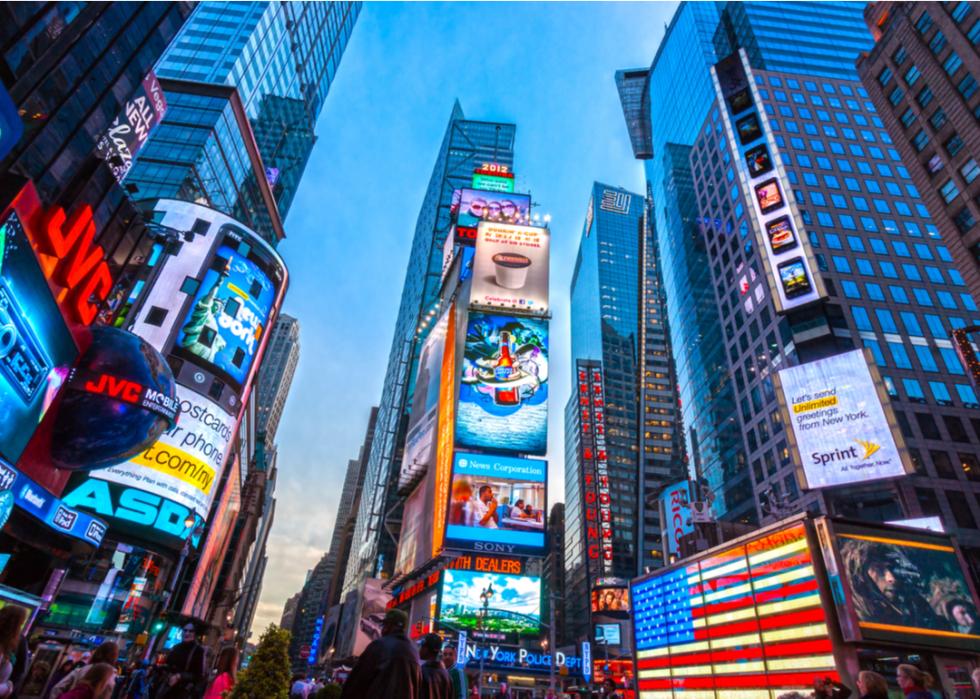
For each region listed, ad spending has been broken down by sub-industry including internet ads, TV ads, newspaper ads, magazine ads, and radio ads. Internet ads include traditional display ads such as banners, online videos, classified, paid search results, internet radio, podcasts, and social media. Television ads include network, cable, spot ads, and syndication. Magazine ads include those in consumer publications as well as business-to-business publications. Radio includes local and network ads. Out-of-home includes billboards, neon signs, train and bus ads, plus poster boards, outdoor video screens, and airport and taxi ads.
#20. Pan Arab
- Percentage of GDP spent on advertising: 0.32%
- Ad spend in U.S. dollars: $6.01 billion
-- 83.6% spent on internet ads
-- 16.0% spent on TV ads
-- 0.1% spent on newspaper ads
-- 0.4% spent on magazine ads
-- 0.0% spent on radio, cinema, and out-of-home ads
The Pan Arab region encompasses international advertising in Saudi Arabia, United Arab Emirates, Kuwait, Oman, Bahrain, Qatar, Jordan, Syria, Lebanon, Yemen, and Egypt. A decade ago this region would not have made this list, but by 2024 predicts Pan Arab advertisers鈥 expenditure to be $8.48 billion. Out of the top 20, this region spends the highest percentage on internet ads for mobile and desktop browsing.
#19. India
- Percentage of GDP spent on advertising: 0.38%
- Ad spend in U.S. dollars: $10.13 billion
-- 24.0% spent on internet ads
-- 40.0% spent on TV ads
-- 27.4% spent on newspaper ads
-- 1.1% spent on magazine ads
-- 7.5% spent on radio, cinema, and out-of-home ads
Despite a trending reduction in print media, India saw the highest percentage of ad dollars spent on newspaper ads. One reason for this is the fact that India registered more than nationwide in 2021. Newspaper revenue reached 184 billion Indian rupees in 2020, making this form of media particularly attractive to advertisers looking to reach the greatest number of consumers with each spend. That being said, TV advertisers still eat the largest piece of the promotional pie, top among them Hindustan Unilever (a subsidiary of Unilever Global) and British health and hygiene company Reckitt Benckiser.
#18. Mexico
- Percentage of GDP spent on advertising: 0.42%
- Ad spend in U.S. dollars: $4.46 billion
-- 67.4% spent on internet ads
-- 23.3% spent on TV ads
-- 1.4% spent on newspaper ads
-- 0.7% spent on magazine ads
-- 7.3% spent on radio, cinema, and out-of-home ads
Mexico鈥檚 ad expenditure was $2.9 billion just a decade ago and is to reach $6.5 billion by 2024. Mexico is the second-largest media market in Latin America (behind Brazil) with 18% of the region's advertising spending. Internet ads are the predominant method of advertising, which figures since of the 92 million internet users in the country access the internet via their smartphones.
#17. Spain
- Percentage of GDP spent on advertising: 0.49%
- Ad spend in U.S. dollars: $6.24 billion
-- 46.9% spent on internet ads
-- 33.5% spent on TV ads
-- 4.3% spent on newspaper ads
-- 1.7% spent on magazine ads
-- 13.6% spent on radio, cinema, and out-of-home ads
French personal care company L鈥橭real is Spain鈥檚 top advertiser. American consumer goods company Procter & Gamble and the mobile network operator Orange come in second and third, respectively. For 94.6% of Spaniards, are the most common way to connect to the internet. Companies clearly know where their ad dollars hit hardest, explaining in large part why nearly half of all ad dollars are driven to the internet.
#16. Italy
- Percentage of GDP spent on advertising: 0.49%
- Ad spend in U.S. dollars: $9.23 billion
-- 40.1% spent on internet ads
-- 42.9% spent on TV ads
-- 5.2% spent on newspaper ads
-- 2.8% spent on magazine ads
-- 9.0% spent on radio, cinema, and out-of-home ads
Italy鈥檚 overall ad spend has seen a slight drop over the last decade, but analysts it will reach $9.4 billion by 2024. Leading advertisers include Volkswagen, Ferrero Group (of the world-famous Nutella and Ferrero Rocher chocolates, among other brands), and Barilla, purveyor of pasta. With so many Italians , it is no surprise that TV ads are the highest among category spends.
#15. Netherlands
- Percentage of GDP spent on advertising: 0.51%
- Ad spend in U.S. dollars: $4.69 billion
-- 63.4% spent on internet ads
-- 19.4% spent on TV ads
-- 5.6% spent on newspaper ads
-- 3.4% spent on magazine ads
-- 8.2% spent on radio, cinema, and out-of-home ads
The Netherlands showed very little growth between 2011鈥檚 spend of $4.5 billion and its present level, despite a steady, if unremarkable growth in population鈥攎eaning more and more people to advertise to. But that has not stopped forecasters from a $6.5 billion ad industry by 2024. Top Dutch TV advertisers include global companies like Procter & Gamble and Unilever, as well as Albert Heijn, the Netherlands鈥 largest supermarket chain.
#14. Russia
- Percentage of GDP spent on advertising: 0.52%
- Ad spend in U.S. dollars: $7.65 billion
-- 54.9% spent on internet ads
-- 34.8% spent on TV ads
-- 0.5% spent on newspaper ads
-- 0.9% spent on magazine ads
-- 8.9% spent on radio, cinema, and out-of-home ads
This is the one country where statistics should be taken with a veritable pillar of salt, given recent international developments, but according to trend forecasting, Russia鈥檚 advertising expenditure is expected to . Financial services company Sber, mobile network operator MTS, and Pepsi Co. are the nation鈥檚 , while Swiss food producer Nestle, Swedish telephone operator Tele2, and British consumer goods company Reckitt Benckiser lead among
#13. France
- Percentage of GDP spent on advertising: 0.57%
- Ad spend in U.S. dollars: $15.12 billion
-- 54.7% spent on internet ads
-- 24.5% spent on TV ads
-- 3.8% spent on newspaper ads
-- 4.0% spent on magazine ads
-- 12.9% spent on radio, cinema, and out-of-home ads
One of 19 countries that use the euro, France has in its overall ad spend since 2011 ($12.3 billion). Advertising to minors is strictly regulated. Ads of all kinds are 15 minutes before and after any program intended for children under 12. In certain French cities, among them the northern historic city of Lille, groups have in recent years begun to against advertising, saying that it 鈥渂reaks your spirit.鈥
#12. China
- Percentage of GDP spent on advertising: 0.62%
- Ad spend in U.S. dollars: $90.94 billion
-- 72.0% spent on internet ads
-- 13.8% spent on TV ads
-- 0.5% spent on newspaper ads
-- 0.3% spent on magazine ads
-- 13.4% spent on radio, cinema, and out-of-home ads
China may rank 12th in terms of the percentage of GDP spent on ads, but it鈥檚 still the second-largest market in terms of total dollars spent. Spending on advertisements in China rose from and is expected to reach an estimated $106.7 billion by 2024. Like in many markets, traditional print and have been shrinking while outdoor and internet ads have been on the rise.
#11. Germany
- Percentage of GDP spent on advertising: 0.67%
- Ad spend in U.S. dollars: $25.75 billion
-- 48.5% spent on internet ads
-- 19.2% spent on TV ads
-- 13.3% spent on newspaper ads
-- 11.1% spent on magazine ads
-- 7.8% spent on radio, cinema, and out-of-home ads
The German advertising industry has been over the past four years after a $2 billion jump between 2015 and 2017. Among the country鈥檚 top advertisers are Procter & Gamble, Ferrero Group, supermarket chain Lidl, and Amazon. Google and Monster the digital ad spend.
#10. Canada
- Percentage of GDP spent on advertising: 0.68%
- Ad spend in U.S. dollars: $11.16 billion
-- 66.0% spent on internet ads
-- 18.8% spent on TV ads
-- 2.5% spent on newspaper ads
-- 0.5% spent on magazine ads
-- 12.2% spent on radio, cinema, and out-of-home ads
Canada鈥檚 total advertising expenditure was $8 billion in 2011 and is estimated to be $13.5 billion by 2024. Digital media consumption in 2020 by Canadians was 5 hours and 29 minutes on average. The near two-thirds majority of ad spending on digital equates with toward digital media, which accounted for, on average, 5 hours and 29 minutes of every day as of 2020鈥攁nd is a number only projected to go higher.
#9. South Korea
- Percentage of GDP spent on advertising: 0.74%
- Ad spend in U.S. dollars: $12.05 billion
-- 48.4% spent on internet ads
-- 26.3% spent on TV ads
-- 13.1% spent on newspaper ads
-- 3.0% spent on magazine ads
-- 9.2% spent on radio, cinema, and out-of-home ads
South Korea鈥檚 ad spend has increased from $9.6 billion in 2011 but has remained over the last four years, even throughout the 2018 Winter Olympic Games in PyeongChang. have been trending downward while spending on digital ads is at an all-time high. In a country where have a smartphone, digital ad spend has little to do but rise.
#8. Switzerland
- Percentage of GDP spent on advertising: 0.85%
- Ad spend in U.S. dollars: $6.39 billion
-- 29.7% spent on internet ads
-- 31.7% spent on TV ads
-- 12.1% spent on newspaper ads
-- 11.8% spent on magazine ads
-- 14.8% spent on radio, cinema, and out-of-home ads
Swiss advertisers spend a higher percentage of their advertising dollars on magazine ads than any other country on this list. In this country of nearly 9 million, magazine readership remains , with Beobachter (Observer) and Schweizer Illustrierte (Swiss Illustrated) topping out in popularity with 788,000 and 495,000 readers per issue, respectively. Switzerland鈥檚 media market is unique in that it is split into a large German-language market and smaller French and Italian markets, based on geographic regions with its border nations (which are, of course, Germany, France, and Italy).
#7. Australia
- Percentage of GDP spent on advertising: 0.88%
- Ad spend in U.S. dollars: $11.64 billion
-- 66.4% spent on internet ads
-- 23.3% spent on TV ads
-- 4.3% spent on newspaper ads
-- 0.6% spent on magazine ads
-- 5.5% spent on radio, cinema, and out-of-home ads
The Australian ad market took a deep hit in 2020 due to the COVID-19 pandemic, dropping from $11.3 billion to just under $9.9 billion. But it proved to weather the lockdowns and emerged with resilience in 2021, besting its 2019 numbers by $270 million. In, the industries spending the most on advertising included retail, communications, finance, and gaming. Here as in other countries on this list, Procter & Gamble made the biggest ad spend splash.
#6. Brazil
- Percentage of GDP spent on advertising: 0.91%
- Ad spend in U.S. dollars: $13.09 billion
-- 42.9% spent on internet ads
-- 46.0% spent on TV ads
-- 3.5% spent on newspaper ads
-- 0.9% spent on magazine ads
-- 6.7% spent on radio, cinema, and out-of-home ads
Out of the countries on this list, Brazil spends the highest percentage on TV ads. On average Brazilians spend watching TV each day. Advertising spend in this largest market in Latin America is to hit $17 billion by 2024. that Brazilians are comfortable with digital ads on all forms of media, including on streaming TV.
#5. Belgium
- Percentage of GDP spent on advertising: 0.92%
- Ad spend in U.S. dollars: $4.8 billion
-- 14.8% spent on internet ads
-- 44.9% spent on TV ads
-- 15.3% spent on newspaper ads
-- 5.3% spent on magazine ads
-- 19.7% spent on radio, cinema, and out-of-home ads
Belgian advertisers spend a higher percentage of their advertising dollars on radio, cinema, and out-of-home ads than any other country on this list, but overall in Belgium is lagging behind its European peers. is the top advertiser in Belgium (as it is for multiple other countries on this list).
#4. Japan
- Percentage of GDP spent on advertising: 1.02%
- Ad spend in U.S. dollars: $51.75 billion
-- 47.1% spent on internet ads
-- 34.0% spent on TV ads
-- 6.0% spent on newspaper ads
-- 2.0% spent on magazine ads
-- 10.8% spent on radio, cinema, and out-of-home ads
Japan is the world鈥檚 ad market with projections of $57 billion in ad expenditure by 2024. Online ads surpassed and show no sign of slowing down. The two biggest ad agencies in Japan are Dentsu Group and Hakuhodo.
#3. Indonesia
- Percentage of GDP spent on advertising: 1.18%
- Ad spend in U.S. dollars: $12.49 billion
-- 38.9% spent on internet ads
-- 55.0% spent on TV ads
-- 6.0% spent on newspaper ads
-- 0.1% spent on magazine ads
-- 0.0% spent on radio, cinema, and out-of-home ads
202.6 million Indonesians are active internet users, making it for advertising in the world. On average, Indonesians 8 hours and 52 minutes each day online and another 2 hours and 50 minutes watching TV. Still, only 11.2% of the population makes purchases or pays bills online.
#2. United Kingdom
- Percentage of GDP spent on advertising: 1.29%
- Ad spend in U.S. dollars: $35.62 billion
-- 77.2% spent on internet ads
-- 14.7% spent on TV ads
-- 2.3% spent on newspaper ads
-- 0.8% spent on magazine ads
-- 5.0% spent on radio, cinema, and out-of-home ads
Out of the countries on this list, the United Kingdom sees the highest percentage of ad spending on internet ads. The U.K. has a digital advertising body, Internet Advertising Bureau UK, which works within the digital ad industry to identify emerging trends and to 鈥渕ake sense of the U.K.鈥檚 changing online habits.鈥
The country鈥檚 total ad spend is expected to exceed $41 billion by 2024, though that will all depend on the long-term ramifications of Brexit, of which there is no shortage of differing opinions鈥攁mong them Andrew Dimitriou, CEO of U.K. ad agency WMYL&R, who was quoted in Campaign as being on 鈥渁dland鈥 returning to the more robust projections in place prior to Brexit and the COVID-19 pandemic鈥檚 onset.
#1. United States
- Percentage of GDP spent on advertising: 1.36%
- Ad spend in U.S. dollars: $285.21 billion
-- 64.2% spent on internet ads
-- 21.9% spent on TV ads
-- 2.8% spent on newspaper ads
-- 3.2% spent on magazine ads
-- 7.9% spent on radio, cinema, and out-of-home ads
When it comes to national dedication to the advertising sphere, the United States is at the top by quite a lot. The country鈥檚 industry spends more than double on advertising than China, the second-highest-spending country in terms of ad dollars at $90.94 billion. put American ad buys at $364.9 billion by 2024. is the U.S.鈥檚 biggest advertiser, followed closely by Comcast, AT&T, and Procter & Gamble.