This story originally appeared on Wicked Reports and was produced and distributed in partnership with 麻豆原创 Studio.
How AI predicts what you鈥檒l buy
It鈥檚 a jungle out there鈥攆ew places so much so as the world of 鈥渟mart鈥� advertising.
There, marketing geniuses have developed increasingly sophisticated algorithms that take all the information gathered about you online or from your phone and piece together a customer profile that may include everything from your favorite pair of socks to your children鈥檚 names.
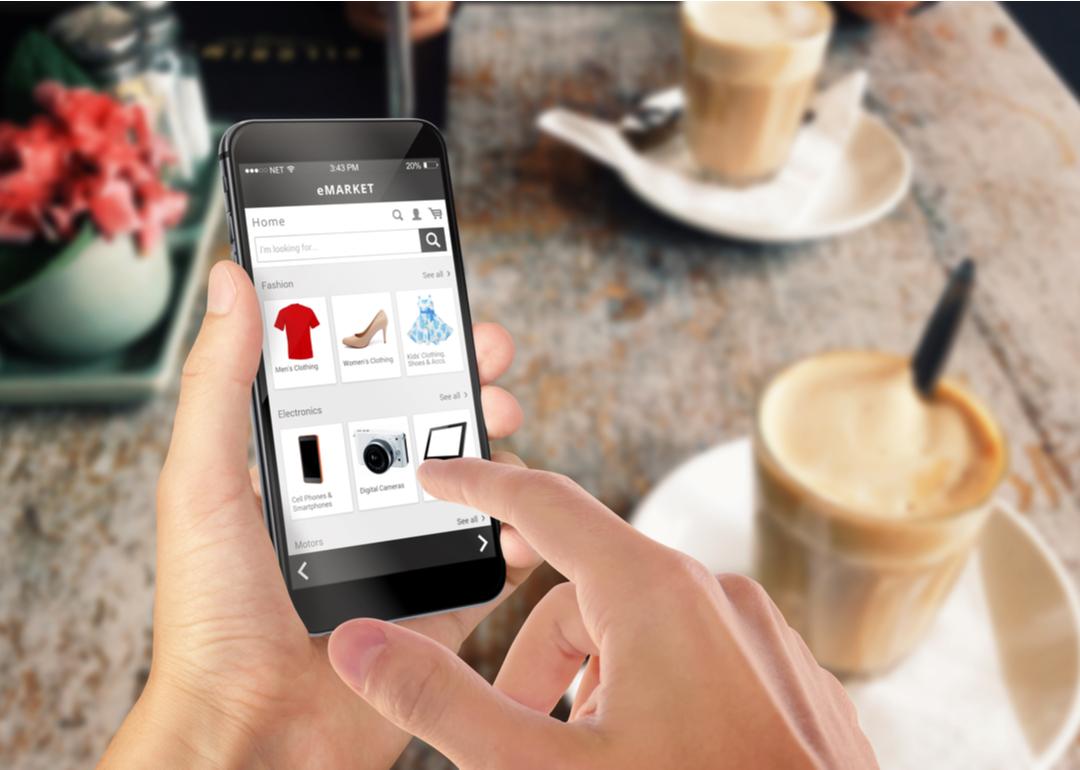
Analyzing current market practices, explored how artificial intelligence, or AI, can be wielded to gather data and make sales predictions across the internet. Some techniques you may know, such as persistent cookies that turn your computer into a ping hub for the websites you visit. Others are much more sophisticated, compiling all of your characteristics by analyzing what you鈥檝e bought in the past, what you鈥檝e put in your cart and abandoned, and what you鈥檝e searched for. From there, advertisers can even make a version of similar customers to market to them as well.
The digital advertising industry is in 2022. That鈥檚 far from enough to crack the , but it鈥檚 a substantial amount of money鈥攑articularly when compared to the big-ticket ad buys of the past in splashy magazine spreads. Companies today are more eager than ever to spend what it takes to bring in ideal customers.
Continue reading to discover some of the tactics AI uses to predict buying behaviors.
Compiling user movement across the web
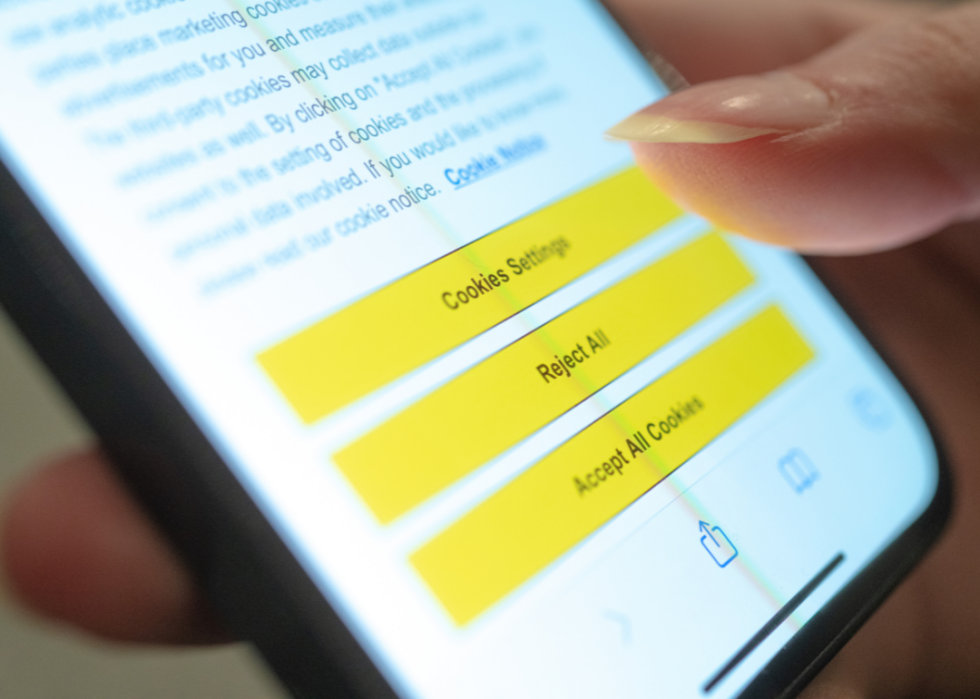
You may know about cookies: tiny text files that websites deposit on your computer as a way to track online behavior.
When you visit websites from Europe, for example, a law there mandates that you click through a cookie agreement that鈥檚 much more transparent than in the U.S. There are session cookies lasting one browsing 鈥渟ession鈥� (until you restart your computer or browser) and persistent cookies that stay until you delete them. Think of a cookie as a waving arm each time you visit the same website. Together, they form a heat map of how often and when you visit every website in your browsing history. They can even flag your presence to other websites as a way to combine your data.

Identifying user characteristics
User characteristics, and something called demographic segmentation, is a key way online advertising targets you. User characteristics are any of your qualities, from your gender and age to what car you drive and the pets you own. These user characteristics lead to the advertising concept of demographic segmentation, in which companies can buy lists of really specific people.
Are you a 25-year-old white man with one dog, a full-time job as an auto tech, and an apartment rental in a 鈥渢ransitional鈥� neighborhood? We have just the plaid shirt for you.
Mapping user location data
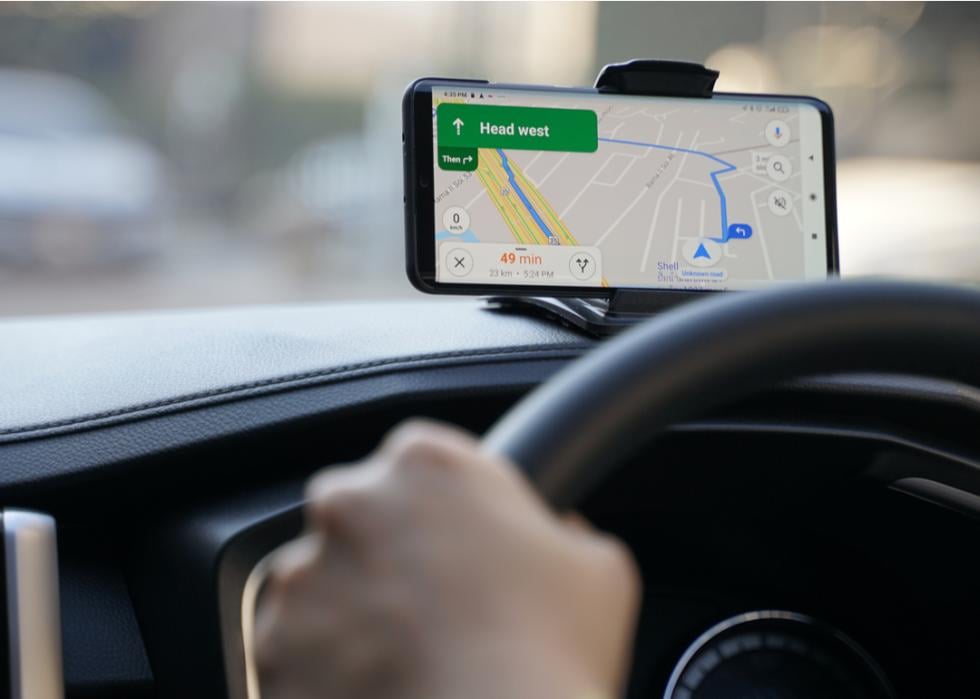
If you鈥檝e used GPS in your smartphone or any of the hyperlocal dating apps, you鈥檝e leveraged location data to your advantage鈥攁t least for now.
How does your phone know where you are? Cellphone towers ping your phone when you鈥檙e nearby. In your home, your Wi-Fi network is likely hardcoded with your location. That鈥檚 also true of any Wi-Fi network you hop into or onto during your errands, at school, at work, and so forth. After that, GPS can pinpoint your phone to an alarmingly small area as you carry it around, so not just in your home but in one corner of one room.

Matching new users to known customers who look and act in similar ways
Some items on this list are not very surprising, or we鈥檙e used to being told about them so they don鈥檛 seem as insidious and scary as they once did. But people are likely still surprised by the depths that companies will go to in order to better advertise to you. Your favorite clothing store, for example, might of you: what you鈥檝e purchased from them, what size you shop for, where your address is, and more. Then they can reverse engineer someone just like you and buy a demographically matching list.
Anything can be filtered until just the exact desired customer base remains, and then they buy the ads.
IP address targeting by network connection
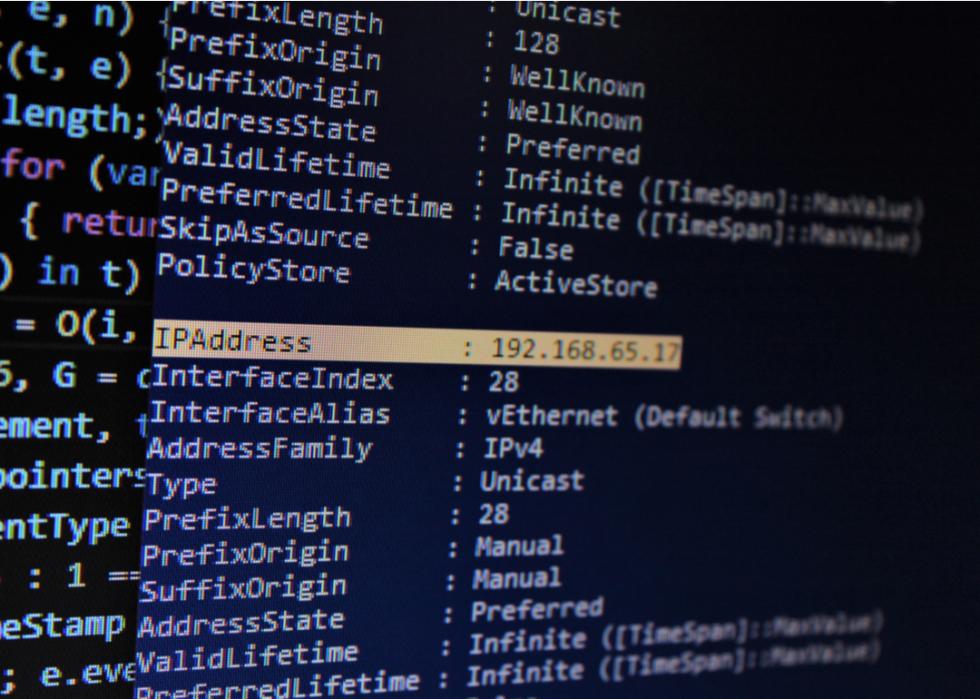
How much do you know about your IP address? Many of us are old enough to remember a time when connecting to the internet required knowing a specific IP address and typing it into our PC settings.
Today, the router you likely have in your home has a hard-coded IP address whose number values reflect where you are as well as which 鈥渘ode鈥� you have on your local network. That information because, with the right technology, they can use some IP addresses in order to infer the rest鈥攁nd guess where you live. Apple is among on IP targeting of this nature by masking IP addresses in its proprietary browser Safari.