LGBTQ+ individuals are disproportionately impacted by gun violence. Here's what the data shows
originally appeared on and was produced and distributed in partnership with 麻豆原创 Studio.
LGBTQ+ individuals are disproportionately impacted by gun violence. Here's what the data shows
Cultural attitudes toward LGBTQ+ rights have undergone a massive shift over the past several decades, with many people who once opposed them becoming , according to historians, than most other issues in American history. Over the last decade alone, the enshrinement of the right to same-gender marriage and the to protect LGBTQ+ individuals from discrimination have demonstrated the issue's shifting landscape.
Despite these movements鈥攐r perhaps because of them鈥攁 backlash, both legal and cultural, has been playing out in courtrooms, on the floors of legislatures, in classrooms, and on the streets. Anti-LGBTQ+ hate groups , swaths of anti-trans legislation have been signed into law, and coordinated efforts to have grown. Moreover, Americans' views on trans rights are : While most favor protections for trans people against discrimination, many simultaneously believe gender is determined by one's assigned sex at birth.
Most alarming is the violence targeting LGBTQ+ individuals and communities. Queer people are disproportionately victimized in almost all types of violent crime but are , according to the Williams Institute.
The exact scope of the problem is unknown, mostly due to incomplete and inadequate data gathering on LGBTQ+ communities, a lack of funding for research, and other issues. However, existing data on gun-related hate crimes and intimate partner violence against LGBTQ+ people, particularly gender-expansive people and queer people of color, documents a clear and disturbing pattern of homophobic and transphobic violence. partnered with 麻豆原创 to compile statistics about the disproportionate impact of gun violence on LGBTQ+ people using data from various academic, research, and government sources.
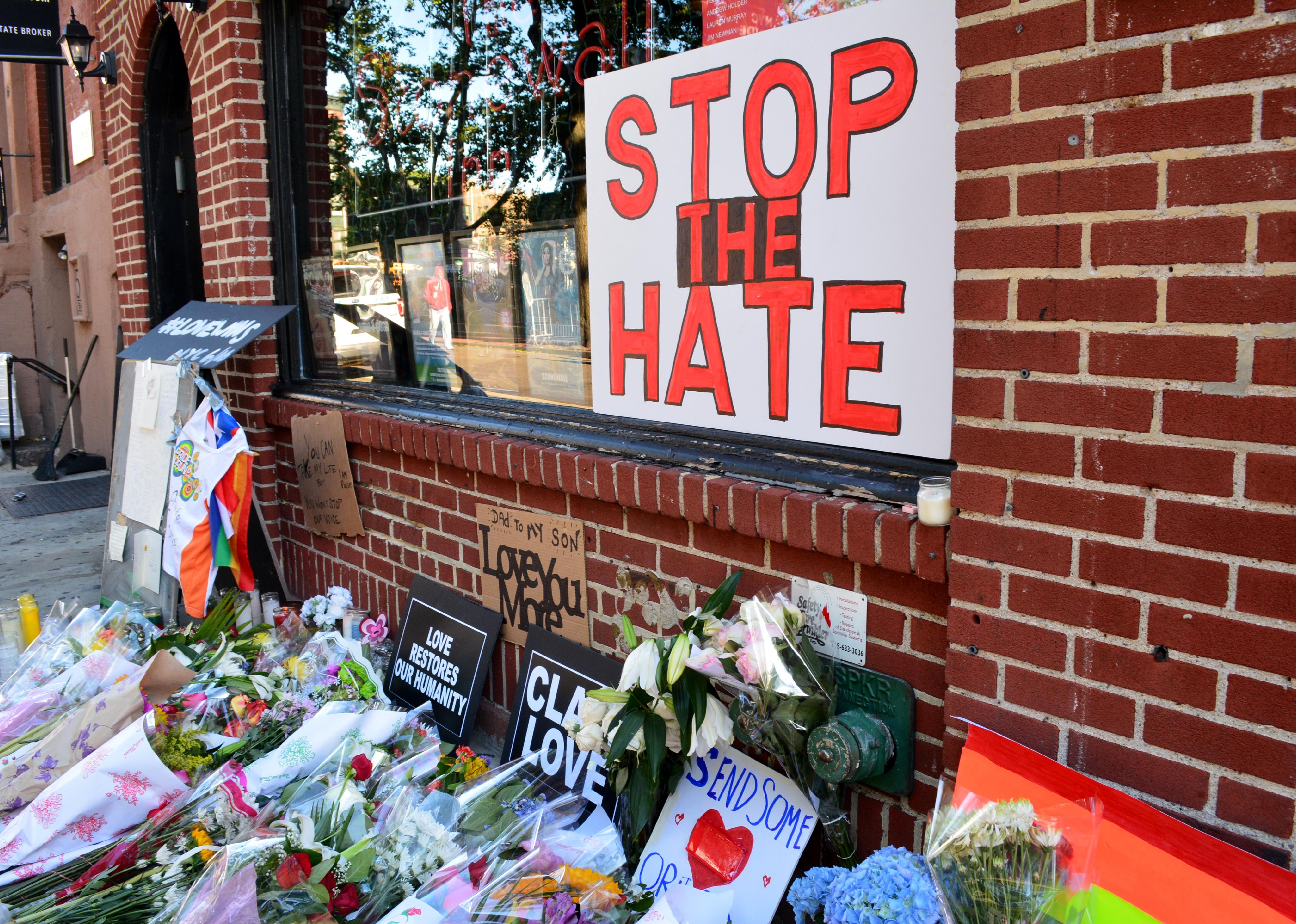
In 2017, guns were involved in nearly 3 in 5 bias-motivated homicides against LGBTQ+ people.
A study of hate crimes against the LGBTQ+ community by the National Coalition of Anti-Violence Programs found that, despite a 20% drop in reported hate crimes since 2010, instances of bias-motivated violence . However, factors like funding cuts to organizations that track hate crimes and the normalization of hate-related violence have impacted official tallies. According to the NCAVP study, a gun was involved in nearly 3 in 5 known hate-motivated murders in 2017.
In addition to intimate partner violence, mass shootings and other acts of violence targeting the LGBTQ+ community have increased. The 2016 Pulse nightclub shooting in Orlando, Florida, and the 2022 attack at Club Q in Colorado Springs, Colorado, are just two of the most deadly events in recent years. Overall, trans women of color and cisgender gay men are the groups most impacted by gun violence.
Nearly 1 in 5 hate crimes are due to sexuality or gender-identity bias
of bias-motivated crimes were gender-nonconforming, trans, or nonheterosexual, according to FBI hate crime data from 2019. Members of the LGBTQ+ community are than any other group per capita, according to Williams Institute research. However, people with intersecting marginalized racial/ethnic, gender, sexuality, and religious identities are more likely to be targeted. Additionally, FBI data is likely incomplete since hate crimes are widely underreported due to some victims' distrust of law enforcement and law enforcement's voluntary reporting of crimes to the FBI.

LGBTQ+ people are 2.5 times more likely to be victims of violence involving a weapon than straight, cisgender people
Until 2016, the National Crime Victimization Survey鈥攖he most comprehensive look at who victims of crimes in the U.S. are鈥攄id not include questions about victims' sexuality or gender identity. Since adding these questions, it has become clear that sexual and gender minorities are of most types of violent crimes in comparison to heterosexual, cisgender people. In violent acts involving a weapon, LGBTQ+ people are more than twice as likely to be victimized than straight, cisgender people. However, the questionnaire only includes the categories male, female, or transgender, leaving those with nonbinary identities unaccounted for in the data.
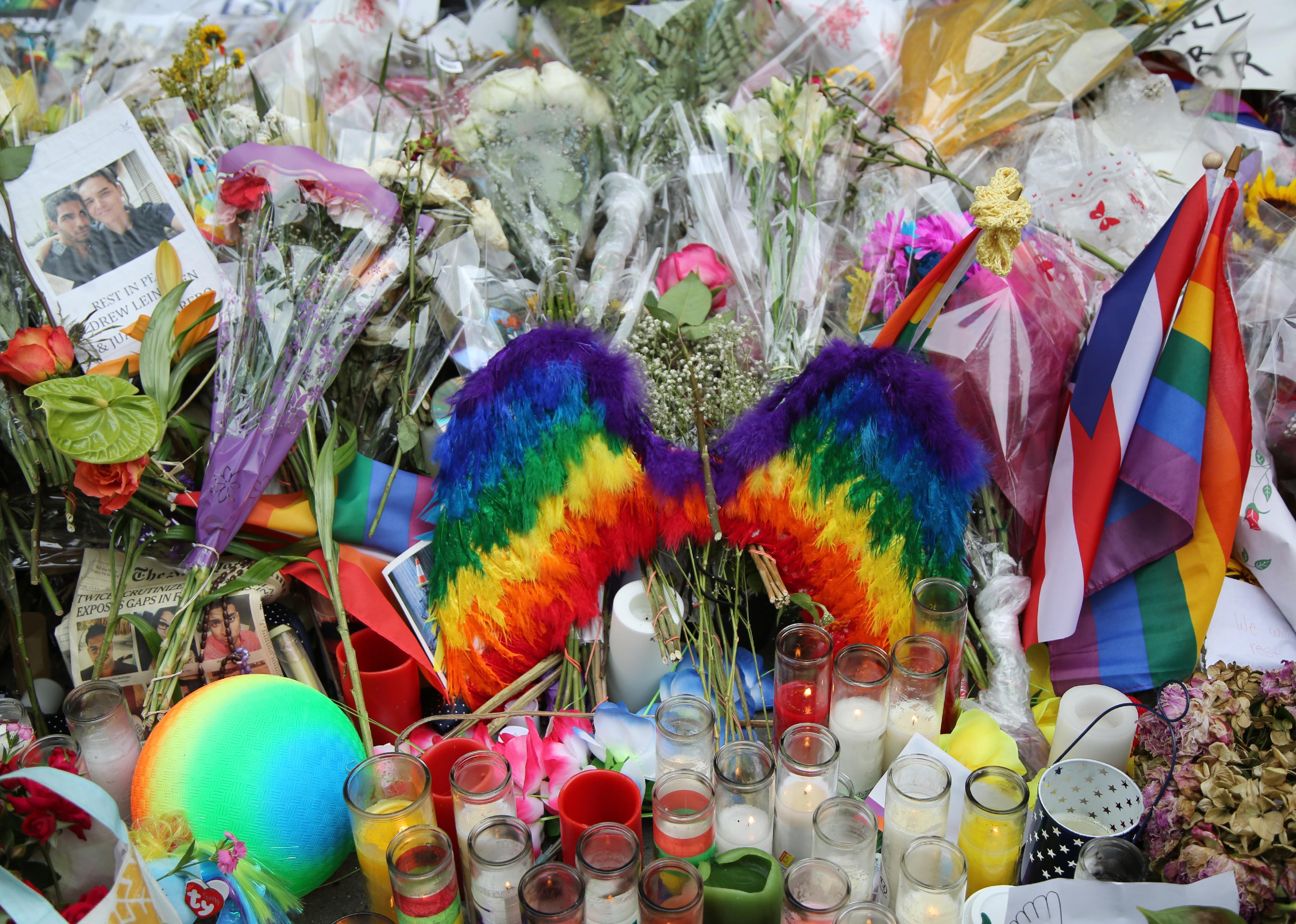
3 in 4 homicides of transgender people involved a gun from 2017 to 2019
Gun violence disproportionately impacts trans women鈥攁nd is primarily targeted at Black trans women. Although Black transgender people make up roughly 16% of the U.S. trans population, they account for ; most of those homicides involved a gun. Among transgender people overall, gun-related homicide rates are also staggeringly high. Three in 4 homicides of trans people between 2017 and 2019 involved a gun. combined create unsafe conditions for trans people.
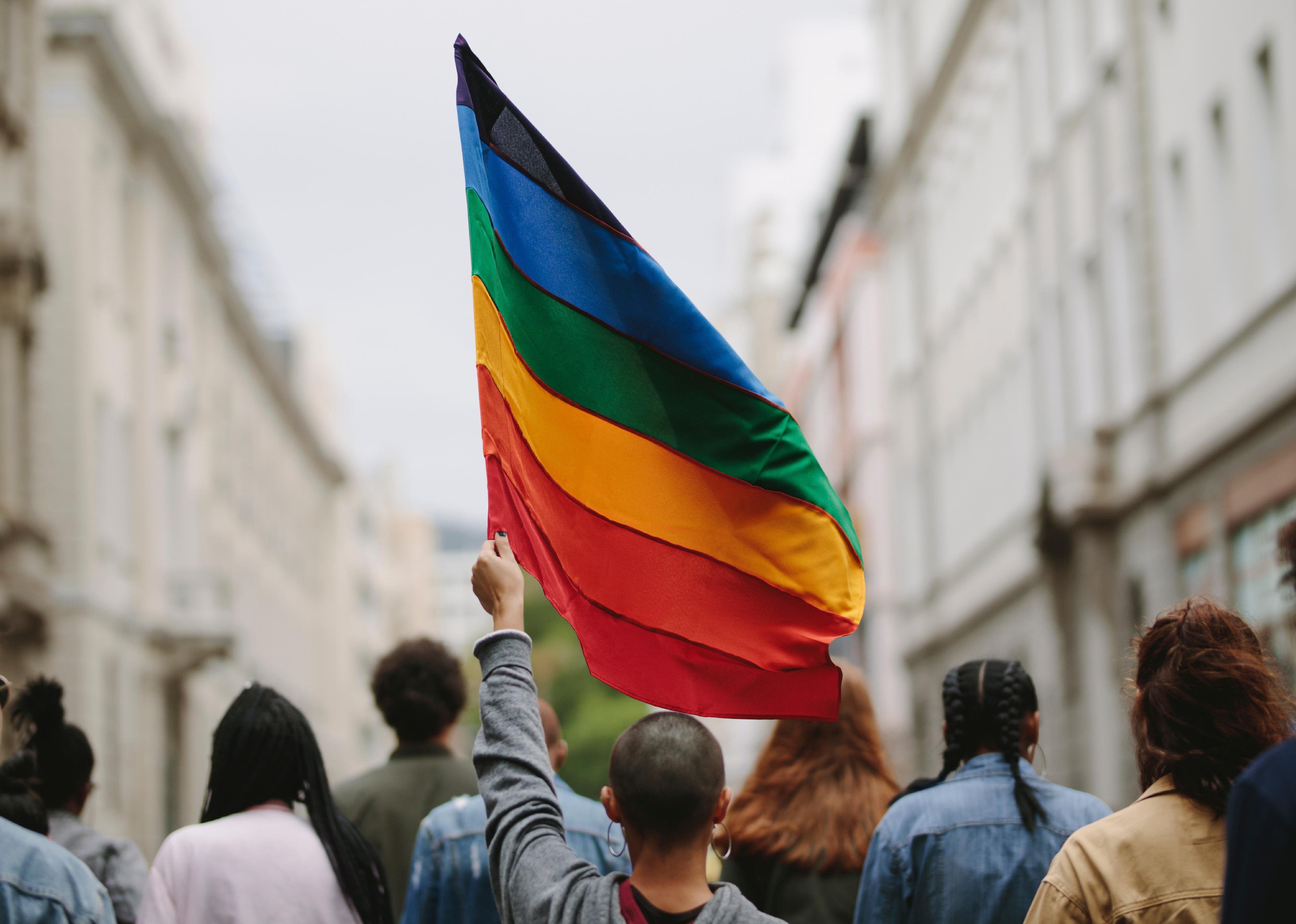
With 57 tracked killings, 2021 was the deadliest year recorded for the transgender and nonbinary communities
In 2021, at least in the U.S., although underreporting of these cases鈥攁nd misgendering by media coverage鈥攕uggests there could have been more. The majority of those killed were Black, Latinx, and Indigenous trans women under the age of 35, according to Human Rights Campaign data. The deaths coincided with being passed or introduced across the U.S., which has been shown to correspond with anti-trans sentiment and violence.
Advocacy groups including Everytown for Gun Safety and the Human Rights Campaign, as well as survivors of mass shootings at Club Q and Pulse Night Club, have raised awareness about the disproportionate impact of firearms violence on the LGBTQ+ community and . While Congress enacted legislation strengthening background checks for potential gun buyers in 2022, in the Senate.