Remote work is changing American geography: inside the rise of "Zoom towns"
This story originally appeared on Twingate and was produced and distributed in partnership with 麻豆原创 Studio.
Remote work is changing American geography: inside the rise of 鈥淶oom towns鈥�
The expansion of remote work has redefined the American workday while untethering home addresses from office locations. Thousands are now asking: If you no longer needed to live where you work, where would you live?
examined studies and news reports to explore the factors leading to migration to remote-friendly areas outside of major metros during the pandemic.
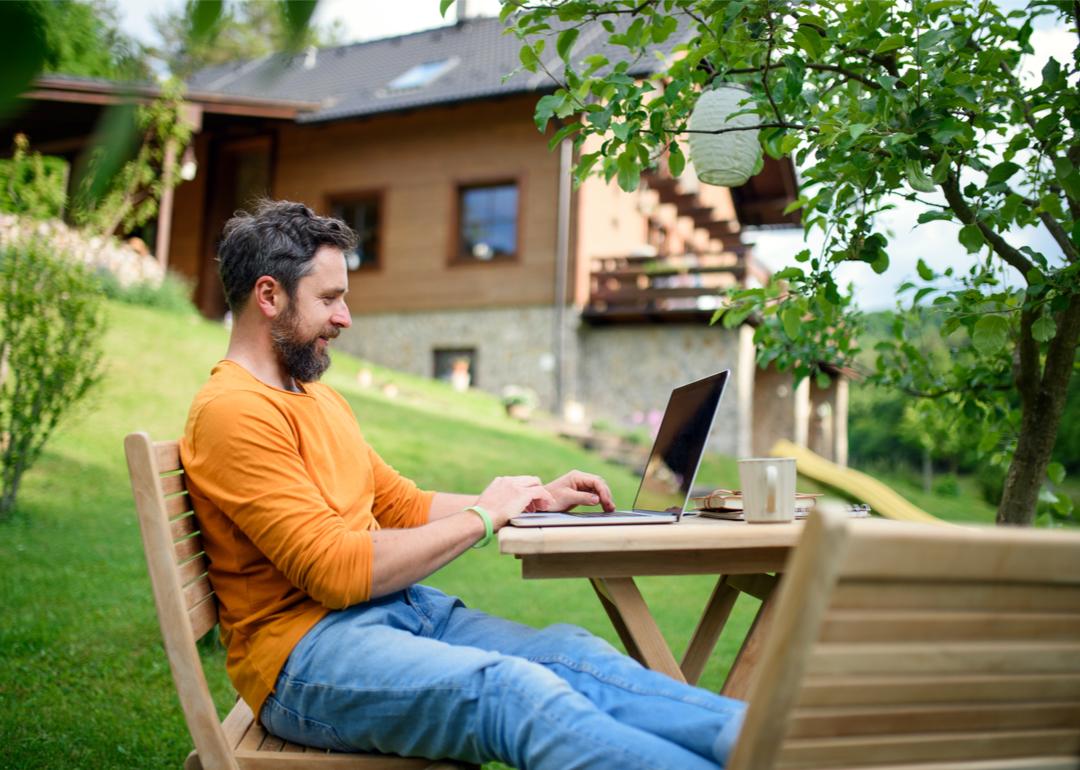
As newly remote workers acclimate to work-from-home culture, the desire to move鈥攐ften out of urban centers and into suburbs, smaller cities, or rural towns鈥攈as given rise to 鈥�.鈥� A contemporary take on 19th-century boom towns, which sprang up quickly around newly discovered economic opportunities like gold or oil, Zoom towns have emerged as remote workers flock to places for the promise of a cheaper cost of living, proximity to wildlife, or an overall higher quality of life.
In 2020 alone, more than moved or knew someone who moved. But relocating wasn鈥檛 an option for everyone; people with higher levels of education and higher incomes were more likely to have moved or knew someone who did, a demographic that also aligns with those able to work from home.
Research into Zoom-town migration further illustrates who is relocating, why they鈥檙e leaving, and the impact of remote workers on the communities in which they settle.
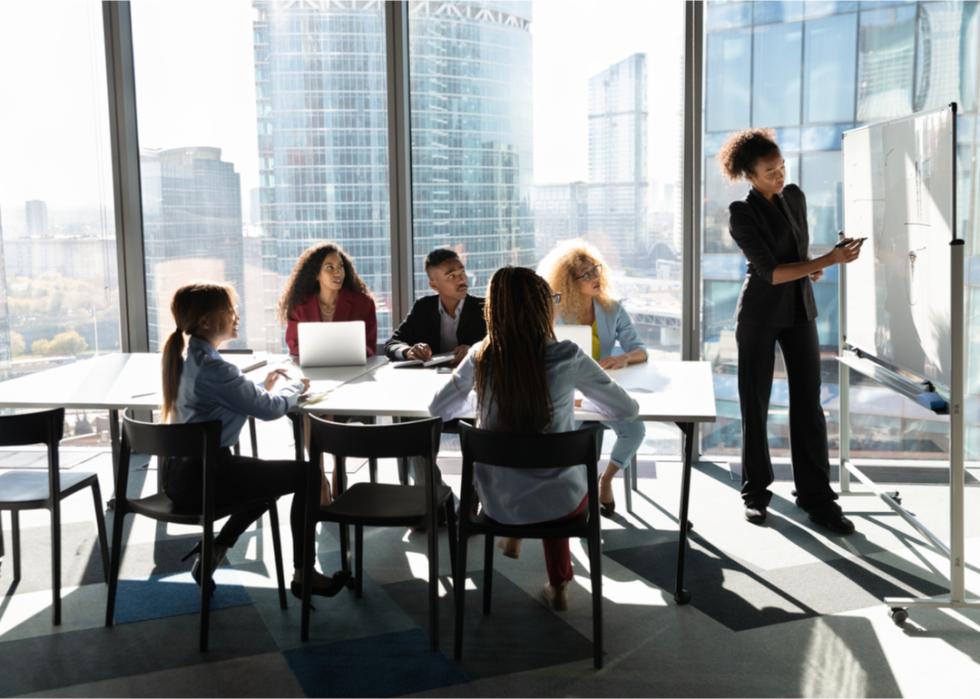
Pre-pandemic, fewer than 6% of workers were primarily remote
Work-from-home demographics prior to COVID-19 were heavily weighted for those with some kind of .
In 2019, almost half of the small percentage of people working from home had an advanced degree. Just over a third of that group had a bachelor鈥檚 degree, compared with 15.5% whose highest education was a high school degree. Most pre-pandemic remote jobs were in management, business, and finance, focused on professional fields like computer programming and engineering, and sales.
Jobs that were not done remotely before the pandemic鈥攎any of which were in the service industry, transportation, or production work鈥攈ave remained in-person throughout the pandemic despite the hazards inherent to being in close physical proximity to others.
These jobs were also hardest hit by mass layoffs at the beginning of the pandemic, meaning that many of the most experienced the highest levels of unemployment.

35% of Americans were working remotely soon after COVID-19 lockdowns
The sudden, massive uptick in people working remotely (calculated by the ) changed the way that many employees and employers conceptualized work and the workplace. It soon became clear that were not impacted by work shifting out of the traditional office environment, and many of those working from home feeling favorably about post-pandemic.
Support for remote work was not unanimous, however. With many daycares and schools closed, parents working from home had the additional responsibility of childcare to contend with, causing many to struggle to do remote work without interruptions. of working remotely and taking care of children at home. Some younger workers have also struggled with working from home, with many citing a lack of motivation and a difficulty with meeting deadlines.
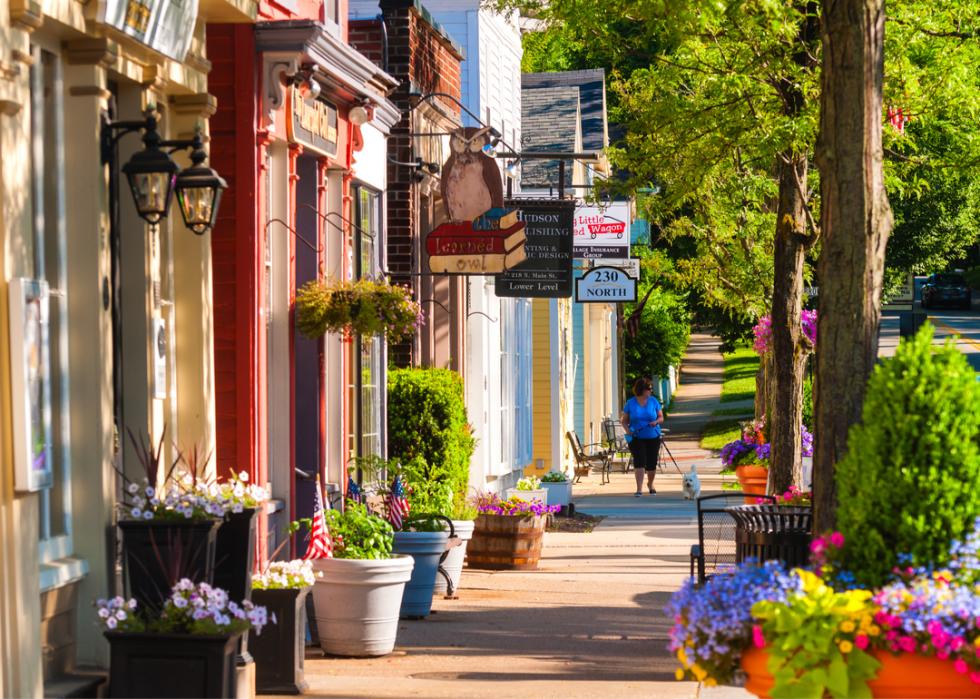
By the end of 2020, 48% of Americans expressed an interest in living in small towns
The desire to live in rural areas from 2018, when only 39% of Americans expressed interest in small-town living, to 2021. This trend reflects attitudes about city and rural living back in 2001, shortly after 9/11.
In 2020 and 2021, many followed through on this rural interest, with urban centers experiencing than coming in and suburban counties experiencing a larger influx than exodus. This is particularly true of wealthy city dwellers. In the New York City metro area, people living in wealthier zip codes were more likely to move.
Other factors for the urban flight included weariness at isolating in small apartment spaces and the perception that cities are hotbeds for the coronavirus despite evidence that of COVID-19 in rural areas. Ultimately, Americans moved due to the pandemic, with reasons varying from financial stress, to fear of infection, to college campuses shutting down.

Areas with a low cost of living and high quality of life saw booming populations
As the rise of remote work has allowed people to move at unprecedented rates, for those searching for cheaper (and in some cases, nicer) living arrangements.
Demand for homes in these cities and towns has in some cases outpaced supply, driving up housing prices substantially. is one such hub, with average housing prices rising some 25% from 2020 to 2021. Ironically, the influx of people searching for lower housing prices into rural towns has had , making housing markets skyrocket.
States such as Maine, Montana, Idaho, South Carolina, and Delaware have seen that far exceed pre-pandemic numbers.
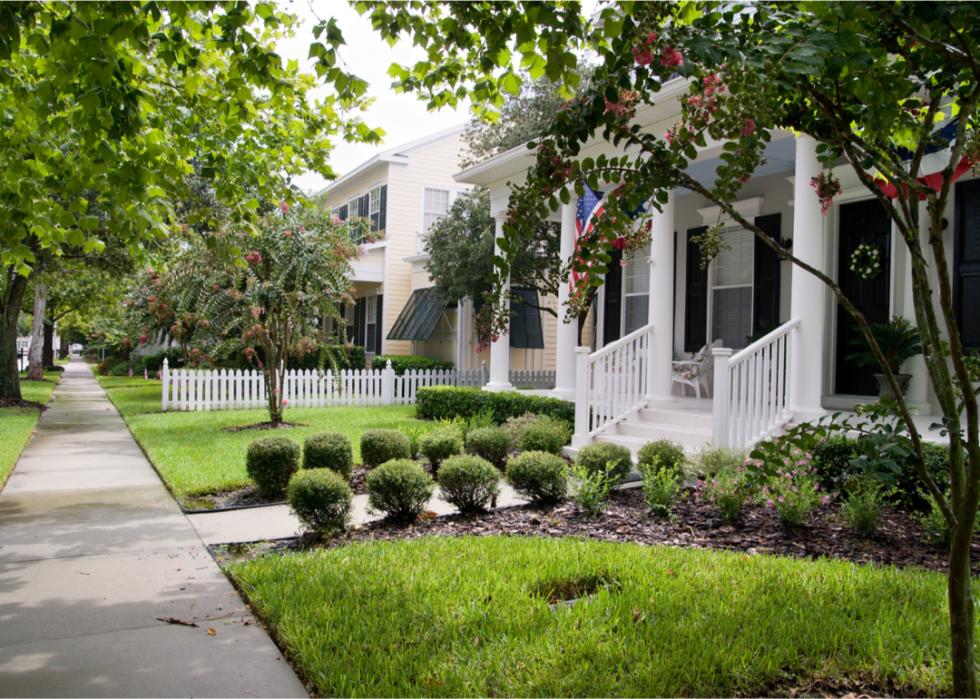
An influx of economic activity is unbalanced against population growth and gentrification
While the 鈥淶oom town鈥� phenomenon has undoubtedly stimulated small town and city economies, negative impacts have quickly surfaced as well. Rising housing prices have posed a number of problems for locals: More Americans say that a in their community is a major problem. With out-of-town buyers鈥� ability and willingness to pay up to , many long-term residents are being outpriced and forced to leave their communities.
Other challenges have arisen, including being overburdened by exploding population sizes, schools being overwhelmed by a sudden influx of students, and small businesses struggling to hire enough workers due to pandemic hazards and lack of affordable housing. The , as well as the arrival of developers, has also presented a host of issues.