Smart devices that could improve the lives of people with disabilities
This story originally appeared on IoT Secure and was produced and distributed in partnership with 麻豆原创 Studio.
Smart devices that could improve the lives of people with disabilities
It鈥檚 estimated that 1 in 4 adults in the United States lives with a disability. These may range from physical and motor impairments caused by conditions like cerebral palsy to memory loss resulting from Alzheimer鈥檚. The category of adults with disabilities is varied and many individuals have needs that are unique to their lifestyle, age, and condition. But new smart devices are increasingly offering convenient solutions that can offer support for diverse needs.
compiled a list of smart devices that have additional utilities for people with disabilities from a collection of news and expert reports. These innovations include some of the underlying mechanisms that power smart devices like voice-activated assistance and the use of movement sensors. Some have systems that coordinate home monitoring devices that can reduce or report elderly falls, as well as apps users can control from their smartwatches. Wristband devices have the advantage of being less likely to be dropped鈥攐r lost somewhere in the house鈥攖han a cell phone.
Many adults with disabilities need a little bit of support in order to live independently and maintain their best quality of life, and smart devices may help.
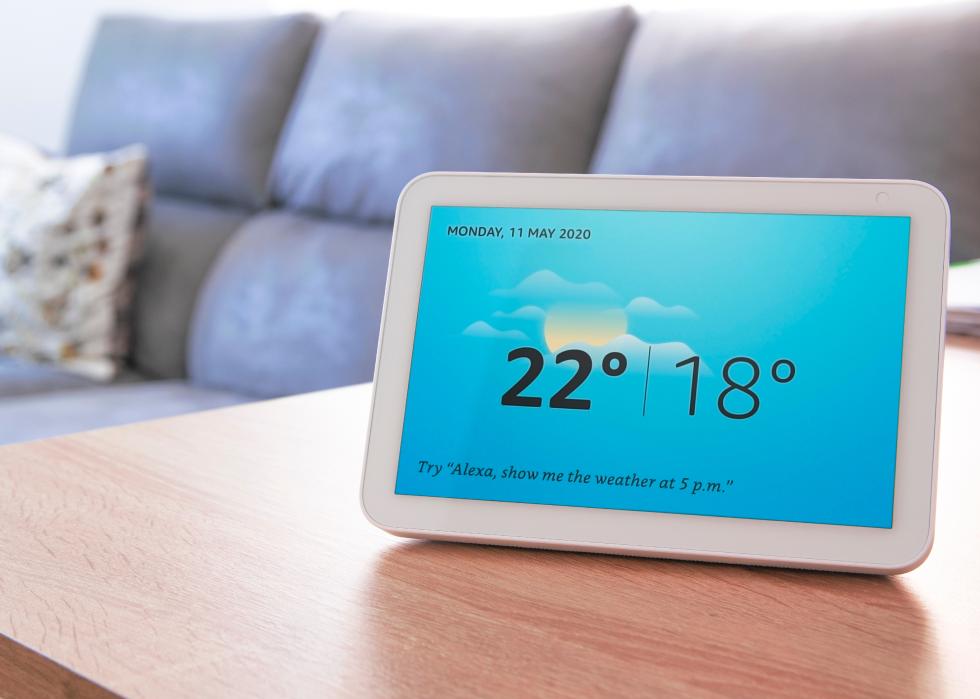
Voice assistants
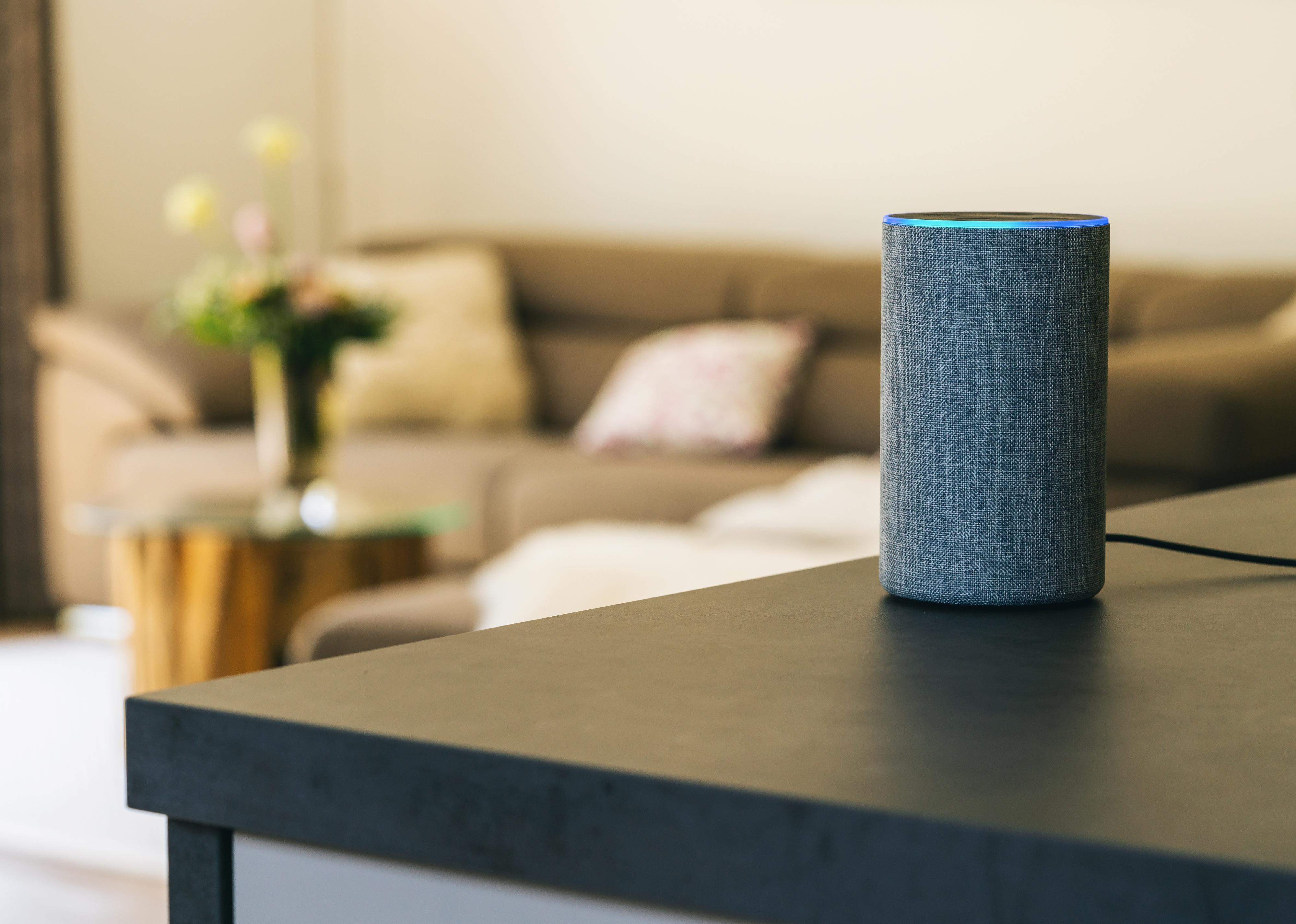
One of the major ways internet of things, or IoT, can help make life more convenient is by letting smart devices interface . For people that have difficulty typing or coordinating hand movements, this can make it easier to write emails, memos, or other reports. Instead of typing on a keyboard, they can use their voice to complete tasks with much less friction.
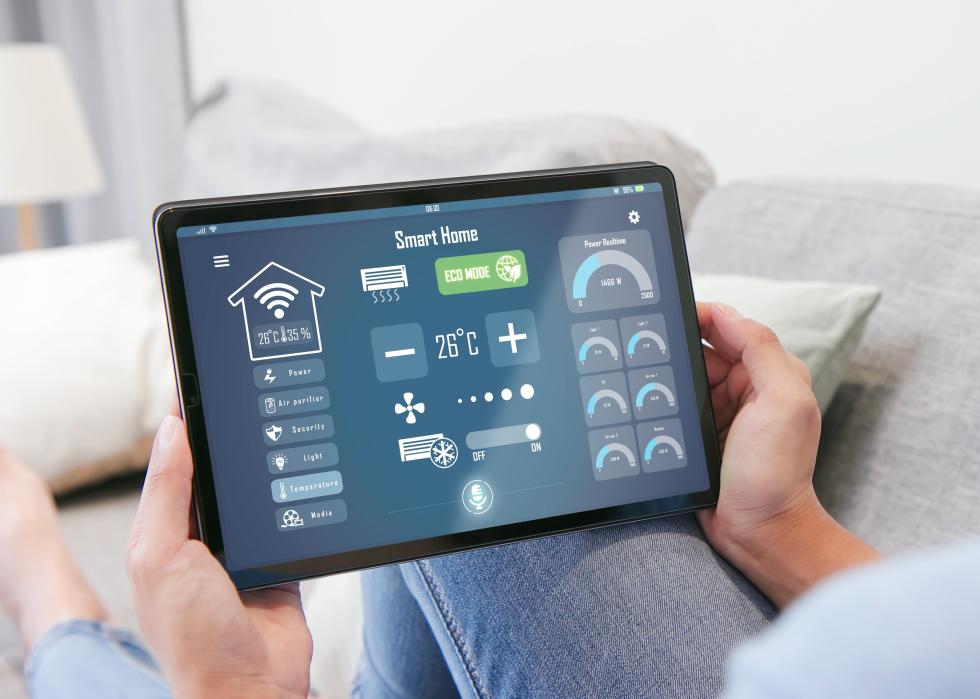
For users in the home, anyone can use voice search to set up reminders, access entertainment, search education resources, and more. This can be especially convenient for those with mobility challenges, who can call out to devices from almost anywhere, reducing the need to make extra trips around their house or type with many different devices.
Video doorbell
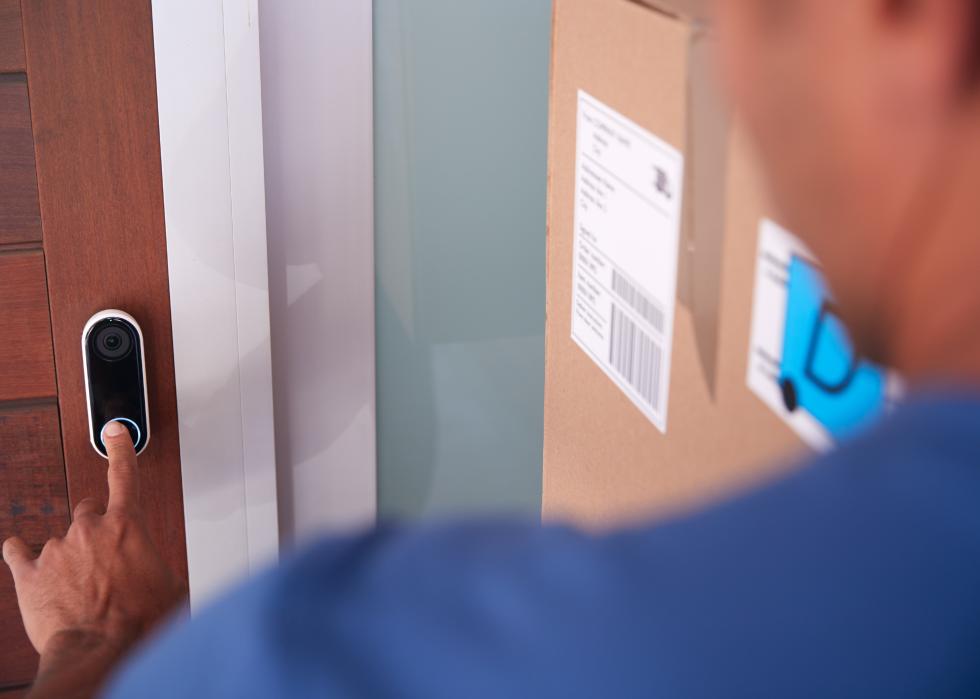
A video doorbell for people with motor disabilities or visual impairment because it takes away the mystery of whether someone is at the door鈥攁nd who it might be.
Even if someone can鈥檛 make it to the door in time to be handed their package, they鈥檒l have a way to see who stopped by and follow up as needed. This reduces stress and the risks of the elderly falling while hurrying to the door. Using an intercom, residents can speak with whoever is outside to leave instructions for packages and other deliveries. This also makes it safer so they don鈥檛 need to open the door to strangers.
Smart locks
It鈥檚 been decades since keycards started to take over the world of hotels, and drivers have enjoyed keyless ignition in their cars for years. But home locks have lagged behind, still usually requiring metal keys and a mechanical tumbler with deadbolt locks that are operated by hand.
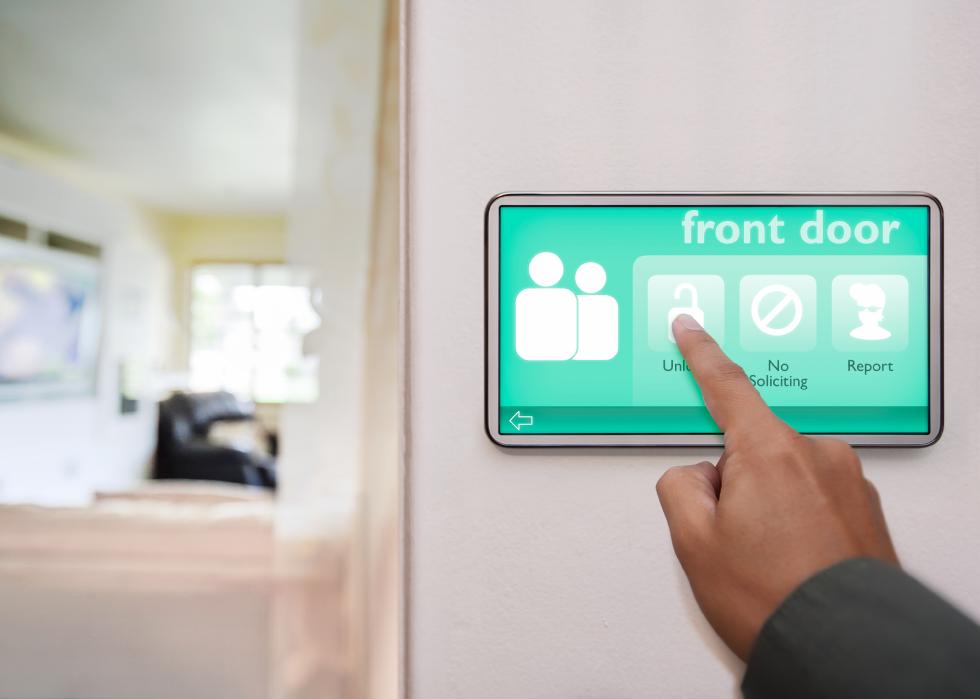
But IoT devices also , which can be operated by voice or by app access through a phone or other device. Users can open their front doors to visitors without having to make a trip from the kitchen or even the backyard. For those prone to memory loss鈥攐r losing their keys鈥搕his also makes it faster and safer to get home safely.
Smart light bulbs
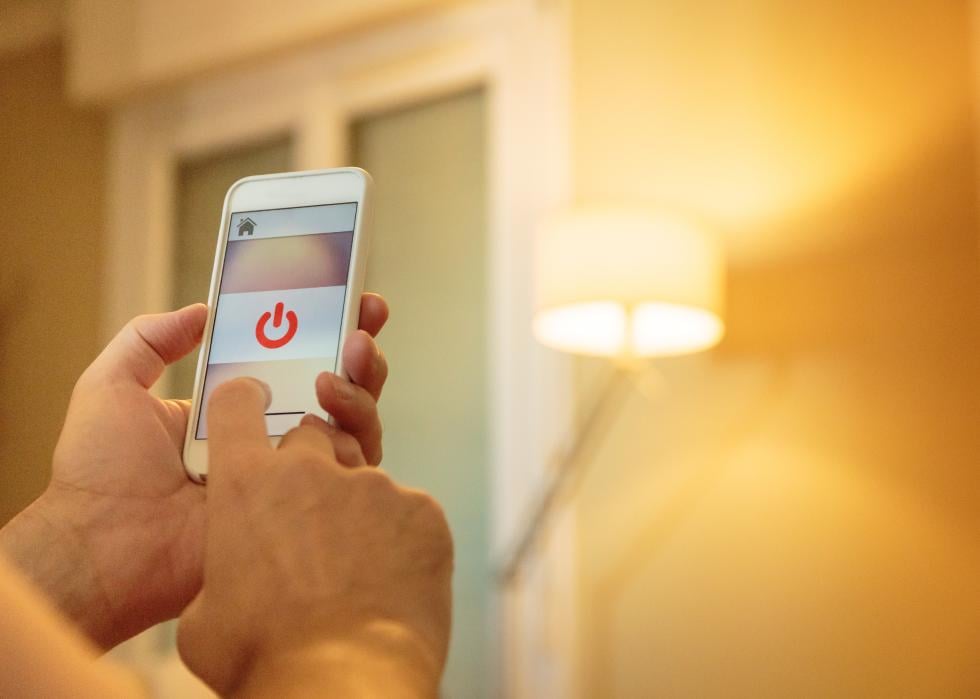
Smart light bulbs were one of the first IoT home devices offered to consumers, and timers and customized dimmers can be controlled remotely. These are great in general because they allow a tailored experience without having to call an electrician to rewire a switch or light fixture.
For people with disabilities, they without having to fumble in the dark reaching the switch. They have long lifetimes, so it also saves the effort of getting on a ladder to change hard-to-reach ceiling bulbs. When combined with the right sensors, they can also do important work like flashing when someone approaches the front door鈥攐ne of the major ways hard-of-hearing or deaf individuals have used their doorbells for decades.
Robotic vacuum cleaners
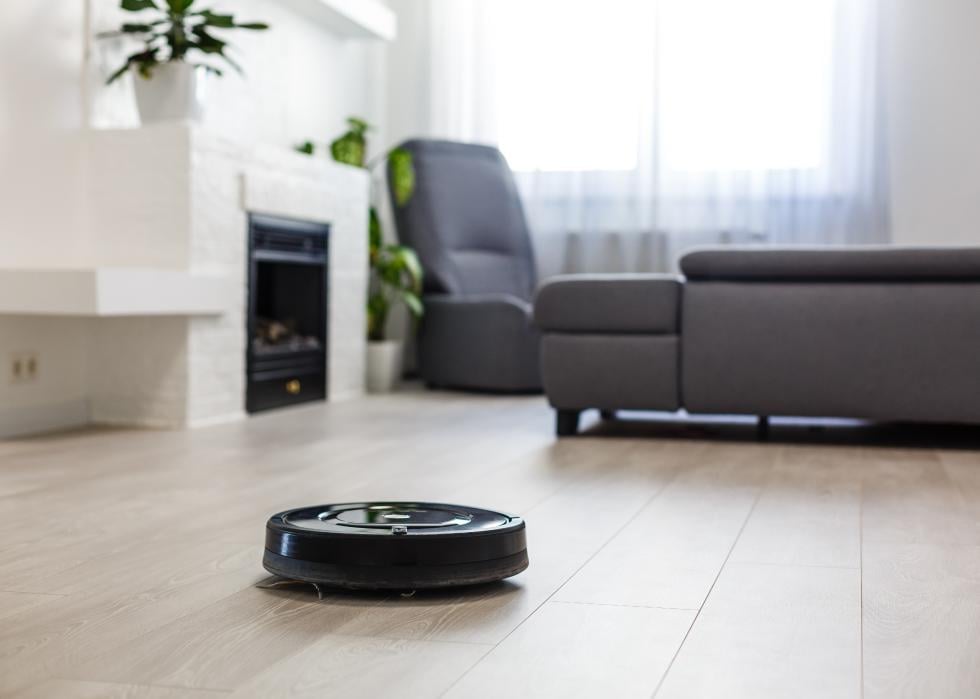
Vacuuming a home is a . It鈥檚 physical in the sense of pushing the vacuum cleaner around the house but also stooping to plug and unplug the machine and navigating the vac under beds or other pieces of furniture in the home. Robotic vacuum cleaners like Roomba can cut down on the number of times someone must manually vacuum their home. This is helpful for people with physical disabilities but can also help those with memory issues, reducing the need for them to remember and complete a task.
Smart security systems
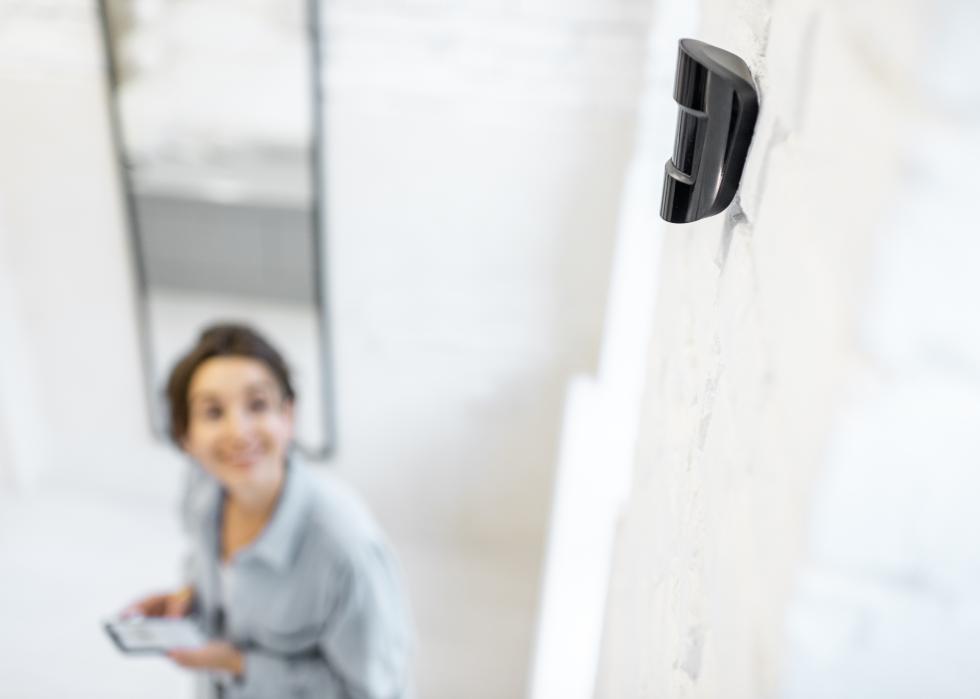
Smart security systems than simply monitor the perimeter for intrusion. Although they do monitor for unwanted visitors, these devices can also observe your home for a host of issues, like leaky plumbing or an increase in basement humidity, both of which could cause significant property damage. Sensors are able to detect a movement that鈥檚 out of the ordinary, giving people more information about what鈥檚 going on in their homes. These tools help all homeowners, but especially those who may face mobility and physical challenges that limit their access to attics, stairs, and under-the-house crawlspaces.
Smart watch
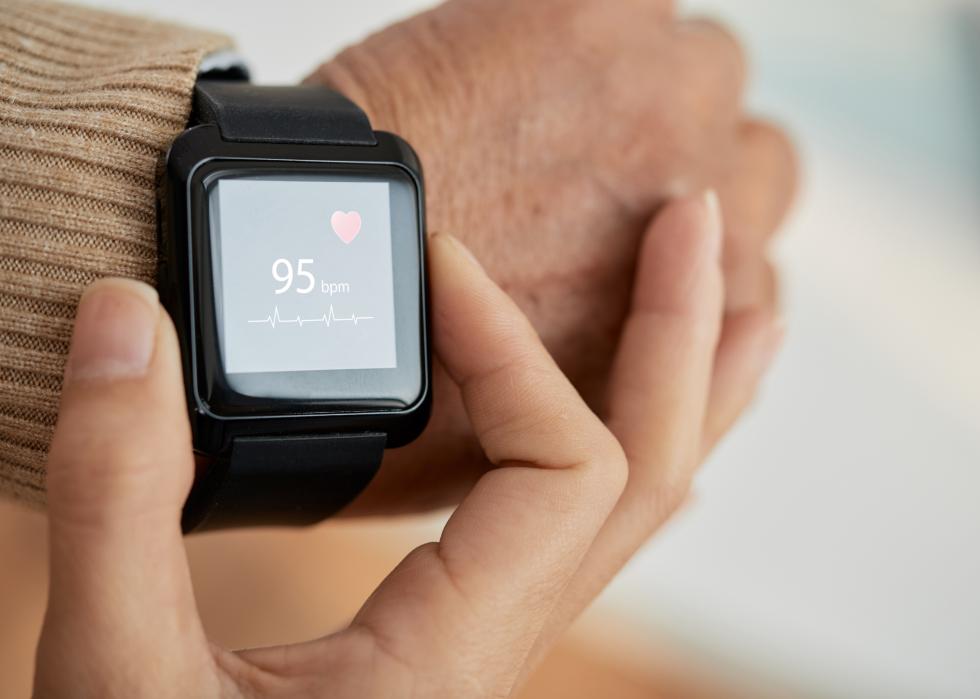
The smartwatch is one of the most recognizable and popular IoT devices, turning a regular timepiece into a remote control for our digital lives. The with apps to call emergency services in case of a fall and injury. It can monitor health information like heart rate and activity level for people who may have cognitive disabilities and can鈥檛 self-report this data to relatives and physicians. The smartwatch can also interface with almost anything else run by an app, making it an even more convenient way to interact with smart doorbells, security systems, and more.
Smart smoke detector
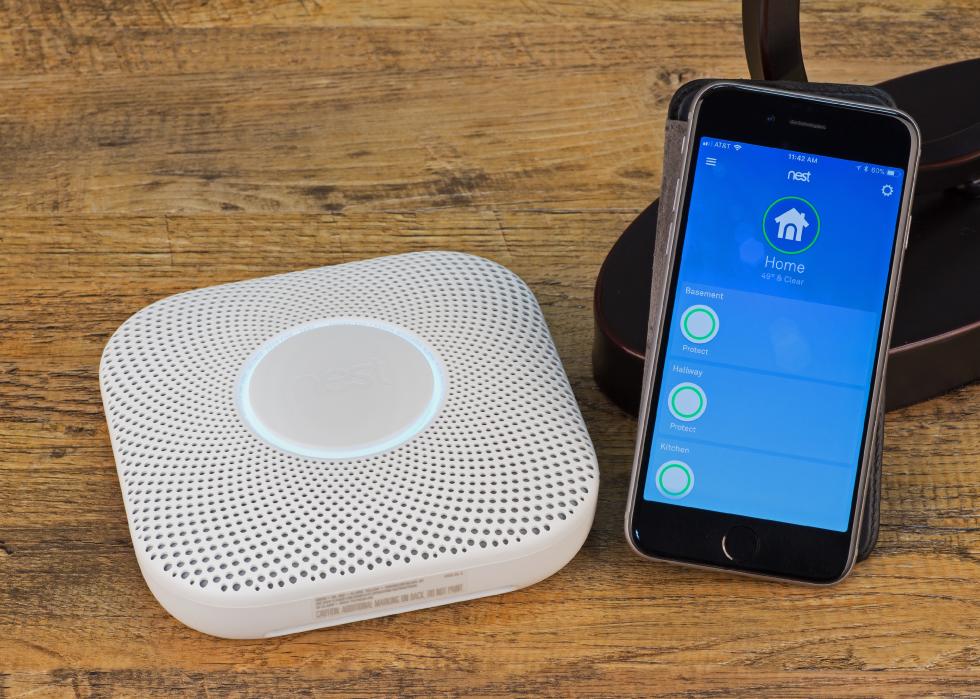
The classic smoke detector is loud and mounted on the ceiling, both of which make sense for what the device is doing. But , people no longer have to climb on a stepladder to turn off the smoke detector. A smart smoke detector can even send a phone alert before its loud sound is triggered, letting users address the problem without a disruptive and upsetting noise experience. Once the detector is set up in its position on or near the ceiling, it can be controlled almost entirely remotely.
Video-conferencing devices
Videophones date back decades but connecting these devices to Wi-Fi means they can be with little effort. People can check in with loved ones to ask about daily routines and 鈥渧isit鈥 with elderly relatives on a regular basis, even if they live far away. Having devices 鈥渁lways online鈥 also reduces the friction in using them, meaning older adults may be more likely to use the devices both to ask for help and also simply to socialize. It鈥檚 easy to switch on a call and see and talk with a friend while cooking dinner, for example, or for speaking to relatives and close friends, even without leaving the bed.
Smart sensors
Many of the devices on this list rely on specific sensors. But together, a full set of sensors can take away a lot of the uncertainty and anxieties from alone. Imagine a home where you know anytime a window is opened or where the lights turn on, triggered by motion detectors. For someone living independently, this could help in feeling more secure against burglaries. For those monitoring loved ones who need a little bit of support, this could mean peace of mind that their elderly parents or aging disabled relatives are sleeping soundly.