What shopping in the metaverse might look like
This story originally appeared on Wicked Reports and was produced and distributed in partnership with 麻豆原创 Studio.
What shopping in the metaverse might look like
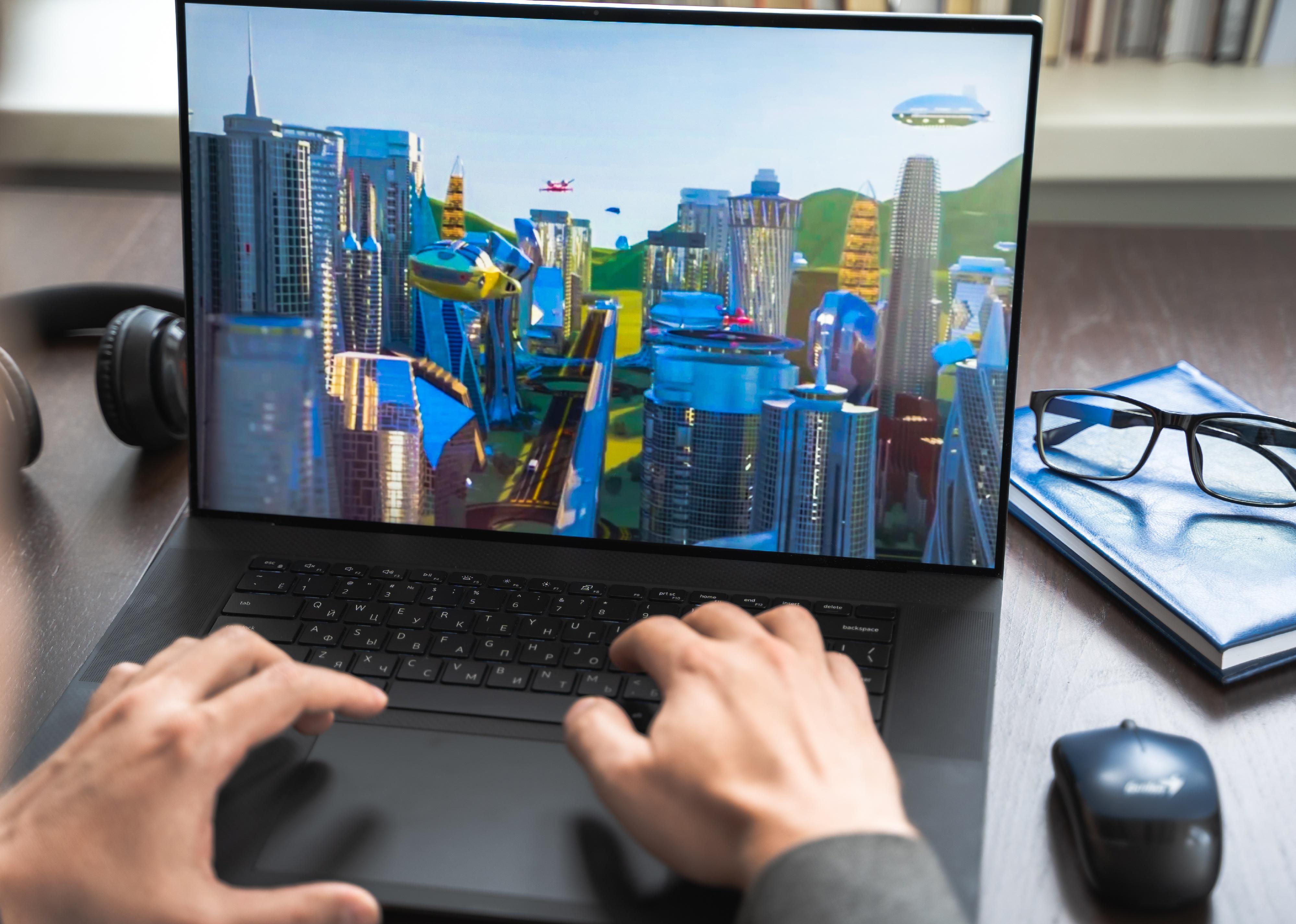
Imagine our world, then picture it fully digital. For many, it looks like the , an immersive virtual space where we can log on to meet friends, shop, work in virtual offices, and even buy virtual real estate. Offering an estimated $800 billion market opportunity, the metaverse is eyed by online game creators, social networks, and various tech leaders who are looking for the next game-changing technology platform.
Although social media companies see it as a way to capitalize on revenue, is not exactly cheap. Facebook鈥檚 parent company, Meta, lost more than $10 billion in 2021 alone just to work on building its own vision of the metaverse. Such losses prove that companies like Meta are investing astronomical amounts of money to discover their next growth stage.
In the metaverse, making purchases is possible through . They are made to keep your cryptocurrency safe and easily accessible by storing your private keys. You鈥檇 be able to receive, spend, and send out cryptocurrencies such as Bitcoin and Ethereum. There are various forms of crypto wallets, whether it鈥檚 a USB stick or a mobile app that makes it similar to shopping online.
To look at this emerging world, compiled a list from news reports and expert predictions exploring the ways that people may shop for different types of real and virtual goods in the metaverse Some of these options are already available to try today, others are in the early phases of development. But the metaverse is coming, and here is how it may affect your buying habits.
Food
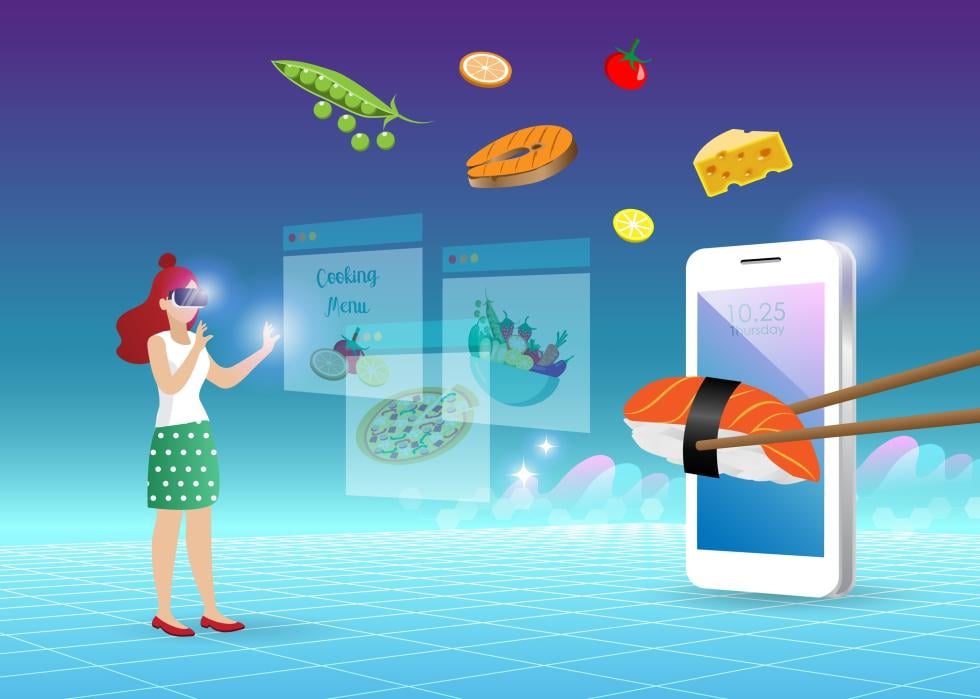
Both grocery shopping and dining out are ingrained in our everyday lives, and both are also possible in the metaverse. Recently, a video circulated on Twitter of . Although it was created in 2017, current metaverse demos still appear to be similar. So moving our meals to the metaverse is not exactly something new, at least in the minds of grocery chain executives.
may also help with staff shortages, supply and demand, and optimizing buying experiences. The first food order in the metaverse happened in March 2021 through Decentraland, one of the most popular virtual platforms to buy land and digital assets.
Clothes and accessories
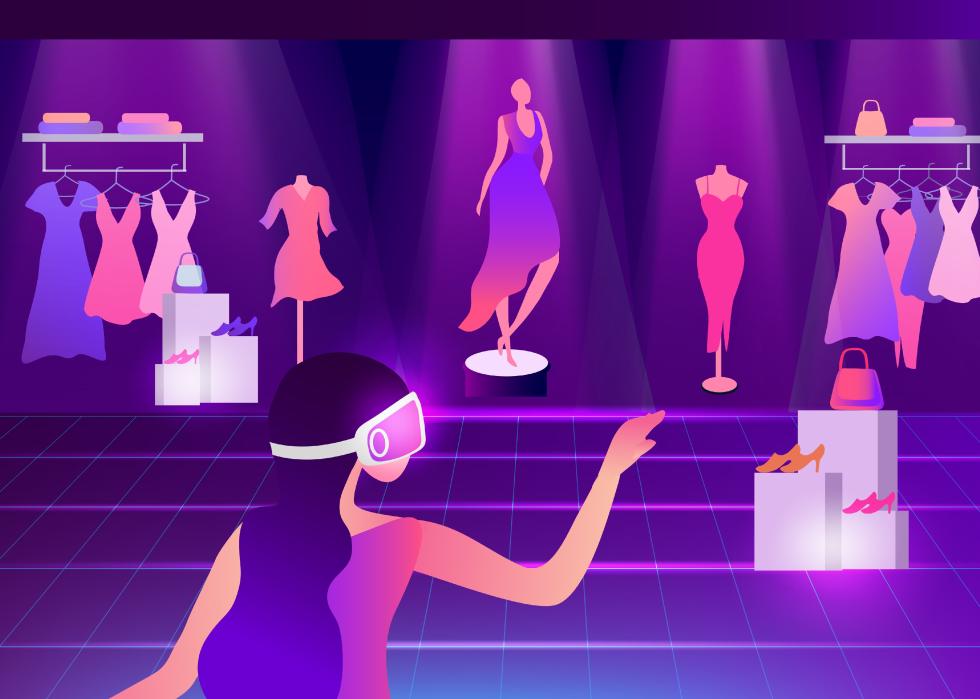
Fashion in the metaverse will look a little different than strolling to our closets to pick out our daily outfits. 鈥渨orn鈥� through augmented reality, you鈥檒l outfit digital avatars and possibly make them into non-fungible tokens, or NFTs, to trade and collect. With (basically non-replicable units of data that can be stored, traded, or purchased) rising in popularity, fashion brands have jumped on board. RTFKT studios, which is a Nike company, has created sneaker designs in the virtual realm, making them
As we inch closer to the metaverse, avatars and clothing continue to hold relevance. In June 2021, Decentraland allowed users to make and sell clothing for their avatars to wear on the site. Some users made a mint almost instantly: User Hiroto Kai sold $20,000 of digital kimonos in three weeks. This goes to show that and that the metaverse will leverage the clothing industry to help brands and individual designers grow a new form of revenue. as Gucci, Balenciaga, and Fendi have already created digital collections for gaming avatars.
Digital real estate
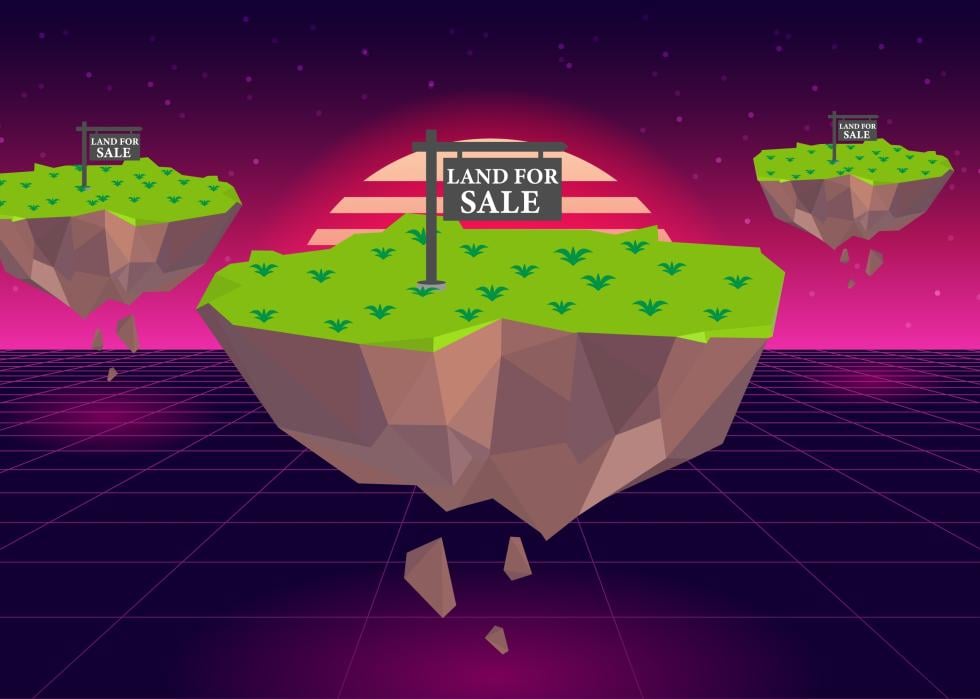
will allow us to invest in property within the digital realm, and it has already gained a lot of traction. Can you believe that someone paid $450,000 to live next to in the metaverse?
Those that got into digital real estate early have already seen massive returns. In 2021, the average price for a plot of land on Decentraland was under $1,000. Today, it sits at about $13,000. Digital homes, lots, and land are all being bought today because they are assumed to rise in value going forward.
Art
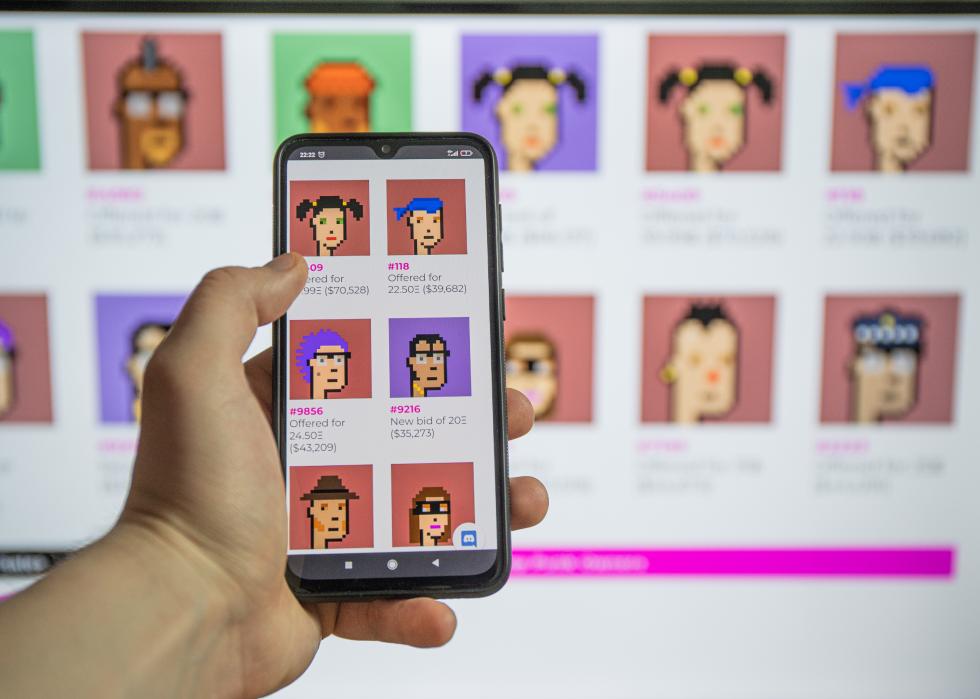
Art has already paved its way into the metaverse, with NFTs rising in popularity. What appear to be digital pieces of art are cryptographic tokens existing on a blockchain, and they cannot be replicated. These emerging digital tokens have assisted up-and-coming artists鈥攍ike college student , who trades under the virtual name BLACKSNEAKERS and managed to draw in more than $60,000 in a six-month period鈥攖o profit from their work tremendously.
The virtual art market overall is flat-out booming; online tracker estimated that the NFT market reached $15 billion in 2021. NFTs may be used in art galleries, virtual marketplaces, and auctions.
Virtual goods
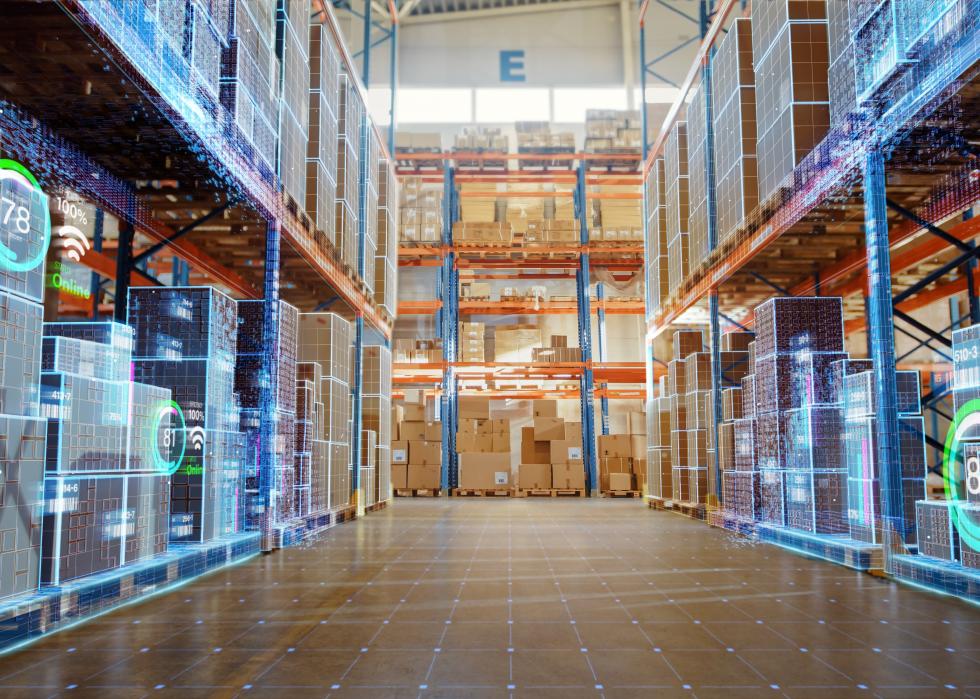
are already transitioning into the metaverse. Meta is currently testing ways for creators to make money within its Horizon Worlds social metaverse platform, with the hope they鈥檒l be able to monetize virtual items and effects. Platforms such as Roblox鈥攚hich is to have more than 220 million monthly players and up to 22 million players on any given day鈥攁nd Red Room currently allow creators to sell items that they make.
Elsewhere in the metaverse, virtual beer has become a big topic. Head of global innovation at AB InBev Lindsey McInerney for beer drinkers in the metaverse, which also presents a revenue opportunity. And she would know, as AB InBev owns bestselling macro-breweries Budweiser and Corona, as well as a deep bullpen of craft and micro-brew labels. Heineken, however, doesn鈥檛 feel the same after in an attempt to mock the metaverse.