The truth about gut health
The truth about gut health
The "cast iron stomach" myth persists in gastroenterology offices. When patients say they can eat 鈥渁nything,鈥� they鈥檙e saying they believe they should be able to tolerate all foods under all circumstances. Yet this is a fundamental misunderstanding of the gut鈥檚 complexity. The gut is not a passive tube but a complex system that houses the digestive tract and is the body鈥檚 largest immune organ. It contains about 70% of all immune cells and even has its own nervous system called the enteric nervous system, or second brain.
Even as we gain this clearer picture of the gut and how it works, the term "gut health" has become a buzzword, a catchphrase used to and sell everything from prebiotic and fermented foods to probiotic sodas and ice creams. Patients are expressing concerns about gut health by bringing doctors at-home stool test results and bottles of supplements and probiotics. In this article, explains how the gut works, what shapes its wellbeing, and which claims about gut health are evidence-based.
The role of the gut
The gut is a sophisticated organ system that moves food not by gravity, but by rhythmic muscular contractions called peristalsis. Its network of nerves functions independently of the central nervous system and can sense meal composition and adjust digestion accordingly. Unlike skin nerves that detect sharp pain, gut nerves sense stretching, such as the fullness of a stomach or intestines distended with gas.
The microbiome in the large intestine adds another layer of complexity to the gut. It鈥檚 populated by trillions of microscopic organisms that include over a thousand species of bacteria, as well as viruses, fungi, and parasites. Each person鈥檚 gut microbiome is unique; there is no single, perfect gut flora. And the factor with the most influence over the gut? It鈥檚 no surprise: diet.
Maintaining gut health
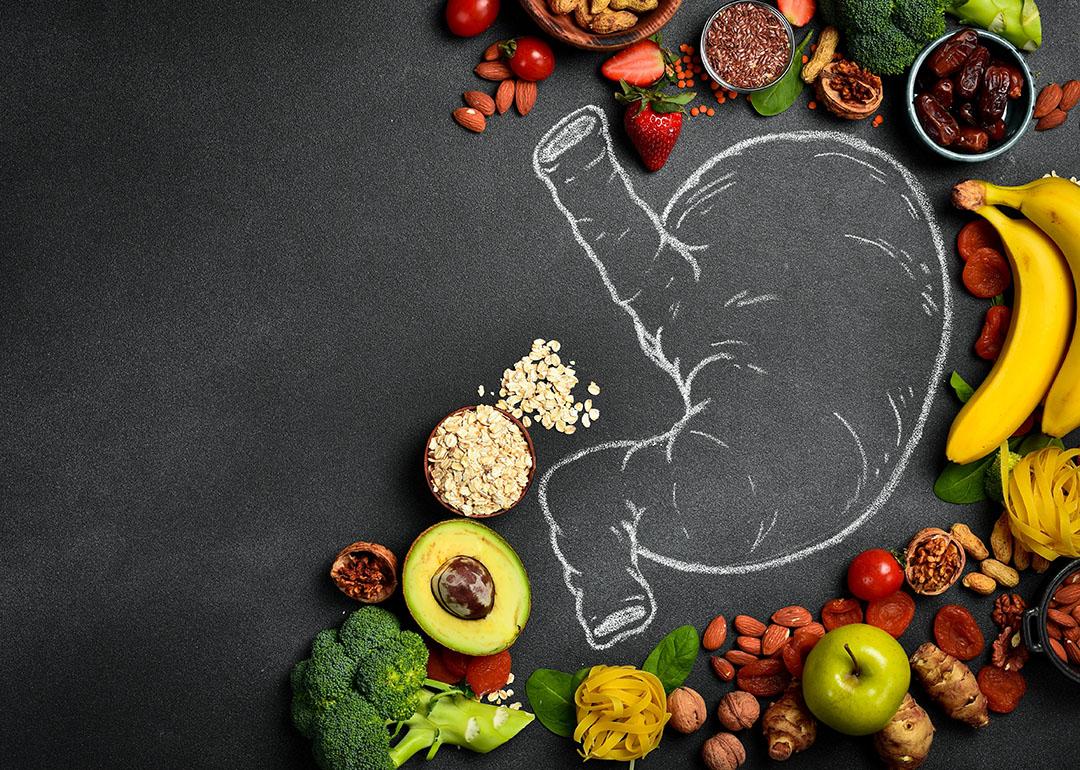
The most effective way to keep the gut healthy is simple because we know that organisms in the gut thrive on fiber. The Academy of Nutrition and Dietetics that women eat about 25 grams of fiber daily and men eat 38 grams. Ideally, do that through a Mediterranean-style, predominantly plant-based diet rich in vegetables, legumes, and whole grains. Some people give their fiber intake a boost with .
Conditions associated with the gut
Changes in diversity of the gut microbiome have been linked to a wide range of conditions: anxiety, depression, autoimmune diseases like rheumatoid arthritis, allergies, asthma, and neurodegenerative disorders such as Parkinson's. Cardiovascular disease, liver disease, and certain cancers have also been associated with microbiome changes. Even obesity has been linked to a loss of diversity in the gut microbiome, suggesting the microbiome plays a role in overall metabolism. However, it's unclear whether changes in the microbiome are causing the condition or are a result of it.
The truth about probiotics
Having a diverse gut microbial community is linked to good gut health. But probiotics aren鈥檛 necessarily the answer. Probiotics are not regulated by the Food and Drug Administration (FDA) and do not present solid evidence of improving general health. For the most part, probiotics contain bacterial strains that disappear from the gut when we stop taking them.
The research that does exist on probiotics is specific to certain bacterial strains, but one strain helping one condition doesn't mean all probiotics help everything. Furthermore, there鈥檚 a disconnect between what clinical trials study and which products we can buy commercially. It鈥檚 important for patients to clearly define their health goals when they take probiotics, perhaps trying them for 30 days, then honestly assessing whether they鈥檝e achieved the goal. Like vitamin supplements, which are also unregulated, the quality of probiotics can be inconsistent, making a high-fiber diet the most effective way to establish a healthy gut microbial community.
The limits of at-home stool tests
Patients have access to at-home stool tests they can buy to analyze the gut microbes. Yet doctors don鈥檛 always know how to interpret the results. Here鈥檚 why: Companies that sell these tests typically analyze only a handful of organisms, but miss much of the microbial picture. For example, at-home tests don鈥檛 look at the biofilm lining of the intestinal walls, which can be protective and contain bacteria that contribute to chronic conditions and infections. Furthermore, there's no standard bacteria that everyone needs, so results from at-home stool tests don't necessarily offer clear, actionable results.
There is no secret to good gut health. It starts with what we eat. Just as it鈥檚 time to turn our backs on the "cast iron stomach" myth, it鈥檚 important to think critically about gut remedies and at-home tests that are bigger on promises than results. Though much still is unknown about microbiome-disease connections, we can focus on the evidence-driven basics with a medical professional: eating about 30 grams a day of plant-, Mediterranean-, and fiber-based food; respecting the gut's signals; and remaining clear-sighted about the efficacy of probiotics, supplements, and at-home diagnostic tests.
was produced by and reviewed and distributed by 麻豆原创.