5 steps you can take now to make filing taxes easier and get your refund sooner
5 steps you can take now to make filing taxes easier and get your refund sooner
Whether you owe Uncle Sam money or you鈥檙e receiving a tax refund, filing your taxes can be stressful. Not only do you need to have all your paperwork on hand, but you also need to choose how you plan to file. Once you do, you need to carefully avoid mistakes, which can be costly.
If you鈥檙e anxious about filing and preparing your taxes, you鈥檙e not alone. A recent from CNET found that some suffer from tax anxiety, with Gen Z (51%) and millennial adults (48%) being most concerned. Their top fears? Making an error, giving scammers access to their personal information and not being able to afford what they owe the IRS.
Tax Day, April 15, may still be months away, but , a consumer fintech banking platform, shares five steps you can take now to help ensure that preparing and filing your taxes goes smoothly.
1. Set money aside for taxes you owe
If you expect to owe taxes to the IRS, set money aside now so that you鈥檙e not hit with a bill you can鈥檛 afford come Tax Day 鈥� and put a plan in place to save regularly throughout the year moving forward.
If you鈥檙e self-employed or expect to owe taxes, move your estimated tax savings into a separate account as income comes in, suggests Anna Sergunina, a financial advisor and president and CEO of MainStreet Financial Planning.
鈥淭his creates a clear mental and financial boundary, reduces the temptation to spend money that isn鈥檛 truly yours and makes tax payments feel far less stressful when they鈥檙e due,鈥� Sergunina says. 鈥淚 keep an extra savings account and simply label it 鈥楾axes,鈥� so the money is clearly spoken for long before Tax Day arrives.鈥�
Keeping this money in a high-yield savings account means that it will be accessible when you need it, but will also earn interest while you wait to use it.
2. Familiarize yourself with the paperwork
Part of what makes taxes so intimidating 鈥� and why 25% of tax filers fear they'll make a mistake on their tax return, according to CNET鈥檚 survey 鈥� is the many aspects of the paperwork you have to understand.
If you are not familiar with your tax return, set up a meeting with a certified public accountant (CPA) and have them walk through your return with you, recommends Anjali Jariwala, a CPA, financial advisor and founder of FIT Advisors. They can help you identify key numbers such as wages, business income and itemized deductions.
Speaking with a CPA now and giving yourself time to ask all your questions can alleviate some of the stress of sitting down to file your taxes last minute. This is also a good idea to familiarize yourself with from the IRS, so you can keep your personal information safe.
3. Organize your documents
Take the information from the return review with the CPA to create your own checklist of documents you need to gather. Then, Jariwala recommends setting up a folder on your computer via a platform, like Dropbox or Google Drive, specifically for tax supporting documents where you can file your checklist and save documents.
鈥淒id you just make your property tax payment? Great, file it in the folder. Did you make a year-end charitable donation to your favorite non-profit organization? Wonderful, file that document away as well,鈥� Jariwala says.
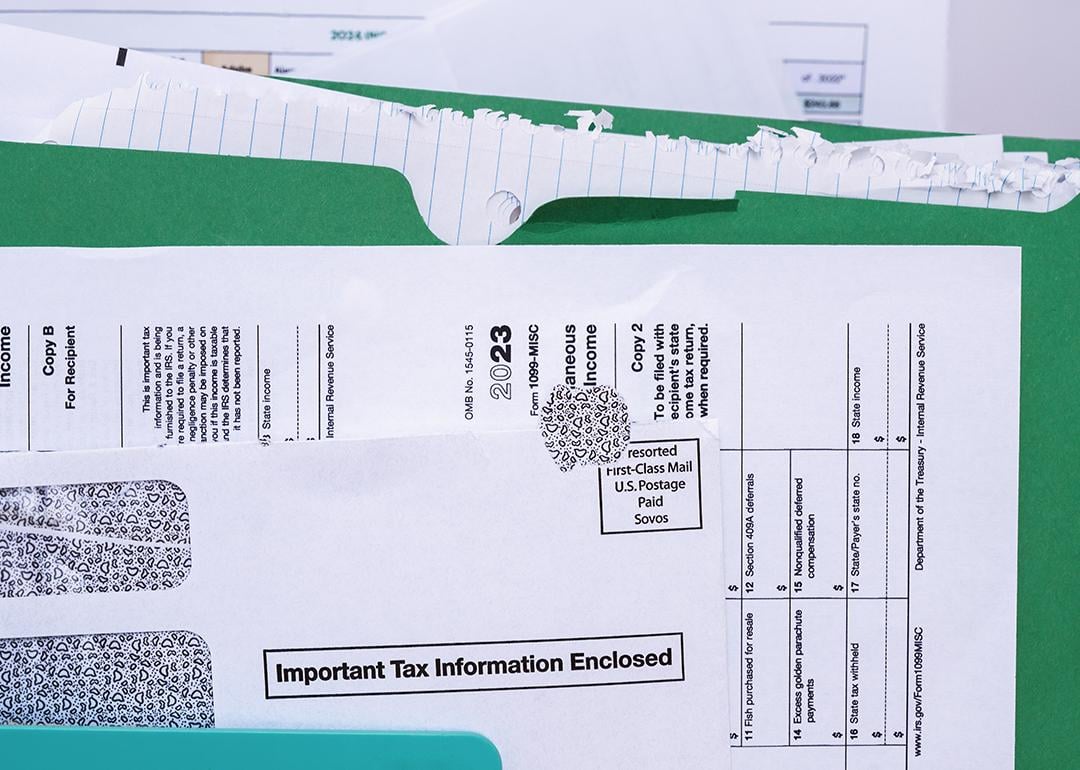
Next, she says to set aside an hour or so at the end of January to gather your key tax documents, like your W-2 and 1099-MISC, which are required to be issued by that time. Then, go back to your checklist and mark off what you have already completed and what is still outstanding. Once you have more than 50% of your documents, Jariwala recommends sending the folder to your CPA 鈥� if you鈥檙e working with one 鈥� so they can start working on your return. Having a draft return earlier rather than closer to the filing deadline allows you more time to review, and your CPA will have more capacity to answer questions and identify any other tax planning opportunities, she adds. And whether you are working with a tax professional or filing on your own, the sooner you have your documents gathered, the sooner you can file, and therefore the sooner you鈥檒l have your tax refund, if you are owed one.
If you haven鈥檛 already, establish a data gathering plan you can use throughout the year.
鈥淚n order to make tax day more zen, it is key to set up a process to do data gathering throughout the year instead of right before tax filing deadline,鈥� Jariwala says. 鈥淭hroughout the year, there are actions you take, payments you make and expenses you incur that have a direct tax impact. Understanding your tax situation is key to being able to gather data throughout the year.鈥�
4. Decide how you will file your taxes
Working with a CPA is one option, but there are also lower-cost and even free ways to file your taxes. While IRS Direct File, the government鈥檚 method for taxpayers to file their taxes for free, was last year, you can still use . This program allows you to file federal tax returns online for free thanks to a partnership between the IRS and tax software companies.
Popular tax software companies such as TurboTax and H&R Block also offer free versions, as well as paid tiers with more offerings.
Research the different tax preparation options now and determine which one makes the most sense for you so that, come April, you鈥檙e not scrambling.
If you are owed a refund, you鈥檒l want to be sure to send it to a financial institution that will get it to you as quickly as possible.
5. Make last-minute contributions
Just because 2025 is over doesn鈥檛 mean you can鈥檛 make 2025 contributions to some of your investment accounts. For instance, if you鈥檙e eligible for a health savings account, you can make contributions to your 2025 HSA through Tax Day. These accounts are triple-tax advantaged, meaning your contributions are tax-deductible, your money grows tax-free and you don鈥檛 pay taxes when you make withdrawals (as long as they鈥檙e for qualified medical expenses).
You also have until April 15, 2026 to make contributions to your individual retirement accounts (IRA), including a Roth IRA. For the 2025 tax year, IRA contribution limits are $7,000 for savers under age 50 and $8,000 for those age 50 and older. Depending on your income, you may be able to deduct contributions to a traditional IRA, lowering your tax bill.
was produced by and reviewed and distributed by 麻豆原创.