Does your dog need a winter coat?
You spent hours searching online for the comfiest (and most stylish) winter coat for your dog, and you’re finally ready to press “add to cart” — but before you take the plunge, you probably want to know if a new jacket is something your pet really needs. The reality is, there’s no one-size-fits-all answer.
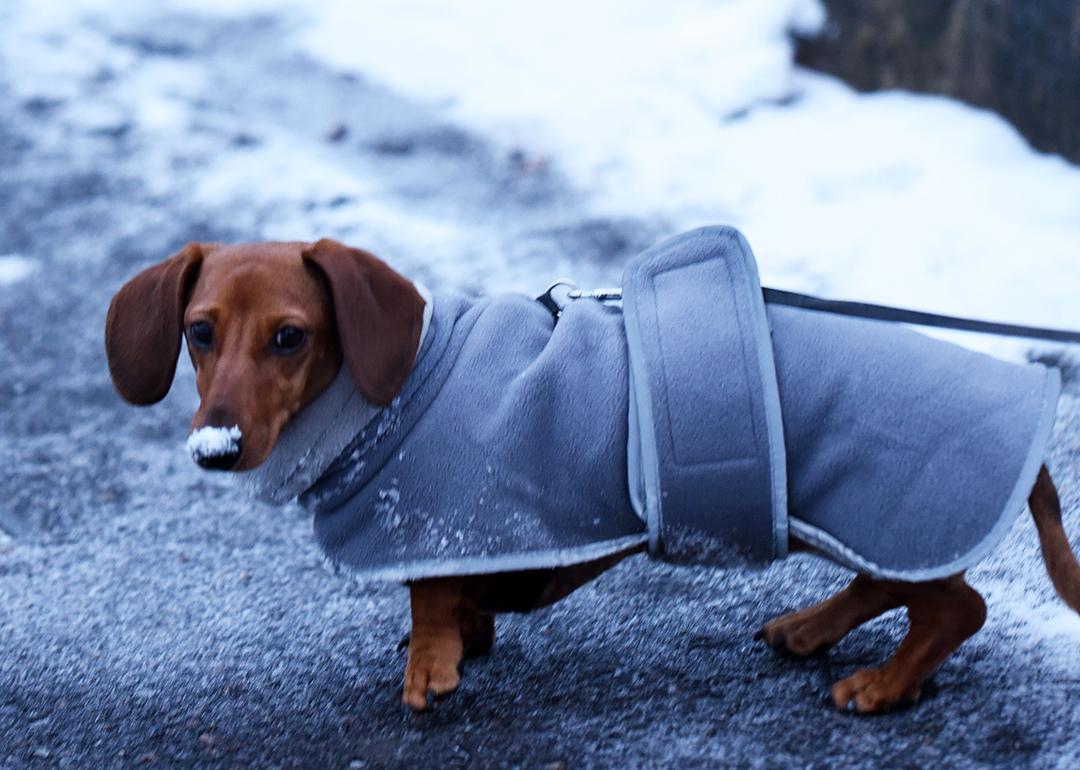
If your dog naturally has a thick, long coat — think Pomeranian or a Bernese mountain dog — they probably don’t need to worry about layering. But if your pup is slick-coated, very young, elderly, or suffering from a medical condition like arthritis, a coat can do wonders to keep them comfortable when chilly weather hits. Jackets can be especially beneficial for small dogs; it’s harder for the little guys to retain body heat.
You should also consider how long you and your dog are going to be outside. Your pup might be fine going coatless on a quick, 10-minute walk to do their business. But if you’re planning on taking your favorite hiking buddy along on a snowy winter’s day, they’ll probably appreciate some help staying warm.
There’s also the matter of actually getting your dog into the coat. If your pup’s just not having it, you’re not alone; lots of dogs are resistant to dressing up, no matter how adorable their new outfit is. But don’t worry — there are ways to train a dog to wear a winter coat. Below, breaks down everything you need to know about what kind of winter accessories your pup might need and how to make suiting up before walks stress-free.
Do dogs get cold?
Just like people, , but exactly when they get cold depends on a variety of factors like their coat type and length, as well as their size. Some breeds — the Siberian husky and Alaskan malamute, for example — are bred for cold weather and may even be reluctant to come inside out of the snow, while smaller dogs may start shivering at the slightest dip in temperature.
Experiencing intense cold without the proper protection is dangerous for dogs and can lead to hypothermia, which can be fatal in serious cases. Cold weather can also on your dog’s paws, ears, or tail.
Is it safe to put a winter coat on my dog?
As long as you only dress your pup up at the proper time, a winter jacket is perfectly safe. That said, never put a coat on a dog when the weather is mild or when they’re indoors, because this can lead to overheating. And no matter how cute they might look, don’t rush your dog to wear a coat if they’re totally opposed. Instead, to encourage them over time.
How to decide if your dog needs a jacket
Not every dog needs a winter coat. In many cases, it depends on the dog, as well as the temperature, so it’s up to responsible pet parents to determine if dog winter clothes are necessary. Monitor your dog while they’re outside in colder temperatures so you can keep an eye out for any signs that they’re struggling with the weather.
If your dog is especially active, dog coats may just not be necessary — you don’t want them getting overheated. But at what temperature do dogs need coats to stay warm? And how do you know when they have had enough of the cold?
Signs your dog needs a winter coat
When your dog is outside in cold weather, look for the following signs that they may need a warm winter coat:
- Whining or vocalizing their discomfort
- Shivering (just like humans!)
- Lifting their paws off the ground when walking
- or nervousness
- Stopping play or whatever activity they’re doing
Which dog breeds should wear a winter coat?
Do medium-sized dogs need coats in the winter? What about short-haired dogs? What if your dog just loves the snow? How can you tell their ? Some dogs are more likely to feel the chill on those cold winter days, so make sure to watch them for any signs of discomfort in the cold.
In general, you may want to consider a coat if your pup falls into one of these categories:
- Short-haired or thin-haired dogs, such as greyhounds, whippets, pit bulls, French bulldogs, and
- , which may have that can become worse in the cold
- Small and toy dogs, including puppies, whose bodies don’t generate or retain body heat as well as larger dogs
- Dogs with medical conditions that can weaken their immune systems
- Dogs with short legs like dachshunds, corgis, and basset hounds, who may be in closer contact with snow and ice on the ground
- Breeds with short haircuts, like poodles, which may be missing their longer fur in winter
It’s always a good idea to plan ahead and invest in dog coats for small dogs and other pups who may struggle to stay warm in the colder months.
How to train a dog to wear a coat
You can actually train a dog to like (OK, tolerate) wearing a jacket by helping them adjust how they feel about it. In other words, instead of being scared of the coat, a dog can learn to accept it.
First of all, stock up on some yummy, . (Note: When training a new behavior, especially when you’re trying to change your dog’s emotional response to something, it’s best to use treats they absolutely love but don’t typically get.) Then, choose a time when they are relatively relaxed, such as after a long walk or a good game of fetch, to begin the process of acclimating them to dog winter clothes.
Step 1: Just show them the coat.
Place the coat on the floor several feet away from your dog and observe their reaction. If they book it or show any — yawning, closing their mouth tightly, flicking their tongue, turning their body away — you’ll need to put even more distance between them and the coat.
Step 2: Reward your dog for being coat-friendly.
Once your dog shows no reaction to the coat, praise them and give them a treat. Still keeping a good distance between your dog and the coat, put the coat down and wait for them to look at it. They don’t have to sniff it or even walk near it; a quick glance will do. Praise and treat! Do this several more times.
Step 3: Bring the coat closer as you continue to reward them.
Continue with this exercise as you move the coat closer to your dog. Remember, you’re still not actually touching them with the coat; you’re just decreasing the distance between the two of them and giving them a treat when they look at it.
Step 4: Make contact between your dog and the coat.
Once they understand that simply glancing at the coat results in a treat, try gently touching the coat to one of their front legs for a moment. Don’t put it on yet; just touch your pup briefly with it. Try the front legs at first — you want to make sure they can see what you’re doing. No one likes surprises, especially when it’s something they .
Step 5: Don’t rush the process.
If your dog stands there and does nothing, give them a treat and lots of praise. If they seem only mildly stressed, take the coat away and then, holding a treat near their nose, try touching them again very gently with the coat. If they seem very stressed, go back to the previous step where they get rewarded just for looking at the coat.
Step 6: Pet your dog with the coat in hand.
Once you can touch them with the coat, try petting them with the coat in your hand. If they don’t move or show any sign of stress, give them a treat.
You get the idea. The key is baby steps. Take your time and don’t rush moving on to the next step. Soon, they will connect the dots and realize everything to do with the coat results in treats.
Step 7: It’s time for the coat!
When you’re finally ready to put the coat on your dog, just lay it over their back for a second, then remove it and treat them. Only when they’re comfortable at this stage (about eight out of 10 times) should you try putting the coat on and fastening it. Just like any other behavioral training, this is a process. Be patient and go slowly.
FAQs (People also ask):
What are the best coats and jackets for dogs?
The should fully cover their neck, belly, and back, running from the nape of the neck to the tail. The coat should fit them snugly but not be too tight or restrict their movement.
How cold is too cold for a dog?
Some dogs handle cold better than others, such as those with thick, fluffy coats. Smaller dogs, puppies, senior dogs, and those with thin fur will likely need at least , if not coats or jackets, when the temperature is below freezing. When the temperature is below 20 degrees Fahrenheit, monitor your dog, regardless of breed, for any signs of discomfort caused by the cold.
How long can dogs be outside in zero-degree weather?
When the temperature is between 10 and 32 degrees Fahrenheit (below freezing), dogs should not spend longer than 10 to 15 minutes outside — just long enough to do their business. When temperatures fall below 10 degrees, keep your dog inside.
Do coats actually keep dogs warm?
Just like they do for humans, coats can help your dog stay warm in cold weather, especially if they have a short coat or are on the smaller side. So don’t hesitate to start looking up adorable small dog jackets for your pup!
was produced by and reviewed and distributed by Â鶹ԭ´´.