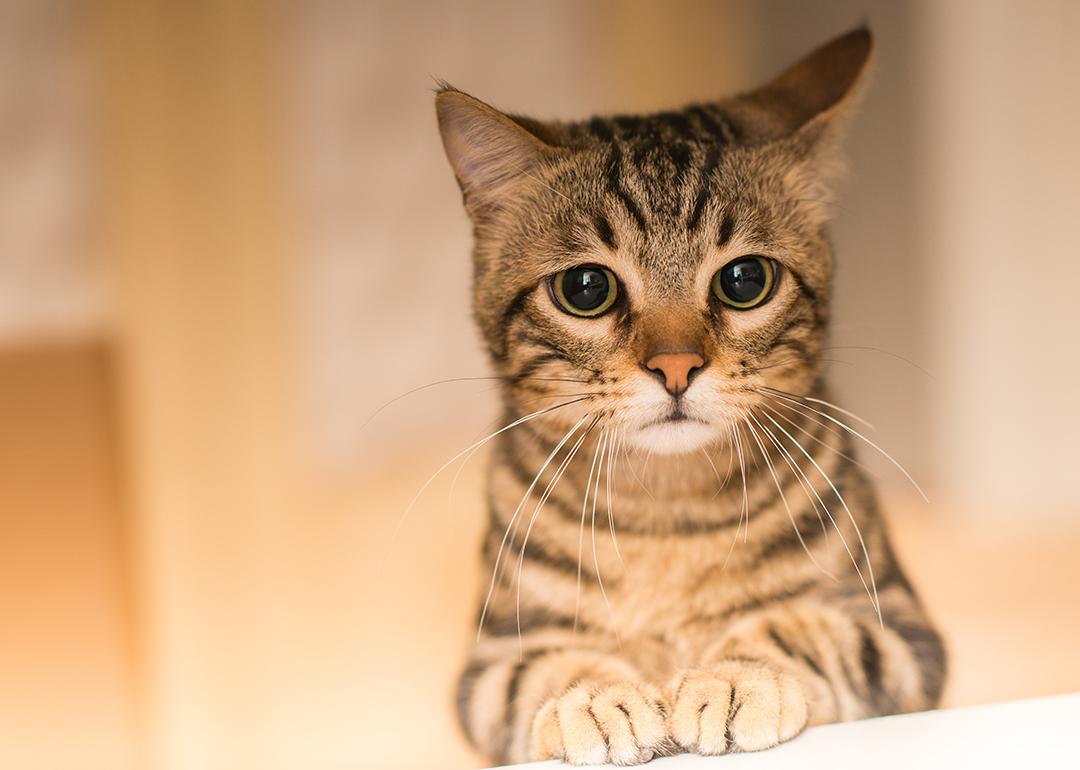
How to say sorry so your cat actually gets it
How to say sorry so your cat actually gets it
Cats, like all animals, definitely can and do feel upset. And even if you are the perfect pet parent, at some point, they will probably be upset with you. “Cats can be upset by all sorts of things,” Joey Lusvardi, feline behavior consultant at , tells . “Common upsets include: unexpected noises, changes to their schedule, and being handled or petted when they don’t want it. They can also get upset when they feel trapped or cornered somewhere.”
Jennifer Van de Kieft, feline behavior expert and nutrition consultant at , says undersocialized cats are especially resistant to visitors. She says: “Other triggers include: missing a play session, being late for mealtime, not giving them enough attention, waking them when they are sleeping, overhandling them, letting them get bored, overwhelming their sense of smell with candles, plug-ins, and incense, underfeeding them, not cleaning their litter box often enough. They also don’t like being left alone for long periods of time.”
People often think of cats as being solitary creatures who are more than happy to be , especially if they are more aloof or generally avoid petting. But just because your cat doesn’t crawl into your lap every time you sit down doesn’t mean they don’t appreciate your company.
Just being in the room with you is one of the many subtle . Other times, your cat may want to be near you — even going as far as to — but still not want to be pet. “Interpreting proximity as desire for pets will often result in an upset cat,” Lusvardi warns. “I often compare it to someone who you may enjoy sitting and talking to but don’t want them to give you a hug.”
So how do you apologize?
First and foremost, you have to respect their space. Don’t just jump in and try to make it right with cuddles and kisses and words of contrition. “Let them initiate contact if they want pets,” Lusvardi says. “Then, focus on changing your own behavior moving forward.” Think of it less as a single apology moment and more as rebuilding safety gradually, especially if they’re skittish or recently adopted.
Next, you need to make sure your cat’s physical and emotional needs are being met. Van de Kieft advises you do this by: switching to smaller, more frequent meals; increasing the frequency and consistency of play time; creating attractive resting and hiding spots for them around your house; and . If cats have a love language, it is routine, so try to establish one that prioritizes their needs.
“Increasing fun in their life is always a good way to improve emotional health,” she says. That can include “additional enrichment activities such as food puzzles, olfactory enrichment, and more playtime.” can also be a fun and fruitful activity for cats.
Lusvardi also advises doing what you can to make triggering situations for your cat less stressful. For example, you can make by rewarding your cat with treats, maintaining your composure, and giving them breaks in between paws. You can make getting into their carrier easier for them by bringing it out a couple of days in advance so they can inspect it. You can also add in a nice, cozy blanket and some treats inside to entice them to investigate. “In general, you want to learn to work with your cat, rather than against them,” he says.
How can you prevent future fallouts?
Once you’ve reestablished good terms with your cat, you’ll want to do what you can to avoid issues.
- Respect your cat’s physical boundaries by letting them initiate contact.
- Pay attention to their body language and respond appropriately to early signals of stress.
- Create predictable routines around meals, rest, play, and affection. (This could mean offering 30-minute cuddles every night before bed.)
- Reduce overwhelming stimuli in your home: noises, scents, visitors, etc.
- For anxious or rescue cats, build extra hiding spots and make sure to incorporate choice and structure into your cat’s day.
- In multicat homes, make sure resources are abundant and spread out to reduce tension.
So were they actually “mad,” or was it something else?
“I wouldn’t use the term ‘mad’ to describe how cats are feeling in most cases,” Lusvardi says. “Stressed, fearful, annoyed, or anxious are more accurate.”
So how can you tell if your cat is in their feelings? Often, there are warning signs: a , pinned ears, tense body posture, or freezing in place are all signals you should back off before things escalate. “You can often tell if a cat wants some space because they will physically start moving themselves away from you,” Lusvardi says. And if you ignore these signs, “ or swat at you as a last resort to really drive the point home.”
“Hiding from you is another sign,” Van de Kieft says. “As is not coming over to seek your attention, or, alternately, seeking your attention constantly because their needs are not being met.”
Do cats hold grudges?
Just because your cat is ticked off about something you did (or didn’t do), that doesn’t mean they will stay upset forever — especially after you make amends. Cats don’t really . “Resentment and grudges are human concepts and not something cats experience,” Lusvardi says. “They can learn that you’re not safe or become afraid of you, but that’s not quite the same as a grudge.”
Van de Kieft adds: “You can certainly break your cat’s trust. And when that happens, you have to earn it back.” That takes time. If you accidentally step on their tail, for example, they may suddenly feel unsafe near you, especially when you are walking around the house. When you come near, you might notice them hugging the walls or skittering away, but it’s not because they are mad at you, per se; they are just trying to protect themselves. Give them time, and walk a little more slowly and deliberately when they are nearby to let them know that you are aware and looking out for them.
You can also try approaching them when they are off the ground, like when they are hanging out in their cat tree or resting on the couch. Off the floor, they probably won’t be so skittish (context matters), and you can offer them treats and pets to remind them what a gentle and loving person you are.
Some cats can bounce right back from an accidental tail-step or loud noise, but other cats need more coaxing, so don’t just assume they will “get over it” without at least some effort on your part. This can be especially true of rescues, , or cats in multicat households, where tension or fear can snowball without repair.
Remember that apologizing to cats isn’t about saying you’re sorry. Words don’t mean much to them. And even if they did, actions speak louder. Adjust your behavior, respect their boundaries, and show them that you are a safe person to be around, and even if it takes a little time, they will return to your loving embrace eventually. Be patient. They’re not mad. They just need a little space and reassurance.
was produced by and reviewed and distributed by Â鶹ԭ´´.