25 animals that are illegal to own as pets in the US
If there's one dog breed that gets a bad name, it's pit bulls. Prompted by , breed-specific laws (BSLs) that ban pit bulls began to crop up across the U.S. As of 2020, there were more than 700 cities in America with BSLs, according to the . But the situation may be starting to change for this widely misunderstood breed. In October 2023, Florida updated its "dangerous dogs" law to . More recently, in November 2024, residents of Aurora, Colorado, voted to .
In addition to pit bulls, there are many animals that are illegal to own as pets in the U.S., though few are universally outlawed. Instead, rules typically vary state by state, or city to city. The top most-banned animals tend to be large or overtly dangerous ones, like bears, big cats, or venomous snakes and spiders. However, there are many other reasons an animal could be off-limits as a pet: some animals are uniquely outlawed in cities because of the lack of space, while others carry diseases like Salmonella or Ringworm, and still, others won't fare well in certain states' environments.
For instance, although gerbils are usually a popular pet in most parts of the country, they are outlawed entirely in Hawaii and California, where the . Out of fears that they will spread rabies, ferrets are barred as pets in many cities, though some states allow them so long as owners obtain a permit or rabies vaccination first.
Unfortunately, there are many stories of pet owners underestimating the 'wild' inherent to a wild animal. Many exotic species can never be entirely domesticated or trained, no matter how well they seem to settle in with humans. In 2009, despite having lived peacefully with a family of humans his entire life, in Connecticut. This past March, an Ohio man which he had registered and owned legally.
麻豆原创 compiled a list of 25 animals that are illegal to own as pets in the U.S. Read on to find out if your favorite animal is legal to own in your state, and what considerations it might need.
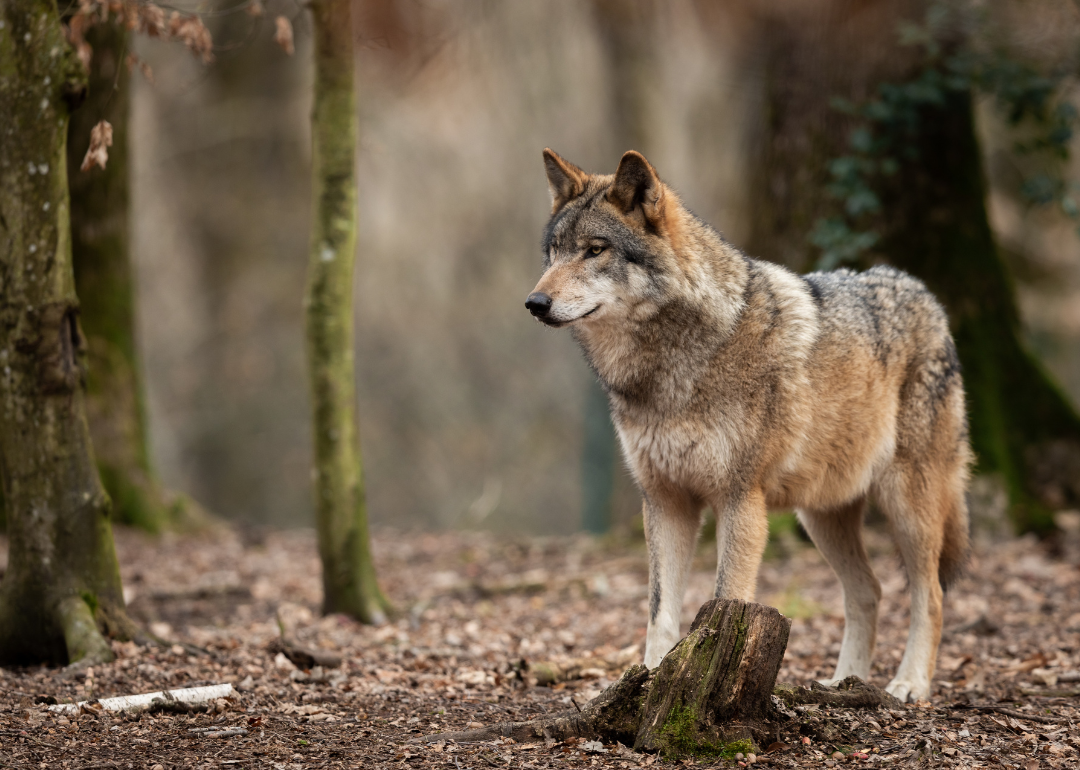
Wolves
Although many dog breeds鈥攍ike 鈥攑ride themselves on sharing a large percentage of genes with wolves, in the U.S. This is largely because it is , even if it is raised with humans from the time it is a pup. Wolves are often , and display unpredictable and sometimes aggressive behavior.
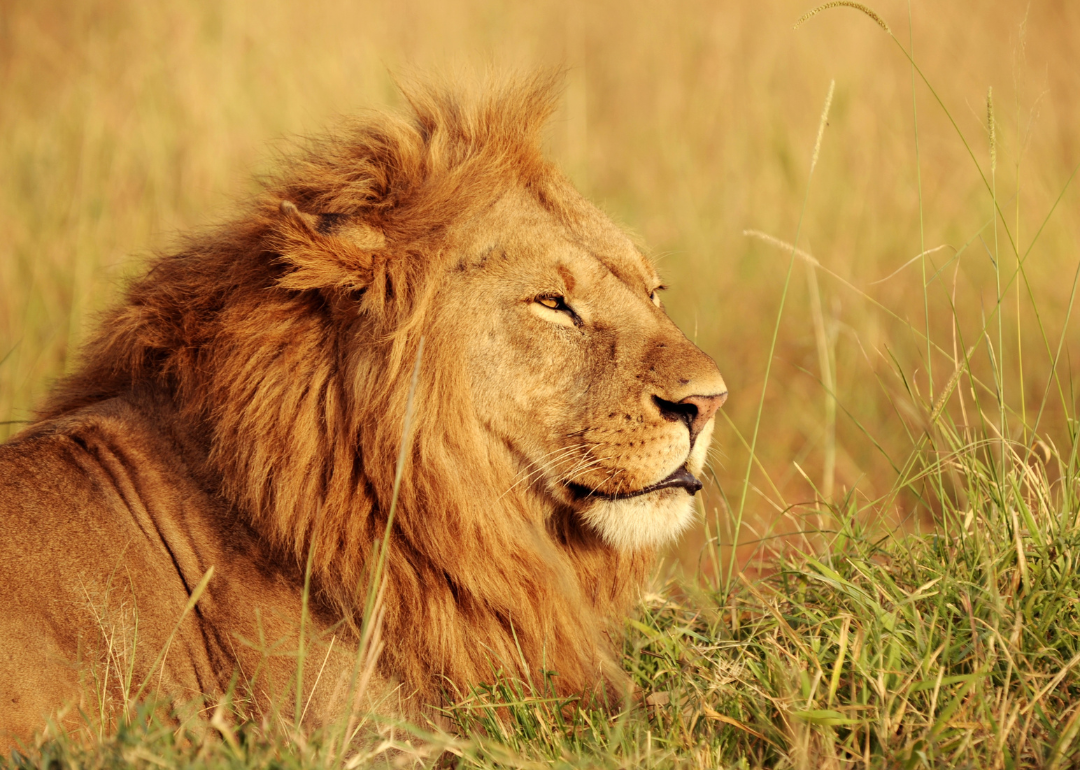
Lions
This one is a no-brainer: lions' make even the most docile individual unfit as a pet. Just last December, the , outlawing private ownership of lions and other big cats across the country. Those who currently own lions or else face hefty fines or even jail time.
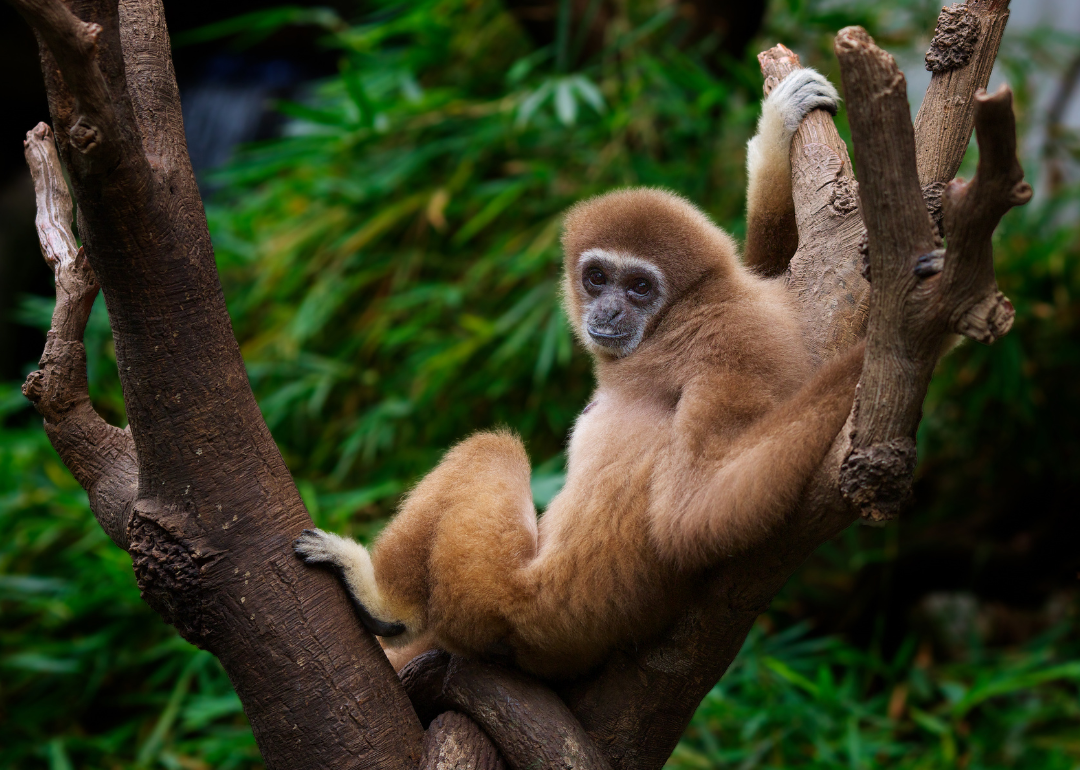
Primates
Owning a primate as a pet often depends on exactly what category it falls under鈥攎onkey or ape. There are : tarsiers, tamarins, chimpanzees, squirrel monkeys, macaques, capuchins, marmosets, spider monkeys, and guenons. However, no matter what breed, primates are usually poor candidates for pets, due to their high energy levels and demanding needs for space and social interaction. In , it is legal to have a monkey as a pet, but not an ape; in , certain breeds of monkeys are allowed; in , only residents with disabilities may own a capuchin monkey; and in , monkey ownership is currently being gradually grandfathered out.
Squirrels
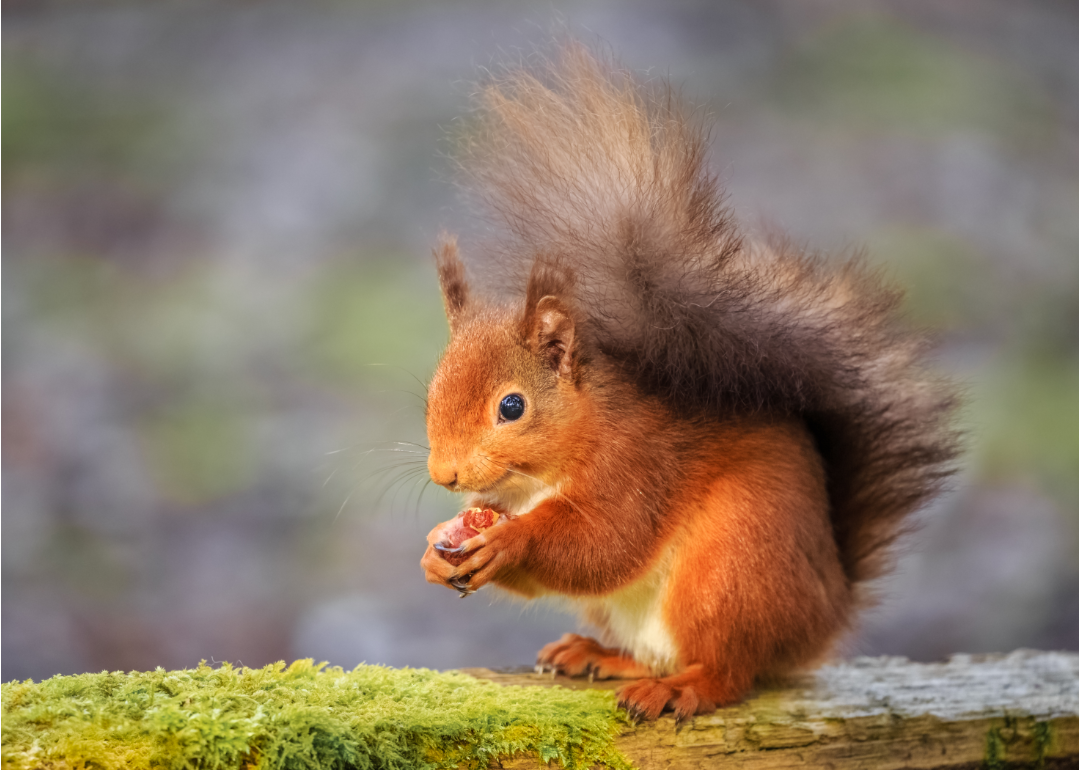
They're cute and small, but best left outside. Owning a squirrel as a pet is illegal , including Alaska, New Hampshire, Alabama, and Wisconsin. Their need for ample outdoor space and sharp, furniture-destroying claws often make them destructive once put into captivity.
Any turtle with a shell less than four inches long
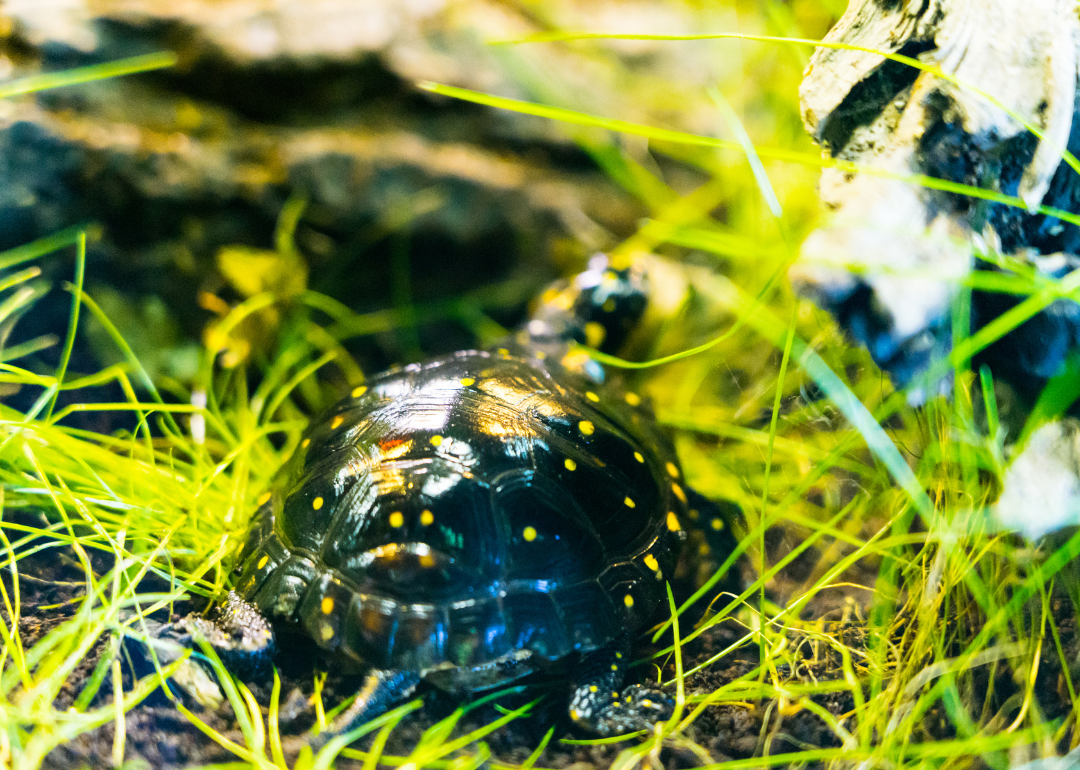
In 1975, the FDA's Public Health Services Act outlawed private ownership of turtles with shells smaller than four inches in length, including snapping turtles. Although small turtles were long popular pets, they . This disease could be potentially life-threatening if transferred to small children.
Alligators
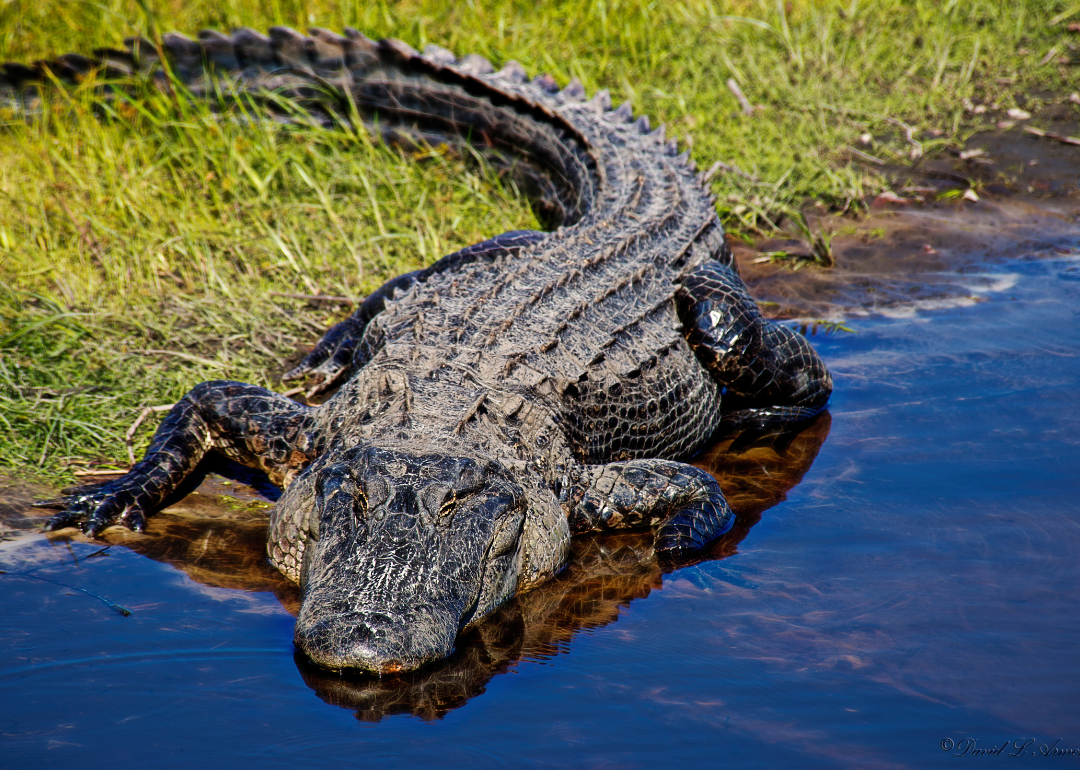
In Florida, it is legal to own a pet alligator so long as you have a license; in eleven other states, it is legal with a permit; and in all other states, it is illegal no matter what. However, just because you can own an alligator privately doesn't mean you should: fully-grown individuals can reach over eleven feet long, and are capable of inflicting severe harm. Florida is home to the most frequent human-alligator interactions in the country, with .
Raccoons
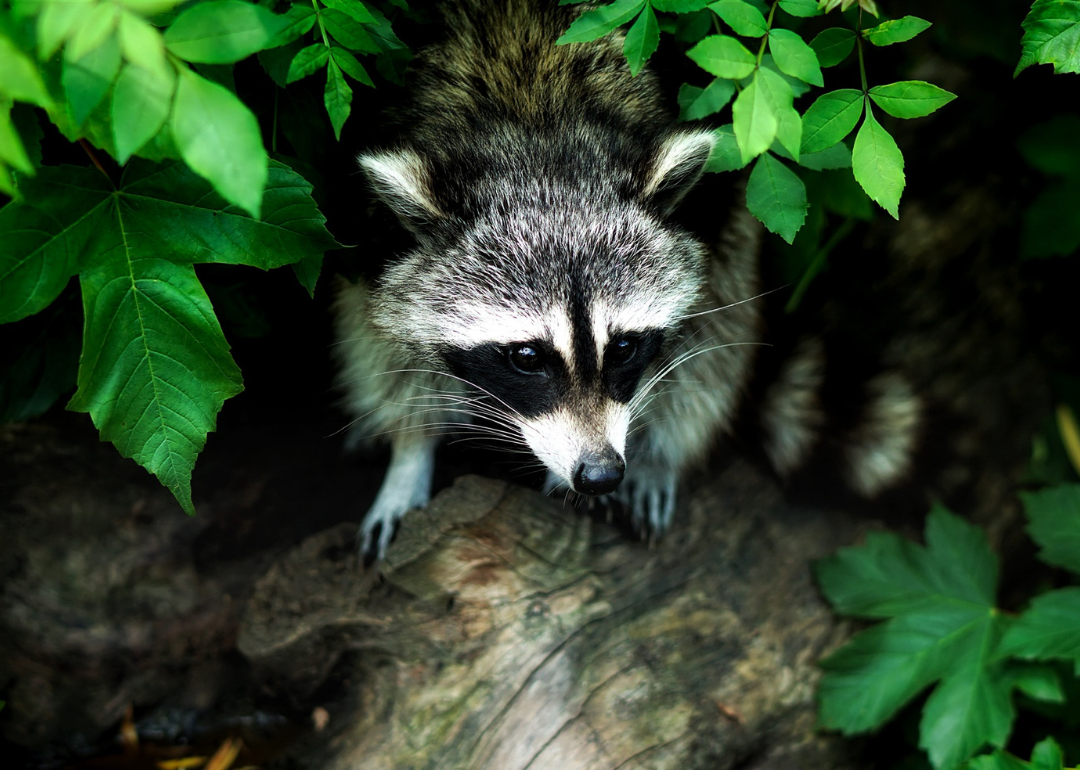
It's not for nothing that raccoons have a reputation for being mischievous: they are known for their unpredictable behavior and ability to break into locked spaces. Even if they spend ample time with humans, they can . For this reason, it is except in Arkansas, Delaware, Florida, Indiana, Michigan, Nebraska, Oklahoma, Pennsylvania, Rhode Island, South Carolina, Texas, Wisconsin, and Wyoming.
*
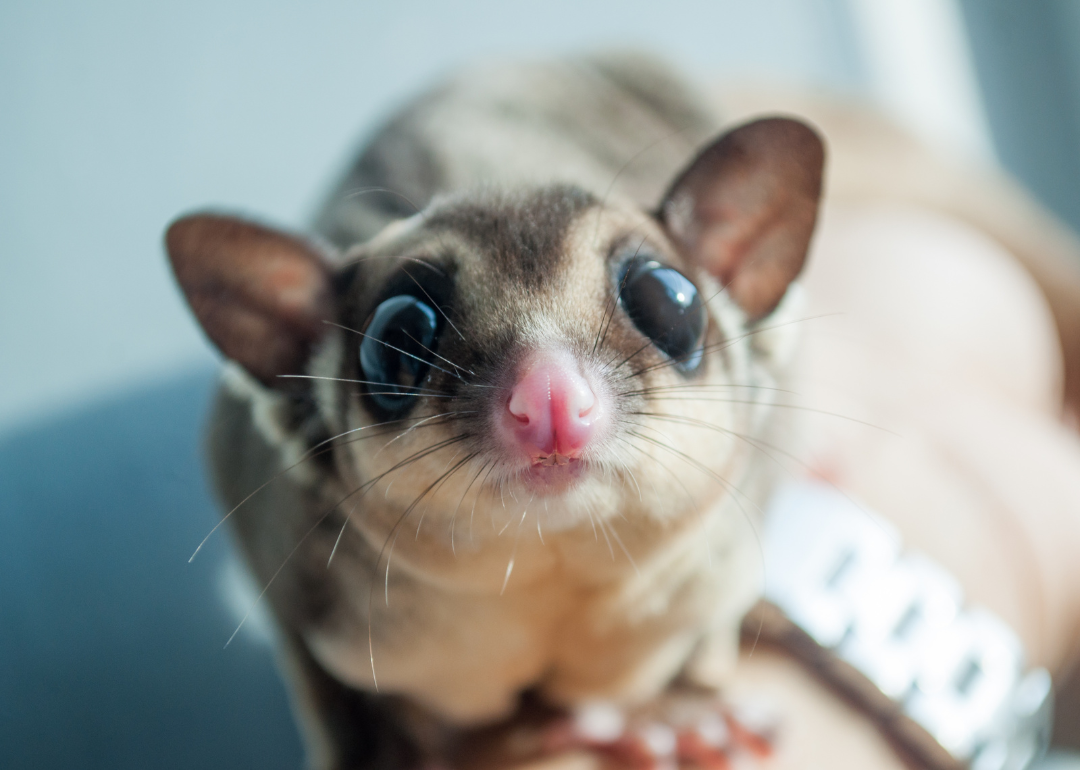
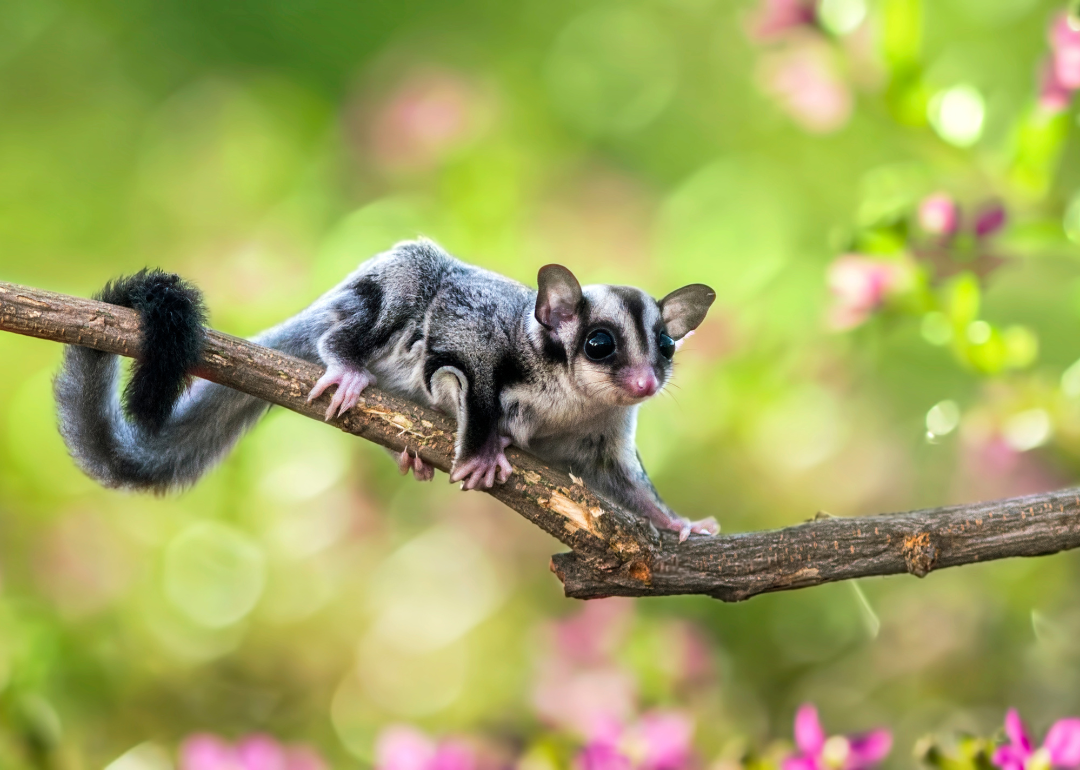
Sugar gliders
Sugar gliders, a tiny cousin of the kangaroo, have become popular exotic pets due to their cute faces and playful ability to glide across surfaces. However, they are in Alaska, Hawaii, California, Massachusett, New Mexico, and some cities like New York City. Their need for large spaces to live in, and other marsupials to interact with, means that many sugar gliders will become depressed if kept in private residences.
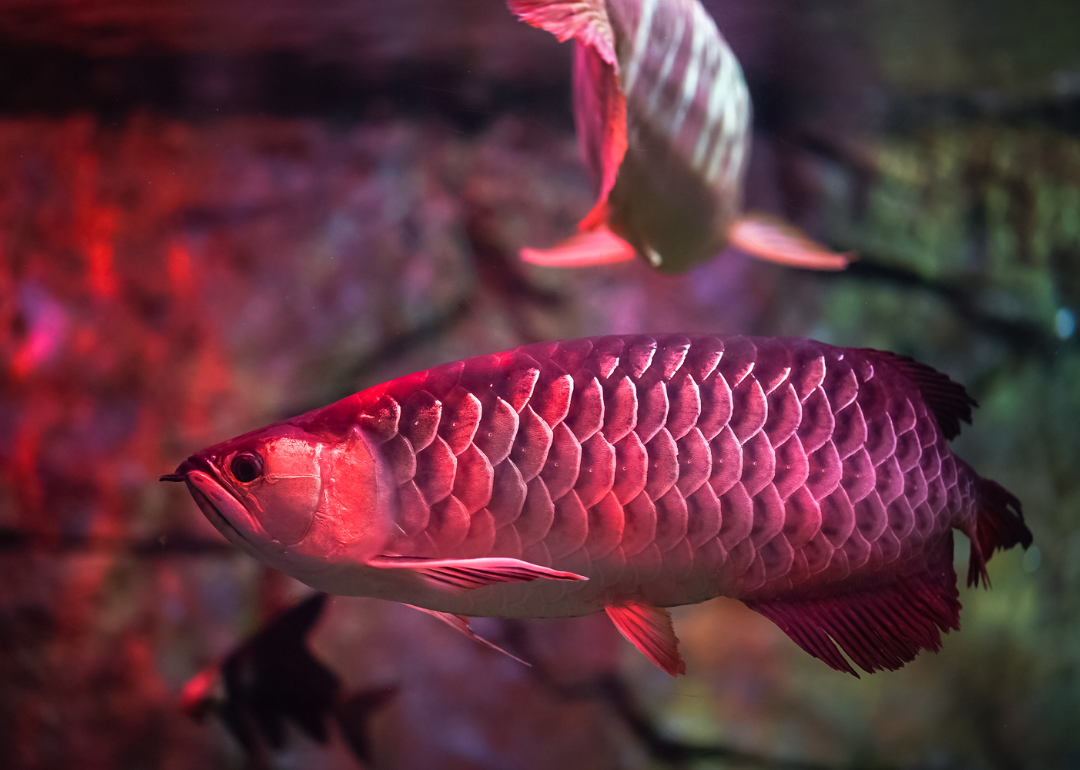
Asian arowana
This exceedingly rare three-foot-long fish can . This is partially due to its cultural significance in Asia as an emblem of good luck. However, it is illegal to own an Asian arowana in the U.S., due to its status as critically endangered.
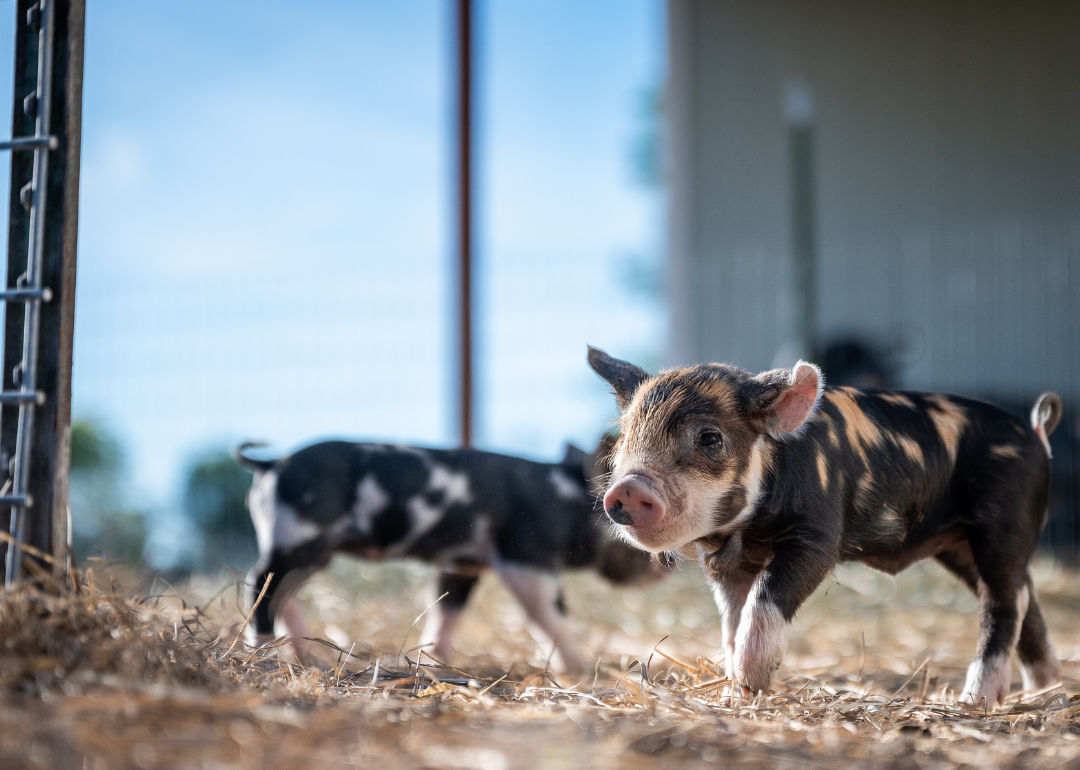
Pigs
Mini pigs are increasingly popular as house pets鈥攂ut the problem is, there isn't actually such a thing as a "mini" pig. Even "teacup" and "micro" pigs are actually just underfed piglets that will eventually grow to over 100 pounds, with some even exceeding 500 pounds. Additionally, many adults can become aggressive toward humans. Many cities, , outlaw keeping farm animals within city borders, which many pig owners don't realize until it's too late.
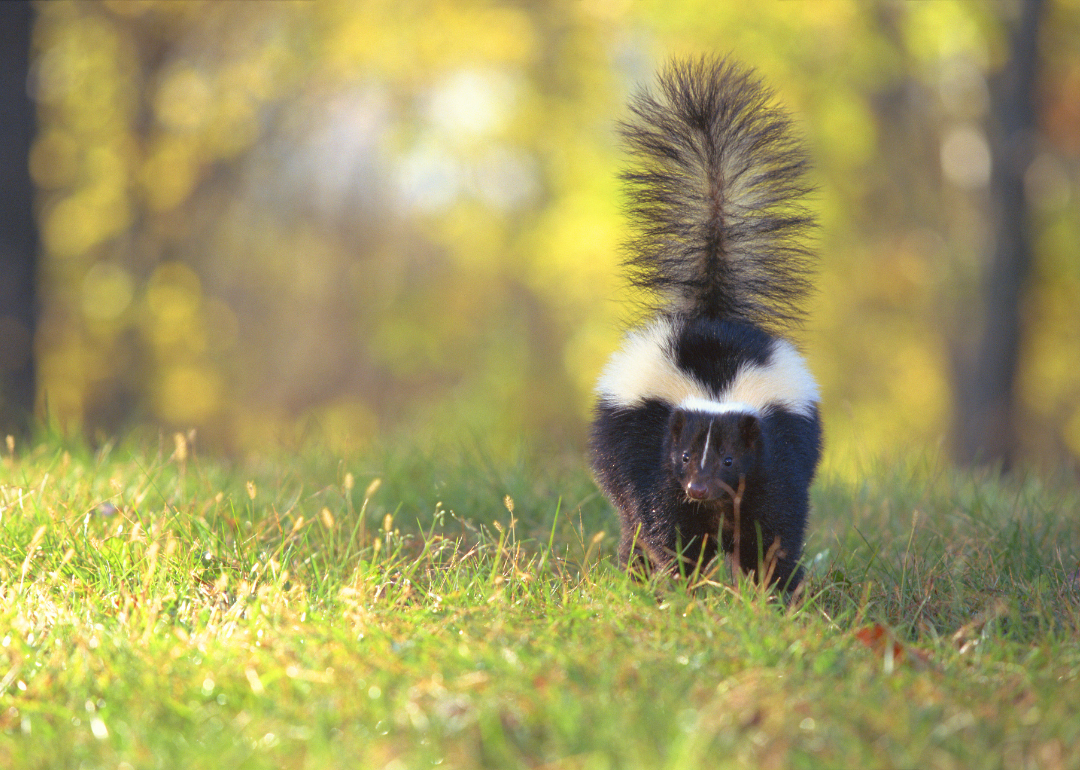
Skunks
The first thing someone hoping to keep a skunk as a pet should do is descent it, which refers to having its scent glands removed so it can't spray its odor around the house. However, even if descented, it is still . Besides their famous smell, skunks' unusual diet needs and penchant for destruction make them ill-fitted for domestic life.
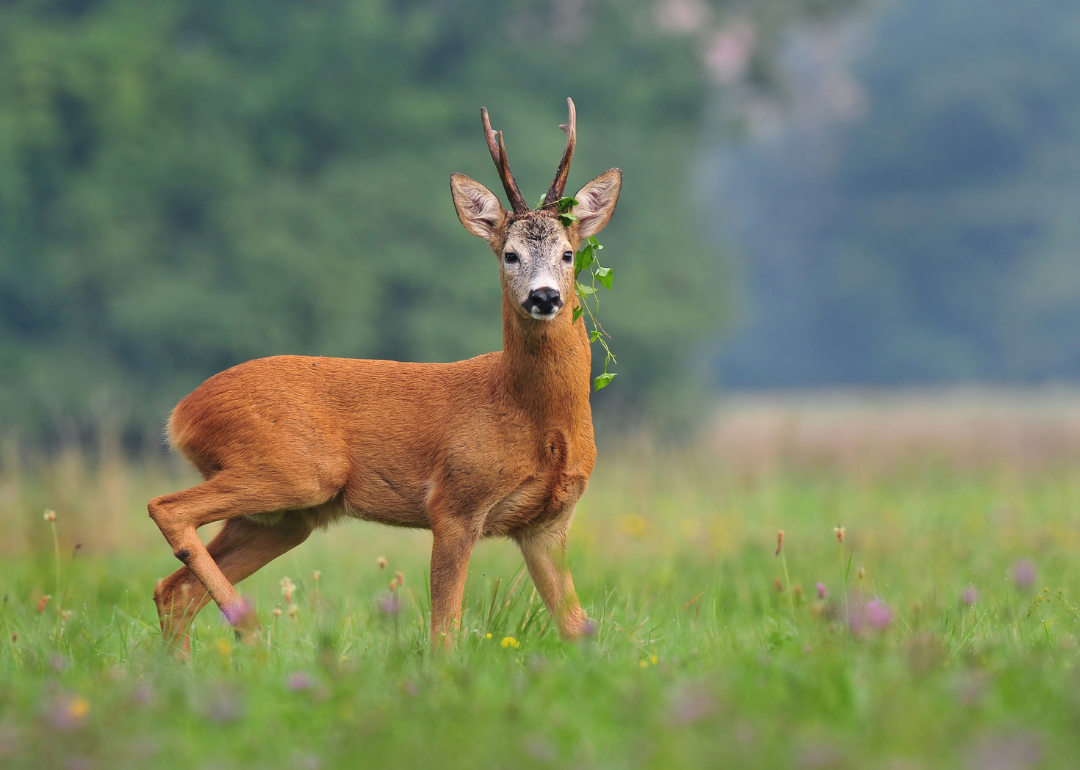
Deer
No matter if it is a red deer, white-tailed deer, or some other species, most deer are illegal to own as pets across the U.S. Notable exceptions include Colorado, New Hampshire, Vermont, and South Dakota, but ownership is usually subject to permits and regulations. Besides their size, deer are , making them dangerous if kept in close confines with humans.
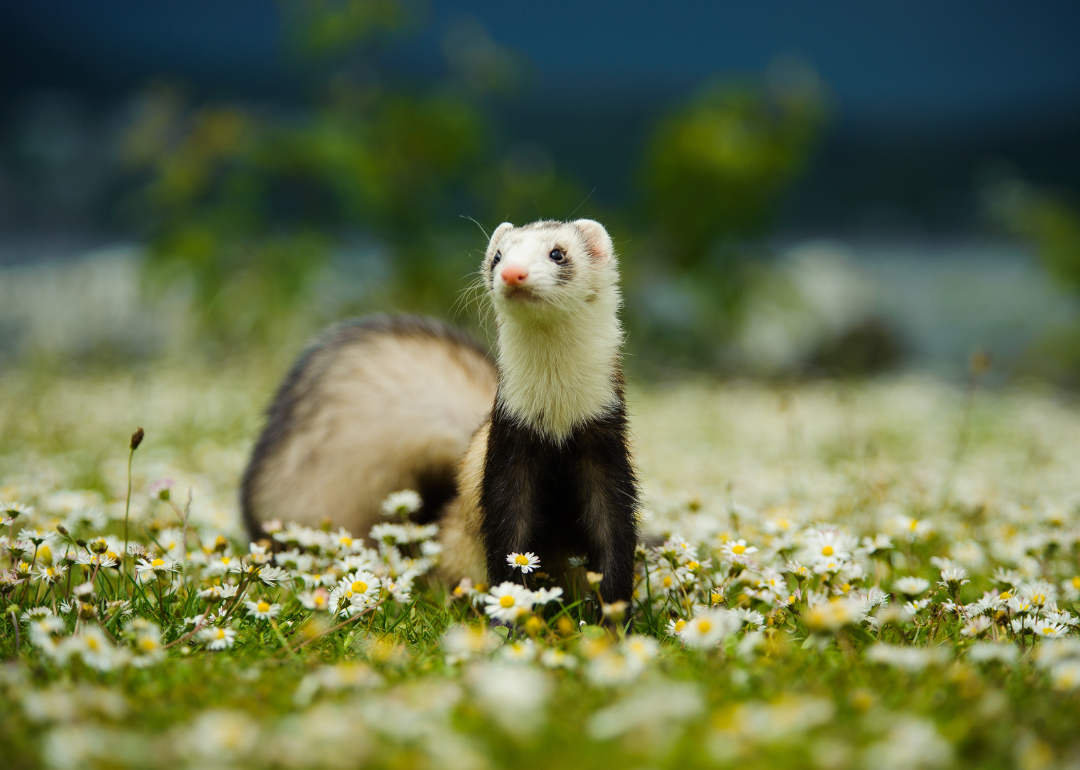
Ferrets
It might be surprising to know that ferrets aren't universally allowed as pets, considering their popularity in pet stores. However, they are . Both states fear the , especially Hawaii, which wants to preserve its status as the at the moment.
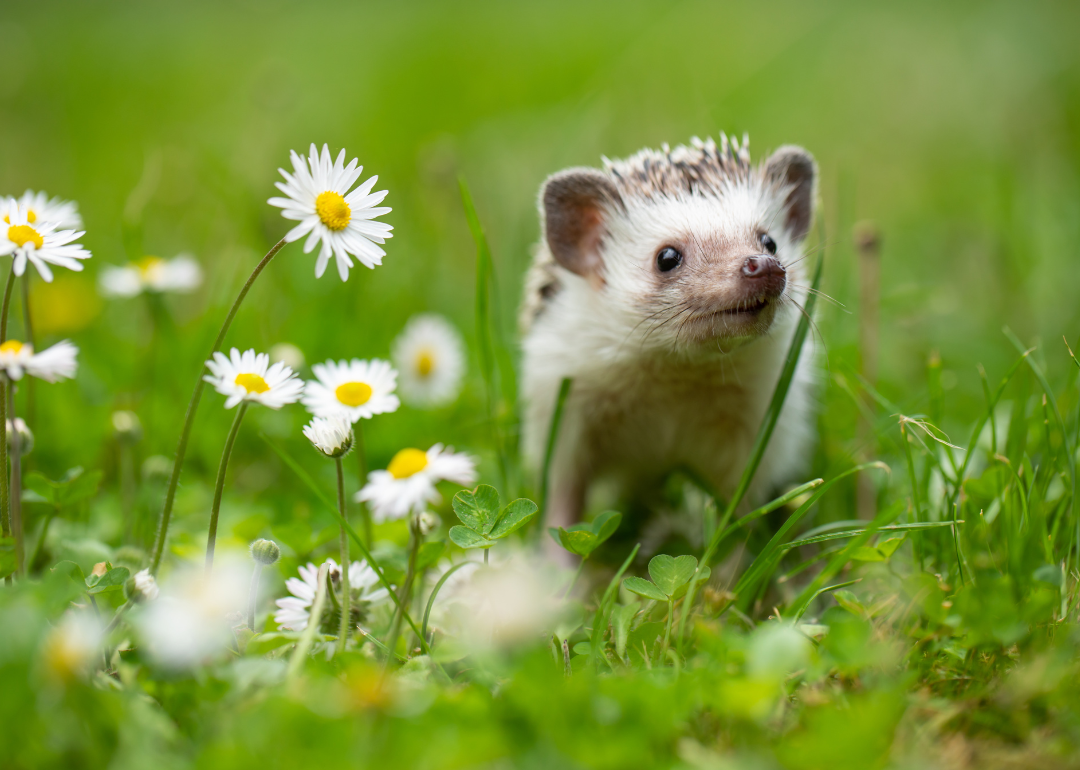
Hedgehogs
African pygmy hedgehogs in particular are increasingly popular as pets but are illegal to privately own in California, Hawaii, Georgia, Washington D.C., New York City, and Omaha. Despite their small size and cute demeanor, their like salmonella and ringworm. Additionally, hedgehogs don't actually enjoy interacting with humans: they often feel anxious or threatened when being handled.
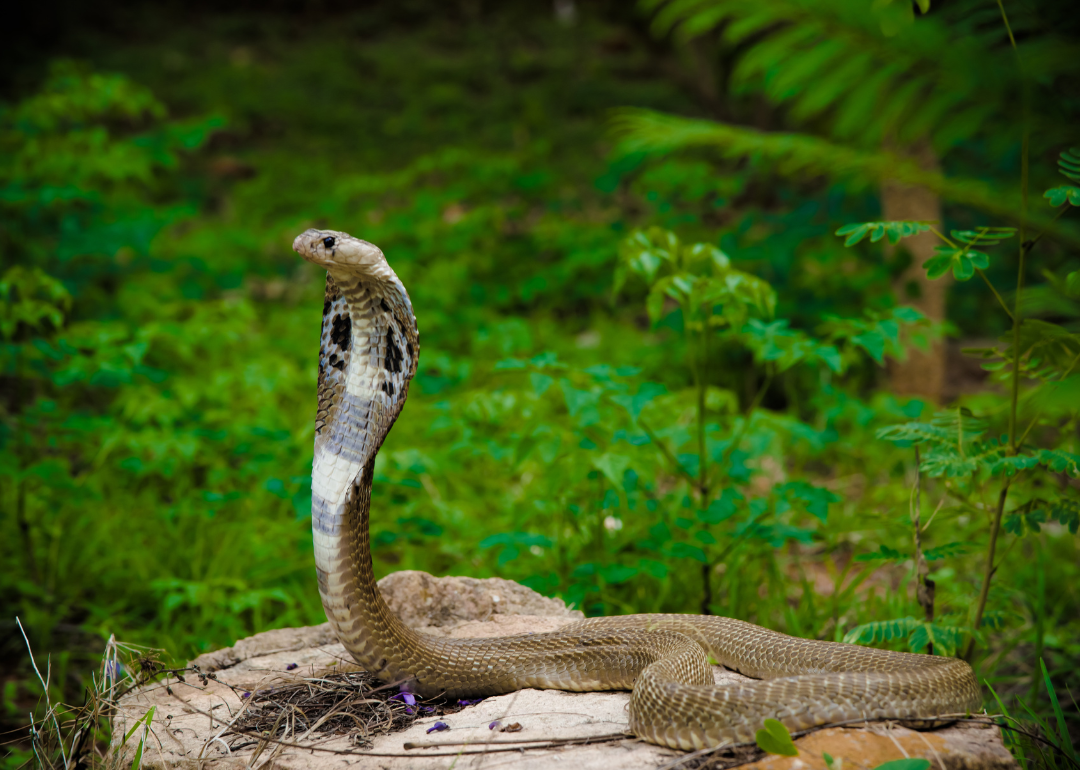
Venomous snakes
Even if you remove their venom, it is illegal to own venomous snake species in Tennessee, Vermont, Delaware, Georgia, Illinois, New Hampshire, Washington, Florida, Indiana, Iowa, Missouri, Kansas, Louisiana, Maryland, New Jersey, New York, Washington D.C, California, and Connecticut. This past January, officials in Georgia and Florida under the table. For many of these鈥攊ncluding various types of cobras and vipers鈥攏o anti-venom is available in case an owner is bitten.
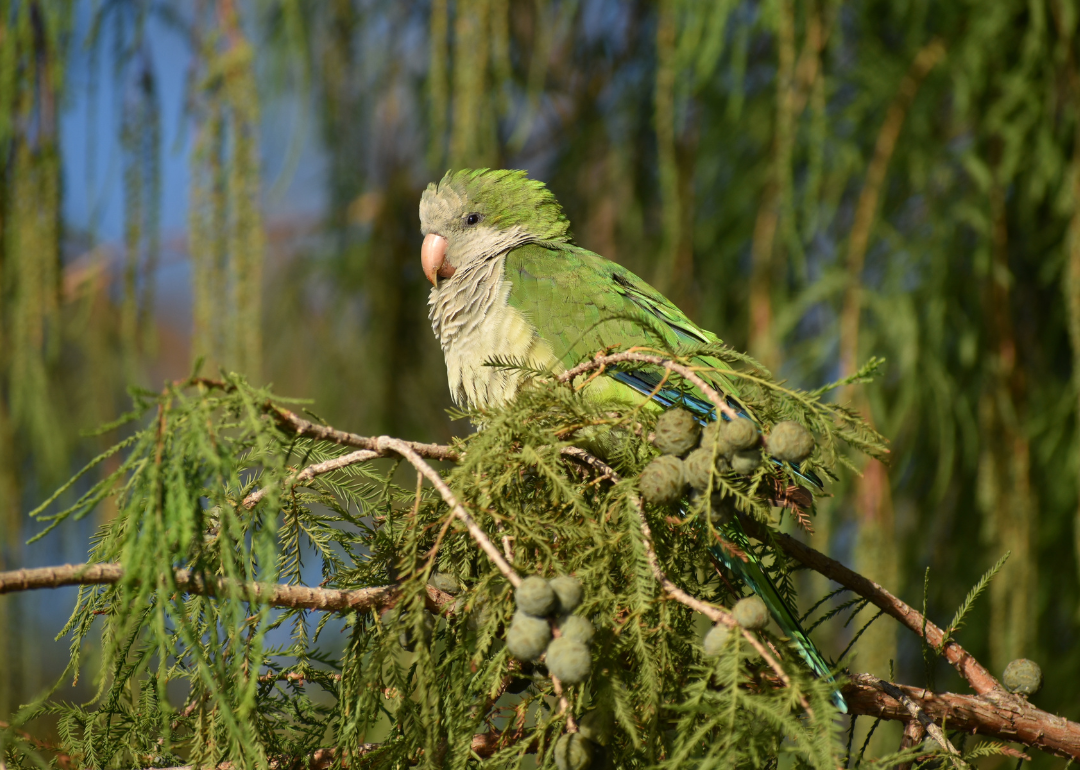
Quaker parakeets
It is currently in California, Connecticut, Colorado, Georgia, Hawaii, Kentucky, Pennsylvania, Rhode Island, Tennessee, and Wyoming. In some states, including Ohio, New York, Virginia, Vermont, Maine, and New Jersey, it is possible to own one, so long as you obtain a permit and micro-chip your bird. The reason for these strict regulations is that these formerly-popular household pets have been known to , causing damage to local agriculture.
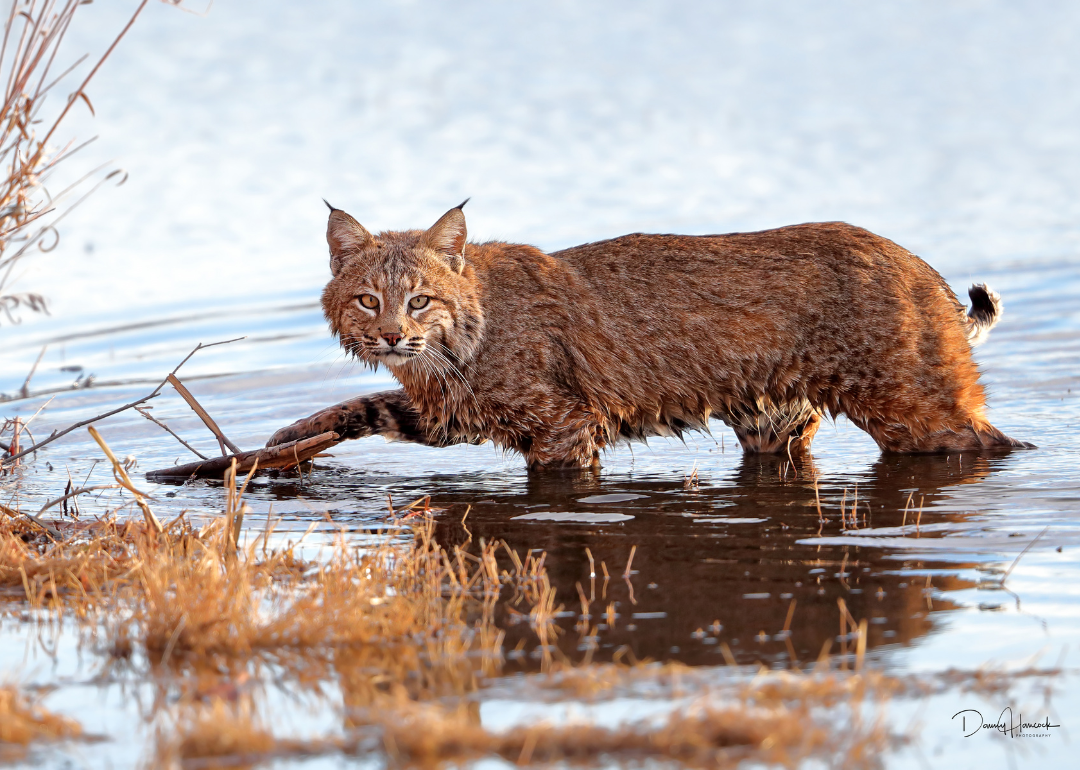
Bobcats
If you are not a resident of Alabama, Nevada, North Carolina, South Carolina, or Wisconsin, you will have trouble getting permission to privately own a bobcat. In some , but in many, bobcats' large size and naturally predatory instincts outlaw them as pets in any circumstance. Ownership sometimes depends on the number, however: in Arkansas, for instance, .
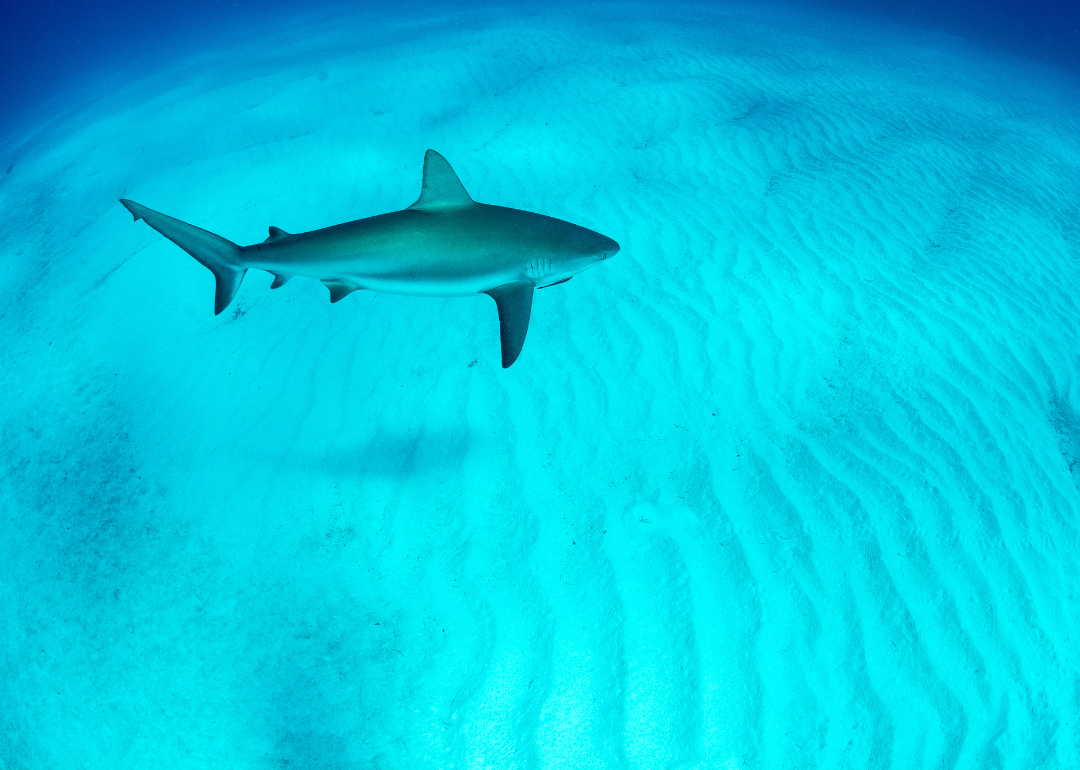
Sharks
Some small shark species, including leopard sharks, catsharks, horn sharks, and zebra sharks, have been known to be kept in large aquariums as pets, but for the most part, owning any larger species is outlawed. A recent has caused many states to reexamine their laws regarding the individuals keeping these large creatures inside their homes. to most state bans.
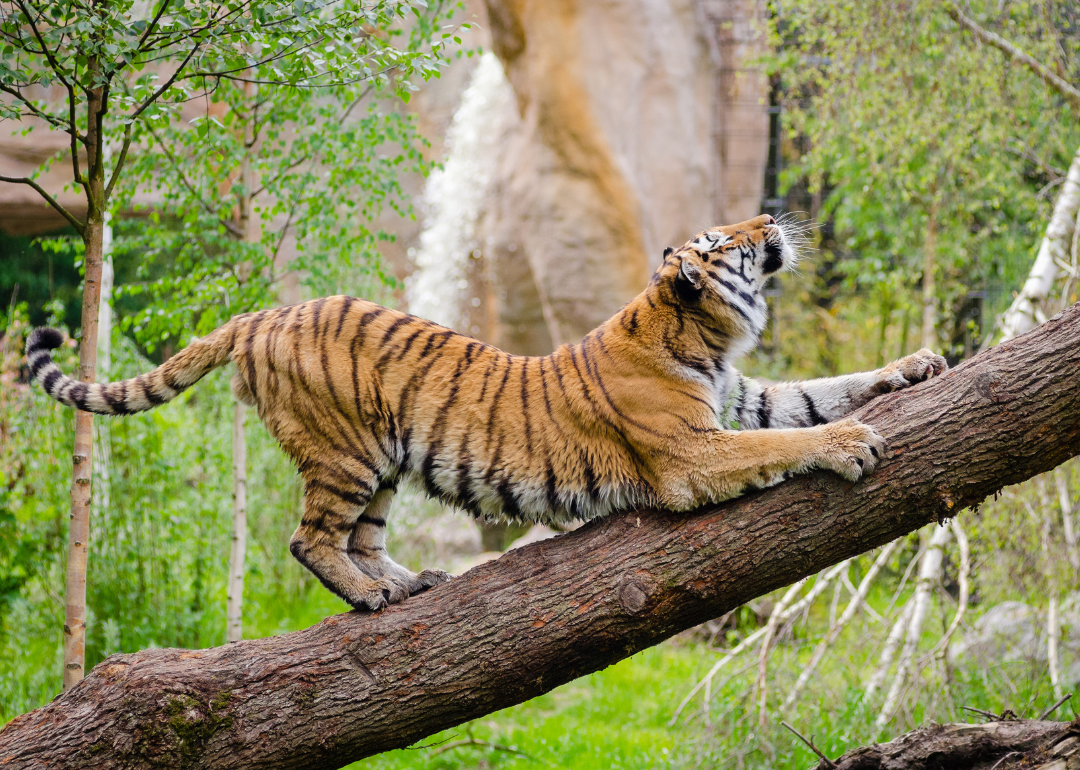
Tigers
More tigers are privately owned in the U.S. than exist in the wild: as of 2019, there were around 5,000 tigers being legally kept captive across the country, as compared to only 3,890 roaming their natural habitat. This will likely soon change, as last December's outlawed keeping big cats as pets. Many owners underestimate the demands of owning an adult tiger, which requires 15 pounds of meat daily and at least seven square miles of space, or else they will become dangerously aggressive.
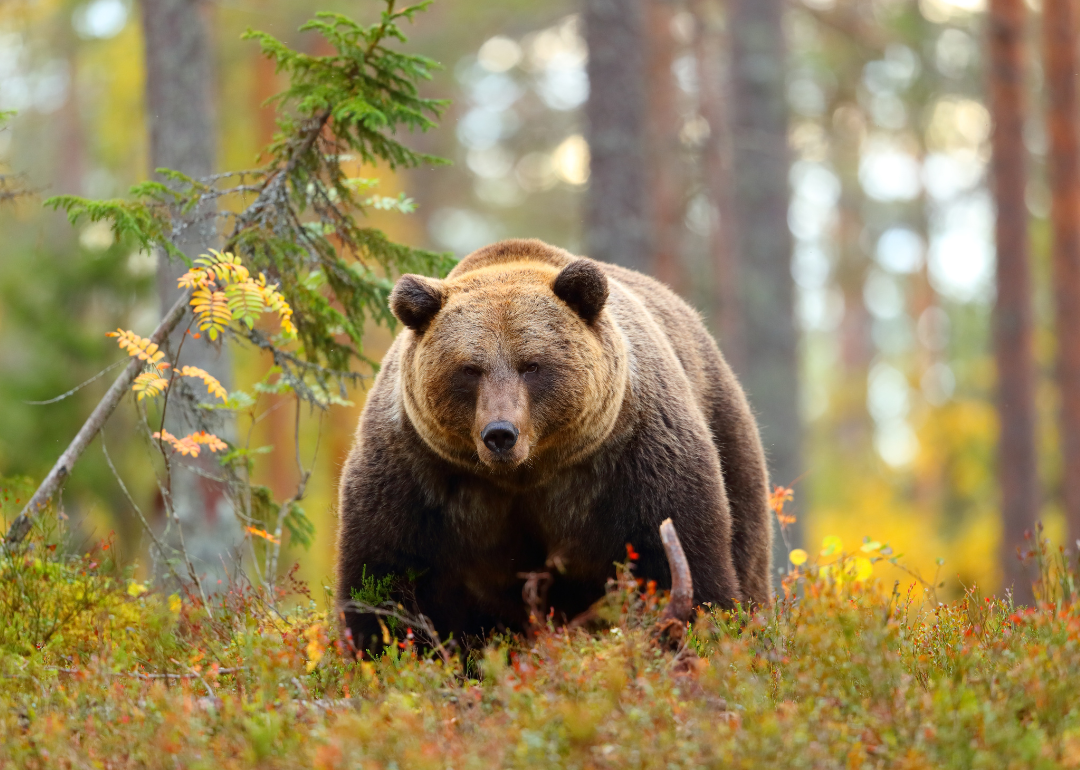
Bears
Most states have a blanket ban on "bears," but in some states, only specific types are outlawed. to own in Alabama, Missouri, Oklahoma, Rhode Island, and Tennessee. Black and grizzly bears are . And unluckily for the adventurous Arctic explorer, black, grizzly, and polar bears are all banned as pets in Louisiana.
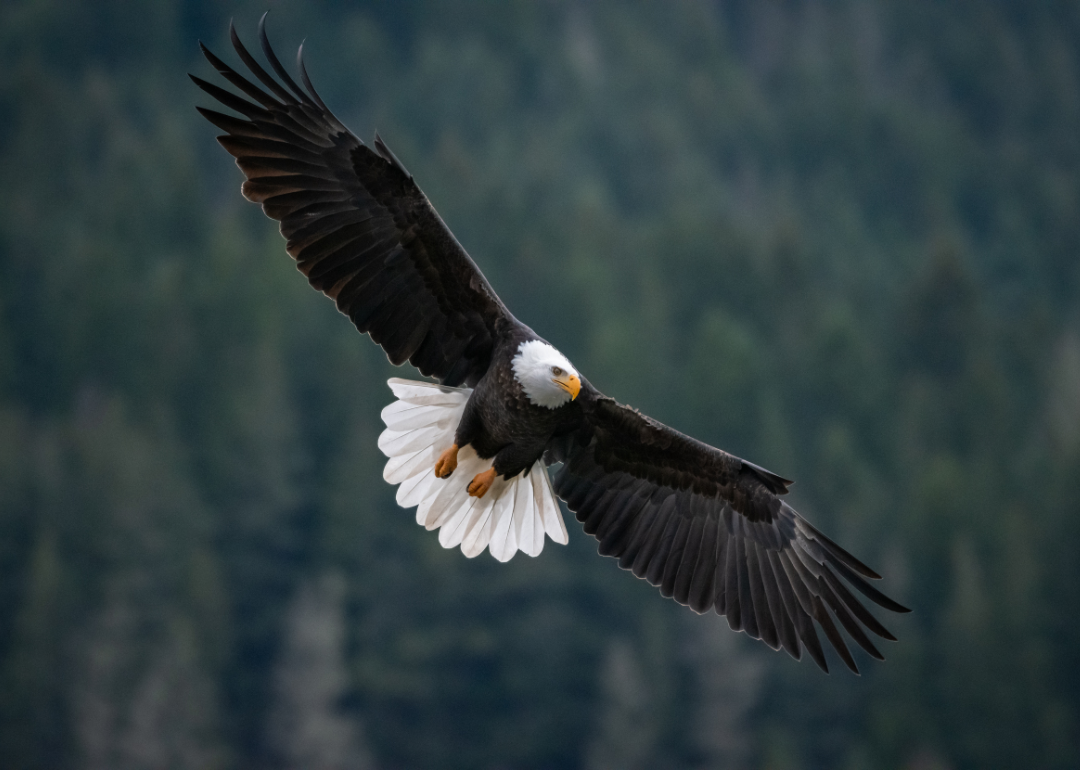
Eagles
Not only is it illegal to own an eagle as a pet, but it is also illegal to hunt them or to own their feathers, eggs, or nests. This is thanks to the , which Congress passed in 1940. Owning a bald eagle may be more relevant in some states than others鈥攍ike Alaska, where a whopping in the wild.
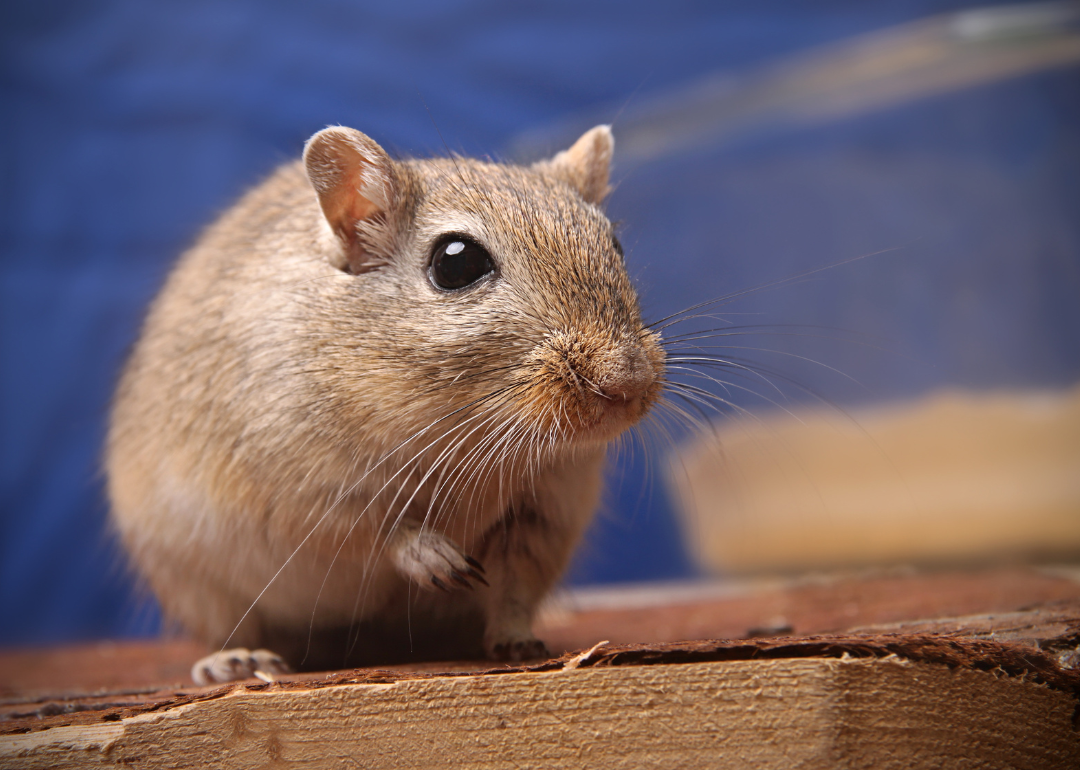
Gerbils
In most states, a gerbil is a common pet. But in California and Hawaii, it is an illegal possession subject to fines. This is because both states contain landscapes similar to that of the gerbil's natural habitat. This could potentially allow gerbil colonies to form and thrive in the wild, invading other native plants and animals.
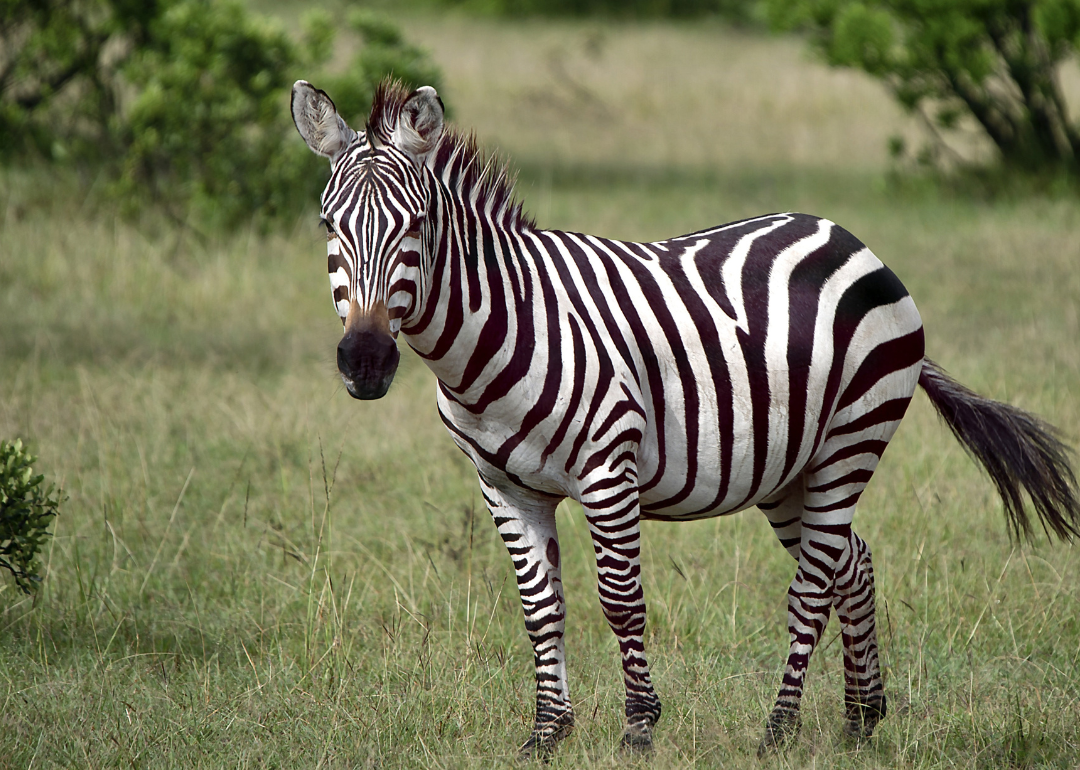
Zebras
Surprisingly, owning a zebra is actually legal in most states, but outlawed in , as well as . Although it is sometimes legal, however, owning a zebra is extremely ill-advised: the species is impossible to domesticate and can be volatile and aggressive around humans. One Ohio man learned this the hard way when his adult male zebra attacked him, nearly severing his arm.
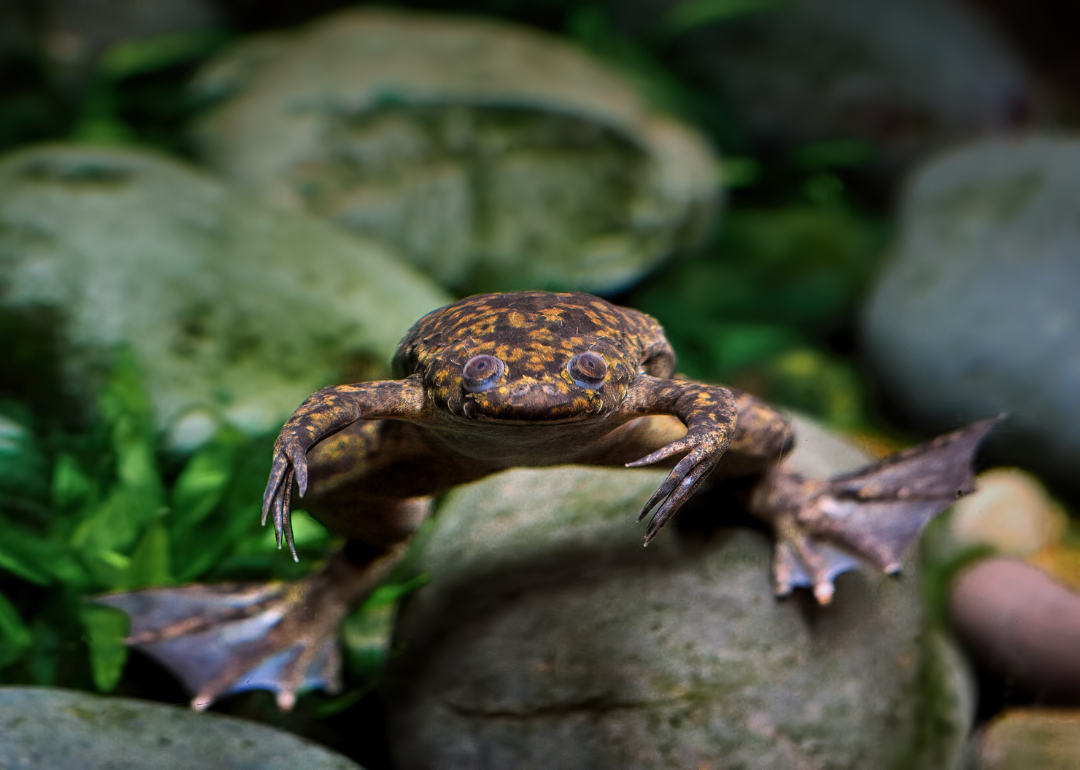
African clawed frog
In Arizona, California, Hawaii, Kentucky, Louisiana, Nevada, New Jersey, North Carolina, Oregon, Virginia, or Washington, it is illegal to own an African clawed frog without a permit. That's because this species carries a fungus that has historically decimated other frog populations, and has even been known to eat other fish and tadpoles. They are also able to reproduce rapidly, which can and ousting them.
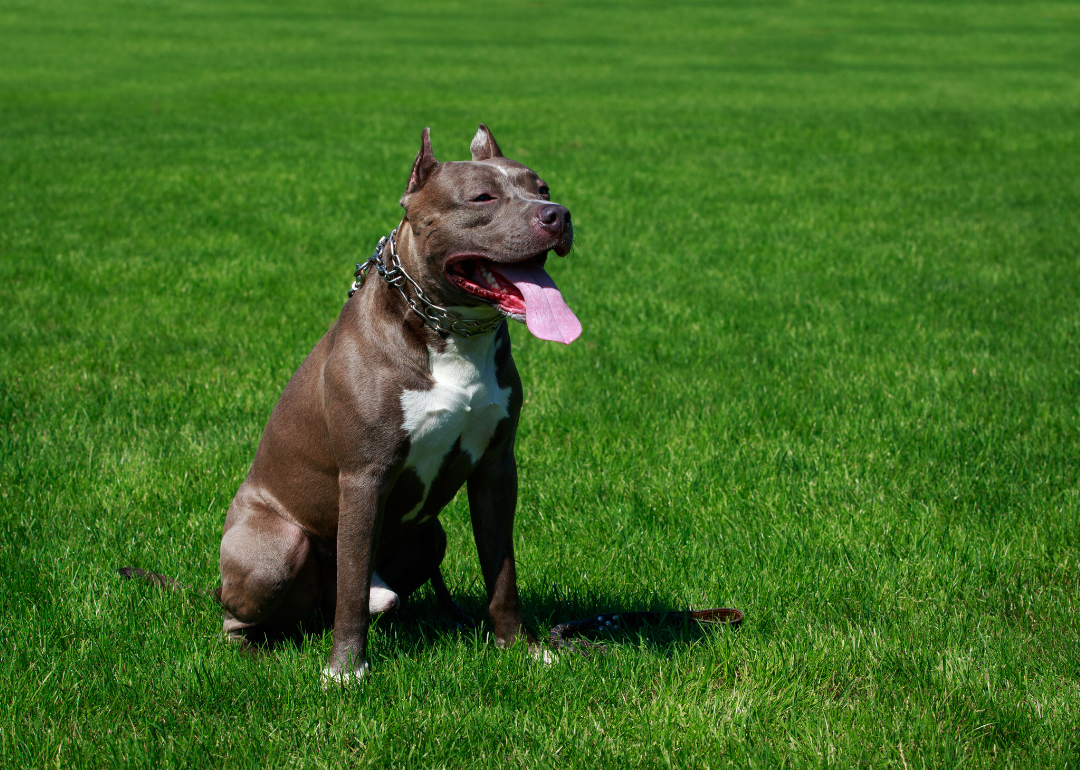
Pit bulls
Over , which can include breeds like the Staffordshire Bull Terrier, American Pit Bull Terrier, and Miniature Bull Terrier. Over half of all fatal dog-on-human attacks are the result of pit bull types, sparking the restrictions. In some cities, pit bulls are only allowed as pets so long as owners buy liability insurance, muzzle the dogs in public, or keep them behind sufficiently tall fences.
Copy editing by Robert Wickwire. Photo selection by Lacy Kerrick.