10 of the most expensive states to live in
The costs of living in the U.S. have fluctuated significantly in recent years. But generally, prices have been going up and up, putting strain on Americans across the country. In a poll released by Politico in December 2025, almost half of respondents stated that they basic necessities such as groceries, housing, and health care. Meanwhile, has fallen to a near-record low as of November 2025, and an October 2025 Harris Poll conducted for Bloomberg News found that 62% of Americans report seeing the within the last month.
With 鈥攁long with and a 鈥攖here's added uncertainty about future living expenses. That uncertainty becomes particularly alarming when you consider that soaring costs of living have already for the bottom 60% of U.S. households, according to a May 2025 analysis from the Ludwig Institute for Shared Economic Prosperity.
You wouldn't be alone if you wondered if your hard-earned dollars might go farther in another city or state. To find the answer, look at the Cost of Living Index, which is calculated based on the price of more than 60 goods and services. The U.S. average is 100, and each place's index is a percentage of the average in the United States. Those below 100 are cheaper than average, and those above 100 are more expensive.
麻豆原创 measured the cost of living in each state during the second quarter of 2025, using data from the . The survey measures the cost of living in cities across the U.S. Researchers calculated each state's cost of living using the average of the indices of metro areas and cities in that state.
The most expensive states are primarily on the coasts, particularly in the West and Northeast. The cost of living tends to be lower in the Midwest and the South. Read on to determine if your state is among the 10 most costly.
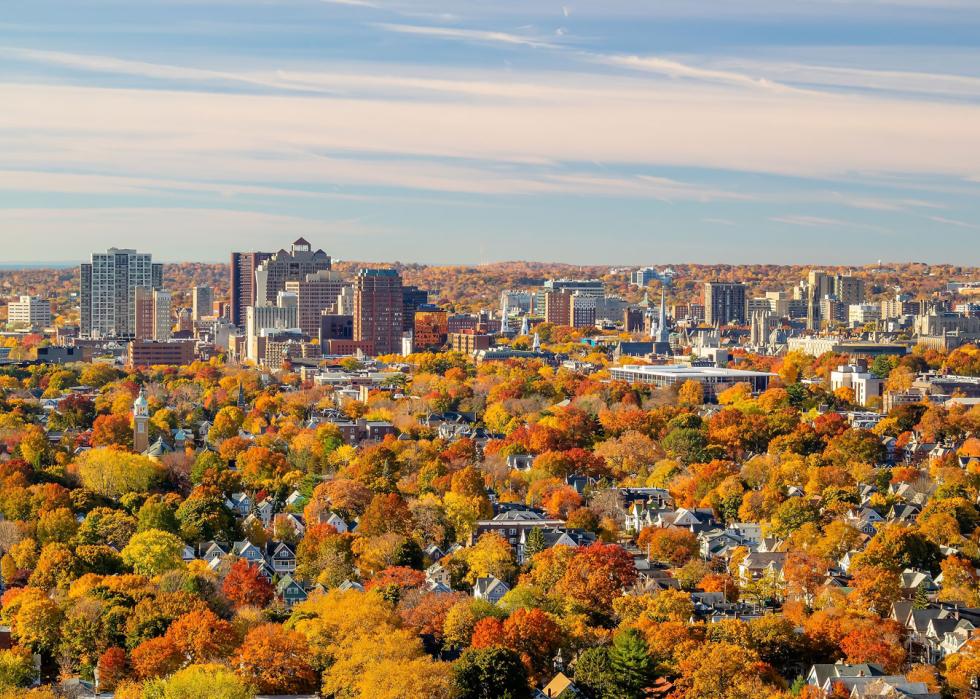
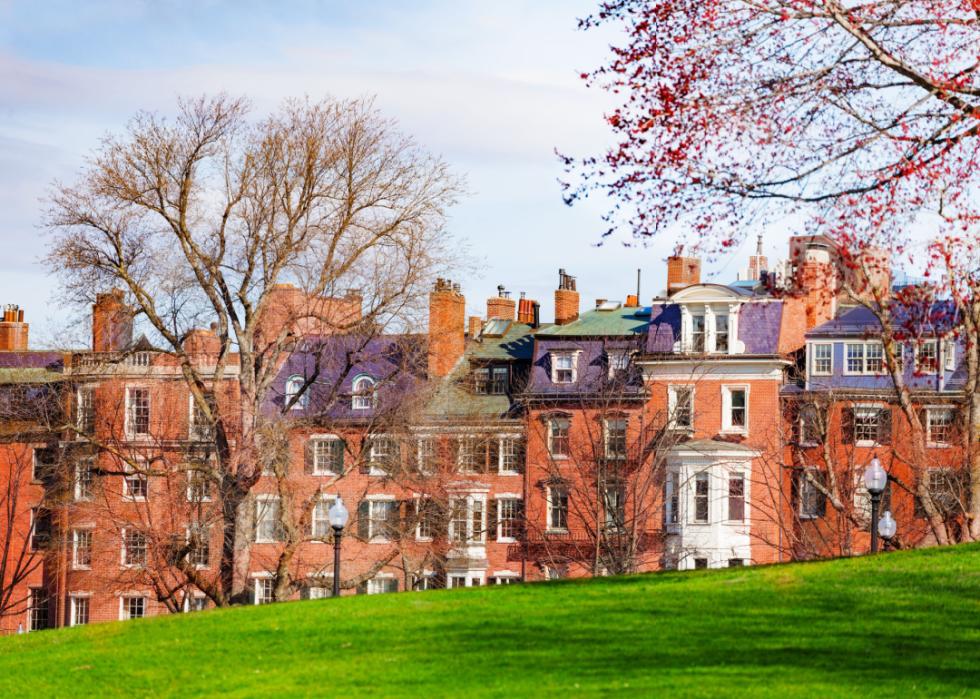
#10. Vermont
- Average Cost of Living Index: 113.6
--- Groceries: 105.3
--- Health care: 112.9
--- Housing: 129.9
--- Transportation: 97.8
--- Utilities: 113.3
--- Other: 108.2
Vermont saw a during the COVID-19 pandemic, which led to a 鈥攁nd soaring housing costs. A report from the Federal Housing Finance Agency, released in June 2024, showed that Vermont's real estate prices between the first quarter of 2023 and the first quarter of 2024.
Though housing authorities hope to mitigate the issue with more real estate development, Vermonters may have to wait a while before housing costs go down. In the meantime, residents must also contend with .
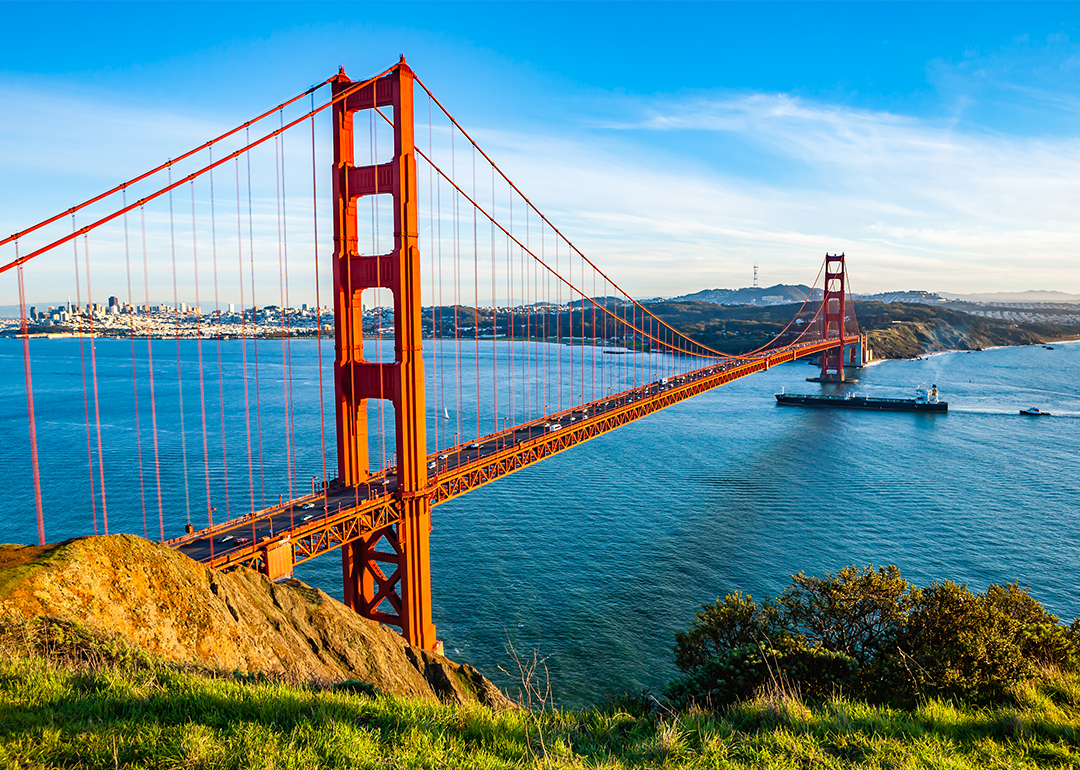
#9. Washington
- Average Cost of Living Index: 114.1
--- Groceries: 106.2
--- Health care: 115.4
--- Housing: 125.7
--- Transportation: 121.7
--- Utilities: 95.2
--- Other: 110.5
Between Seattle, the San Juan Islands, and three national parks, Washington is packed with adventure-worthy destinations. But all that excitement comes at a cost. Transportation and health care prices in Washington are among the highest in the nation. A March 2025 analysis from LendingTree also notes that Washington is the third-most expensive state , with average annual costs coming in above $32,000.
#8. New Jersey
- Average Cost of Living Index: 115.1
--- Groceries: 103.9
--- Health care: 109.3
--- Housing: 141.2
--- Transportation: 103.1
--- Utilities: 101.5
--- Other: 105.6
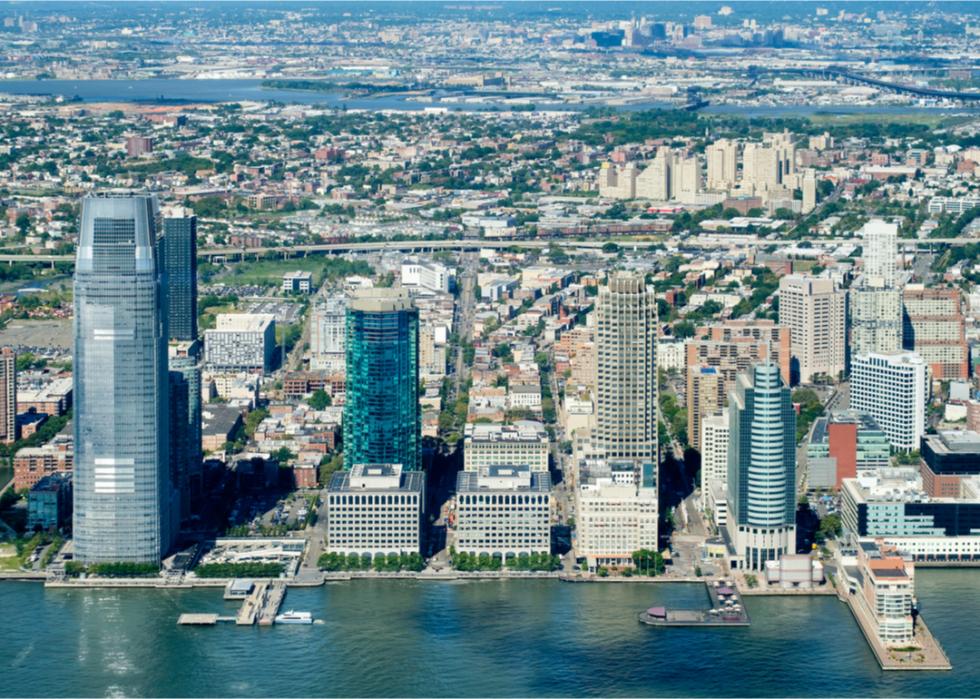
Apartment rents in New Jersey have spiked, particularly in Jersey City. Many New Yorkers have relocated across the Hudson River to this city for more space with the same urban feel and relative accessibility to New York, making it the to rent in the nation. Other parts of the state have cheaper housing, but overall, housing costs are considerably higher than the U.S. average.
#7. Maryland
- Average Cost of Living Index: 115.4
--- Groceries: 105.8
--- Health care: 105.3
--- Housing: 135.8
--- Transportation: 101.1
--- Utilities: 113
--- Other: 108.6
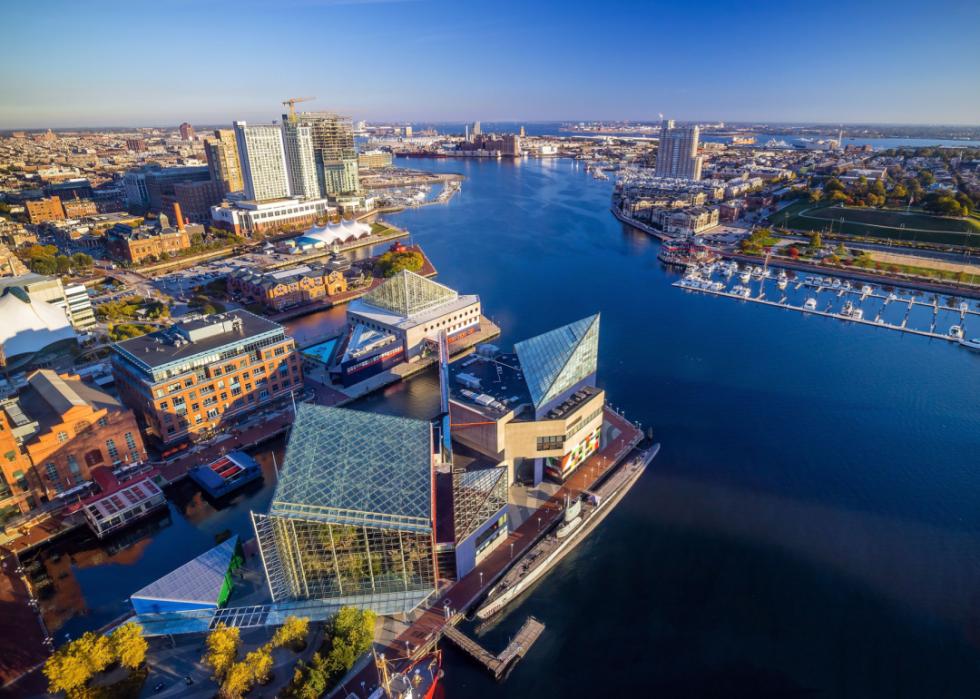
High rental and home costs drive up the price of housing in Maryland鈥攁ccording to a 2025 report from the National Low Income Housing Coalition, a worker earning the state's $15 hourly minimum wage would need to work almost 90 hours a week to rent a one-bedroom apartment and pay for living expenses. Meanwhile, the average Maryland home costs more than $435,000 as of September 2025, well above the U.S. average sales price of $410,800. Due to ongoing issues with PJM Interconnection, the state's main provider of electricity, high utility costs also contribute to the cost of living here.
#6. Alaska
- Average Cost of Living Index: 124.9
--- Groceries: 127.2
--- Health care: 144.8
--- Housing: 119.7
--- Transportation: 117.1
--- Utilities: 156.8
--- Other: 119.8
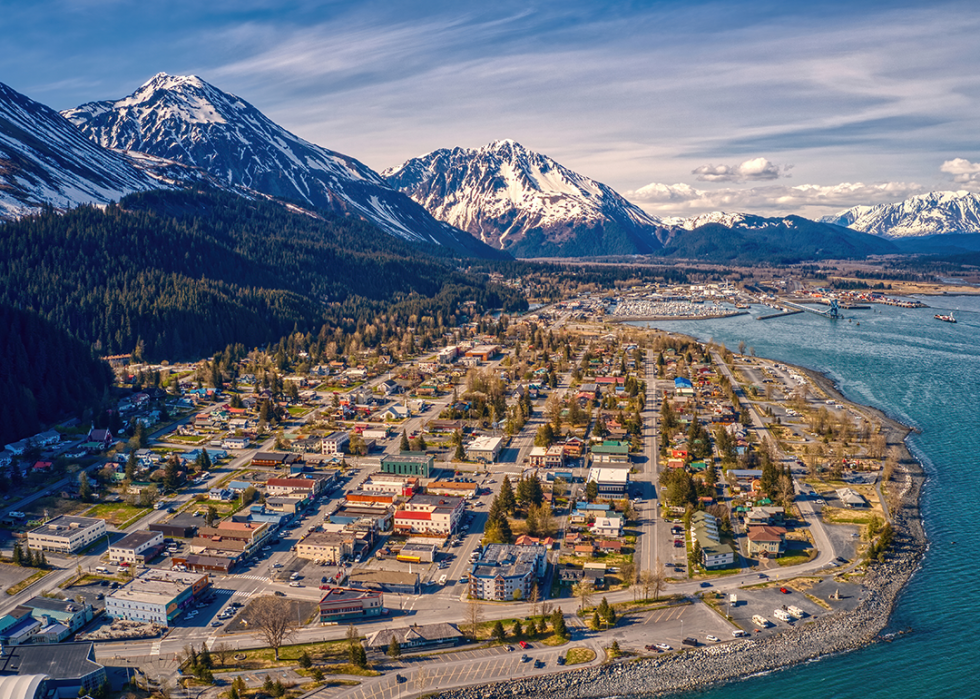
The country's largest state by area is also one of the least populated, with many difficult-to-access towns and cities. Most basic goods must be shipped long distances to reach consumers, driving up grocery prices. also impact the cost of living, and the state has the highest per capita energy expenditure in the country.
#5. New York
- Average Cost of Living Index: 125.1
--- Groceries: 104.4
--- Health care: 110.2
--- Housing: 174.6
--- Transportation: 106.4
--- Utilities: 100.1
--- Other: 106.4
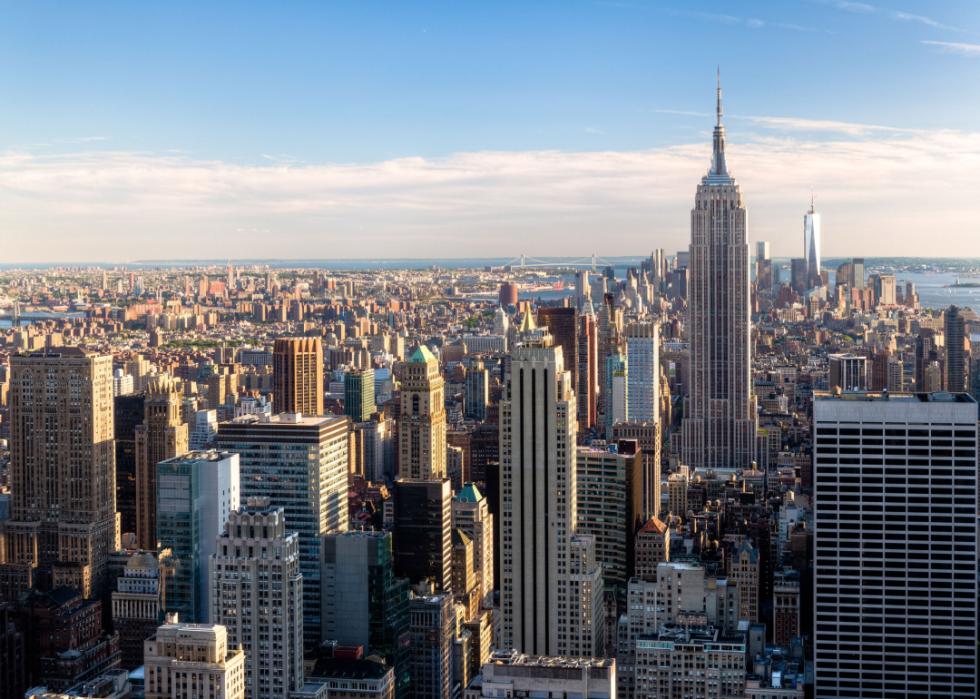
At 5.76%, New Yorkers had the country's in 2025. The state's income tax is the highest in the U.S., at 10.9%.
New York City drives up the cost of living in the state. Manhattan is the , thanks to a fixed amount of space to build and the high demand to live there.
#4. Washington DC
- Average Cost of Living Index: 138.8
--- Groceries: 105.3
--- Health care: 121
--- Housing: 212.2
--- Transportation: 106.7
--- Utilities: 101.3
--- Other: 112.9
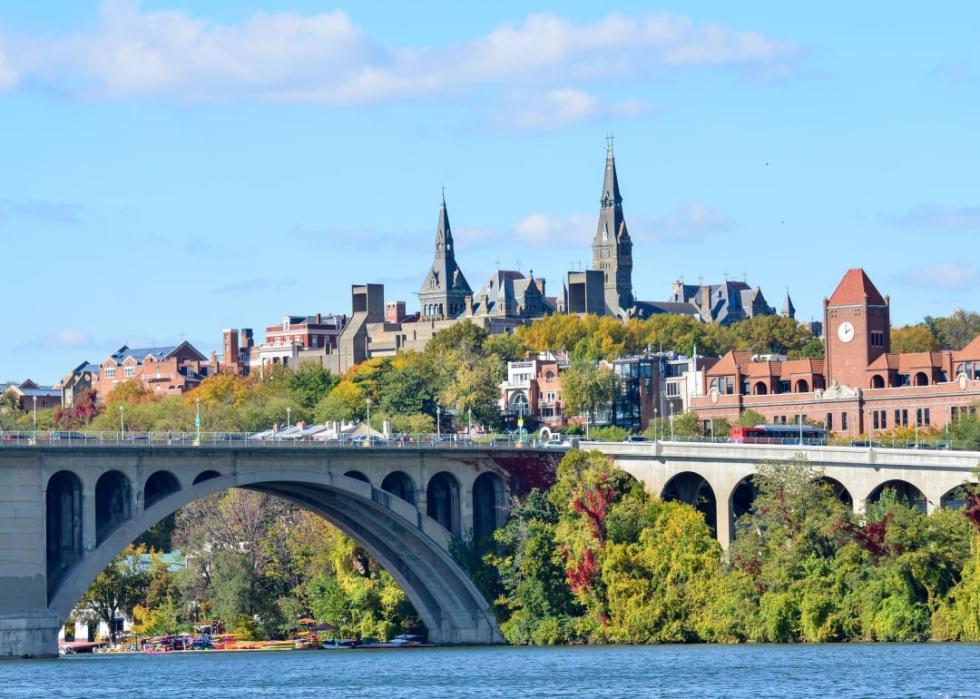
Washington D.C. has higher state and local tax collections per capita than any other state. In 2022, the most recent year with available data, it collected $14,974 per capita, while New York, the next highest state, collected $12,685, according to a 2025 report from the . A July 2025 analysis from Zillow also found that Washington D.C. is short more than , causing prices to soar.
#3. Massachusetts
- Average Cost of Living Index: 141.2
--- Groceries: 105.5
--- Health care: 122.2
--- Housing: 196.2
--- Transportation: 105.4
--- Utilities: 153.2
--- Other: 120.7
throughout Massachusetts continue to be an issue for the state's affordability ranking. The cost of building a starter home in Massachusetts is the second highest in the U.S., 22% above the national average. As of October 2024, the average down payment on a house in Boston was $109,000, above the city's median household income. Growing also increase utility costs across the state.
#2. California
- Average Cost of Living Index: 142.3
--- Groceries: 109.8
--- Health care: 106.5
--- Housing: 200.1
--- Transportation: 135.9
--- Utilities: 142
--- Other: 115.7
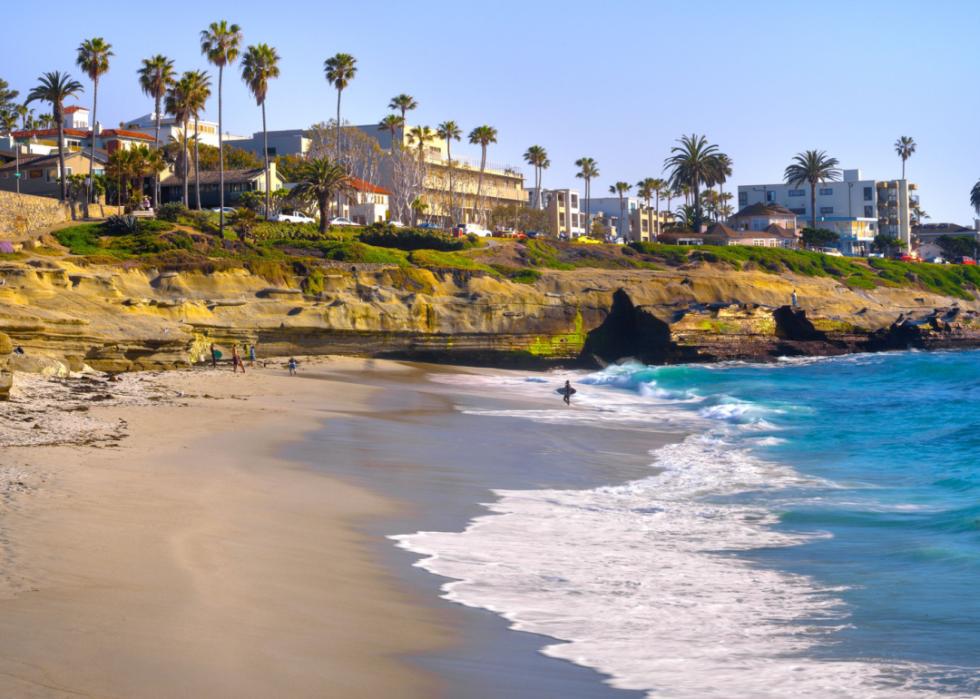
California has notoriously high prices for housing, gas, utilities, and food. Well-paid workers, particularly in the tech sector, have increased demand in a housing market that doesn't have enough units to support it. More than spend at least 30% of their income on housing costs.
With gas taxes at , California's than any other state due to issues with supply, more state regulations, and high taxes.
#1. Hawai'i
- Average Cost of Living Index: 185
--- Groceries: 133.5
--- Health care: 123.4
--- Housing: 304.2
--- Transportation: 136.5
--- Utilities: 204.4
--- Other: 125.9
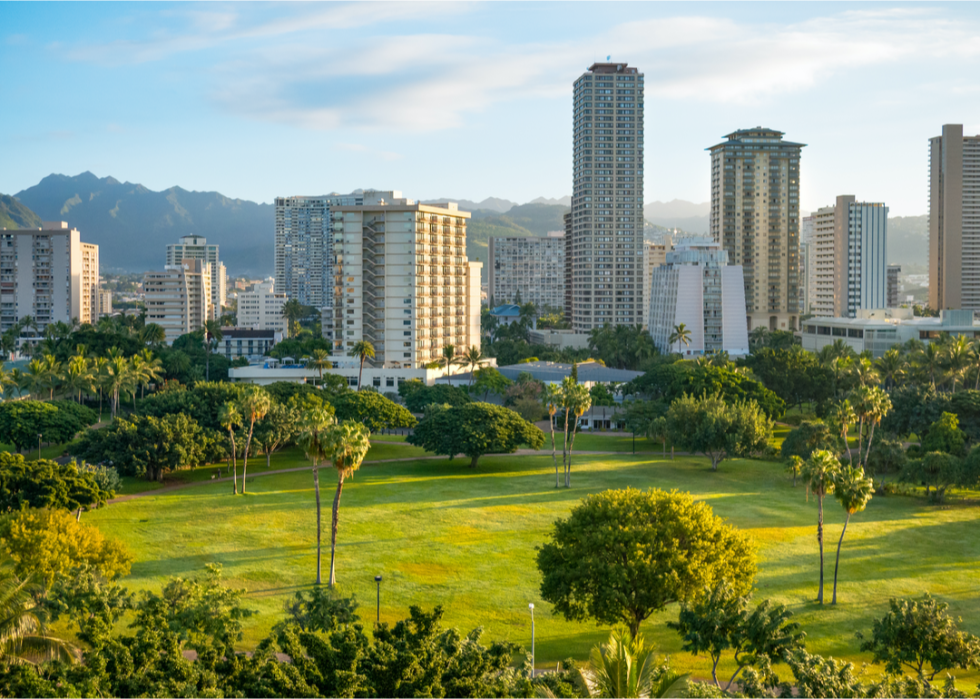
Hawai'i is the most expensive state in the nation due to its location. The state cannot produce everything it needs, so it must import most goods and services, which significantly increases costs for everyday goods like groceries.
Hawai'i residents also pay far more for electricity than other states because utilities use to generate electricity. In June 2025, the Energy Information Administration reported that residents paid an average of 40.96 cents per kilowatt hour compared to the U.S. average of 17.47 cents.
Story editing by Cu Fleshman.