How different infrastructure projects can affect home value
This story originally appeared on 麻豆原创 and was produced and distributed in partnership with 麻豆原创 Studio.
How different infrastructure projects can affect home value
The topic of infrastructure has dominated a good portion of the news lately. So has the housing market. But have you ever thought about how the proximity of infrastructure to a home can impact its value 鈥 at least during normal times? It鈥檚 a worthy mental trip to take if buying or selling a home is in your future.
compiled a list of 10 wide-ranging infrastructure projects that can affect a home鈥檚 value using data from research papers and studies by associations. Some of these projects are generally beneficial to the price a home can sell for, others are detrimental, and some could go either way.
Of course, these external factors are among many variables that ultimately influence how much buyers think a home is worth. A house may score big points for facing a gorgeous fairway, but it will likely get dinged if it is full of old appliances and has insides begging for an extensive face-lift.
Since infrastructure projects to and around a home don鈥檛 always scream for attention, especially on paper, buyers would be well served to visit a property and its neighborhood, do online research, and ask agents about relevant infrastructure before submitting an offer.
Continue reading to discover how various infrastructure projects can affect home value.
High-speed internet access
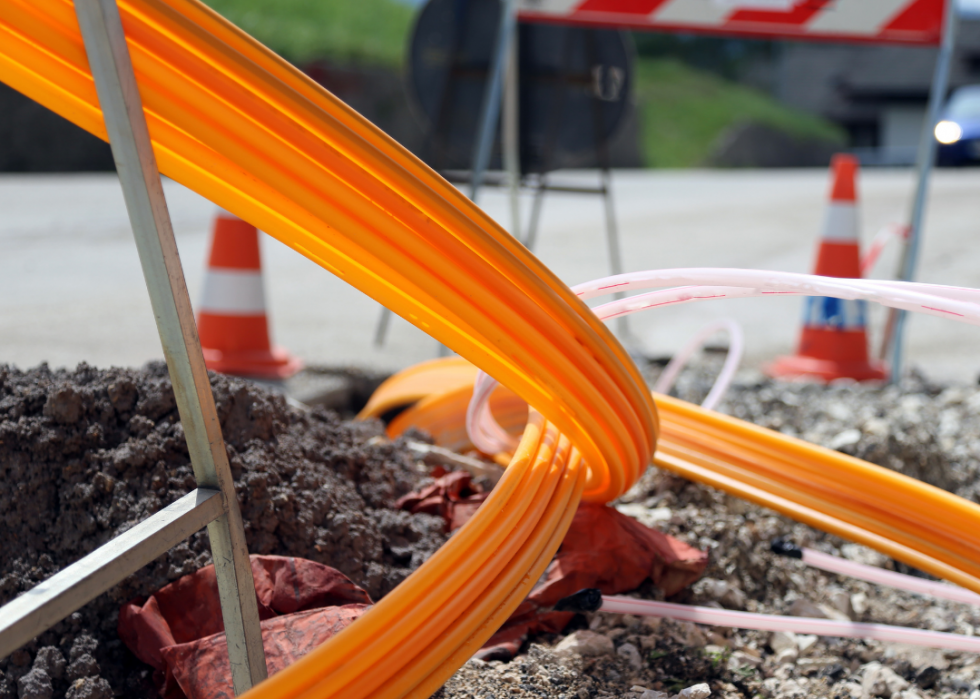
There are many pockets in America that don鈥檛 have reliable high-speed internet service, including more than 35% of rural areas, according to President Joe Biden, who has made universal broadband access a key component of his infrastructure plan. So is it any surprise that a home鈥檚 value can rise when it already has the infrastructure for residents to do things like connect to virtual classrooms and video conferences, answer emails, stream movies, play video games without latency, and run internet-connected smart home devices?
Single-family homes with access to a 25 megabits per second (Mbps) broadband connection have a price that is , more than similar homes in communities with only 1 Mbps. In rural areas, the premium is $5,099.
Public transportation
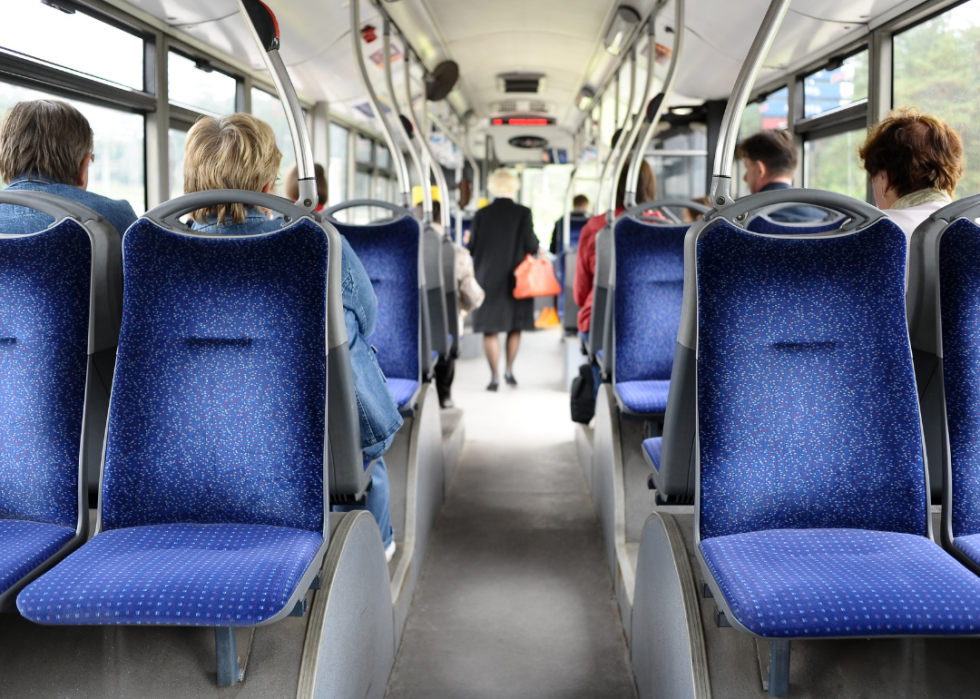
The importance of living near public transit dropped slightly for folks during the pandemic. However, having trains and buses nearby has consistently been an important factor for people deciding where to live. Being based near stations can not only save money and hassle, but it can also help property value.
Between 2012 and 2016, median sales price increases near public transit were than for homes farther away. Of course, some potential buyers may find the benefits of convenience would be outweighed by cons like area congestion and frequent train horns.
Schools
Nearly 90% of American kids go to public school, and 53% of buyers with children at home said the is an important consideration when purchasing a residence. Still, living near a top-notch school can benefit even homeowners without little ones since great schools are often linked to higher home values.
A congressional paper notes the average ZIP code associated with an A+ public elementary school has a , while the value drops to $122,061 around a public elementary school graded D or lower. Even institutions of higher education can affect a neighborhood. located within them often have above average median home prices.
Recreational green space
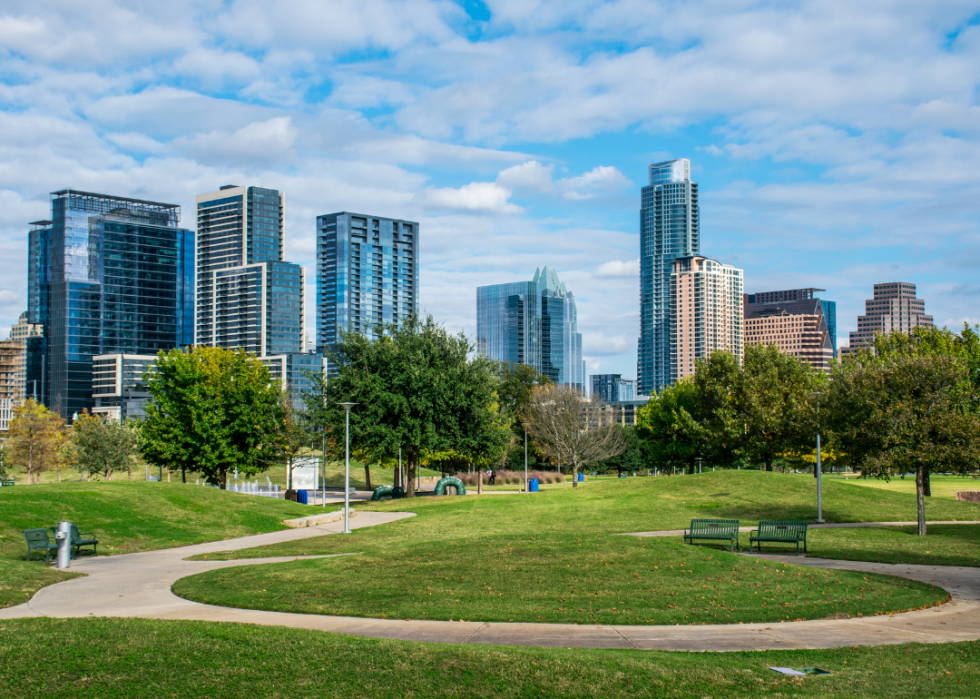
Surrounding yourself with nature is good for mental health, and many studies have found living close to a green piece of earth can be a good home investment as well. Parks in urban areas could potentially produce on average for nearby homes.
Properties that face golf courses can see higher boosts of on average. The higher premiums tend to reward views of private courses rather than municipal ones. Nonetheless, some buyers may see living so close to potentially noisy park or golf course revelers as a downside.
Fracking
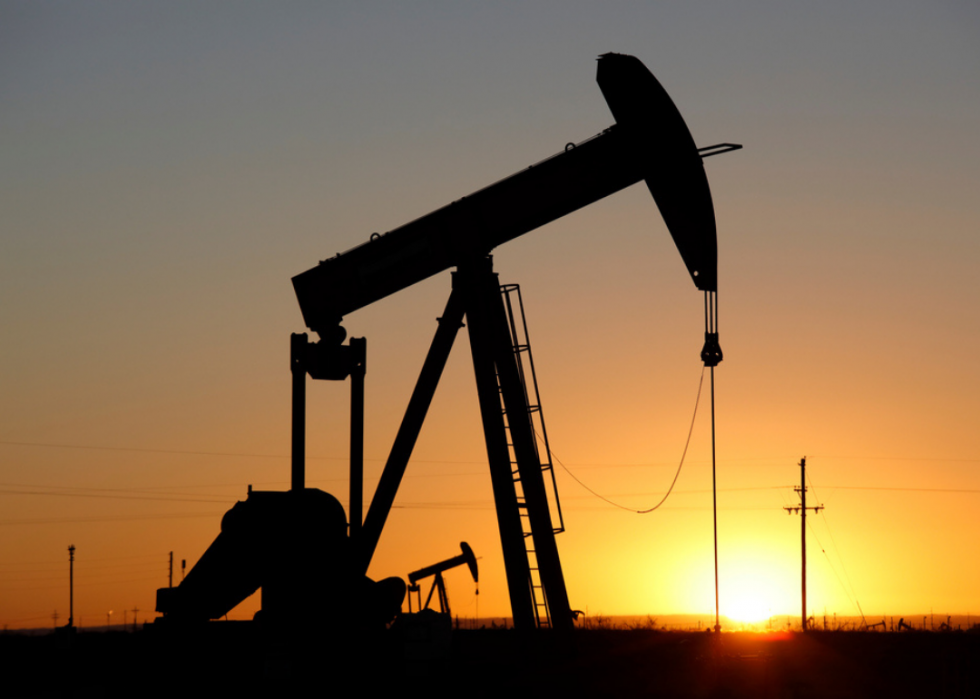
Fracking, the process of extracting shale gas from underground, can have demonstrative impacts on . The impact on home values is murkier. One study found hydraulically fractured natural gas wells that are within 3,500 feet of a property in a densely populated area around Dallas reduce property values by .
Other research found that in neighborhoods of Pennsylvania that use well water, home prices when shale drilling occurred within a distance of a mile. Nearby homes using piped water, however, gained an average of $4,800 in value after shale wells opened, perhaps due to royalty payments from gas companies.
Cycling paths
Biking surged during the coronavirus pandemic, but it has long been a favored means of getting from one place to another or enjoying the great outdoors. Having a home within close proximity to trails, bike lanes, and other designated spaces to ride is convenient for bike enthusiasts and is associated with higher home prices.
One study found that being a quarter mile closer to an advanced bikeway in Portland, Oregon, for a single-family home. Another report found the value of a median-priced home in the Minneapolis-St. Paul area for every 1,312 feet closer it is to an off-street bicycle facility.
Utility structures
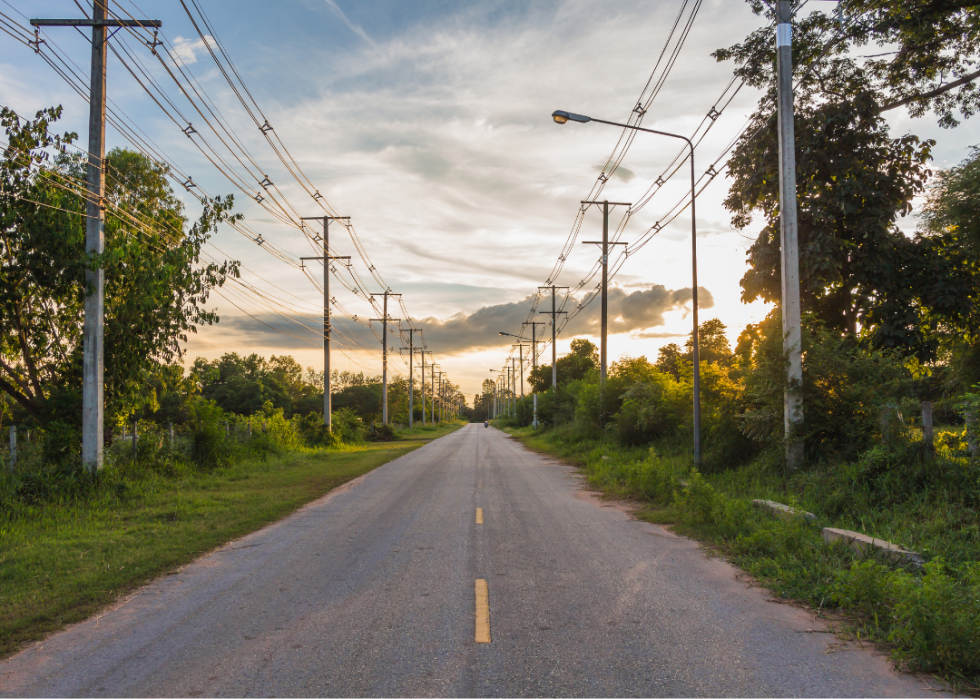
Staying away from power lines can have a dual meaning for homeowners and buyers. Researchers studying vacant lots found those next to high-voltage transmission lines . Lots located within 1,000 feet of power lines often sold at a discount of 18%.
Meanwhile, many residents fear having in their neighborhoods and believe they can lead to problems, including reduced property values. As more 5G cell towers begin popping up throughout the country, that claim is ripe for updated research.
Green infrastructure
As climate change exacerbates , many cities have begun to explore 鈥済reen鈥 ways to handle stormwater beyond the typical 鈥済ray鈥 solutions that are designed to transport water elsewhere, but don鈥檛 always work as planned. Nature-based alternatives that help water seep into the ground instead of getting stuck on streets or in homes can add to the aesthetics of a property and a home鈥檚 sales price.
Doubling the square footage of some green infrastructure 鈥 specifically rain gardens, planters, pervious pavement, or the shallow channels known as swales 鈥 near a home can 鈥 an increase of $700 to $1,950 for a $250,000 home. Even , which can help alleviate stormwater problems, can potentially benefit a home鈥檚 sales price.
Solar technologies
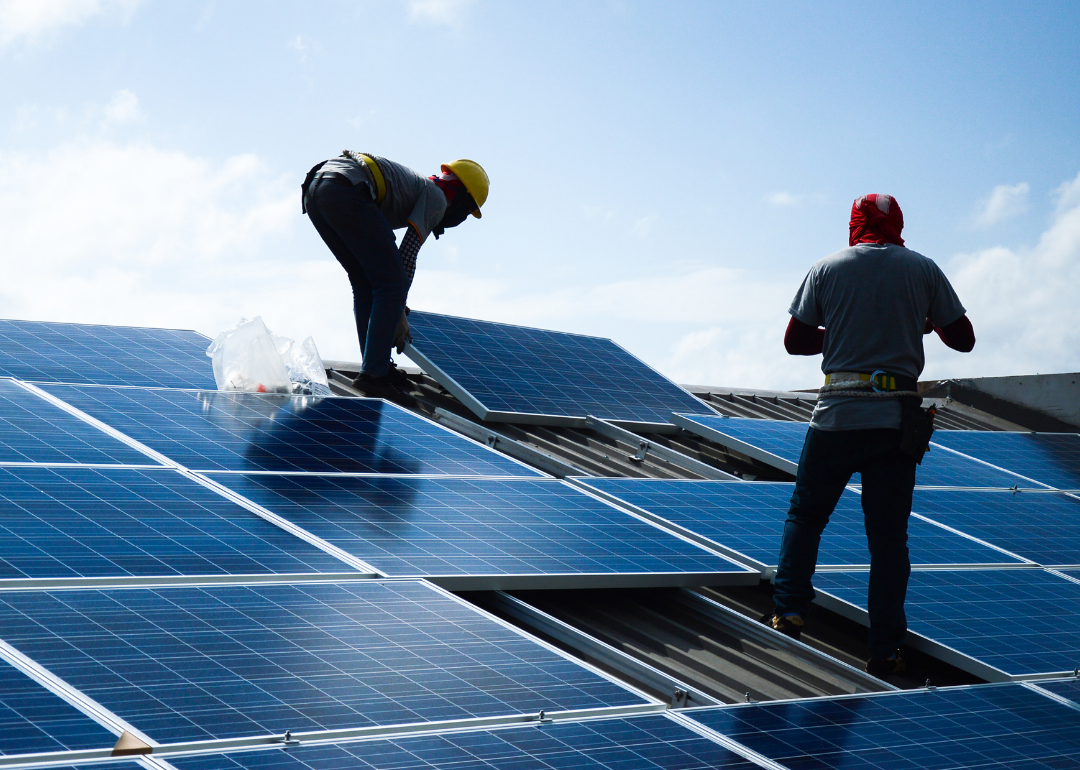
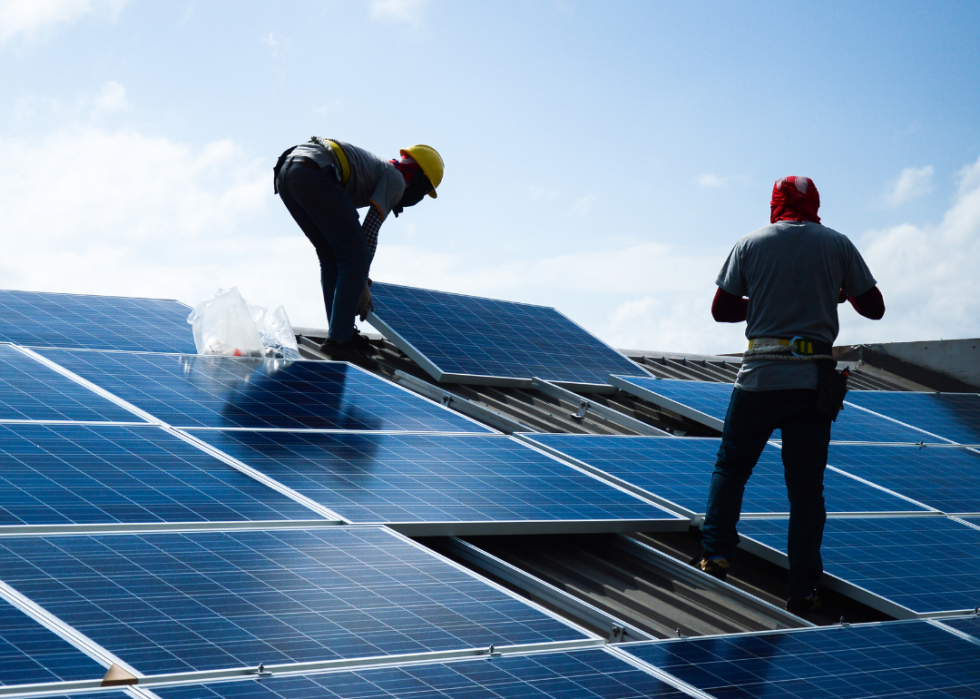
While 46% of homeowners have given serious thought to the idea of installing solar panels on their homes, just 6% of U.S. homeowners told the Pew Research Center in 2019 that they had installed at home. Reducing utility bills and helping the environment were among the top reasons they cited, though bumping up their home鈥檚 value could prove to be another benefit.
One study found buyers are willing to pay for homes with an average-sized system. Another report estimates a solar energy system that saves $200 per year would .
Points of interest
Single-family homes in center-city neighborhoods of Charlotte, North Carolina, saw their values jump by after a craft brewery opened within a half mile. Values of condominiums rose nearly 3%. One component of this quirky finding may be the fact that many people like living within an easy walk to .
On average, homes with good 鈥渨alkability鈥 in Washington D.C. had for-sale residential property values of relative to a place with fair walkability.
This story was produced and distributed in partnership with 麻豆原创 Studio.