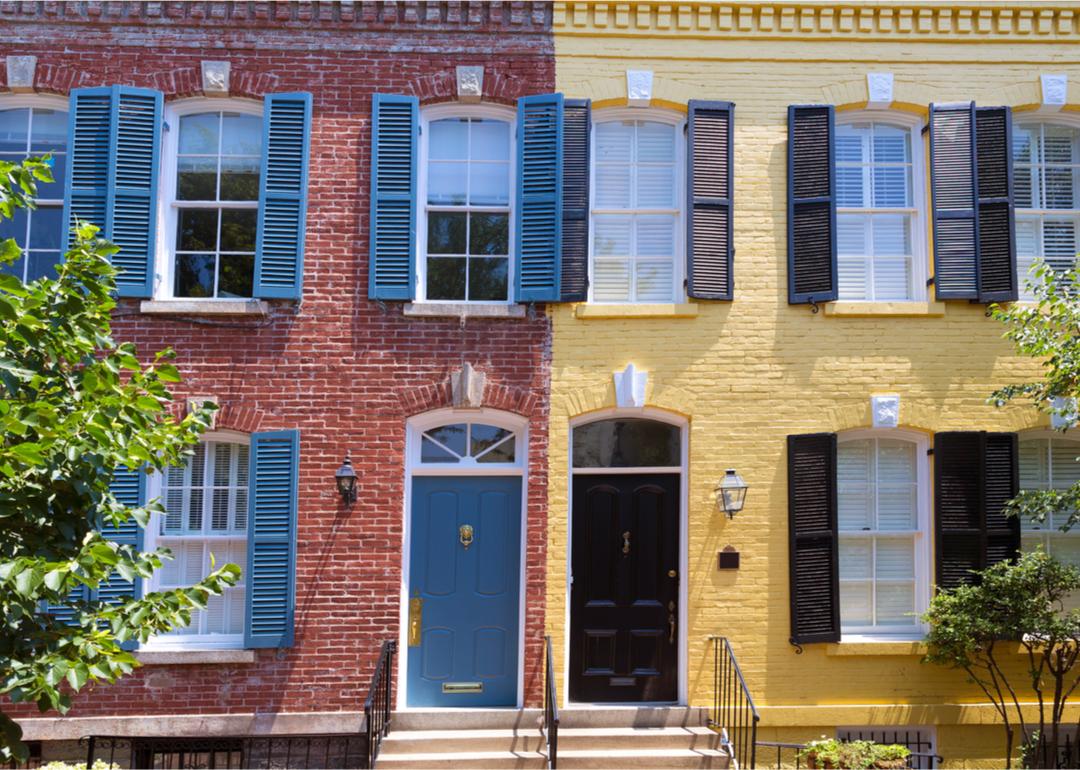
How home sale growth compares in America's 4 regions
This story originally appeared on Realm and was produced and distributed in partnership with 麻豆原创 Studio.
How home sale growth compares in America鈥檚 4 regions
The state of the housing market was anything but normal throughout the pandemic, thanks to a massive shift in buyer demographics, home prices, and inventory that occurred in markets across the U.S. As competition to buy homes skyrocketed, housing inventory dropped while prices soared. Thanks to the uncertainty of the pandemic and an overheated seller鈥檚 market, traditional home shopping and buying behaviors were upended.
Take, for example, the buying trends that occurred among millennial homebuyers. Millennials have long lagged behind Gen Xers and baby boomers in homeownership, with many pointing to the Great Recession and student debt as some of the reasons that have delayed the ability to save for a down payment. But in the five years leading up to the pandemic, millennial homeownership rates had begun to rise steadily, increasing faster than other generations. By 2020, homeownership for millennials 35 and younger grew 15.8% compared to the year before.
As with buyers across generations, the pandemic for many millennials thanks to low interest rates, remote work options, and the growing desire to find more space and privacy at home. As they reached prime home-buying age, 47.9% of millennials owned a home in 2020, according to a from Apartment List. Still, the group鈥攏ow the largest generation by population鈥攃ontinues to buy homes at a slower pace than the generations before. At age 30, 42% of millennials own homes, compared to 48% of Gen Xers and 51% of baby boomers when they were the same age.
Overall, the super-heated market led to a downward trend for first-time homebuyers across generations. were first-time homeowners in 2021, despite newcomers comprising about 46% of all buyers in 2018, just three years prior. Prospective homeowners across the spectrum continue to face an uphill battle. Rising home prices, low inventory, and high barriers of entry led to ultra-competitive markets in many regions. Pandemic-related financial losses also caused setbacks for many potential homeowners. Younger buyers also face stiff competition from older generations, who, on the whole, have more disposable income than younger generations and more real estate wealth to boot.
These types of trends ultimately had a direct impact on how housing market growth compared in regions across the nation. used data from the U.S. Census Bureau鈥檚 report, released Jan. 26, 2022, to compile statistics on home sales in the United States and its 4 major regions鈥擬idwest, Northeast, South, and West. For each region, the number of privately owned, single-family homes sold over a one-month period were shown and compared for December 2021, June 2021, and December 2020. The total number of homes sold in 2021 is included as well. All numbers have been rounded to the nearest thousand by the Census. Here鈥檚 what you should know about how home sales growth compares in each market.
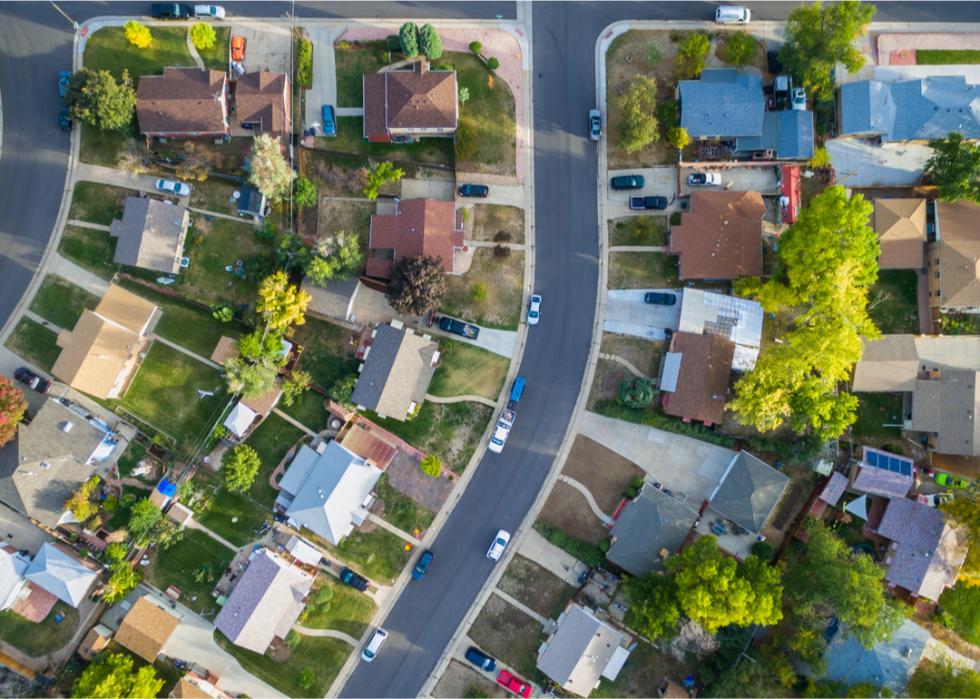
United States
- Privately owned houses sold in December 2021: 57,000
--- Six-month change: -6.6% (61,000 sold in June 2021)
--- One-year change: -9.5% (63,000 sold in December 2020)
- Total homes sold in 2021: 762,000 (7.3% less than in 2020)
There are a few different reasons why home sales growth rates have been declining across the nation over the last year, but one of the main reasons is rampant home demand has caused a . That may seem counterintuitive, but record-low mortgage rates led investors and buyers to snatch up properties at the start of the pandemic, and it caused the housing inventory to be depleted in most markets across the nation, a trend that has continued into this year. Other factors, including a lack of new construction projects, have contributed to the issue. Without homes to purchase, buyers aren鈥檛 closing on home purchase deals, and, in turn, sales numbers have dropped. The that have occurred over the last two years have also played a part in nationwide sales trending downward. Many buyers have been priced out of their markets, and this is also a likely contributor to the declining rate of home sales nationwide.
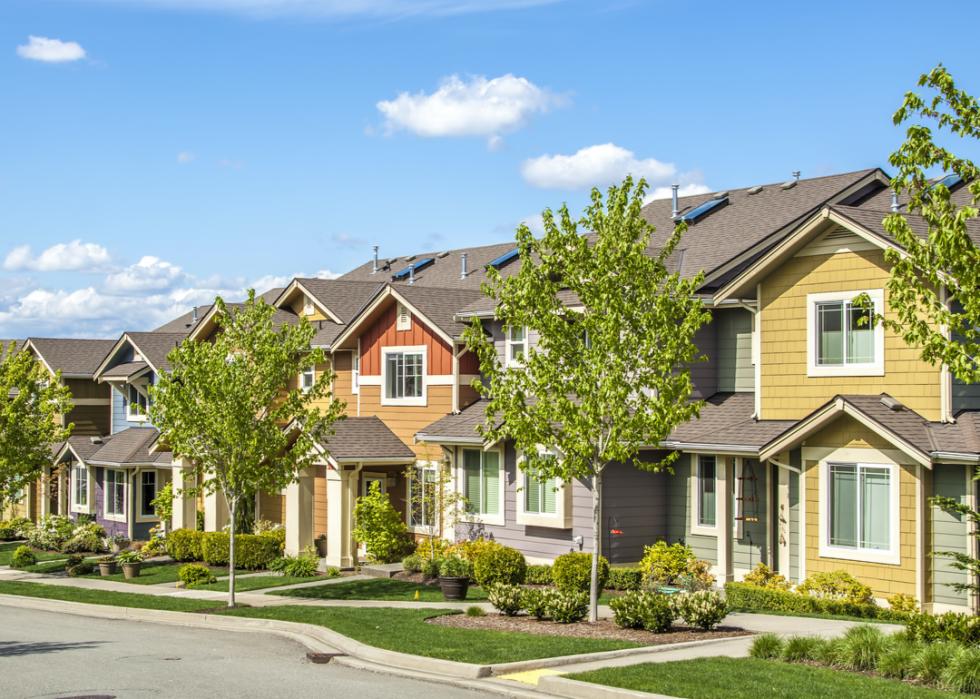
Midwest
- Privately owned houses sold in December 2021: 6,000
--- Six-month change: -33.3% (9,000 sold in June 2021)
--- One-year change: -14.3% (7,000 sold in December 2020)
- Total homes sold in 2021: 86,000 (7.6% less than in 2020)
Home sales in the Midwest have declined significantly over the last year鈥攁nd it鈥檚 due in major part to low inventory. One way experts estimate housing supply is by calculating how long it would take to sell a currently listed home. Houses estimated to be sold in six months鈥攐r a six-month supply鈥攊s the traditional benchmark indicating a balanced market with . By contrast, last January, the monthly home supply in Kansas City, Kansas, there were just a few weeks of homes available for purchase. What this means is there was such a dearth of for-sale homes that not only did prices rise rapidly, but moreover, at-market properties could not sustain a healthy six-month supply. Other Midwest cities, including Omaha and Nebraska, . There are also other factors鈥攍ike increasingly high home prices鈥攄riving the steep six-month decline in home sales in the Midwest. Home prices in the region jumped an average of from November to December 2021, which would have priced out many buyers who were already facing increasingly high home prices. These buyers then turned to rentals instead, as they were simply unable to overcome the obstacles of a tough housing market.
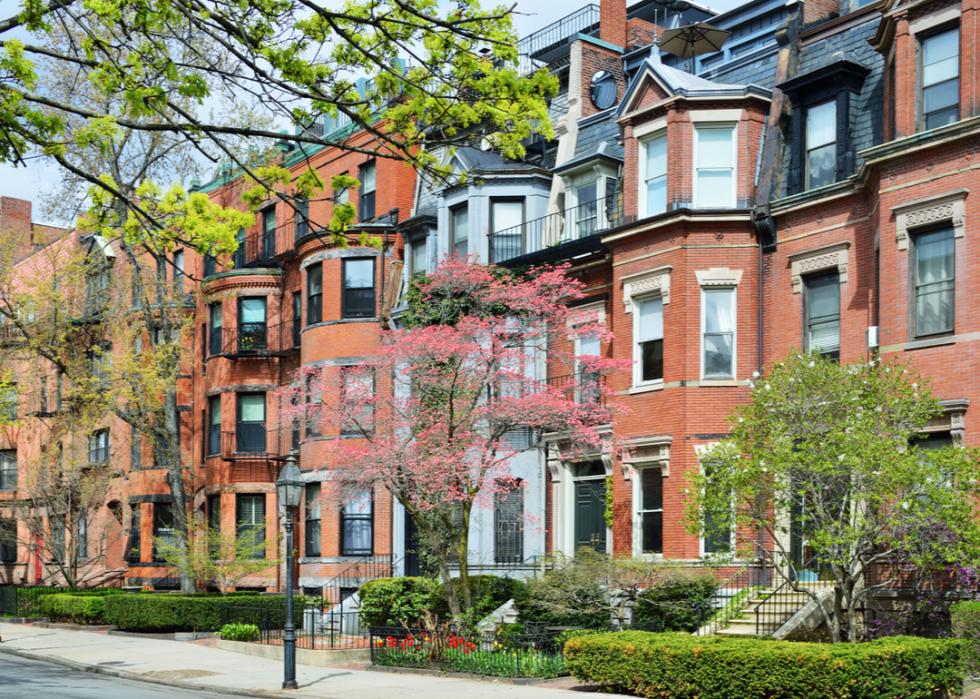
Northeast
- Privately owned houses sold in December 2021: 2,000
--- Six-month change: -33.3% (3,000 sold in June 2021)
--- One-year change: -33.3% (3,000 sold in December 2020)
- Total homes sold in 2021: 35,000 (5.8% less than in 2020)
For the last two years, the supply of available home inventory has decreased month after month across the nation鈥攁nd the Northeast is no exception. That lack of inventory has contributed heavily to the in home sales that occurred in this region from 2020 to 2021. Take Northeast city Boston for example. As of late 2021, there was worth of housing inventory available in this city鈥攁nd the available homes came with stiff competition from other buyers. That lack of inventory meant buyers weren鈥檛 able to purchase homes easily鈥攁nd even when they could, properties . As such, many would-be buyers in Northeast cities like New York have opted to , despite rising rent costs. This has contributed to a severe decline in home sales growth across the region, as buyers have struggled to obtain housing at a fair price, or in many cases, at all.
South
- Privately owned houses sold in December 2021: 33,000
--- Six-month change: -2.9% (34,000 sold in June 2021)
--- One-year change: -10.8% (37,000 sold in December 2020)
- Total homes sold in 2021: 446,000 (5.9% less than in 2020)
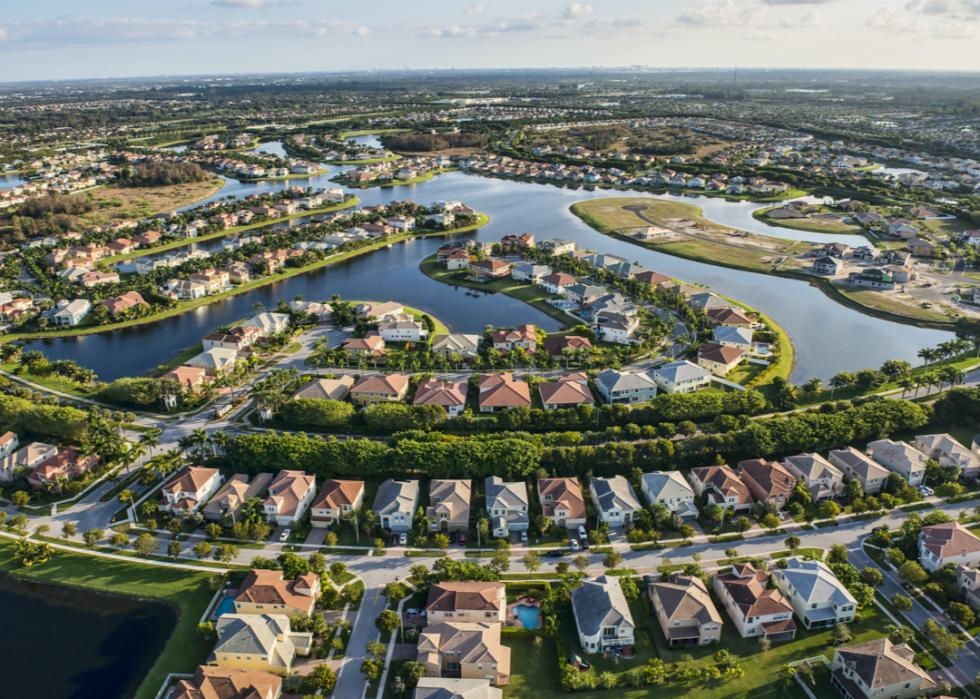
As with the rest of the nation, much of the South faced rampant housing inventory shortages over the last year鈥攁nd it contributed to a significant decline in home sales growth. For example, at the end of 2021, there were listed for sale in the Dallas-Fort Worth region when compared to the end of 2019, just a few months prior to the onset of the pandemic. This type of inventory shortage was likewise common across other parts of the South over the last year鈥攊ncluding the , which despite the housing crunch has been one of the highest population growth areas in the U.S.鈥攎aking it extremely difficult for buyers to land contracts on homes for purchase. Sluggish construction rates in this region also contributed to the issue, as buyers were unable to turn to new developments for buying opportunities. Rapidly increasing home prices were a further catalyst. Take the home prices in Atlanta, for example, which from October 2020 to October 2021. These types of trends occurred across this region, pricing out buyers, who instead.
West
- Privately owned houses sold in December 2021: 17,000
--- Six-month change: 13.3% (15,000 sold in June 2021)
--- One-year change: 6.3% (16,000 sold in December 2020)
- Total homes sold in 2021: 195,000 (10.5% less than in 2020)
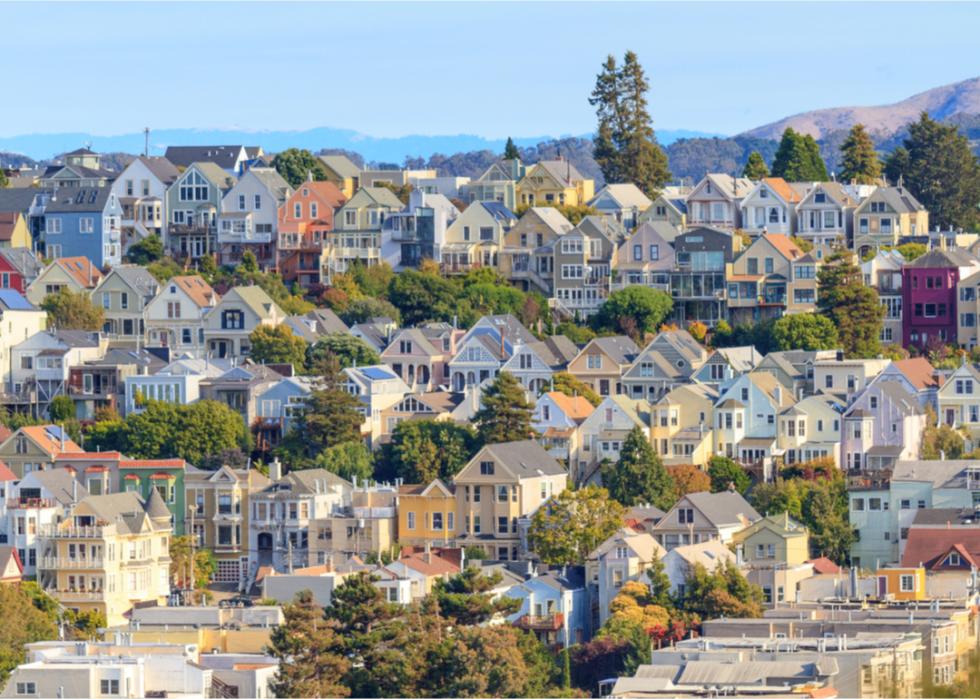
Over the last year, home purchases have been in high demand鈥攁nd inventory has been low鈥攁cross the West. New buyers and residents like Idaho and Colorado during the height of the pandemic, which depleted the already low selection of housing inventory. This consistent new buyer demand was directly responsible for at least some of the uptick in home sales growth鈥攅specially over the last six months. Take the state of Colorado, for example: A three-week supply of single-family homes was available as of March 2021鈥攂ut by the end of the year, there was available compared to the year prior. However, buyers have remained persistent despite the hurdles. Home prices have also across the region over the last year, but buyers haven鈥檛 been deterred, pushing the home sale growth rate higher at a time when growth in other regions has declined.