How Stranger Things fans can keep their power on when reality gets weird
For five seasons, Stranger Things has captivated audiences with its tale of a small Indiana town besieged by otherworldly threats. An entire parallel dimension, the Upside Down, exists beneath Hawkins, connected by sprawling tunnel systems that spread like veins under the town.
As fans await Season 5鈥檚 conclusion, there鈥檚 a very real story behind those flickering lights and mysterious energy emergencies, reports. The same underground networks that the show鈥檚 monsters use as highways are mirrored in the invisible infrastructure that keeps American homes running: natural gas pipelines.
When the Lights Go Out in Hawkins (and Your Home)
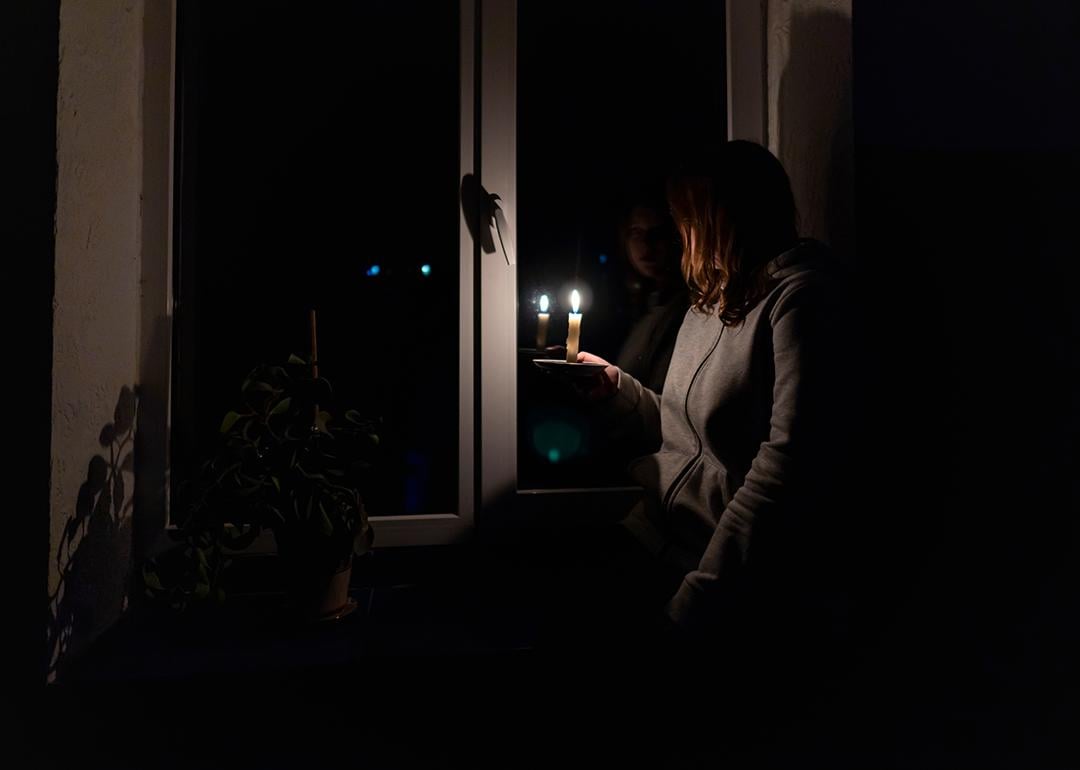
Throughout Stranger Things, viewers see characters scrambling during crises because systems they took for granted suddenly failed. Whether it鈥檚 blackouts from Eleven鈥檚 powers or the Mind Flayer鈥檚 approach signaled by flickering lights, Hawkins constantly faces energy emergencies.
You might not be preparing for a demogorgon attack, but real energy disasters happen every year. During Texas鈥檚 2021 winter freeze, . Homes with natural gas heating maintained survivable conditions while all-electric homes faced life-threatening cold. The difference? Natural gas flows through protected underground pipelines鈥� of them nationwide鈥攖hat keep working when above-ground power lines fail. Think of it as your home鈥檚 own counter to the Upside Down tunnels beneath Hawkins, an energy network protecting you from the chaos.
Take Control: Your Natural Gas Action Plan
Choose your supplier (your energy 鈥減arty鈥�)
Just like how Mike, Dustin, Lucas, and Will each bring different strengths to their party, you can choose which energy supplier joins your team. In deregulated states like Pennsylvania, Ohio, and 24 others, you鈥檙e not stuck with your utility鈥檚 default rate. The pipes and service stay the same鈥攐nly your rate changes.
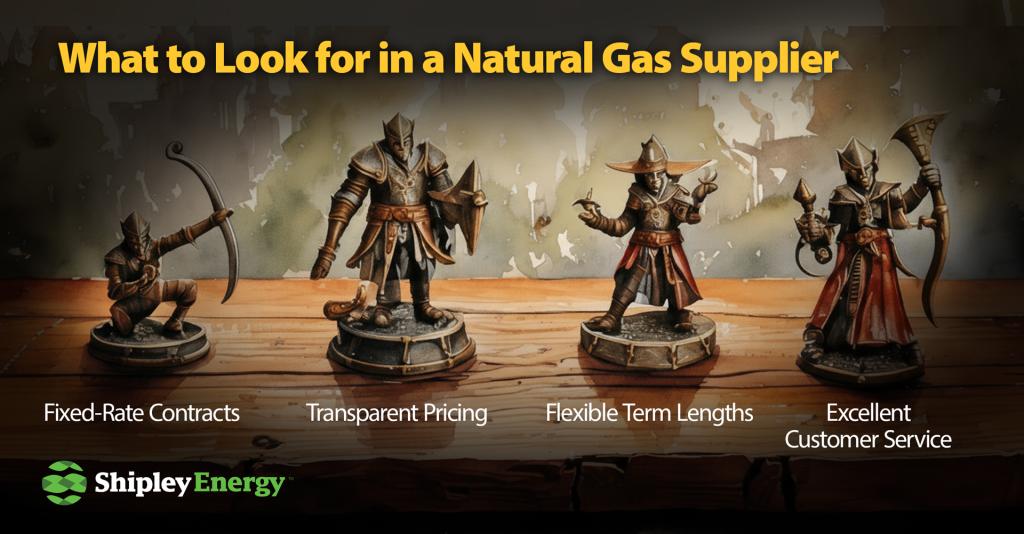
What to look for in a supplier:
- Fixed-rate contracts that for six months to multiple years (protection against 鈥淢ind Flayer鈥� price spikes)
- Transparent pricing with clear cost per CCF or therm comparisons
- Flexible terms that match your needs (month-to-month vs. long-term contracts)
- Local expertise and reliable customer service
Pennsylvania residents average by switching from utility default rates. On top of the natural gas already provides over all-electric homes, that鈥檚 another $50-150 back in your pocket鈥攅nough for a year of Netflix to watch Season 5 on repeat.
Stay Powered With Backup Generation
Add backup protection: Remember how Hopper鈥檚 cabin in the woods stayed livable despite being off-grid? Natural gas generators provide that same independence for your home. Unlike the Byers family scrambling with flashlights and candles, you can maintain normalcy when the grid fails.
Natural gas generators connect directly to your existing gas line and automatically activate during outages:
- Automatic operation: Kicks in within seconds of power loss (faster than a Demogorgon can travel between dimensions)
- No fuel storage: Unlike portable generators, no gas cans to store or refill during emergencies
- Whole-home coverage: Powers everything from your HVAC to your WiFi router
- 24/7 protection: Runs continuously as long as needed鈥攖hrough ice storms, heat waves, or interdimensional invasions
- Peace of mind: Works whether you鈥檙e home or away (no manual startup required)
While the $5,000-$11,000 investment is significant, it鈥檚 your home鈥檚 ultimate insurance policy. Think of it as your own personal 鈥淓leven鈥濃�攑owerful protection that kicks in exactly when you need it most.
Don鈥檛 Have Natural Gas? Here鈥檚 Your Conversion Roadmap
Just as Hawkins evolved from a quiet town to a supernatural battleground, your home can transform from vulnerable all-electric to resilient natural gas-powered.
Converting to natural gas typically involves:
- Checking availability in your area (most urban and suburban areas have access)
- Getting quotes for connection and appliance conversion
- Evaluating rebates from utility companies and energy efficiency programs
- Calculating payback (most conversions pay for themselves in 3-7 years through energy savings)
Focus on converting your highest-use systems first:
- Heating: Saves approximately $450 per winter season vs. electric (enough to buy the entire Stranger Things Blu-ray collection 鈥� twice)
- Water heating: Provides hot water during outages, lower operating costs
- Cooking: Gas ranges work without electricity鈥攃ritical during emergencies when you need that Eggo waffle fix
The Bottom Line: Don鈥檛 Wait for Your Own Energy Crisis
As Stranger Things Season 5 approaches, millions will watch Hawkins face its darkest hour, with failing power grids and desperate struggles to keep the lights on. But you don鈥檛 need interdimensional threats to appreciate reliable, affordable energy.
Natural gas offers three critical advantages:
- Reliability: Underground delivery protected from weather and outages
- Savings: Over $1,100 annually compared to all-electric homes
- Control: Choice of suppliers in deregulated markets for additional savings
Whether you鈥檙e looking to switch suppliers, install a backup generator, or convert to natural gas, the key is taking action before a crisis hits. Because unlike the residents of Hawkins, you have the power to control your energy destiny鈥攏o supernatural abilities required.
Ready to explore your options? Research competitive suppliers in your area, investigate natural gas conversion possibilities, or consider backup generator installation. The strange thing about natural gas isn鈥檛 how it works鈥攊t鈥檚 that more people don鈥檛 take advantage of its benefits.
This article is an independent editorial piece and is not affiliated with or endorsed by Netflix or Stranger Things.
was produced by and reviewed and distributed by 麻豆原创.