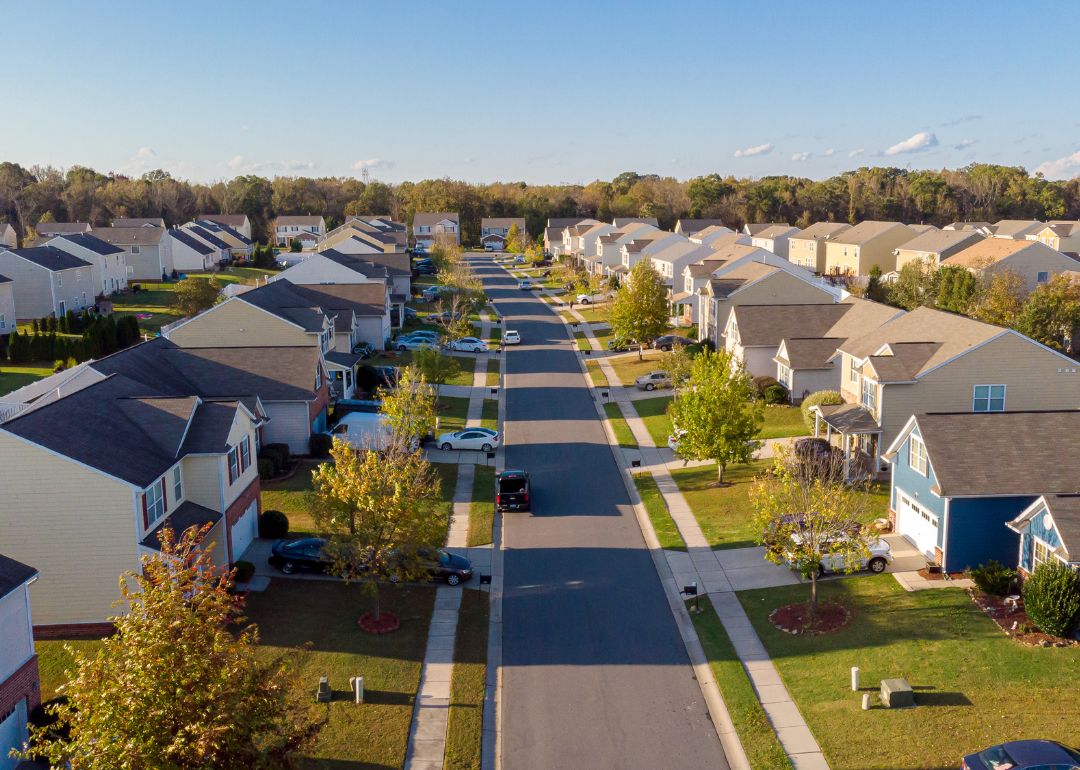
Local vs. remote buying: How it compares in 20 cities
This story originally appeared on Roofstock and was produced and distributed in partnership with Â鶹ԭ´´ Studio.
Local vs. remote buying: How it compares in 20 cities
There is no question COVID-19 has dramatically changed the face of housing markets across the nation over the last two years. Housing shortages, competitive buying landscapes, and skyrocketing home prices have led to either serious perks or serious issues for buyers and sellers, all depending on which side of the fence they’re sitting on.
What isn’t as widely discussed, however, is the impact the pandemic has had on remote home-buying trends. More buyers than ever are purchasing homes remotely in other markets across the nation, and while some are looking to relocate to new areas, many are investors looking to reap the benefits of high median gross yields—or the percentage of profit on rental or other types of investment properties before deducting for expenses—in hot markets across the country.
Remote purchases make it easy to buy properties in any market without risking exposure to the virus while traveling or touring homes, and it also allows remote buyers to compete in markets they don’t have easy access to—which is incredibly important at a time when housing stock is in short supply. But, there are downsides to remote buying, too. In many cases, buyers are purchasing these properties sight-unseen, which means they’re reliant on home inspections and agents to convey the necessary information before closing.
For many buyers, however, the pros outweigh the cons when it comes to remote buying—and the remote purchase process, which requires buyers to use notaries when signing closing documents and video calls for closing, has never been easier thanks to the pandemic. For that reason alone, it’s likely that the remote buying frenzy will continue well after the public health crisis is under control—especially in certain markets where the demand for remote property purchases is high.
But where exactly are those markets, and what is drawing remote buyers to them in droves? analyzed its internal database of properties purchased in 2021 to determine the differences between properties purchased locally and properties purchased remotely, or purchased by buyers who live 200 miles or more away. Roofstock analyzed this data for the top-20 metros with the most non-owner occupied properties that were purchased through its service. Roofstock also looked at how many properties were purchased remotely, as well as how the median gross yield, median home value, and median year the home was built compare between homes bought locally and remotely.
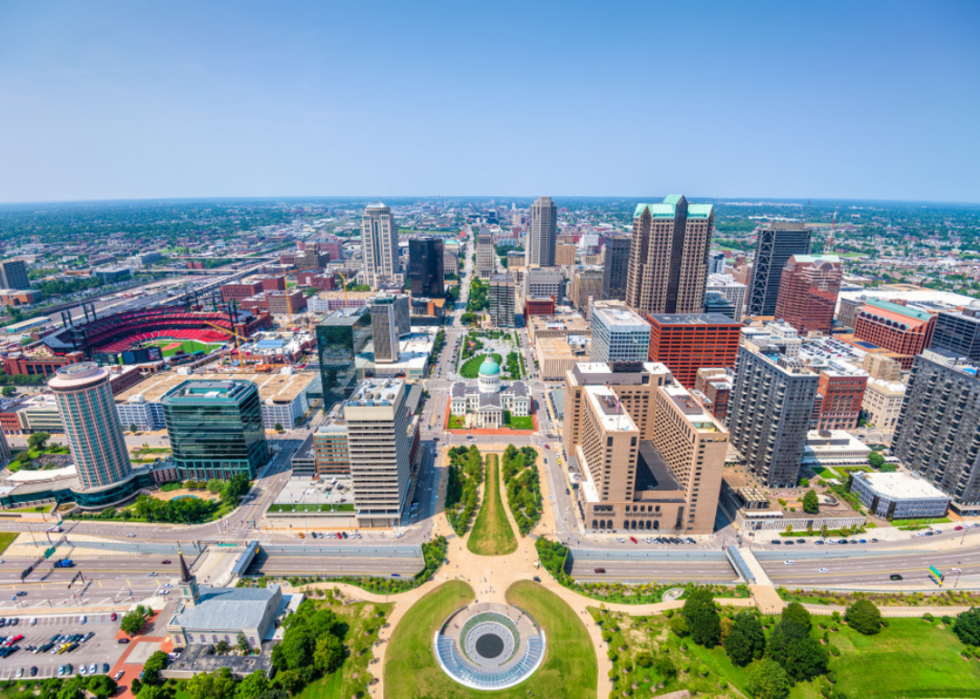
#20. St Louis, Missouri and Illinois
- Total non-owner-occupied properties purchased: 4,445 (93.3% local buyers, 6.7% remote buyers)
- Median gross yield: 7.9% (local buyer); 8.3% (remote buyer)
- Median home value: $123,000 (local buyer); $129,000 (remote buyer)
- Median year built: 1951 (local buyer); 1953 (remote buyer)
Many millennials and first-time homebuyers have been priced out of the real estate market in large cities due to the ongoing pandemic housing boom, which is just one of many reasons why new residents—many of whom have purchased their properties remotely—are flocking to St. Louis, where the median home price remains much lower than it is in many other metro areas. Add in the high quality of life and the thriving job market—St. Louis is home to Anheuser-Busch, Boeing, BJC HealthCare, Mercy, Washington University in St. Louis, and Emerson Electric, among other Fortune 500 companies.
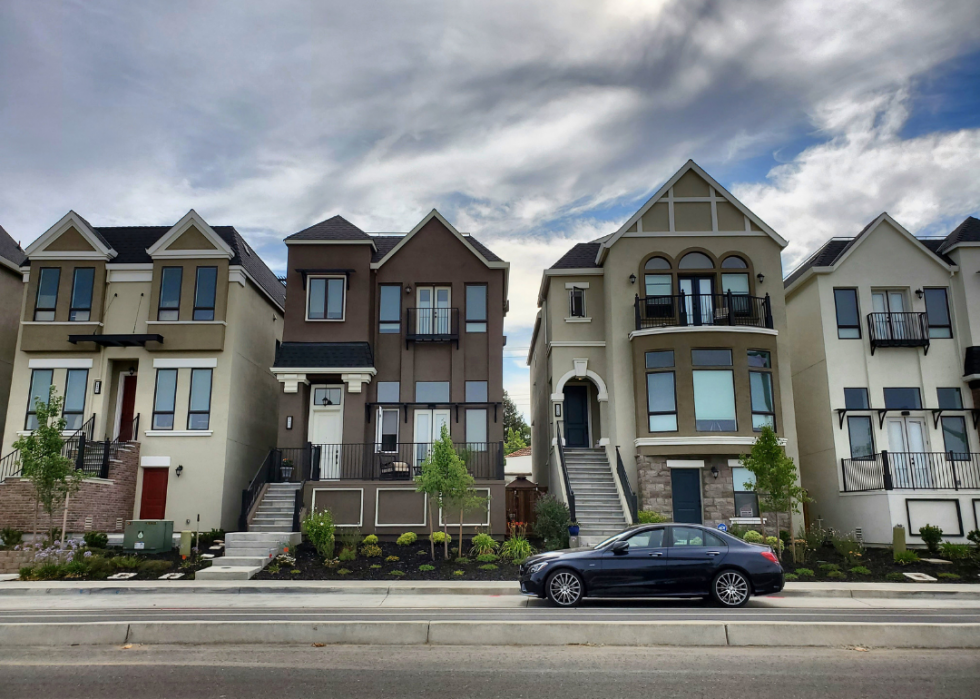
#19. Sacramento-Arden-Arcade-Roseville, California
- Total non-owner-occupied properties purchased: 4,722 (94.1% local buyers, 5.9% remote buyers)
- Median gross yield: 4.9% (local buyer); 4.9% (remote buyer)
- Median home value: $459,000 (local buyer); $498,500 (remote buyer)
- Median year built: 1979 (local buyer); 1985 (remote buyer)
Remote buyers have recently set their eyes on the Sacramento-Arden-Arcade-Roseville, California, metro area, due in major part to the extremely high cost of housing in California’s coastal cities, which has led to all types of renters, buyers, and investors turning to this metro for the reduced cost of living. This metro’s proximity to San Francisco and Lake Tahoe doesn’t hurt, of course—and neither does the wide variety of housing price points, which allows buyers with budgets of all sizes to enter this housing market.
Low unemployment rates and a in the area—which than many of the similarly-sized metros—offer jobs in industries that range from manufacturing and farming to business and finance, which keeps the new residents flowing into this area. of the residents of the city of Sacramento are renters, helping to add to the high rate of remote buyers and investors. The high number of renters is spurred by enthusiastic remote buying, making it difficult for many first-time home buyers and buyers with a lower income to finally settle into their own homes—something further exacerbated by the COVID-19 pandemic.
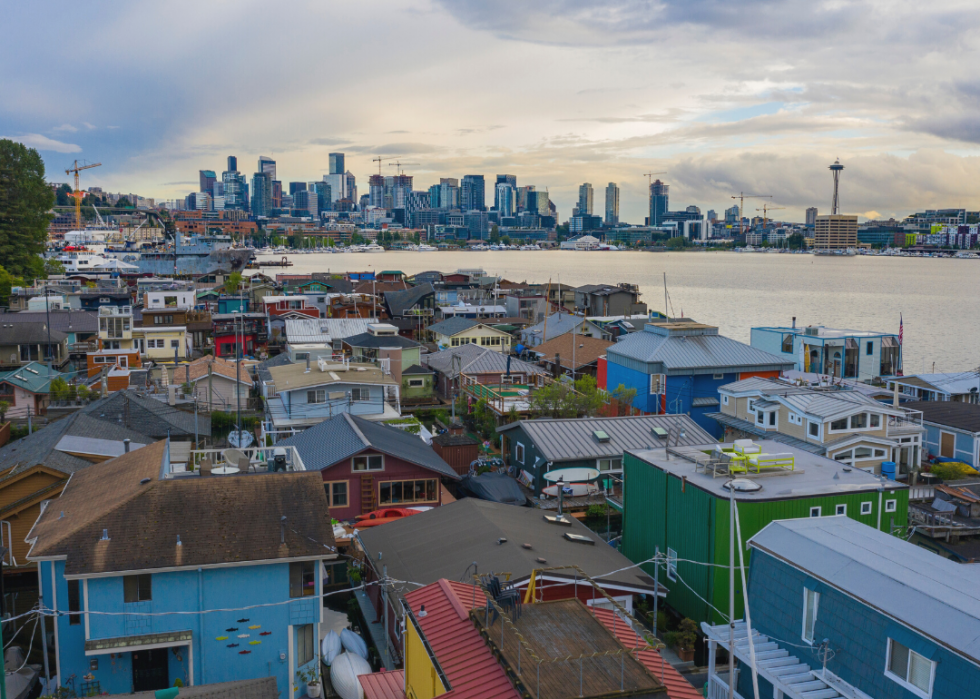
#18. Seattle-Tacoma-Bellevue, Washington
- Total non-owner-occupied properties purchased: 4,924 (93.4% local buyers, 6.6% remote buyers)
- Median gross yield: 4.3% (local buyer); 4.6% (remote buyer)
- Median home value: $613,000 (local buyer); $574,000 (remote buyer)
- Median year built: 1966 (local buyer); 1970 (remote buyer)
The Seattle-Tacoma-Bellevue, Washington, housing market is the largest housing market in the state of Washington and the Pacific Northwest, with over 4 million residents and counting—many of whom have relocated to work for one of the many companies headquartered in the area, which include start-ups, tech companies, and Fortune 500 companies like Boeing and Amazon.
As the thriving Seattle-area job market continues to draw more residents to the area, the housing market grows more competitive, especially for transplants. The metro area also has an extremely active rental market, which has seen year-over-year. Even in early 2020, the metro area—specifically Tacoma—saw a huge influx of buyers priced out of Seattle, leading to neighborhoods quickly changing from families living there for generations to transplants who could not afford Seattle real estate. With the in Seattle being $750,000 and the median home price in Tacoma being $337,940, many people were priced out of the city market and contributed to huge cultural shifts in the metro area.

#17. Orlando-Kissimmee, Florida
- Total non-owner-occupied properties purchased: 4,974 (81.8% local buyers, 18.2% remote buyers)
- Median gross yield: 6.7% (local buyer); 6.6% (remote buyer)
- Median home value: $291,000 (local buyer); $272,000 (remote buyer)
- Median year built: 1989 (local buyer); 2004 (remote buyer)
Prior to the pandemic, Orlando was in job growth, and it’s still one of the fastest-growing areas in the country, which has led to an influx of new residents. Investors from across the nation bought one out of every six homes in the Orlando-Kissimmee metro area during the second quarter of 2021: This housing market is red-hot due to the increase in home purchases caused by the pandemic. That alone has made the Orlando-Kissimmee area prime real estate for investors who wanted to reap the benefits of owning rental properties. As investors cash in on passive income, rent in the metro area has since March 2020, making it difficult for renters to find housing in their price range. Even renters who had the opportunity to save money by living with family during the pandemic are finding they cannot afford to rent in the metro area, . When you add in the other factors—such as the high demand for short-term or vacation rentals by visitors flocking to the area’s many theme parks, restaurants, and attractions—it’s easy to see why so many remote buyers are focused on Orlando and Kissimmee.
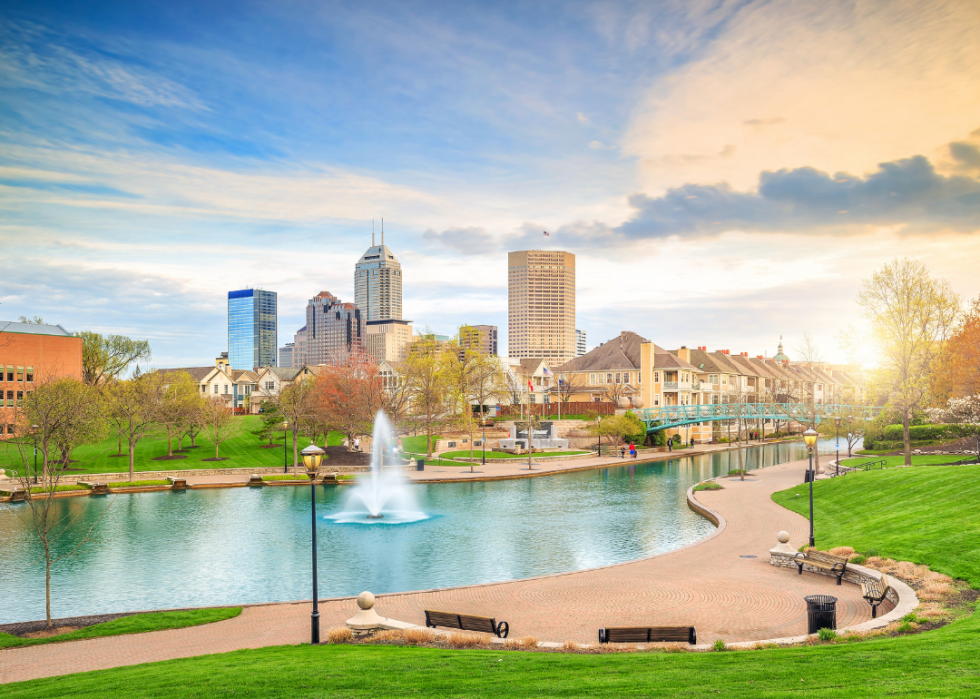
#16. Indianapolis-Carmel, Indiana
- Total non-owner-occupied properties purchased: 5,008 (90.9% local buyers, 9.1% remote buyers)
- Median gross yield: 8.7% (local buyer); 9.0% (remote buyer)
- Median home value: $126,000 (local buyer); $122,000 (remote buyer)
- Median year built: 1950 (local buyer); 1952 (remote buyer)
The Indianapolis-Carmel, Indiana, metro area has long been considered a great place for home buying. The consistently low unemployment rate in this area, excellent job opportunities, low cost of housing, and a continually growing population have led to a surprising number of remote buyers setting their sights on this area recently.
Like many other metro areas on this list, one of the major draws of the Indianapolis-Carmel area is the burgeoning Indianapolis , which has led Indianapolis to be named one of the best cities in the nation for creating tech jobs, as well as one of the best cities for women in tech, and one of the best cities for renters in America.
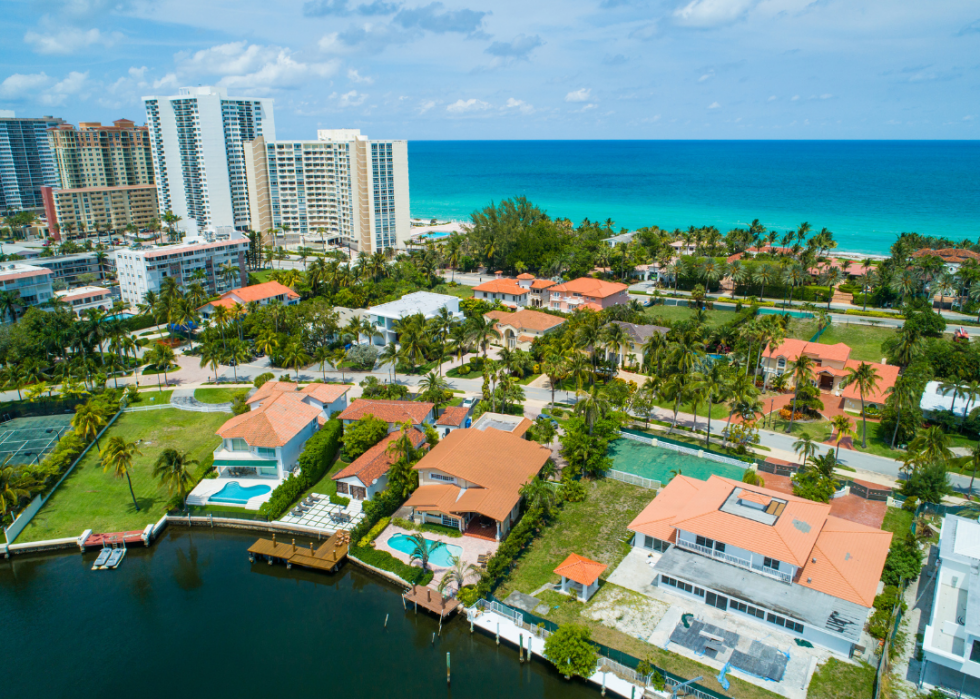
#15. Miami-Fort Lauderdale-Miami Beach, Florida
- Total non-owner-occupied properties purchased: 5,478 (88.9% local buyers, 11.1% remote buyers)
- Median gross yield: 6.6% (local buyer); 6.5% (remote buyer)
- Median home value: $386,000 (local buyer); $453,000 (remote buyer)
- Median year built: 1977 (local buyer); 1985 (remote buyer)
The Miami-Fort Lauderdale-Miami Beach, Florida, metro area is another hot market for remote buyers, due in major part to the influx of new businesses that are relocating from high-tax cities to the greater Miami area. This region in southern Florida is now the in the U.S.,. Those employment opportunities, along with the thriving nightlife scene and a great quality of life, have lured buyers and soon-to-be residents from across the globe to purchase properties remotely in this metro area.

#14. Kansas City, Missouri and Kansas
- Total non-owner-occupied properties purchased: 5,566 (93.1% local buyers, 6.9% remote buyers)
- Median gross yield: 8.1% (local buyer); 8.5% (remote buyer)
- Median home value: $153,500 (local buyer); $147,000 (remote buyer)
- Median year built: 1954 (local buyer); 1954 (remote buyer)
The Kansas City metro area, which straddles the state lines for both Kansas and Missouri, has been widely covered as one of the for buyers to consider. Over the last year, remote buyers have clearly been taking that advice to heart.
Transplants moving to this area from other parts of the country now account for of the growth, creating an and putting additional strain on an already limited market for .
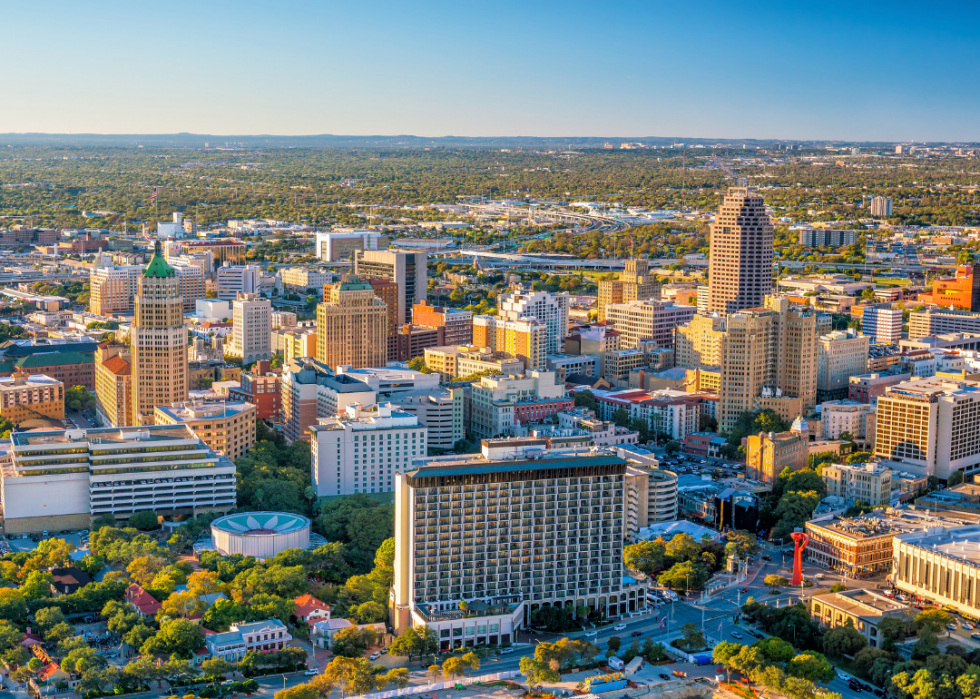
#13. San Antonio, Texas
- Total non-owner-occupied properties purchased: 5,938 (90.3% local buyers, 9.7% remote buyers)
- Median gross yield: 7.6% (local buyer); 7.9% (remote buyer)
- Median home value: $207,000 (local buyer); $229,000 (remote buyer)
- Median year built: 1980 (local buyer); 1998 (remote buyer)
The San Antonio metro area includes a high number of remote buyers, and was named one of the at the end of 2020 by RentCafe. Factors, like a job market that the national average for job growth—which offers opportunities in the manufacturing, health care, finance, oil and gas, and military sectors—have led new residents from across the nation to flock to this Texas metro. The low cost of housing is another draw for remote buyers, who can purchase properties in San Antonio for prices well below the . The close proximity to other Texas metros, like Austin and Houston, are added benefits for new residents who are looking to purchase properties in the area.
#12. Charlotte-Gastonia-Concord, North Carolina and South Carolina
- Total non-owner-occupied properties purchased: 5,992 (94.0% local buyers, 6.0% remote buyers)
- Median gross yield: 6.6% (local buyer); 6.4% (remote buyer)
- Median home value: $226,000 (local buyer); $263,500 (remote buyer)
- Median year built: 1967 (local buyer); 1987 (remote buyer)
The Charlotte-Gastonia-Concord metro in North Carolina is one of the ., and the red-hot housing market—as well as a strong economy and job market—have enticed throngs of buyers to purchase properties in the area, both remotely and otherwise. Part of the draw of the Charlotte-Gastonia-Concord metro area is it is home to seven Fortune 500 companies, and the metro offers job opportunities in industries that span everything from tech, finance, manufacturing, and health care to energy, business, and research. of the metro's population rents; with capitalizing on affordable housing, buying and renting in the metro area has become more difficult over time, especially in the wake of the COVID-19 pandemic.
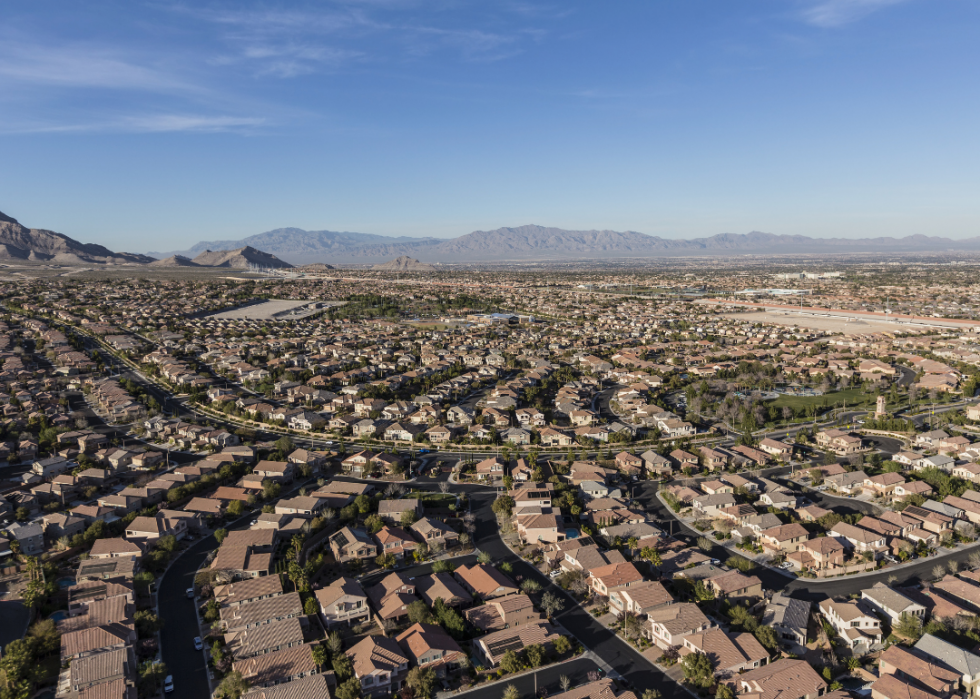
#11. Las Vegas-Paradise, Nevada
- Total non-owner-occupied properties purchased: 6,441 (77.0% local buyers, 23.0% remote buyers)
- Median gross yield: 5.4% (local buyer); 5.4% (remote buyer)
- Median home value: $343,000 (local buyer); $350,000 (remote buyer)
- Median year built: 2000 (local buyer); 2001 (remote buyer)
The housing market in Las Vegas-Paradise, Nevada, has been on fire for the last few years. It has led to a surprising uptick in remote buyers, who are purchasing properties in this metro from other areas in the nation. One major draw of the Las Vegas-Paradise area is the for rental units. Rental prices have increased by 45% over the last year, making it increasingly difficult for residents to find housing in their price ranges. A steady stream of new residents, who have contributed to a steady population growth that led Las Vegas to reach its yet in 2021, has almost certainly helped to contribute to the high rates of both residents priced out of affordable housing and remote buyers focused on the Las Vegas area.

#10. Detroit-Warren-Livonia, Michigan
- Total non-owner-occupied properties purchased: 6,490 (94.1% local buyers, 5.9% remote buyers)
- Median gross yield: 8.5% (local buyer); 8.6% (remote buyer)
- Median home value: $131,000 (local buyer); $123,000 (remote buyer)
- Median year built: 1948 (local buyer); 1949 (remote buyer)
Between the extremely low cost of housing in the Detroit-Warren-Livonia metro area and the skyrocketing demand for rental properties, this Michigan metro has been one of the leaders when it comes to remote buying over the last year. There is also a targeted revitalization of the metro area, which has like Google, Whole Foods, and Microsoft to open offices in Detroit. Nearly in Detroit are renters, and with so many new residents to the area, renting may continue to be a trend.
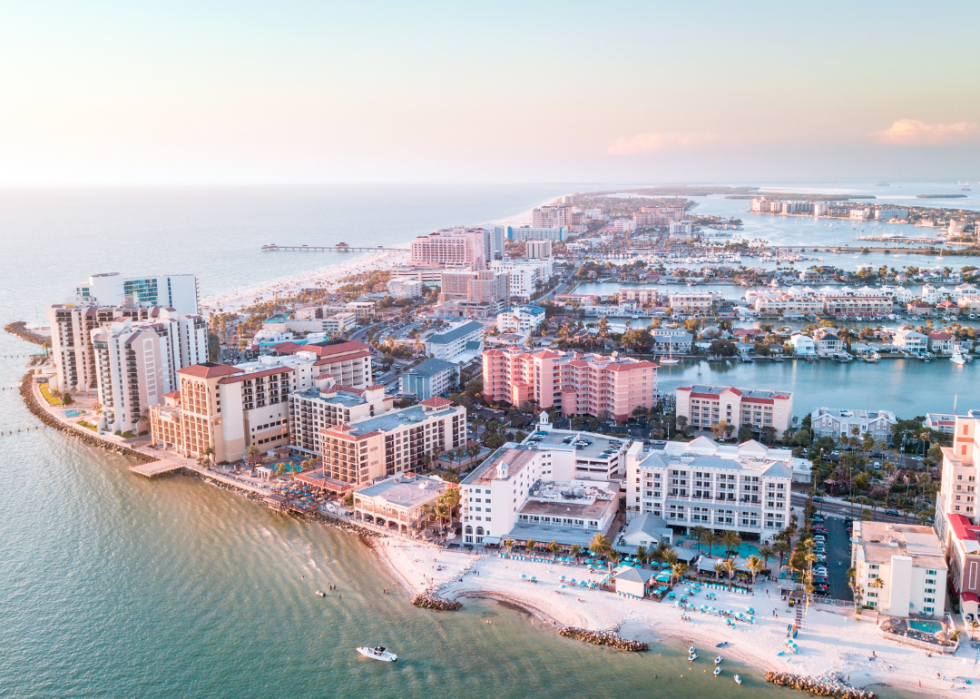
#9. Tampa-St. Petersburg-Clearwater, Florida
- Total non-owner-occupied properties purchased: 7,778 (88.1% local buyers, 11.9% remote buyers)
- Median gross yield: 6.5% (local buyer); 6.7% (remote buyer)
- Median home value: $259,000 (local buyer); $271,000 (remote buyer)
- Median year built: 1971 (local buyer); 1980 (remote buyer)
The opportunity to buy at low home prices, the hot housing market, and the likelihood of homes to appreciate rapidly in Tampa-St. Petersburg-Clearwater, Florida, has made this area an enticing one for remote buyers across the nation. But while the draw of the low-priced, high-return housing market is one reason remote buyers are focusing on the Tampa area, the steady job growth in the metro in fields like finance, tech, tourism, and construction—as well as the Port of Tampa, the largest port in Florida—has also helped bring in a constant stream of new residents from around the globe. In addition to buying, in the area, including vacation rentals for short-term housing options. The rapid appreciation has hurt renters in the area. , rent has risen faster in Tampa than any other metro in the U.S., with some rents increasing as much as 20%, contributing to an affordable housing crisis in the area.
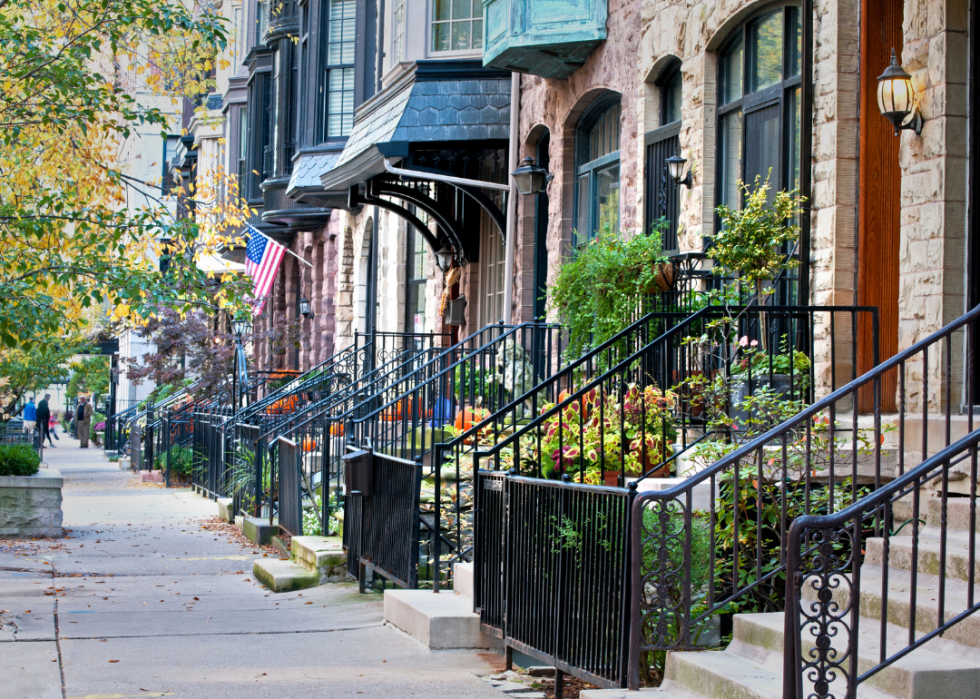
#8. Chicago-Naperville-Joliet, Illinois, Indiana, and Wisconsin
- Total non-owner-occupied properties purchased: 7,911 (95.8% local buyers, 4.2% remote buyers)
- Median gross yield: 7.9% (local buyer); 8.2% (remote buyer)
- Median home value: $233,000 (local buyer); $193,000 (remote buyer)
- Median year built: 1955 (local buyer); 1957 (remote buyer)
The Chicago-Naperville-Joliet metro area, which spans across three states, has been a hot spot for remote buyers over the last year, due in part to the fact there are more renters than buyers in this massive area. More than reside in the Chicago-Naperville-Joliet metro, meaning there are millions of households in need of rental housing—and thanks to the world-class financial center and central business district in Chicago, even more residents pour in for work each year. Rental demand is high, generating in affordable housing units and pricing low-income residents out of certain neighborhoods. Add to it the fact that the Chicago real estate market in both the city and the suburbs has rebounded from the hits it took over the last decade or so and it’s clear why buyers, local or otherwise, want to capitalize on the rental market, rapid appreciation, and the growth in home prices.
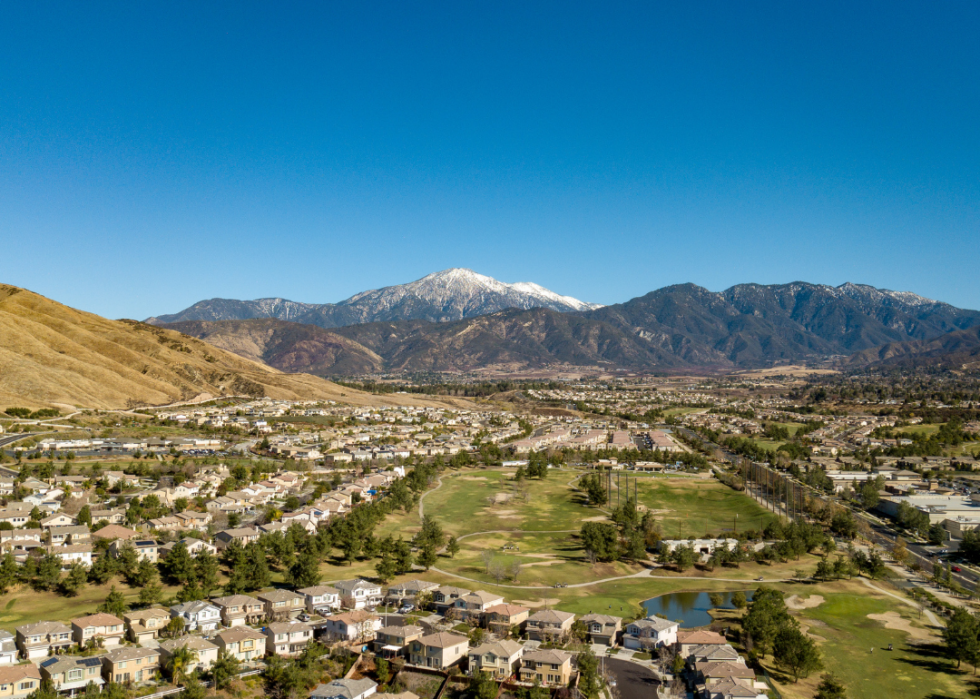
#7. Riverside-San Bernardino-Ontario, California
- Total non-owner-occupied properties purchased: 9,043 (92.0% local buyers, 8.0% remote buyers)
- Median gross yield: 5.2% (local buyer); 5.2% (remote buyer)
- Median home value: $436,000 (local buyer); $486,000 (remote buyer)
- Median year built: 1985 (local buyer); 1992 (remote buyer)
The California metro of Riverside-San Bernardino-Ontario has become a haven for remote buyers for multiple reasons, but one of the main factors has been a millennial boom, with younger residents moving to the area from other parts of California and across the nation for one reason: affordability. In recent years, Riverside has been ranked millennials are moving to, and with the ongoing housing crisis caused by the pandemic, that pattern is likely to continue for years to come. That has led to an enormous opportunity for investors to capitalize on the hot rental market in the Riverside-San Bernardino-Ontario metro area. Plus, first-time buyers who may struggle to purchase homes in higher-priced southern California cities often find it easier to find affordable homes in this metro, and the area’s low-but-rising housing prices offer ample opportunity for quick appreciation, which adds to the draw for remote buyers. The area’s diverse economy is also a draw for new residents, who are likely responsible for some of the remote buying that’s occurring in the area as they search for housing before relocating for jobs in one of the many industries—including tech and education—that this area offers to residents.
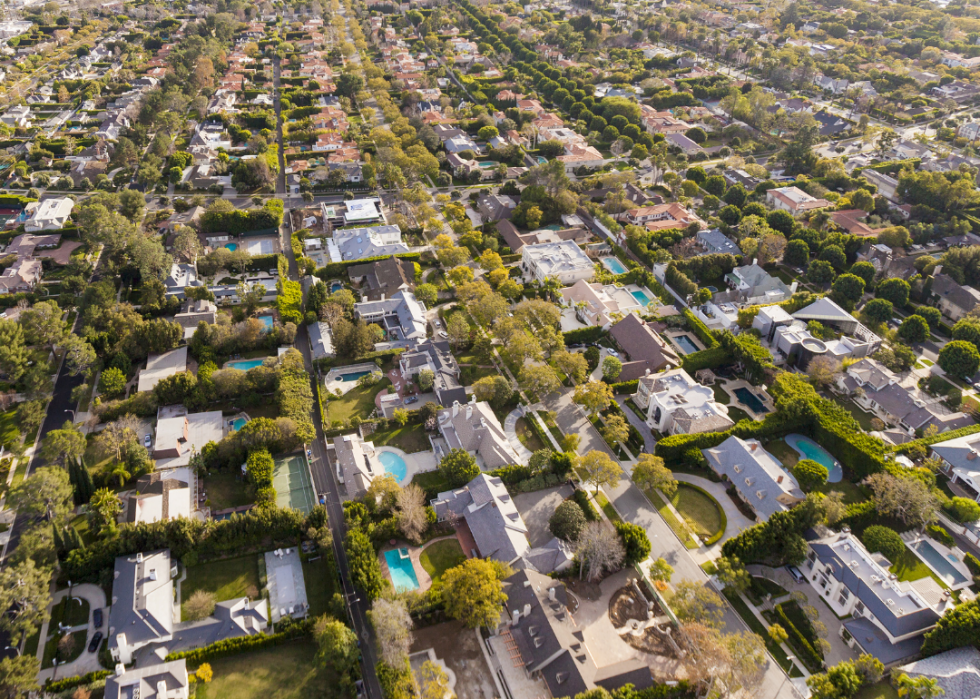
#6. Los Angeles-Long Beach-Anaheim, California
- Total non-owner-occupied properties purchased: 10,056 (92.9% local buyers, 7.1% remote buyers)
- Median gross yield: 4.2% (local buyer); 4.2% (remote buyer)
- Median home value: $909,000 (local buyer); $905,000 (remote buyer)
- Median year built: 1956 (local buyer); 1958 (remote buyer)
The Los Angeles-Long Beach-Anaheim metro area in Southern California has always been a draw for new residents, and this past year has been no exception, with remote buyers pouring into the sunny metro from across the nation. Not only are housing prices rising in this metro area thanks to and a lack of inventory—which means ballooning costs for renters but quick appreciation for buyers—but the rental market also offers lucrative opportunities to investors who want to capitalize on the high demand in the area. About 40% of households in the Los Angeles metro area are renters, and with of $2,518, there is a lot of money to be made for landlords who invest in properties in this area. Add to it the fact that the Los Angeles-Long Beach-Anaheim metro area has a thriving job economy that continually draws in new residents from all around the globe and you have the perfect recipe for a high rate of remote buying in this metro area.
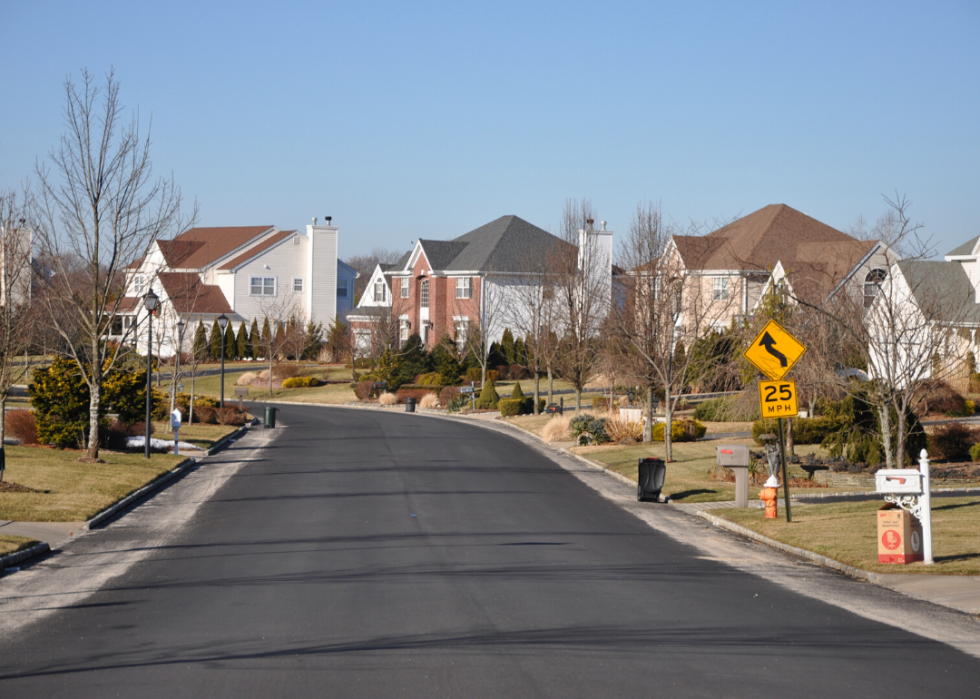
#5. New York-Northern New Jersey-Long Island, New York, New Jersey, and Pennsylvania
- Total non-owner-occupied properties purchased: 11,158 (96.3% local buyers, 3.7% remote buyers)
- Median gross yield: 5.8% (local buyer); 6.2% (remote buyer)
- Median home value: $476,000 (local buyer); $464,500 (remote buyer)
- Median year built: 1950 (local buyer); 1959 (remote buyer)
There was a mass exodus of residents from the New York City metro area at the start of the pandemic, but a buying frenzy over the last year in the New York-Northern New Jersey-Long Island metro—which included a high rate of remote buyers—has more than made up for the drop in residents from the city. A number of factors led to the increased pattern of remote buying in this area, but one of the main factors was that the swaths of residents fleeing highly populated areas like New York City and northern New Jersey led to a temporary that were bargains for investors and first-time homebuyers, at least compared to the historic prices in the area. That alone led to a buying frenzy in this area, and when residents started after the COVID vaccine became easily accessible, a shortage of housing led to even more interest in property in the area, for both locals and remote buyers. When you factor in the other components, like the incredibly high rental prices and the lack of space for new construction, investors far and wide saw the drop in prices as a bargain ready to be capitalized on. Other factors, like the Long Island area offering compared to the city and a more suburban, less populated feel, added to the frenzy, with buyers pouring into this area from all over—all for various reasons.
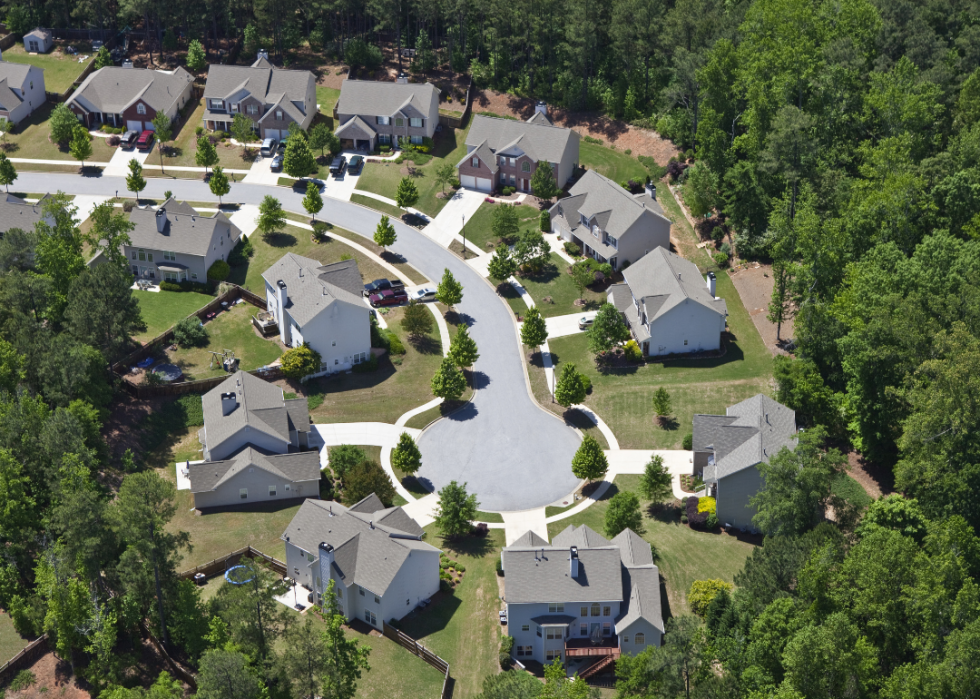
#4. Atlanta-Sandy Springs-Marietta, Georgia
- Total non-owner-occupied properties purchased: 12,500 (94.3% local buyers, 5.7% remote buyers)
- Median gross yield: 7.0% (local buyer); 7.2% (remote buyer)
- Median home value: $231,000 (local buyer); $237,000 (remote buyer)
- Median year built: 1982 (local buyer); 1994 (remote buyer)
If there is one driving force behind the flow of remote buyers in the Atlanta-Sandy Springs-Marietta, Georgia, housing market, it’s the need for more rental properties in the area. Consistent job growth in industries like finance, manufacturing, trade, and transportation, has led to an explosion in population in this area, and with renters of the households in the metro area, there is a lot of money to be made on rental investment properties, whether you live in the Atlanta metro or well outside of it.
Rapidly increasing home listing prices, which over the last year, also helped to drive the interest from remote buyers, who can cash in on the quick appreciation homeowners are seeing. With rents in Atlanta increasing by a whopping there is a high potential for lucrative returns on investment for investors who opt to buy and then rent properties to residents in this area.
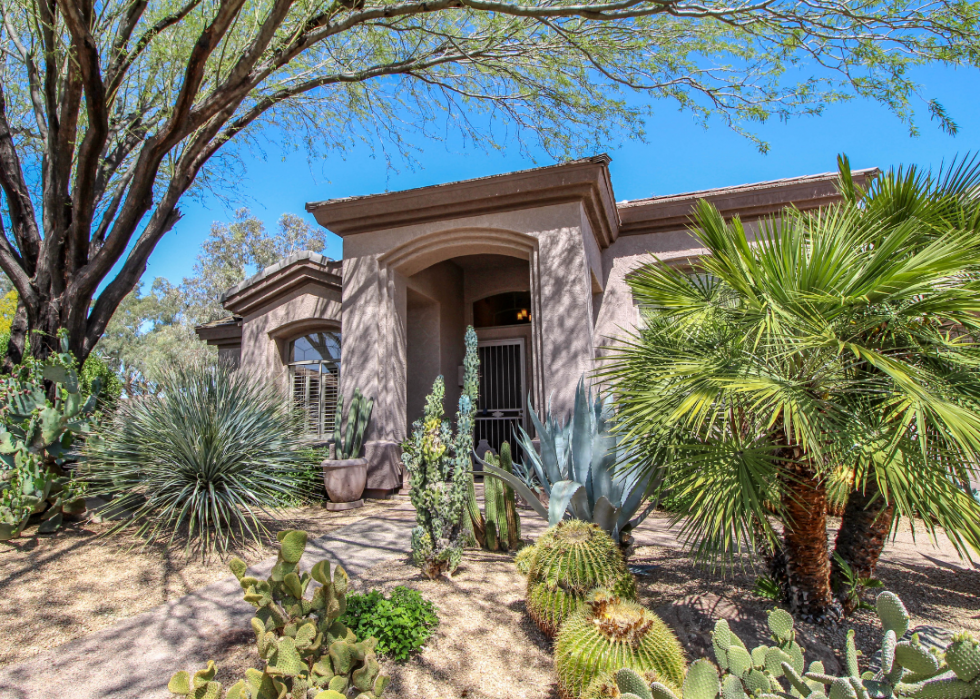
#3. Phoenix-Mesa-Scottsdale, Arizona
- Total non-owner-occupied properties purchased: 12,909 (80.1% local buyers, 19.9% remote buyers)
- Median gross yield: 5.0% (local buyer); 5.1% (remote buyer)
- Median home value: $360,000 (local buyer); $372,000 (remote buyer)
- Median year built: 1996 (local buyer); 2000 (remote buyer)
Remote buyers have set their sights on the Phoenix-Mesa-Scottsdale metro in Arizona for a couple of reasons, not the least of which are the increasing demand for rental properties, skyrocketing rent and home prices, and a population boom that is expected to continue for years to come. The influx of new residents combined with rising rent prices and lack of affordable housing is creating a crisis says is “reaching breaking point.” There are over in the Phoenix-Mesa-Scottsdale area, and of the households rent rather than buy—which means there’s ample opportunity for investors to capitalize on the high demand for rental housing in this area. There are also plenty of reasons for new residents to move to this area from other parts of the country, including the strong job market, which offers opportunities in industries like manufacturing, tech, finance, aerospace, cybersecurity, e-commerce, healthcare, and start-ups, among others. A low cost of living adds to the allure of life in this Arizona metro, and the increasing rental rates—which have increased by year-over-year—make it easy for investors from all over to see the Phoenix metro area housing market as a potentially lucrative investment opportunity.
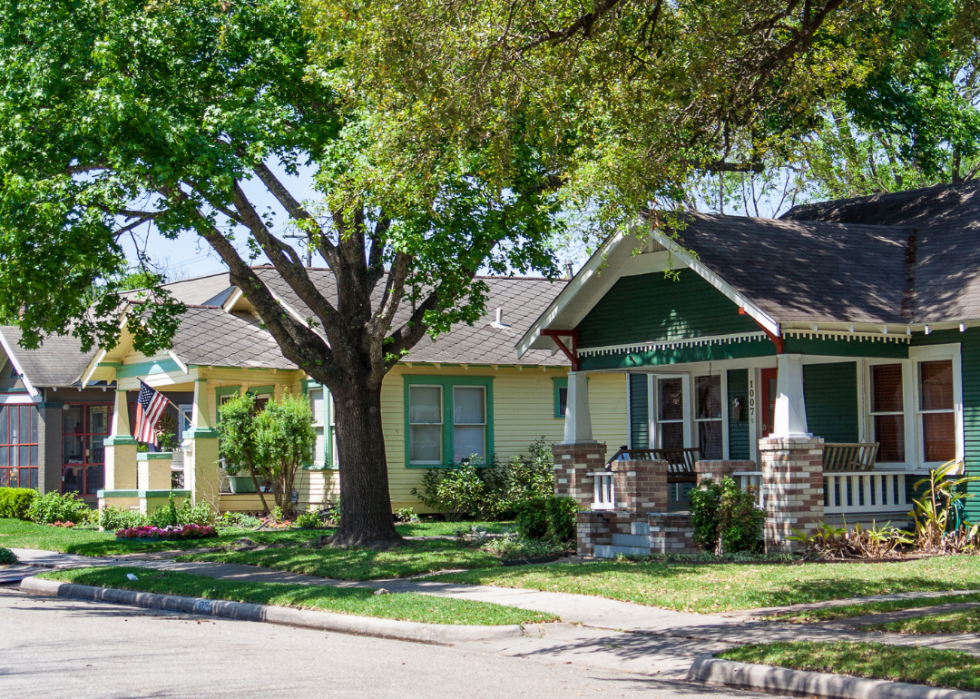
#2. Houston-Sugar Land-Baytown, Texas
- Total non-owner-occupied properties purchased: 14,180 (93.7% local buyers, 6.3% remote buyers)
- Median gross yield: 8.2% (local buyer); 8.4% (remote buyer)
- Median home value: $234,000 (local buyer); $251,000 (remote buyer)
- Median year built: 1983 (local buyer); 1995 (remote buyer)
The Texas metro of Houston-Sugar Land-Baytown offers residents a ton of unique perks, from a low cost of living to massive job growth and affordability across the board—which are just a few of the reasons why remote buyers are snagging properties in this massive area. There are over of this Texas metropolis, and the area adds about 250 new residents each day, many of whom are relocating to Houston for one of the ample job opportunities in industries that include oil and gas, energy, tech, healthcare, manufacturing, aerospace, or finance. of the residents in the Houston area are renters, and between the city’s massive population and the high number of renters, investors can easily capitalize on the demand for rental properties—and they can do so for a low buy-in, as housing prices in the Houston metro area are lower than they are in most other areas. The high demand for housing has led to of affordable housing and high cost for renters, and a quick appreciation for homeowners, who have seen the home values increase over the last year alone—which is yet another draw for investors and buyers from across the nation.
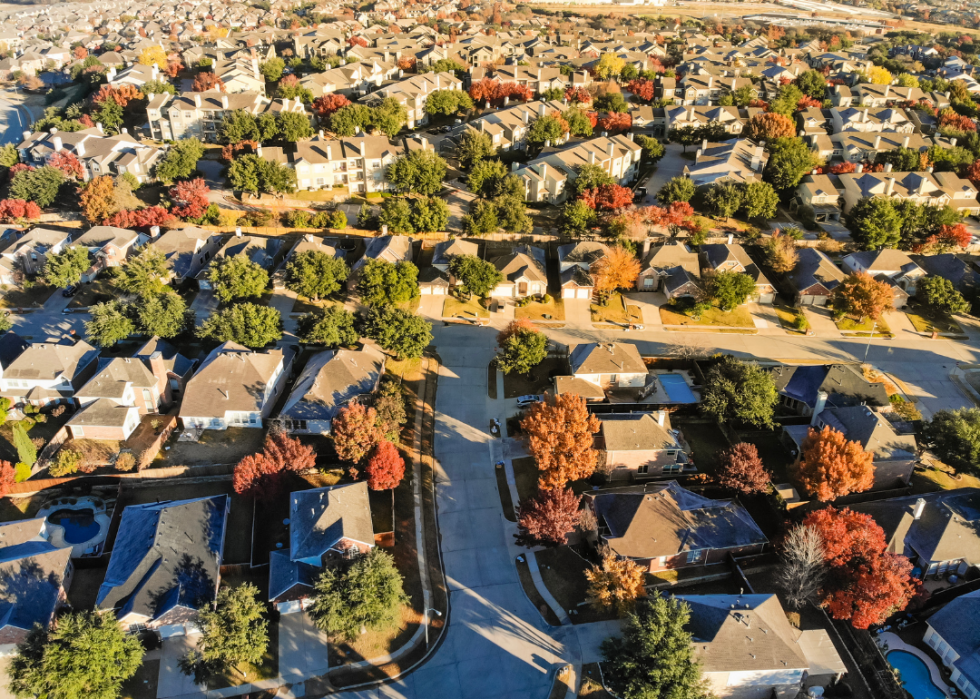
#1. Dallas-Fort Worth-Arlington, Texas
- Total non-owner-occupied properties purchased: 14,363 (94.0% local buyers, 6.0% remote buyers)
- Median gross yield: 7.4% (local buyer); 7.4% (remote buyer)
- Median home value: $253,000 (local buyer); $270,000 (remote buyer)
- Median year built: 1979 (local buyer); 1987 (remote buyer)
While the Houston area in Texas has attracted a ton of new remote buyers recently, no other area in the state of Texas—or the nation—has been as attractive to remote buyers as the Dallas-Fort Worth-Arlington area. One of the factors helping to attract remote buyers to the Dallas metro area is the explosive job growth in the region, which offers ample employment opportunities to the metro’s nearly , with jobs available in a wide range of industries and sectors, from construction, finance, telecommunications, IT, education, health care, and manufacturing to trade, transportation, and business. The demand for rental property is also robust in the Dallas area, with about 40.46% of households categorized as renters, according to the .