Airports using biometric facial recognition in Rhode Island
This story originally appeared on Spokeo and was produced and distributed in partnership with 麻豆原创 Studio.
Airports using biometric facial recognition in Rhode Island
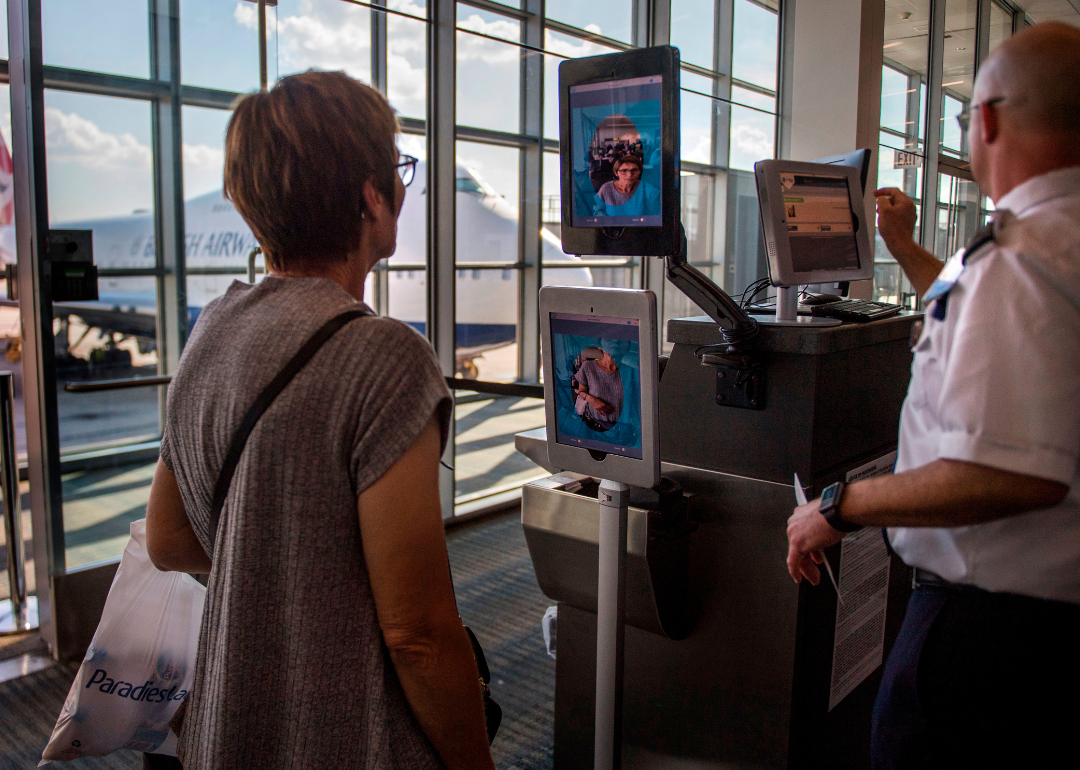
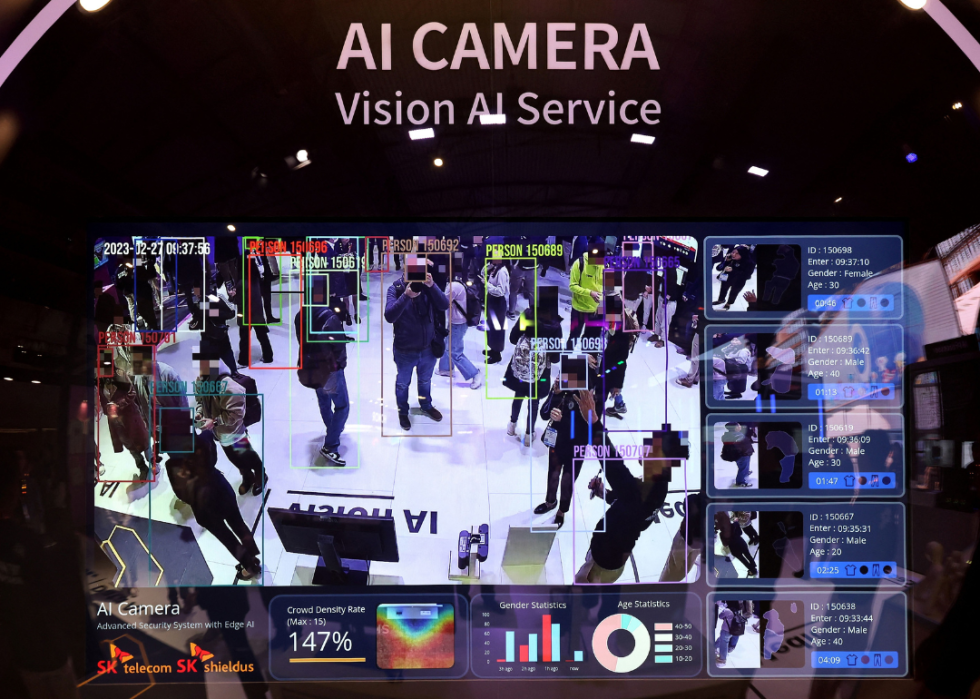
The next time you're in a security line at the airport, you may find that instead of a Transportation Security Administration officer checking your ID, a camera and screen will use biometric facial recognition to confirm your face and photo ID match and ensure your ID isn't fake.
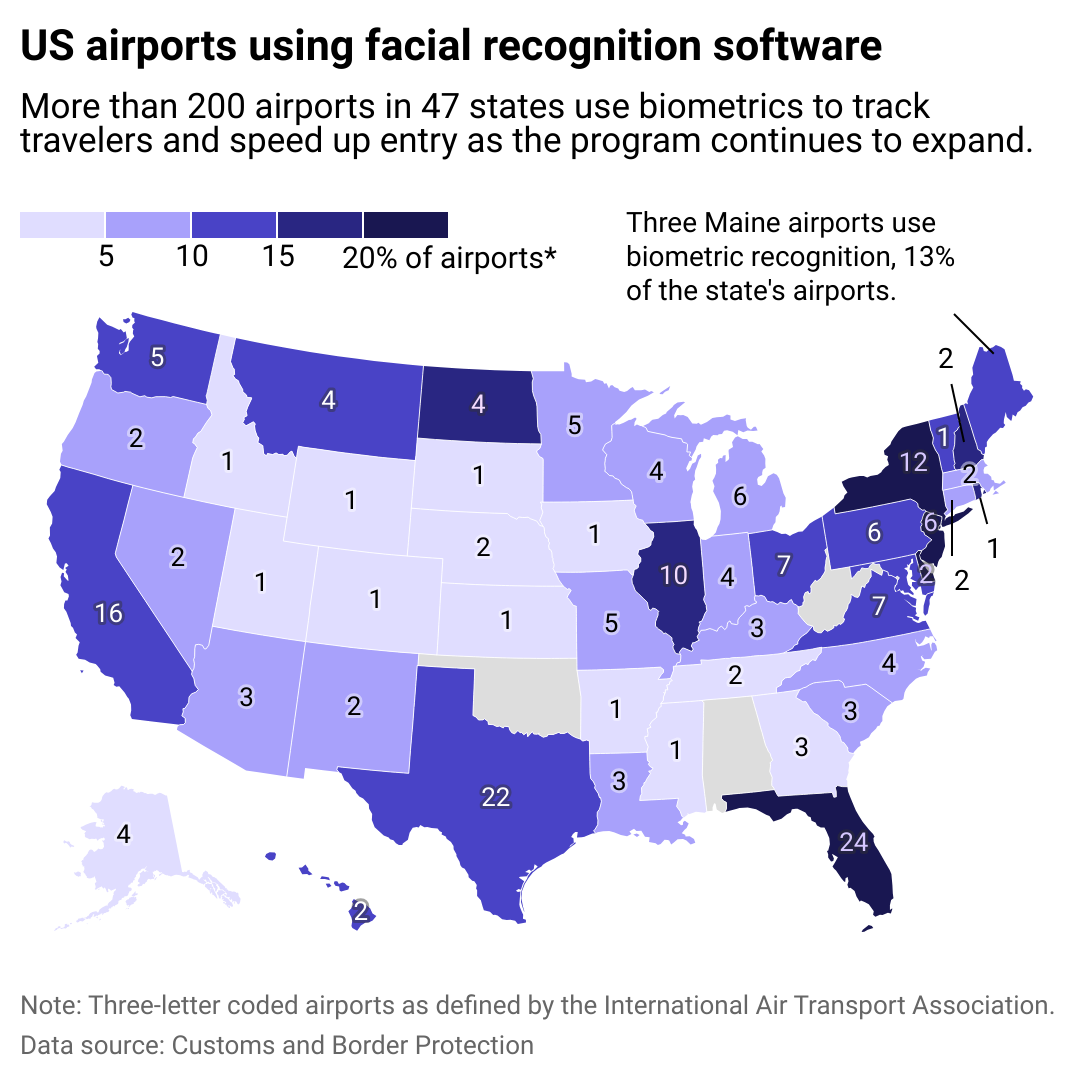
The TSA has installed the system in over 200 U.S. airports to and keep its lines moving.
used information from to see how many airports in each state use facial recognition software for security screenings and examine the pros and cons of such a program.
The TSA started piloting this system in 2020 at Ronald Reagan Washington National Airport in Virginia, but this is not its first foray into using biometrics. , foreign nationals entering the U.S. have given biometric data at customs for identification verification.
The technology behind facial recognition has been around even longer. Computer scientist Woodrow Wilson Bledsoe pioneered facial recognition technology in the 1960s when he developed a system to identify faces in a photograph database by using distance between facial coordinates.
Machine learning has helped expand the technology and its capabilities by mining many databases to improve prediction accuracy.
The U.S. isn't the only country using facial recognition technology: 鈥擟anada, Ireland, Bermuda, the Bahamas, and the United Arab Emirates鈥攁lso use the software to aid their screening processes. In Australia, travelers using electronic travel authorization to authorities by having their smartphone read the passport chip. The passport photo automatically goes to authorities, negating the need to pull out a passport at customs, according to The Guardian.
Read the national version of this story .
Facial recognition program continues its expansion
The TSA's initial rollout covered 16 airports of various sizes across the country, including Baltimore; Boston; Dallas; Detroit; Orlando, Florida; Phoenix; Salt Lake City; San Jose, California; and Gulfport-Biloxi in Mississippi. States with busy international airports have continued to add the technology as the TSA's pilot expands.
While the system aims to speed up the security line and limit physical contact with TSA screeners, passenger reaction is mixed. Some travelers flying through Harry Reid International Airport in Las Vegas in February 2020 , but others were concerned about privacy and the use of their facial images.
Airports using the technology in include:
Providence / Green Airport
(Airport code: PVD; located in Providence)
The future of facial recognition
Privacy issues are a concern for many when it comes to facial recognition technology, particularly if passengers' biometrics are used for profiling or surveillance without their knowledge.
Passengers may opt out of the system and go through a manual screening. However, they may encounter some hassles, as Oregon Sen. Jeff Merkley did when he at Reagan National in 2023. Agents warned that a manual process would cause delays (it didn't), but those warnings could coerce others into using the system. The TSA says it it takes nor use the technology to profile or conduct passenger surveillance. Still, CBS News has reported that some information is to help evaluate the technology.
Critics of facial recognition biometrics also cite racial bias. Research has shown that facial recognition algorithms are prone to error when trying to identify Black people鈥攅specially women with darker skin, who were than men with lighter skin, according to Harvard University.
The TSA boasts a with its facial biometrics system and says the false negative rate is 3% or less. Still, flying in the U.S. daily could cause headaches for tens of thousands of travelers upon full implementation.
Meanwhile, as the TSA continues to test, evaluate, and implement facial recognition technology, it also plans to test as a means of identity verification.
This story features data reporting by Elena Cox, writing by Jill Jaracz, and is part of a series utilizing data automation across 47 states.