10 critical nutrients鈥攁nd the plant-based foods packed with them
This story originally appeared on Almond Cow and was produced and distributed in partnership with 麻豆原创 Studio.
10 critical nutrients鈥攁nd the plant-based foods packed with them
Nutrition labels on the foods we buy have changed significantly over the years to keep pace with updates from the Food and Drug Administration (FDA) on recommended daily values for various nutrients. As of 2020, recommended daily values had increased for nutrients such as calcium, fiber, vitamins C, D, and K, and manganese, while those for folate, selenium, zinc, and vitamins A, B6, B12, and E have decreased.
compiled nutritional information from USDA's to identify plant-based foods with high proportions of important nutrients and vitamins. While dairy and meat products represent powerful strongest sources of protein and can provide many nutrients, whole plants such as grains, nuts, fruits, and vegetables pack more nutrients into fewer calories and contain fiber for healthy digestion.
Curious how to naturally get more calcium, zinc, or vitamin C into your diet? Keep reading to learn more about plant-based methods for consuming 10 nutrients critical to your health.
Calcium
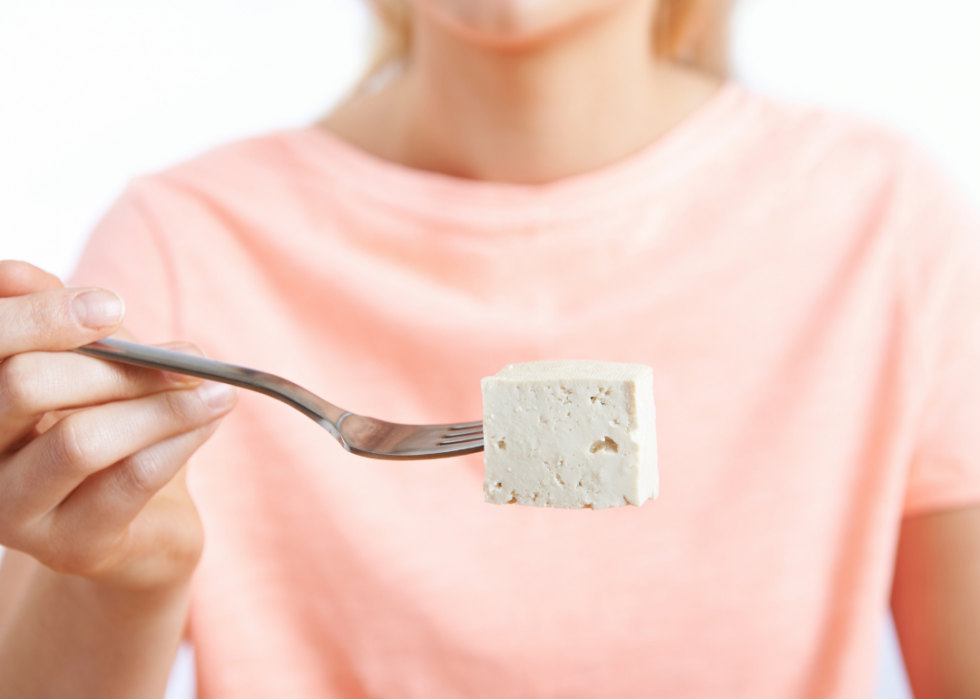
- Tofu: 282 mg per 3.5-ounce serving (21.7% of daily value)
- Tahini: 154 mg per 0.6-ounce serving (11.8% of daily value)
- Almonds: 76 mg per 1-ounce serving (5.8% of daily value)
The mineral calcium is essential for maintaining bone and tooth health. It is obtained in the foods people eat and absorbed with the help of , which comes from sunlight, supplements, and foods such as fatty fish. The American College of Osteopathic Surgeons recommends 1,000 mg to 1,300 mg of calcium per day depending on age and other factors. Sesame seeds鈥攚hich are ground to make tahini鈥攃ontain nearly than cow鈥檚 milk. In addition to potentially reducing bone loss, tofu can benefit function.
Iron
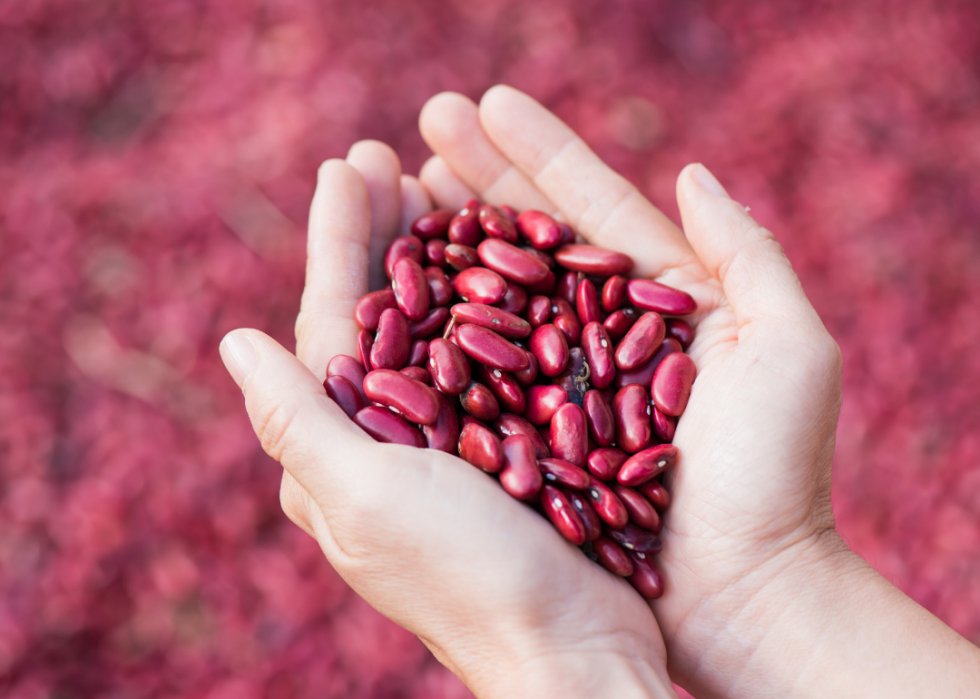
- Kidney beans, dried: 3.95 mg per 2-ounce serving (21.9% of daily value)
- Dark chocolate: 3.37 mg per 1-ounce serving (18.7% of daily value)
- Kale: 1.6 mg per 3.5-ounce serving (8.9% of daily value)
The metal iron is essential for and DNA synthesis, but having too much in the body can cause tissue damage. Too little can cause anemia, while levels too high can cause . In addition to iron, kidney beans are an excellent source of (a vitamin that increases red blood cell production). Dark chocolate is much more nutritious than milk or white chocolate鈥攍ook for products containing at least 45% cacao for the highest levels of iron.
Potassium
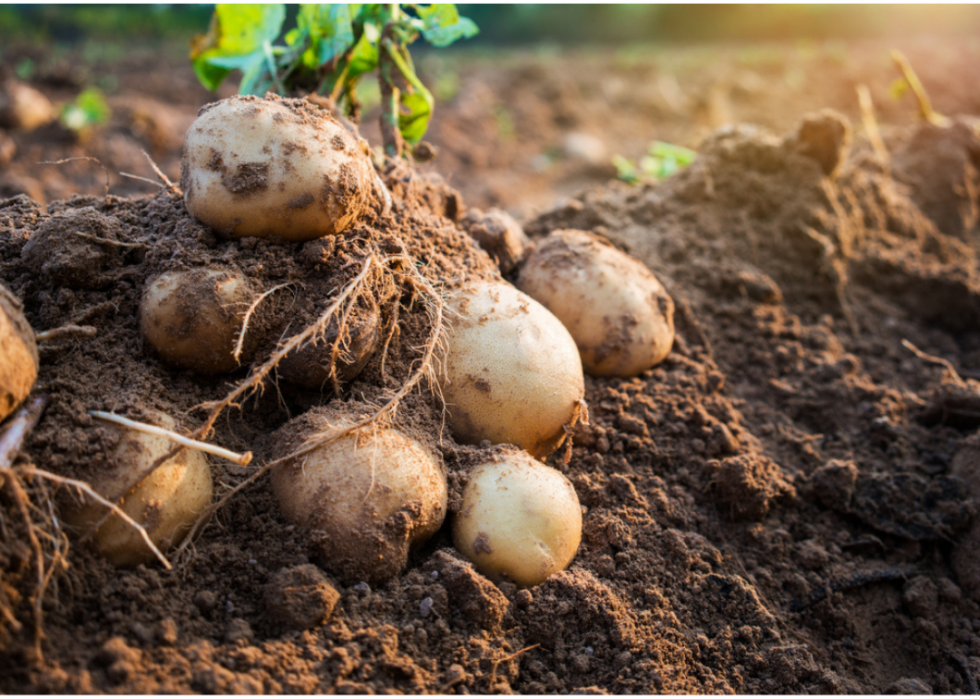
- Potato: 620 mg per 5.3-ounce serving (13.2% of daily value)
- Banana: 375 mg per 4-ounce serving (8.0% of daily value)
- Romaine lettuce: 253 mg per 3.5-ounce serving (5.4% of daily value)
The element potassium works in tandem with sodium to regulate the levels of fluids in the body. Potassium also . While bananas are often heralded as the best source of potassium, potatoes actually contain more per serving. However, due to their and unhealthy preparation methods, it might be better to skip the spuds in favor of dark, leafy greens like romaine lettuce. Romaine has the additional benefits of being low in calories, high in fiber, and great for .
Vitamin C
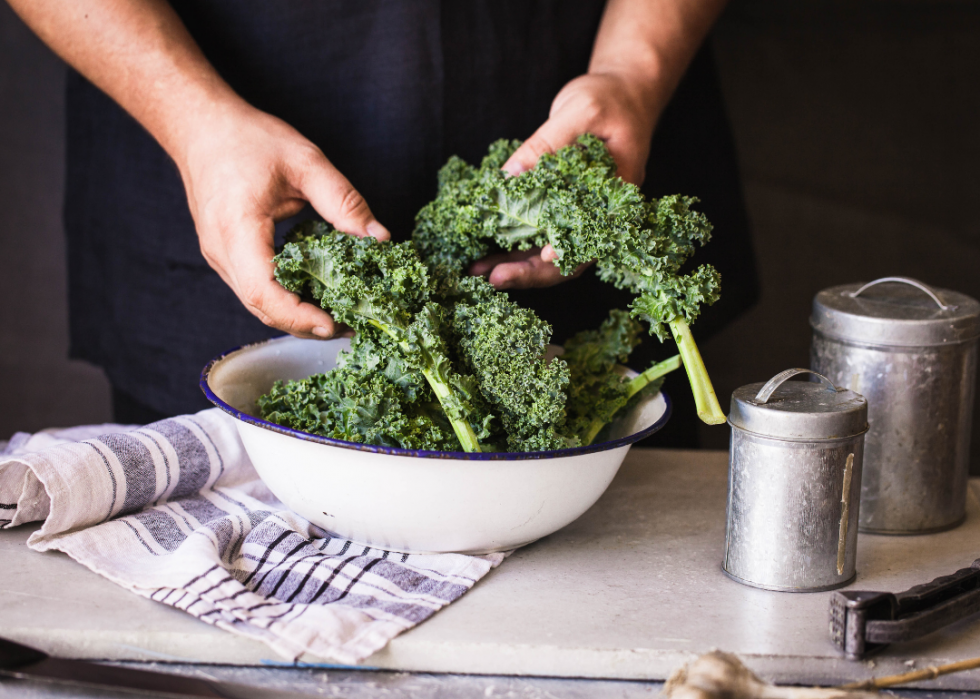
- Kale: 93.4 mg per 3.5-ounce serving (103.8% of daily value)
- Broccoli: 91.3 mg per 3.5-ounce serving (101.4% of daily value)
- Navel orange: 82.7 mg per 4.9-ounce serving (91.9% of daily value)
Vitamin C (also known as ascorbic acid) is known for its immune-boosting properties. This antioxidant while helping to heal wounds and control infections. The full recommended daily allowance of vitamin C can be obtained from one serving of kale or broccoli. Both vegetables are the same , as are cabbage, cauliflower, brussels sprouts, collard greens, and kohlrabi. The upper tolerable intake level of vitamin C is 2,000 mg per day, so unless you plan on eating several dozen oranges, there鈥檚 no worry about consuming too much.
Selenium
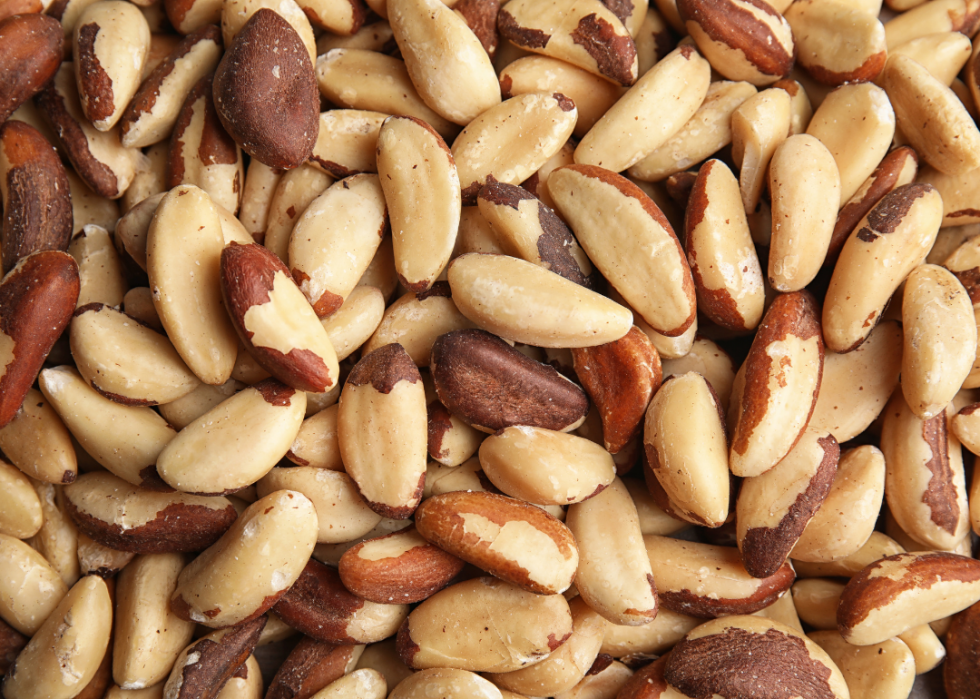
- Brazil nuts: 0.544 mg per 1-ounce serving (989.1% of daily value)
- Sunflower seeds: 0.023 mg per 1-ounce serving (41.8% of daily value)
- Mustard: 0.00612 mg per 0.6-ounce serving (11.1% of daily value)
Only of selenium are required by the body, but without it, metabolism would be difficult and thyroid function would diminish. Selenium is an antioxidant that can reduce the caused by smoking, alcohol, and a stressful lifestyle. Oxidative stress causes heart disease, cancer, and Alzheimer鈥檚 disease. One or two Brazil nuts will easily meet the daily requirements of this vital nutrient. Brazil nuts are that grow in shells that look like coconuts, with 10 to 20 Brazil nuts inside.
Protein
- Vital wheat gluten: 21 g per 1-ounce serving (42.0% of daily value)
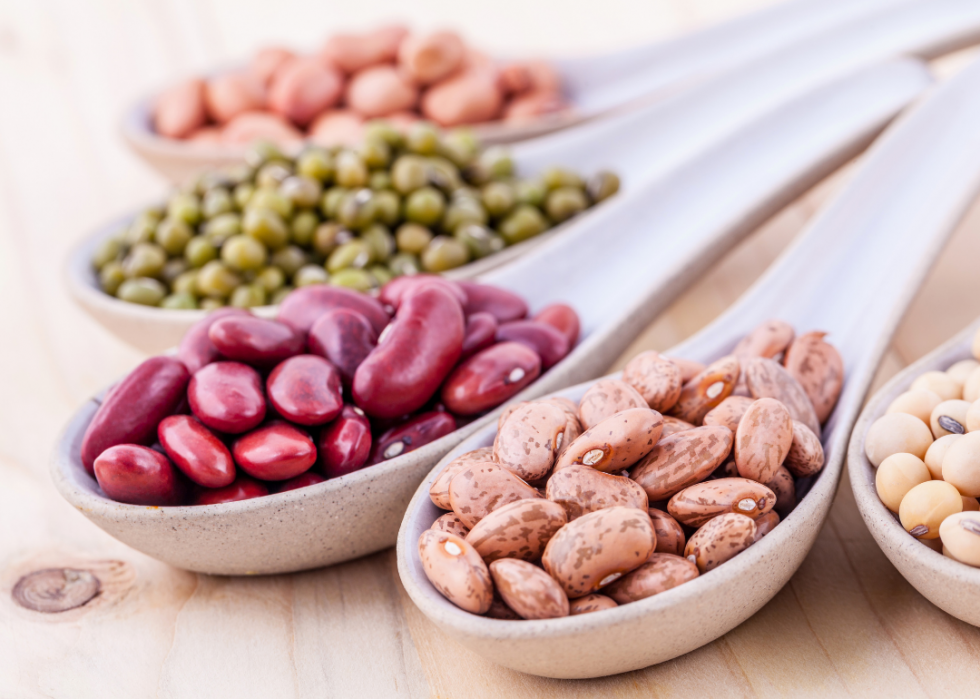
- Beans: 15.2 g per 2-ounce serving (30.4% of daily value)
- Peanut butter: 7.2 g per 1-ounce serving (14.4% of daily value)
In the United States, many people consume more than the recommended amount of protein per day, which is about of body weight. Protein is made of over 20 amino acids and is found in all parts of the body, from muscles to hair, skin, and bones. (commonly known as seitan), is low-carb, fat-free, and commonly used as a ground meat substitute in dishes or seasoned and prepared as a main dish. It originated in ancient China, where it is still commonly eaten today.
Zinc
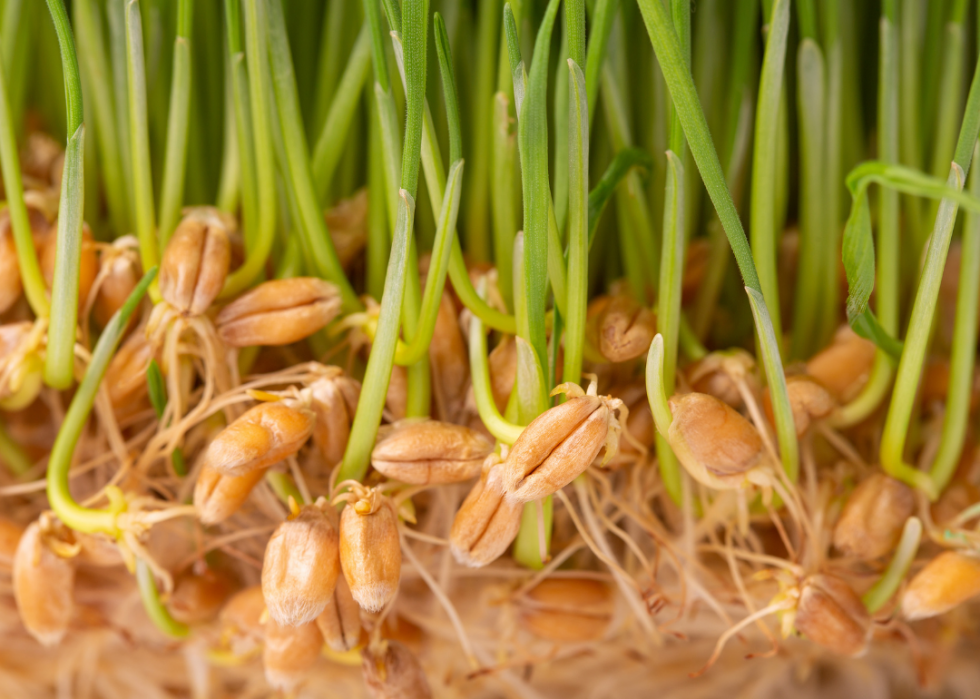
- Wheat germ: 4.73 mg per 1-ounce serving (43.0% of daily value)
- Hemp seeds: 2.77 mg per 1-ounce serving (25.2% of daily value)
- Cashews: 1.61 mg per 1-ounce serving (14.6% of daily value)
Zinc helps the body grow cells, make DNA, build proteins, and heal from illness and injury. Zinc is especially important during because of its role in cell growth. While some throat lozenges and nasal sprays contain zinc, the FDA doesn鈥檛 recommend them as they can lead to the . Instead, it鈥檚 possible to get all the required zinc from food sources like , which can be sprinkled on yogurt or cereal or used as a substitute for breadcrumbs. Hemp seeds, which come from the cannabis plant but do not have psychoactive properties, are also an excellent source of zinc.
Fiber
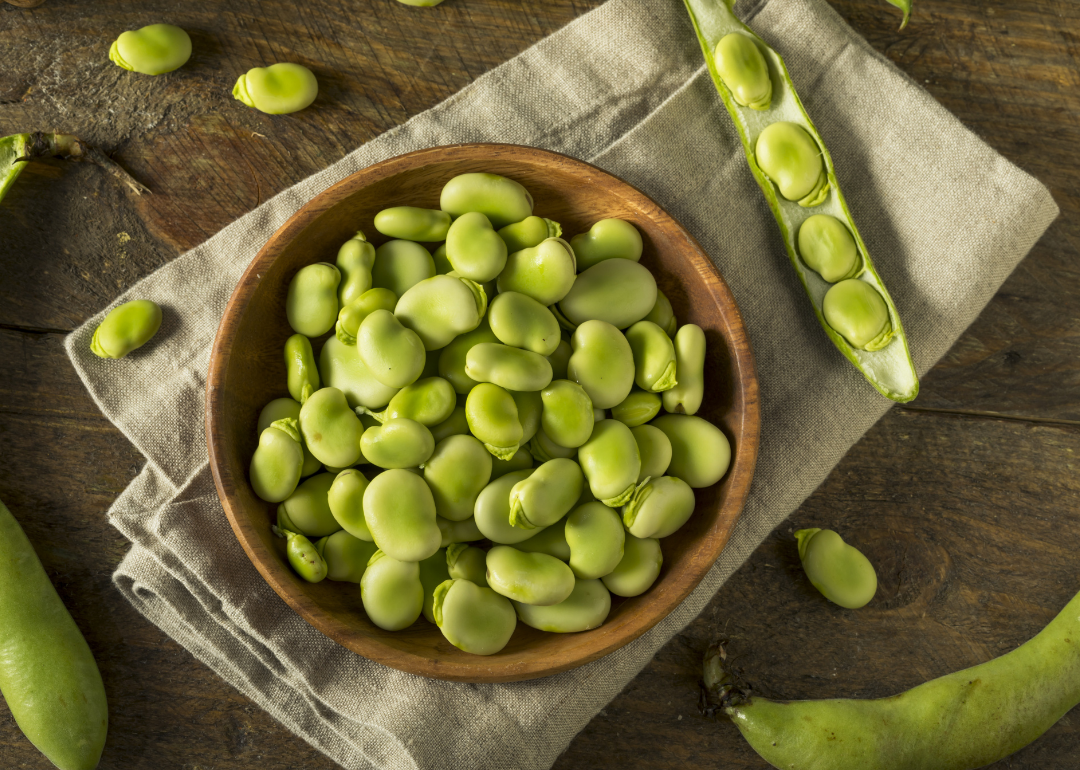
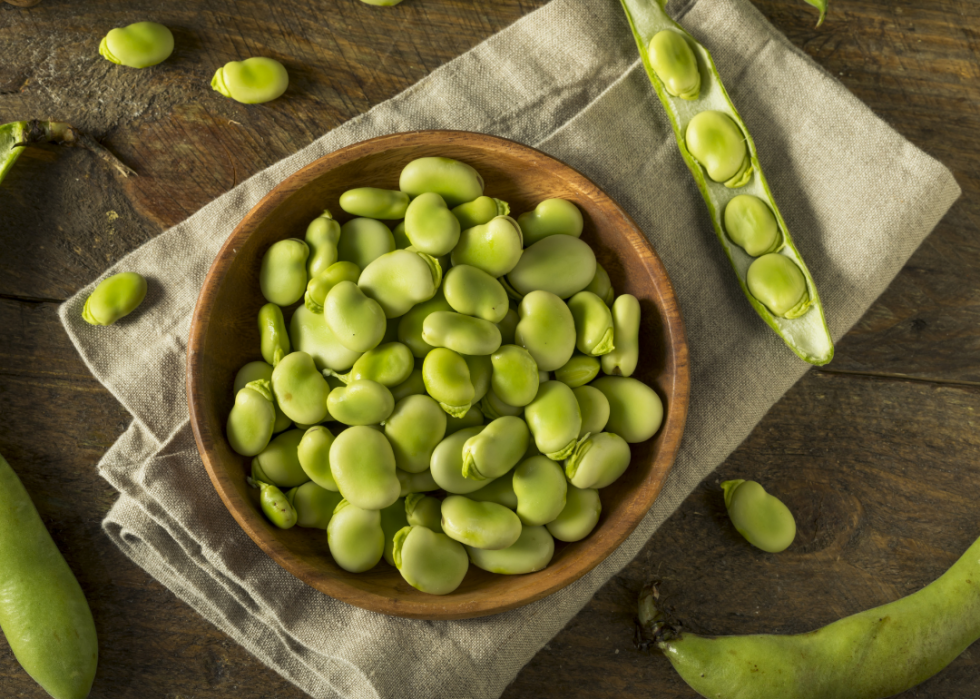
- Fava beans: 33 g per 2-ounce serving (117.9% of daily value)
- Peas: 22.2 g per 3.5-ounce serving (79.3% of daily value)
- Wood ear mushrooms: 20 g per 1-ounce serving (71.4% of daily value)
reduces risks for certain cancers, diabetes, and heart disease. , like that found in fava beans and peas, lowers cholesterol and glucose levels. Insoluble fiber, which is found in nuts, vegetables, and whole wheat, promotes a healthy digestive system. In addition to fiber, also have antioxidant properties, selenium, and magnesium. A high-fiber diet can and help control blood sugar levels.
Vitamin K
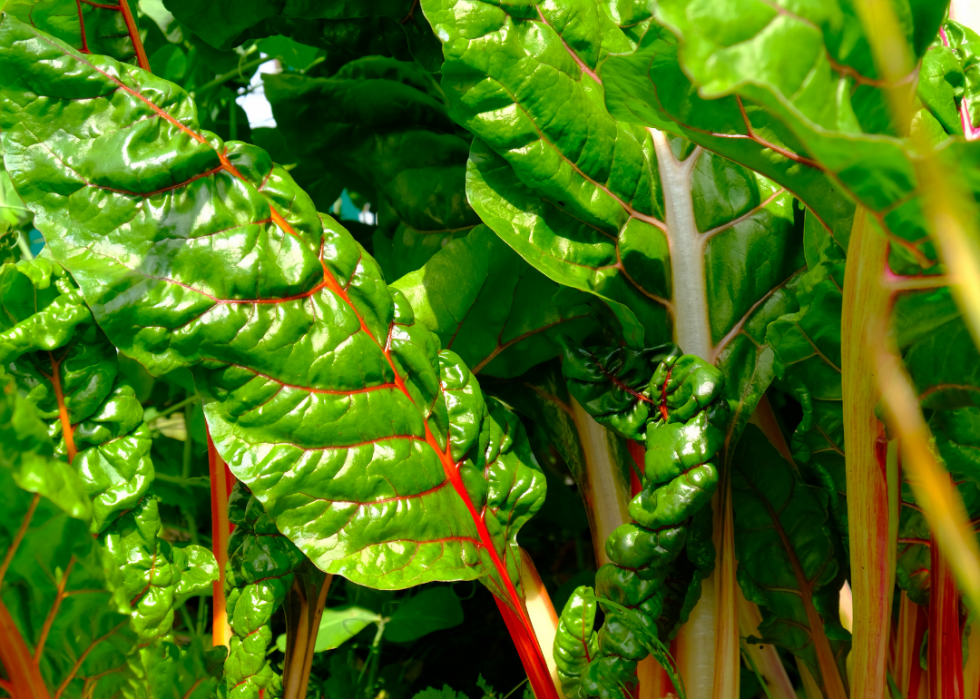
- Chard: 0.83 mg per 3.5-ounce serving (691.7% of daily value)
- Dandelion greens: 0.78 mg per 3.5-ounce serving (650.0% of daily value)
- Spinach: 0.48 mg per 3.5-ounce serving (400.0% of daily value)
is a fat-soluble vitamin involved in blood clotting and bone metabolism. Its main form, , is found in green leafy vegetables. Its other form, menaquinones, is found in fermented foods and made by the body. Green leafy vegetables like chard, dandelion greens, and spinach are the best sources of vitamin K. If you鈥檙e looking to , spring and fall are the best seasons to do so. Head out early in the morning and look for these growing in shady areas free of harmful chemicals. Try greens in smoothies, pestos, wraps, soups, or salads.
Manganese
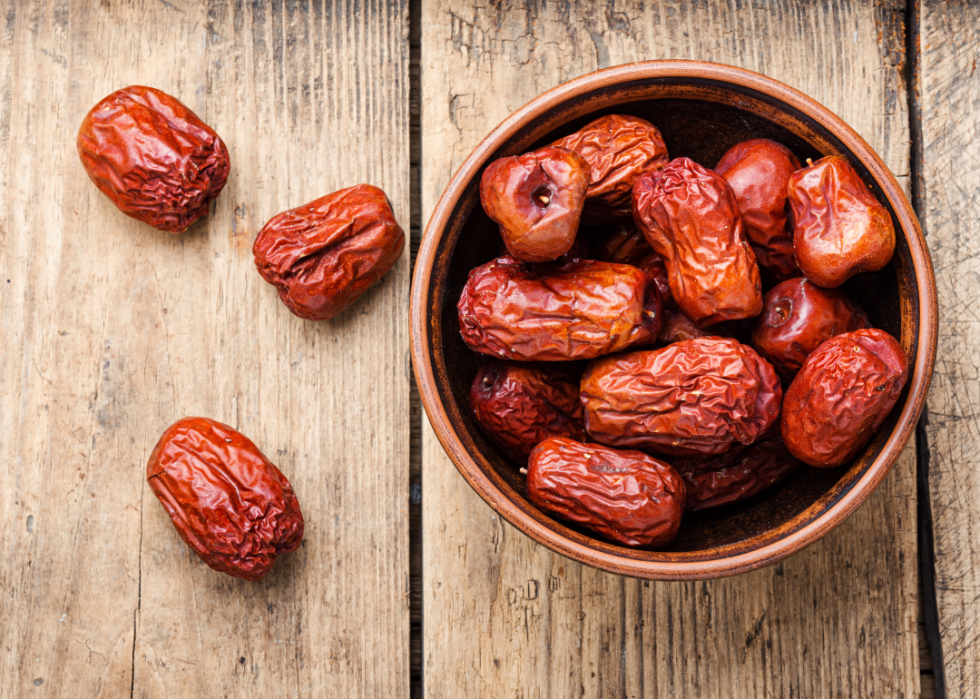
- Dried jujube: 17.7 mg per 2-ounce serving (769.6% of daily value)
- Garbanzo beans, dried: 12.17 mg per 2-ounce serving (529.1% of daily value)
- Hazelnuts: 3.5 mg per 1-ounce serving (152.2% of daily value)
is an antioxidant that plays a role in metabolism and bone formation. Found in nuts, teas, whole grains, vegetables, and legumes, it鈥檚 particularly prevalent in dried jujube, (aka Chinese dates). Jujube is one of the world鈥檚 oldest cultivated fruits, dating back . They can be eaten on their own or as part of a salad, smoothie, or . Garbanzo beans (also called chickpeas) are another good source of manganese and can be , from hummus and falafel to curries, soups, and salads.