15 terms you might see when looking at your medical records and what they mean
This story originally appeared on Guava Health and was produced and distributed in partnership with 麻豆原创 Studio.
15 terms you might see when looking at your medical records and what they mean
While the past year has offered a daily deluge of medical news since the onset of the COVID-19 pandemic, appears to have flown under the radar: A new U.S. federal policy that requires medical providers to make your medical records easily available to you, with a related fine if they don鈥檛. Much of this information was technically available before, but with the way the U.S. health care system works, they could be very tough to find.
This means you may find yourself peeking behind the curtain at some of your doctor鈥檚 own notes and detailed summaries in a way you didn鈥檛 before. The records may be loaded with confusing terms or jargon, most of which is designed for medical providers who are communicating with one another. The goal isn鈥檛 to be difficult, but you may want some help understanding some key terms.
compiled a list of 15 terms that can show up on a patient鈥檚 medical records, defined what they mean, and explained what can be covered under those terms, using information from doctors, health journals, and other medical experts. While you may still have questions you鈥檒l want to ask your doctor, this list will hopefully help make you a lot more confident in reading over your own medical records after your next visit.
Past medical history
Your doctor, especially a new doctor, will showing your allergies, past illnesses and surgeries, and any medications you have taken or are still taking. Additionally, this will often include your family history of major illnesses, as there are genetic factors that can be passed down generationally. The purpose of the medical history is to help your doctor understand how any other factors may influence the reason for your visit.
Social history
Your is usually a subset of the general medical history that also includes past illnesses and conditions. Questions will likely cover issues like legal and illegal drug use, sexual history and behaviors, and even as specific as what your career is鈥攁ll factors that could have implications for any treatments you need. A lifelong smoker with a hacking cough has a different patient profile than someone who has never touched a cigarette鈥攂oth should receive the best individual care.
Allergies
During your medical history, your doctor will . This should include any medications, of course, but may also include 鈥渞egular stuff鈥 like lactose or eggs. Both of these food-related substances are commonly used in medicines and can cause reactions for those with serious allergies. Ultimately, the goal of the allergy write-up is to make sure you don鈥檛 take medications you鈥檙e allergic to.
Immunizations
Immunizations, or vaccines, are an important part of your medical history. For young children, this information is vital to make sure kids are up to date on their necessary childhood vaccines. For adults, it鈥檚 still important to find out case-by-case vaccines like for tetanus infections, as well as the availability of ones like the HPV vaccine where eligibility changes by age.
Recently completed tests
Any medical facility should have a list of the tests you鈥檝e recently had done as a form of recordkeeping as well as part of your medical history. This helps your doctors ensure they鈥檙e not ordering duplicate tests and also makes them aware of results that should be available to them as part of your record. Test results can also explain why particular medications or procedures were prescribed.
Root terms
Root terms often refer to an organ, tissue, or condition. Many medical words are put together from pieces that date back to ancient Greek or Latin. The term 鈥渢ension,鈥 like hypertension and hypotension, refers to blood pressure. You may see -algia, meaning pain, in terms like neuralgia and fibromyalgia. The root -ema, meaning blood, is found in terms like edema or anemia.
Prefixes or suffixes describe the root
Hyper- and hypo- are commonly used prefixes in the medical world. Hyper- means above or high, while hypo- means below or low. Hypoglycemia, for instance, refers to low blood sugar, compared with hypertension, which means high blood pressure. Hypo- also shows up in terms like 鈥渉ypodermic,鈥 which refer to needles that go under the skin, whereas 鈥渉ypothesis鈥 means under consideration.
Procedure notes
document a series of facts and observations related to procedures you鈥檝e had, like getting stitches or having an endoscopy. The doctor will likely note what led to the procedure, any tests or other indications that are relevant, and how the procedure itself actually went. The notes will also include logistical things like who did the procedure and where and when.
Progress notes
Progress notes are usually related to hospitalizations over a period of days. The notes will reflect changes in the patient鈥檚 condition, which is especially important when the patient is recovering from surgery, for example. The progress notes are also a way for a team of multiple medical professionals to check in with each other鈥檚 observations about a patient.
Visit summary
The visit summary includes basic details of your visit with a doctor or health care provider. It should include what the purpose of the visit was, what was discussed, and any procedures or medications that should follow the visit. In contrast with , the visit summary is designed to be read by the patient, so it should explain things more plainly.
CPT code
The system of is a way for everyone from doctors and nurses all the way to insurance providers to ensure they know exactly which procedures have been done. Much like the Dewey Decimal System used in libraries, medical providers use CPT codes to keep clear and concise records everyone involved can easily interpret.
Reference range (lab results)
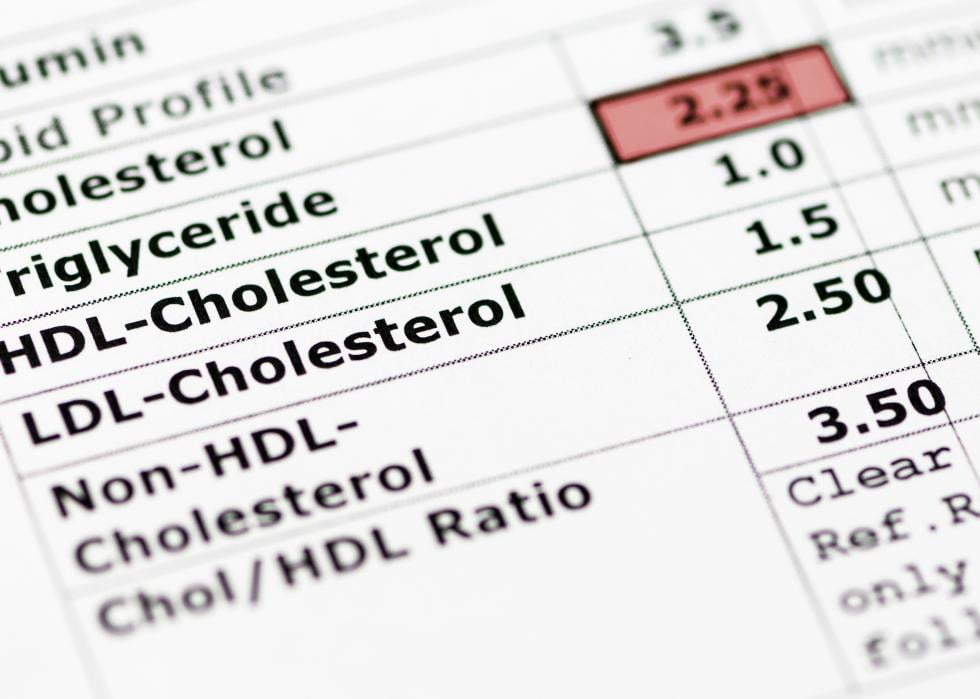
For many medical tests, the results are dynamic and don鈥檛 directly correspond to something like a percentage. You鈥檒l receive raw numbers representing your cholesterol or blood sugar or whatever else. The reference range is a set of values given to you as a frame of reference to help you understand your results, like the 鈥渉ealthy range鈥 of outcomes for a test.
Lipid panel: LDL vs. HDL
Low-density lipoprotein (LDL) and high-density lipoprotein (HDL) are measured by a standard lipid panel. HDL is the 鈥済ood鈥 cholesterol, with higher values that correspond with a lowered risk of cardiovascular disease and stroke. HDLs clear from the body through your liver, which is designed to process fats. LDLs, the 鈥渂ad鈥 cholesterol, instead deposit in your arteries and can lead to heart disease.
Complete blood count (CBC)
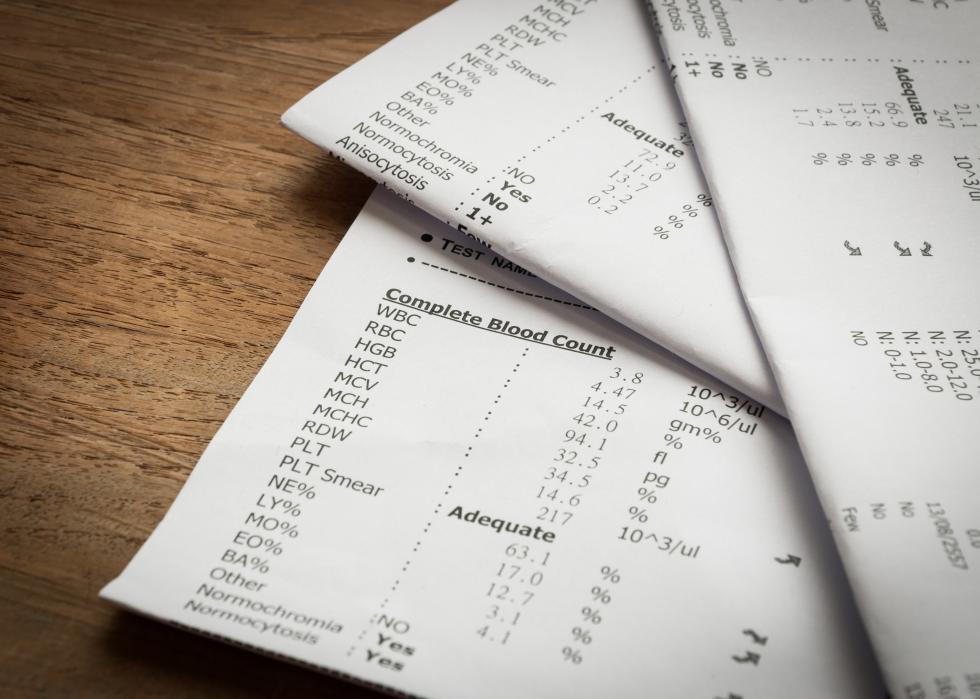
A is just what it sounds like: a medical survey of all the different parts that make up your blood, each with possible causes that should be evaluated afterward. The items measured include red and white blood cells as well as hemoglobin and platelets. Elevated white blood cells, which are responsible for fighting off disease, can indicate underlying conditions like cancer.
Basic metabolic panel (BMP)
While the complete blood count measures the materials that physically make up your blood, the measures eight substances that are diluted in your blood. These include glucose, or blood sugar, as well as electrolytes and waste products like urea. The basic metabolic panel can help doctors point toward issues like high blood pressure, kidney disease, or diabetes.