How to avoid Facebook Marketplace scams
How to avoid Facebook Marketplace scams
In 2023, Facebook Marketplace attracted up to online shoppers per month, and Marketplace usership is still growing. When you’ve got that many largely unregulated, peer-to-peer deals going down, you’re bound to attract an army of scammers rubbing their grubby little hands together in the online shadows.
So, how can you avoid becoming a victim of a Facebook Marketplace scam? That’s a broad question in a broad marketplace, but put together a list of some of the most popular scams to be aware of. With online street smarts and a little help from this guide, you can navigate Facebook Marketplace with confidence — and maybe even find some share-worthy deals while you’re at it.
How Does Facebook Marketplace Work?
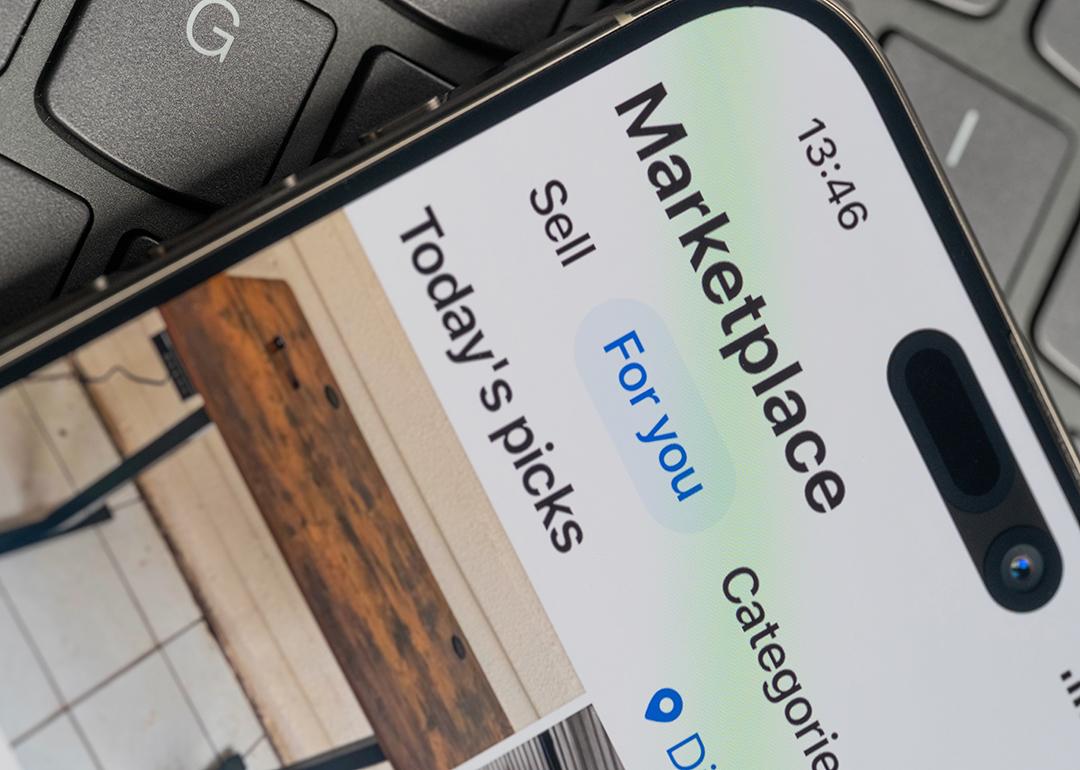
Facebook Marketplace works pretty much like any other online classifieds space, and is a competitor to sites like and — among tabs like “Groups” and “Events” on Facebook, you’ll find Marketplace, person-to-person classified ads for privately-owned items sorted into categories like “Electronics,” “Property Rentals,” “Home Goods” and more. Each ad is created and posted by the seller, with Facebook simply acting as the host, and users can search a specified radius in any U.S. locality. Buyers and sellers work out the deal and the hand-off via Facebook’s messaging system.
While Marketplace focuses on person-to-person exchanges — officially speaking, only physical products are allowed — it differentiates itself by offering , so users can buy products from anywhere in the continental United States if the seller chooses.
Of course, this opens up an extra can of scammy worms. Because Marketplace is mostly peer-to-peer, regulations are light, to say the least. Per Facebook itself, “Both buyers and sellers are responsible for things sold in a Facebook buy and sell group or on Marketplace.” only applies to certain items ordered by mail, putting the responsibility of protecting yourself as a local buyer almost fully on the individual, which is all the more reason to dive into the dos and don’ts of safely navigating Marketplace.
9 Types of Facebook Marketplace Scams
1. Counterfeit Goods
Especially when it comes to hot brands like Gucci, Apple, Prada, and Chanel, Facebook Marketplace counterfeits abound. In 2022, analytics firm Ghost Data reported operating Facebook accounts. If you’re seeing items sold at wild discounts, like than what they go for elsewhere, be wary.
2. Damaged Goods
Ideally, you should only pay a seller after you’ve had a chance to inspect the goods with your own hands and eyes. Shipping, though, is a whole new ballgame — you can’t always assess the actual condition of a product with a few JPEGs (to say nothing of some Facebook users’ photography skills), and you may receive items that don’t stack up to what you thought you purchased.
This is especially common for electronics, as scammers may intentionally sell , which you can’t test from afar, at a this-should-very-much-work type of price. While con artists may sell intentionally busted stuff, honest sellers will address your concerns and find a resolution.
3. Goods Not Received
Facebook Marketplace’s shipping option can make shopping more breezy, but the reality is that if you agree to accept delivery through the mail, you run the risk of not receiving the item at all, despite having paid for it. Thankfully, Facebook does offer purchase protection on most items purchased this way. More on that later.
4. Sketchy Giveaways…
While some legit giveaways only ask for your name and Facebook profile, others may ask for a whole form’s worth of private information, like bank account or Social Security numbers, or even passwords. That sort of info-mining smells like a phishing scam, a common type of racket that attempts to separate you from sensitive information in order to commit identity theft and access your bank accounts. If you’re unsure who you’re dealing with, running a quick can help verify someone’s identity before sharing any personal details.
5. …and Other Phishing Scams
On that note, any type of Facebook Marketplace transaction that asks you for private information is likely to be a . Local sellers don’t need your Social Security or bank account routing number to sell you a TV, and legit shippers will rely on Facebook Checkout, so you don’t need to give them any financial info directly.
6. Advance Payments
For local purchases, if a seller asks you to send payment in any way, shape, or form before you have an item in your hands – often to “secure” or “hold” the purchase of an in-demand item – that should trigger your internal alarm. The same goes for any non-local purchases that ask you to pay upfront using off-site means rather than Facebook Checkout.
7. Rental Rackets and Car Cons
In the same vein, the advance payment ripoff is particularly common in the areas of real estate rentals and vehicle purchases. These types of Facebook Marketplace scams will either insist on advance “holding” payments or ask for “security deposits” before you’ve ever seen the property or vehicle. They may also phish for valuable private info under the guise of a “background check.”
8. Extra Charges
It goes without saying that an in-person deal should only cost what you and the seller agree upon. For buying Marketplace stuff by mail, that’s even more true; items purchased via Facebook Checkout should only include the cost of the product and shipping. “Insurance” and other extra charges are bogus attempts to dip into your pockets.
9. “Verification” Codes
If a seller wants to send you a code via text message to “verify your identity,” you’re looking at a Facebook Marketplace scam. What’s happening here is that the sketchy seller is trying to get your phone number in order to set up a Google Voice account that they can then use to scam and phish others without putting their own number at risk. This one may not immediately drain money from your bank account, but it can lead to trouble for you and other victims down the line.
Watch Out for These Red Flags
From counterfeit stuff to phishing attempts, there’s a whole spectrum of signals that should set off the Facebook Marketplace scam siren. Right off the bat, be aware of these nearly universal red flags:
- Services, animals, and healthcare products for sale. Per official Facebook Marketplace rules, these are a no-go.
- Prices that seem too good to be true on luxury items. Likewise, for rentals that are way below market rates.
- Similarly, multiple posts of the same item using the same picture across different locations is a big red flag. Click the seller’s profile to peep their other listings before committing.
- Sellers asking you to take the conversation off-site. That’s a big red flag for a phishing shakedown; don’t do it.
- Sellers asking for additional charges outside of shipping.
- . Smart scammers don’t want to divulge their true identities on social media, so keep your eyes peeled for brand-new seller profiles with few friends, fake-looking photos, or inconsistent profile info.
- Sellers getting too personal or divulging sob stories during your DM exchange is often the first sign of a phishing scam.
Ways to Stay Safe
So, at the end of the day, is Facebook Marketplace safe? It can be if you protect yourself with a few common-sense steps, starting with these scam-proof staples:
- Only purchase shipped items using Facebook Checkout.
- Meet local sellers in a public, populated place. Avoid going into a seller’s home or inviting them into yours. Take your goods home unassisted by the seller, and bring a friend or family member with you for pick-ups if you can.
- Inspect your goods thoroughly in person, or request additional photos if you’re unsure about a shipped purchase.
- Don’t send advance payments for local items.
- Never pay with gift cards. Scammers often request this form of payment because it’s not easily traceable, meaning if you get scammed this way, you’re plain out of luck.
- If you're considering a high-value purchase or rental, consider doing a quick on the seller to make sure everything adds up.
What To Do If You Get Scammed
Local Transactions
Because Facebook places virtually all responsibility on the individuals in a local Marketplace transaction, there’s not much you can do if the worst happens. First, you can if you believe you’ve been scammed. This may result in the seller being banned from Marketplace, but it won’t get your money back. The short of is that local transactions simply aren’t covered by any form of Facebook’s purchase protection, though you can of course notify your local police if you believe a crime was committed, and report scams that you think may be repeated to the FTC via their free website.
You can also on Facebook, whether you purchased them in person or by mail. Speaking of…
Purchases By Mail
If you’ve been the victim of a Facebook Marketplace scam involving shipped (or, in this case, maybe unshipped) items, you’ve got a little more leeway for getting your money back. When you purchase an item using Facebook Checkout (i.e. not peer-to-peer payment methods like PayPal, Venmo, or cash), Facebook includes Purchase Protection automatically on eligible items (most everything but vehicles, rentals, services, and orders over $2,000).
In this case, you can file a with Facebook if you didn’t receive your order, if the item arrived damaged or differently than described, if the seller didn’t honor a promised refund, if the purchase was unauthorized, or if the seller has been banned. After reviewing the claim, and possibly requesting more info or reaching out to the seller along the way, Facebook may offer you a full refund. Alternatively, your bank may cover you for fraudulent purchases on your debit or credit card.
was produced by and reviewed and distributed by Â鶹ԭ´´.