The 8 fastest growing small businesses in food, restaurants and beverages for 2026
The 8 fastest growing small businesses in food, restaurants and beverages for 2026
From functional foods to global flavors, the U.S. food and beverage landscape is shifting fast, driven by wellness, cultural exploration and changing consumer expectations. For entrepreneurs, these changes aren’t just trends; they’re opportunities to build businesses and fill a niche.
Across restaurants, packaged goods, catering and specialty retail, small businesses are leading the charge. compiled a list of the fastest-growing restaurants, food and beverage business types for 2026.
1. Functional foods and personalized nutrition take center stage
continue to gain momentum as more people look for everyday meals and snacks that support their health. Gut-healthy kombucha, probiotic chips, adaptogenic drinks and nutrient-dense smoothie kits are now part of many shoppers’ routines — and small food businesses are helping drive that shift.
A subset of this trend is (also called precision nutrition), which tailors a diet to an individual’s unique health needs or goals. This could be customized meal plans, tailored nutrition supplements, or products for specific conditions like diabetes or low energy.
If you run a restaurant or café, you can tap into the functional food trend with a health-focused menu. For example, create build-your-own bowls and salads let diners tailor meals to their goals, from low-glycemic to gut-friendly. You can even partner with nutritionists to develop dishes aimed at goals like energy boosts, weight management or digestive support.
Recent insights from the point to ongoing functional food opportunities in customizable snacks, AI-supported nutrition apps and foods designed around specific wellness benefits — areas where small businesses can innovate quickly.
2. Meal and snack businesses supporting GLP-1 consumers
With roughly adults now using GLP-1 medications like Wegovy, Ozempic and Mounjaro, the way people eat is shifting — and fast. As appetite decreases and nutrition needs change, demand is rising for foods that support weight management and blood-sugar control. For small businesses, this is one of the clearest new food opportunities.
Major . Nestlé launched its Vital Pursuit line of high-protein, GLP-1 friendly meals, and Conagra rolled out an “On Track” badge on Healthy Choice meals to signal high-protein options for this audience.
Restaurants feel the impact, too. say they’re spending less when eating out because their medication reduces appetite. Adding more high-protein dishes, fiber-rich sides and flexible portion sizes can help restaurants meet these changing preferences.
Small food businesses can go further by offering low-glycemic meal kits, portion-controlled snacks and delivery programs built around slow-digesting, blood-sugar-friendly ingredients. As trend analyst says, “While probiotic and prebiotic fiber has been trending in food and drink for years, as with sodas like Olipop and Poppi, some indie brands with stated fiber benefits are taking advantage of the rise in weight loss drugs to propose their products as a more natural alternative.”
continue to perform well — and because GLP-1 users overall, retailers may want to rethink merchandising or feature more targeted grab-and-go options.
3. Global flavors go mainstream
Global flavors continue to shape what Americans are cooking, buying and craving. Diners want bolder, more layered tastes — often inspired by Korean, Japanese, Indian and Southeast Asian cuisines — and small food businesses are in a perfect position to lead the way.
The (sweet + spicy) is still going strong, driven by the rise of international chili varieties. As Nielsen says “[New chiles are] testing palates but also increasing consumer understanding and appreciation for the wide world of chile peppers.” People are looking beyond traditional hot sauce and reaching for gochugaru, Calabrian chilis, aji amarillo and Sichuan peppercorns.
And it’s not just spice. A wave of global pantry staples is entering the mainstream. Indian curries, miso, gochujang, kimchi, furikake, black sesame, matcha, tamarind, and yuzu are showing up in snacks, sauces, pastries and beverages. The National Restaurant Association’s suggests wellness is fueling this shift as consumers look to boost flavor without sacrificing nutrition.
This means there’s an opportunity for business owners to take familiar formats and make them stand out with international flavors — a low-barrier way to offer something new and memorable.
These ingredients bring comfort for some diners and discovery for others, which is where creative entrepreneurs thrive. Think Korean-inspired condiments, matcha beverages, Japanese-style savory snacks or Indian-spiced meal kits.
4. Bakery tourism and the hunt for viral pastries
A new kind of food tourism is taking off led by Gen Z and Millennials: . Instead of sightseeing and visiting bars, many travelers now plan trips — or at least weekend detours — around hard-to-find pastries and the bakeries that make them. Social platforms have turned standout baked goods into destinations, inspiring long lines, limited drops and pilgrimages for the perfect bite.
Some Latino bakeries draw crowds with , while Scandinavian shops pull in visitors with and . Asian bakeries continue to dominate the viral landscape with the viral Japanese cream sandwich, and other inventive pastries. Even luxury fashion has taken notice — Louis Vuitton released a , showing just how deeply these treats have saturated pop culture.
This surge in bakery tourism also ties into a broader trend where consumers are willing to pay more for products that feel luxurious or one-of-a-kind. In food and beverage — both foodservice and CPG — premiumization is about elevating a product’s perceived worth through quality, storytelling or unique experiences. Circana reports that premium brands saw a in 2025 versus 2024. Even with higher price points, consumers will “trade down” in other categories so they can still splurge on favorite premium items.
This mentality aligns with results from a Dawn Foods survey: are willing to pay a slight premium for more sustainable sweet baked goods that deliver on flavor and visual impact. Consumers, especially younger ones, are willing to pay more for something that feels special.
For small bakery owners, a distinctive signature item can become both a premium offering and a destination in itself, drawing locals and travelers looking for their next standout bite.
5. Sourdough is on the rise — again
Sourdough may have , but it’s still going strong, and evolving. What began as a home-baking trend has grown into a full bakery movement, with sourdough showing up in everything from classic boules to bagels, croissants and other pastries.
Part of sourdough’s staying power comes from its digestive appeal. Slow fermentation can help break down gluten and phytic acid, and many shoppers associate sourdough with improved gut health and a return to traditional methods. The category even saw a cultural bump when on the New Heights podcast, sending starter tutorials, recipe swapping and artisan loaves (, anyone?) trending once again.
For small bakeries and food entrepreneurs, sourdough offers an opportunity to leverage a trendy product. Signature loaves, breakfast pastries and ready-to-bake kits all fit the moment. Workshops and starter kits also resonate with customers who want hands-on, wellness-minded food experiences. With interest in gut-friendly, minimally processed foods rising, sourdough remains a strong opportunity for business owners looking to differentiate on craft and quality.
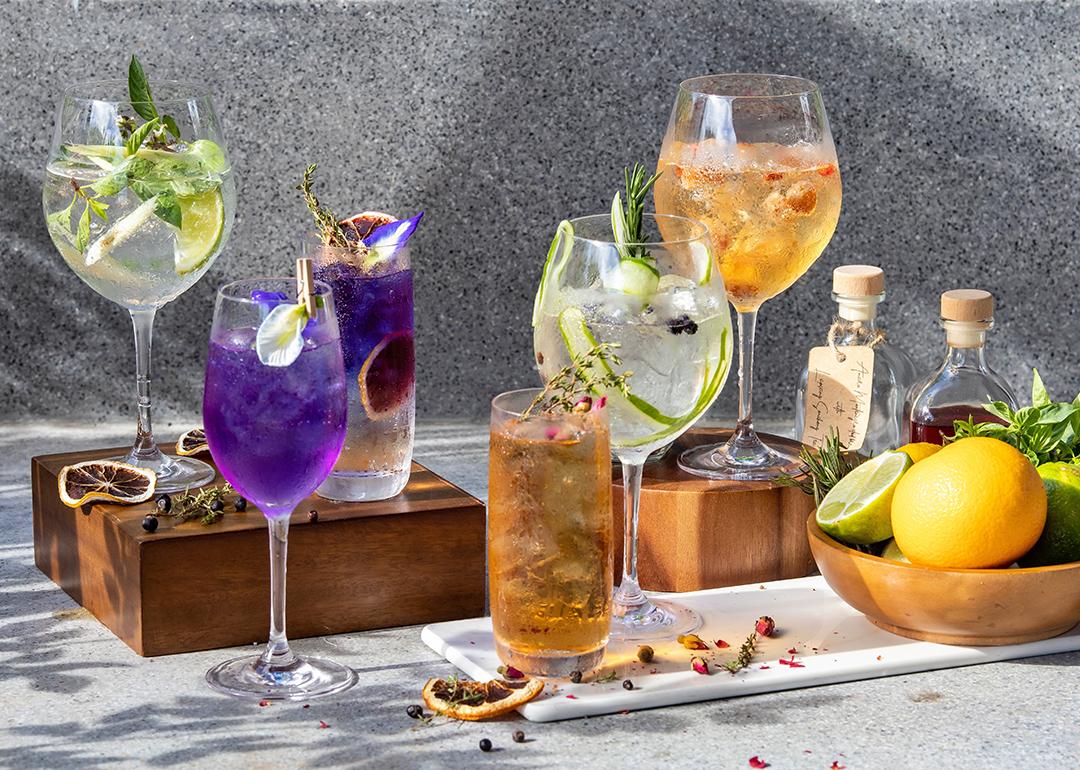
6. Spotlight on zero-proof drinks
Interest in non-alcoholic drinking keeps climbing as more people identify as “sober curious” and take part in Dry January, Sober October or simply choose to drink less year-round. Social media is still pushing the movement forward, and show Gen Z drinks less than previous generations — a shift that’s reshaping bar menus, retail shelves and even at-home entertaining.
As wellness becomes a bigger part of dining culture, alcohol-free options are . Complex mocktails and craft zero-proof spirits have become staples because guests want something that feels celebratory, not like a consolation prize.
, and even airlines are expanding their zero-proof menus with alcohol-free beer, wine, and fresh-ingredient mocktails. DoorDash reports strong demand: say they’ve ordered low- or no-alcohol drinks alongside alcohol — yet 32% still say menus don’t offer enough choices.
This shift is also giving rise to new business models: and are opening nationwide to serve guests who want the social experience without the hangover. Make the drink feel special, and people will show up for it — alcohol or not.
7. Sustainability and upcycled foods reshape the market
Sustainability and local sourcing remain two of the trends identified in the National Restaurant Association’s . The organization says these priorities continue to influence where customers choose to eat. Almost say they trust independent businesses more than large corporations to offer genuinely sustainable products, giving small producers a significant edge.
Interest in reducing food waste continues to grow. Large producers like are developing upcycled product lines, and — including Waitrose, Fortnum & Mason and Kroger — are stocking more upcycled snacks and pantry staples, helping introduce the category to a wider audience. As big brands normalize these products, small producers have an opportunity to stand out with creative formulations, transparent sourcing and compelling “rescued food” stories.
Sustainability and local sourcing have opened other opportunities. , for instance, help small business owners grow fresh produce in small spaces to sell directly to local restaurants, cafes or farmers markets.
8. Online catering becomes a small business powerhouse
A fast-growing opportunity for small food businesses is e-commerce catering — catering services managed entirely online. No phone tag, no on-site staff and no complicated setup. And it’s not slowing down: the online catering market is projected to grow at a , which signals long-term demand.
A big driver? Hybrid work and employee wellness. Many workplaces now cater lunch weekly, and ezCater reports that over plan to increase their catering budgets. Companies are using food to bring people back together — and back into the office — which gives small businesses a scalable way to get in front of corporate clients.
Online catering also removes a lot of the traditional barriers that made catering feel out of reach. Customers can serve offices, hybrid teams and offsite events without hiring a serving crew or investing in front-of-house operations.
For most small operators, drop-off catering is the easiest point of entry: Packaged meals delivered straight to the office, no labor required. Corporate orders offer the next level of opportunity — recurring weekly or monthly meals with larger average order sizes. And there’s plenty of room to stand out with food and beverage specialization: Plant-based menus, global flavors or dietary-specific boxes that big caterers struggle to personalize at scale.
was produced by and reviewed and distributed by Â鶹ԭ´´.