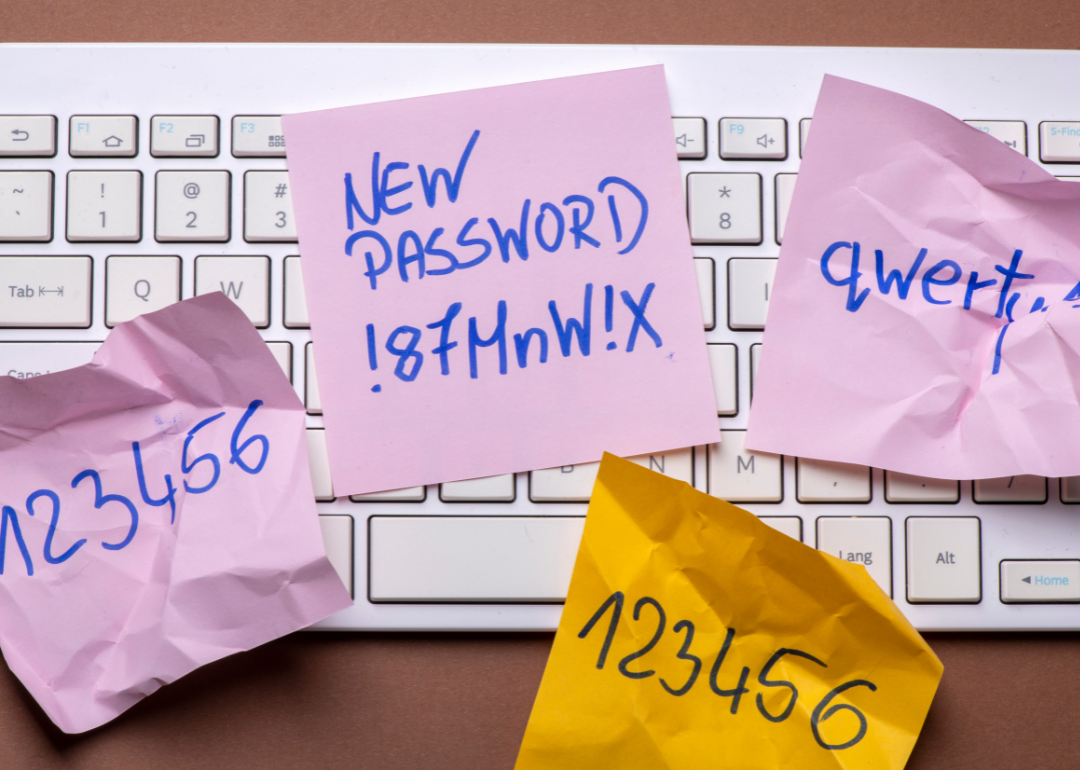
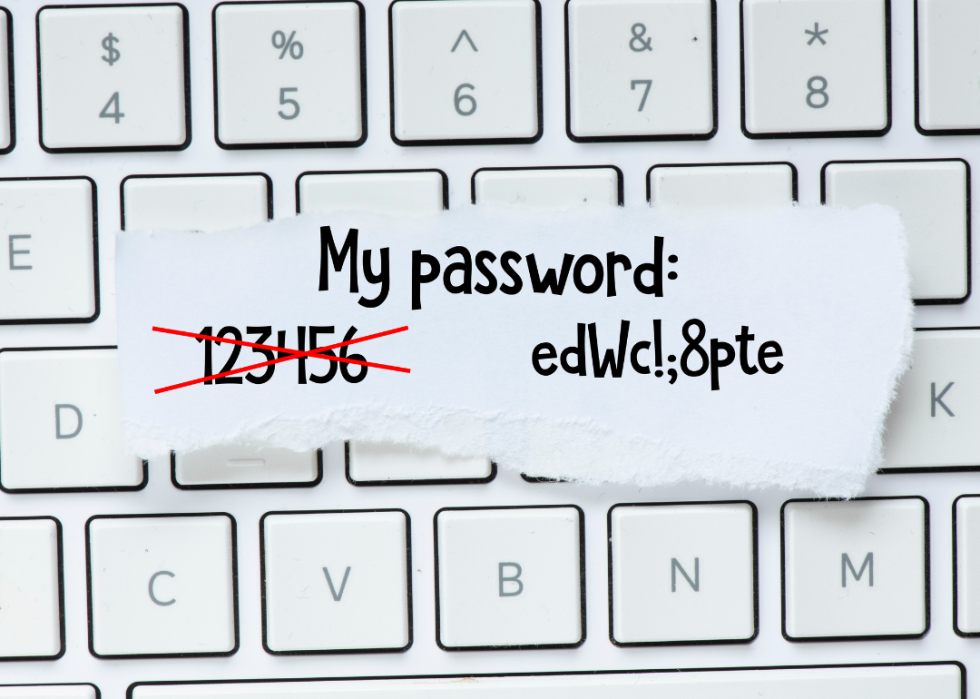
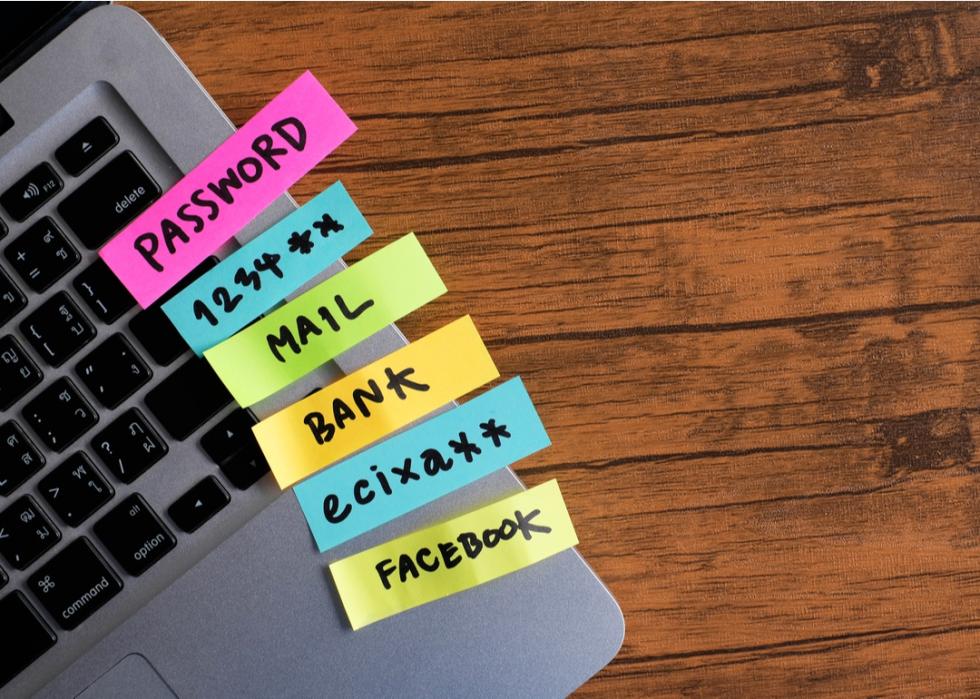
Have you ever used "123456" as a password for one of your online accounts? You might as well not have any password at all.
Today, cybercriminals are obtaining more stolen usernames and passwords than ever before. In fact, 2021 was a record year for data breaches. Almost 190 million people were victims in roughly 1,800 data breaches last year, according to the latest from the Identity Theft Resource Center. Unsure if your credentials have ever been exposed in one of the latest data breaches? provides a free tool that tells you which of your accounts have been compromised, and all you need to do is enter your email address.
analyzed a list of the 200 most common passwords in 2020, compiled by 鈥攁 project maintained by , , and . The passwords were compiled from popular lists in the security testing world.
A sizable number of the most common passwords contained nouns and many included proper nouns like names of people (Nicole, Matthew) and intellectual properties (Pok茅mon, Star Wars), as well as regular nouns (princess, monkey, baseball). If the password contained at least three consecutive characters that are adjacent on a standard U.S. keyboard (qwerty, 1234, 159753) they were counted as having a keyboard pattern. None of the most common passwords analyzed by Twingate included any symbols or special characters.
Increasingly, bad actors can access wide swaths of Americans' private information by performing what's known as "credential stuffing." happens when cybercriminals buy or reuse lists of commonly used and stolen passwords and stuff them into the login fields of websites.
Credential stuffing poses a considerable risk to both businesses and consumers because of the sheer number of Americans who reuse passwords for multiple accounts. Around 65% of U.S. adults admitted to using the same passwords across at least some鈥攊f not all鈥攚ebsites they use, according to a 2018 Google conducted by The Harris Poll.
Tech companies are developing technology that experts say could be more secure and convenient than traditional passwords. They rely on your biometric data, meaning fingerprints and facial recognition.
Until more secure measures are implemented, password managers like or are an effective way to prevent these types of attacks, but passphrases are another good alternative. A passphrase is essentially a sentence. The FBI recommends using passphrases because longer passwords take longer for criminals to crack than complex ones (for example, those that include numbers and special characters).