How are states using tax income from legal sports betting?
How are states using tax income from legal sports betting?
Sports betting is legal and operational in 33 states as well as Washington, D.C. with . How big is this enterprise? According to the American Gaming Association (AGA), commercial gaming revenue , a 13.9% increase year-over-year. How are states using the tax revenues?
In most states, the majority of revenue heads to a "General Fund." Virginia, for instance, allocates 2.5% of its sports betting revenue to programs to combat problem gambling, and the remaining . Each state is free to allocate the revenue any way they see fit, which means that some states have gotten creative in the programs and initiatives they've funded with gambling revenue.
has researched five unique programs currently being funded with gambling revenue on the state level. Initiatives range from infrastructure and water preservation to education and mental health and substance abuse programs.
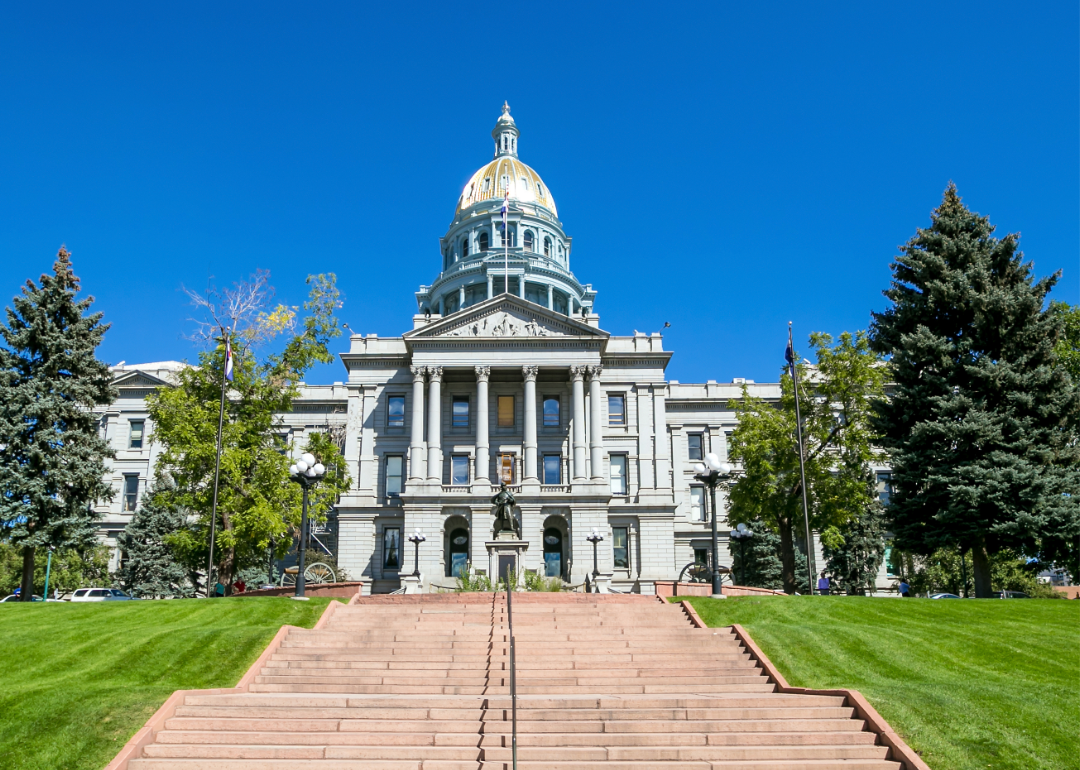
Colorado
The Rocky Mountain State is known for its natural beauty and Colorado voters were moved to protect it when they went to the polls in 2019. Voters approved sports betting in November of 2019 with a major selling point being that a portion of the tax revenue would be used to fund the . State officials predicted that sports betting would provide an average of $14.9 million per year to the water plan for the first five years, with a cap of $27.2 million a year.
The Water Plan fund makes up the largest portion of the revenue from the 10% tax on sportsbooks' net revenues. During the 2021-22 fiscal year, $12.4 million was received by the state, . The Colorado Water Plan's goal is to make the state more water resilient while .
Illinois
Sports betting in the state of Illinois has generated nearly from its launch March 2020 to October 2022. Gov. J.B. Pritzker estimated that gambling could bring in more than $100 million each year with a portion of those funds being allocated to its , which seeks to improve roads, bridges, mass transit, schools, and universities.
Senate Bill 690, which legalized sports wagering, earmarked revenues for the . The bill estimated that sports betting could generate approximately $58 million to $102 million annually thanks to a 15% tax on sports wagering receipts and an additional 2% tax for wagers placed in Cook County.
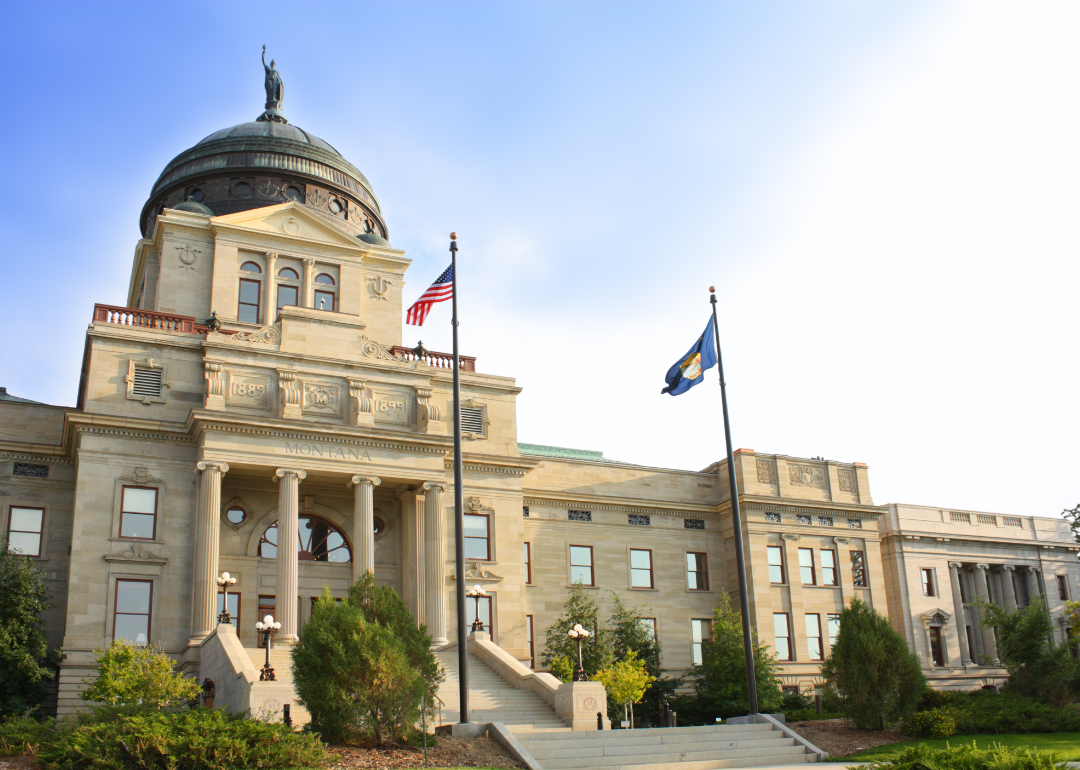
Montana
In June of 2019, Big Sky Country gave sports gambling the green light when former . This Bill gave control of sports betting to the state lottery. The state utilizes the first $12.4 million in revenue to fund its General Fund, with the excess being directed to a .
The Montana state legislature , offering $1,000 scholarships to in-state high school graduates who major in science, technology, engineering, math or health care at a Montana college. In 2020, $500,000 was added to the scholarship fund according to the .
Tennessee
The Volunteer State has collected over since sports betting operators began taking wagers in November of 2020. Betting tax revenue from sports supports education in Tennessee by funding after-school programs and scholarships. Sports betting revenue is currently channeled into a lottery education fund that supports the college scholarships.
The Tennessee Sports Wagering Act places stipulations on what the revenue could be used for in the state. The that 80% of the privilege tax revenue collected goes to the Lottery for Education Account, 15% goes to the general fund for infrastructure projects for local governments and 5% to the Tennessee Department of Mental Health and Substance Abuse for responsible gambling initiatives.
West Virginia
The Mountain State is looking out for its public employees. In 2018, the West Virginia state Senate passed an amendment that directed money from sports wagering to the stabilization fund (PEIA).
The amendment passed unanimously in 2018, but it's clear that the tax revenue from sports betting hasn't been enough to put PEIA on solid ground. Rising medical costs due to inflation and the increasing costs of prescription drugs, have pushed .
was produced by and reviewed and distributed by 麻豆原创 Media.