With record-shattering revenue, investors see a slam dunk in women's sports leagues
originally appeared on and was produced and distributed in partnership with 麻豆原创 Studio.
With record-shattering revenue, investors see a slam dunk in women's sports leagues
Women's sports are expected to bring in in revenue worldwide for the first time in history this year, quadrupling earnings of just three years ago.
A growing number of stakeholders focused on professional women's leagues in the United States are driving a surge in popularity among players and fans鈥攁nd drawing the attention of investors helping to propel teams to new heights.
analyzed team valuation data from on leagues鈥攊ncluding the National Women's Soccer League and the Women's National Basketball Association鈥攖o illustrate the impact increased ticket sales, sponsorship deals, investments, and star players has had on historically marginalized women's sports leagues.
The two leagues are relatively young and were launched decades after their male counterparts. The NBA officially came into existence in 1949 after two men's leagues formed years earlier merged into one. It wasn't until almost 50 years later in 1996 when the NBA board approved the formation of the WNBA.
That same year, men's Major League Soccer kicked off its first season in the U.S., trailing the long-established leagues of European countries. It wasn't until 2012 when the National Women's Soccer League was formed and played its first season with just eight clubs, an evolution of existing women's leagues dating back to 2001.
In its first season, the average attendance at an NWSL match was 4,200. Professional women's sports leagues were so difficult to run profitably that although Nike had been willing to supply the jerseys and game balls for that debut season, and without the typical marketing fanfare. A decade later, that number has grown to 11,000.
The public valuations of the NWSL and WNBA recently , and the ultra-wealthy have been swooping in to invest in each of them in recent years.
Investors are drawn to professional women's sports, now one of the fastest-growing industries. Profit increases due to a business model that offers a unique value proposition from that of men's professional sports leagues make it an increasingly attractive option.
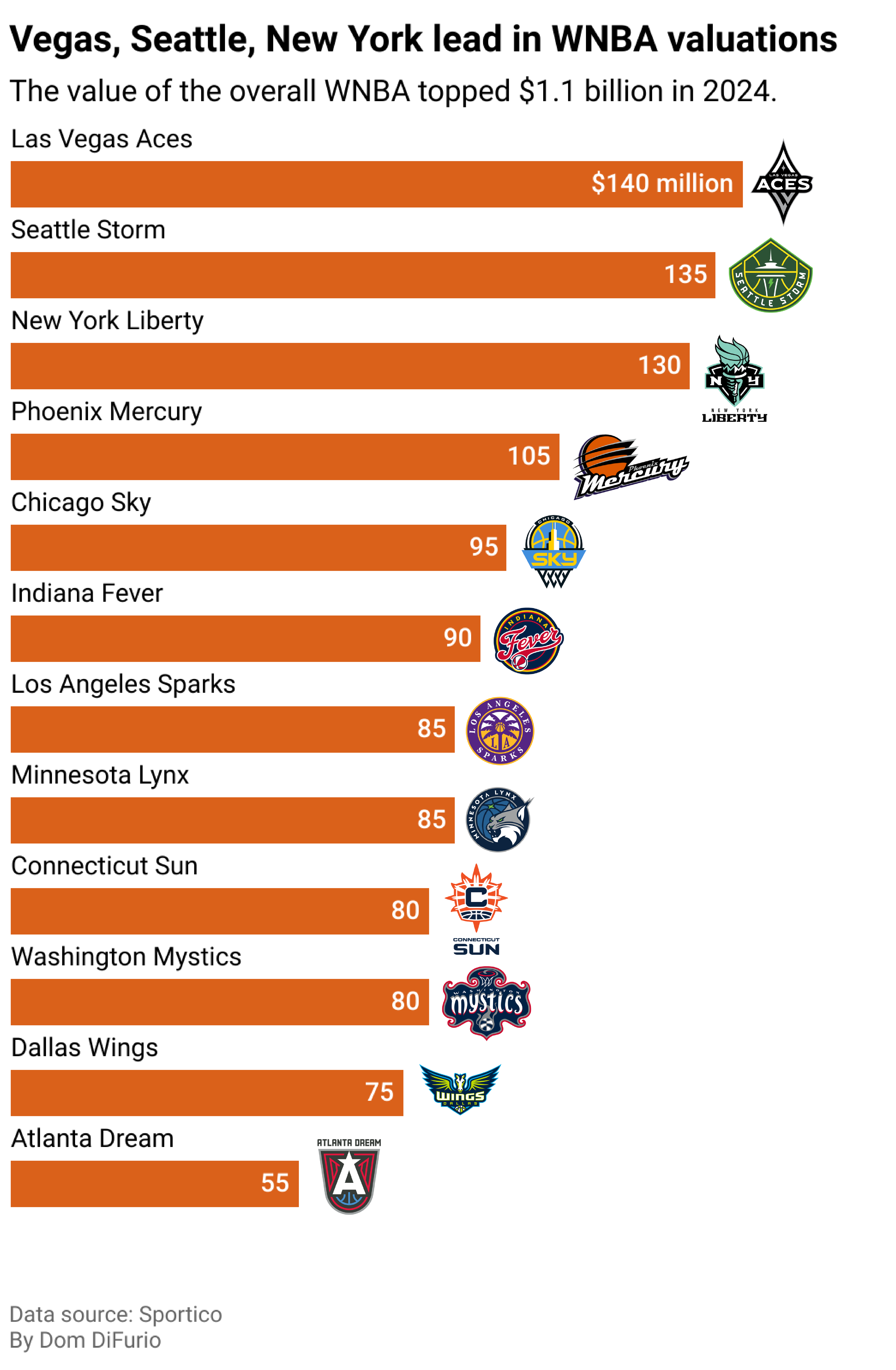
In the WNBA, higher revenues birth team expansions
In the WNBA, advertisers and sponsors have flocked to teams based on a business proposition that stands in stark contrast to men's sports leagues. In the NBA, 50% of league revenue , which provide steady financial support.
Where men's teams offer stable returns, , "albeit with greater risk," according to a 2024 S&P Global report. Sponsorships, advertising, and other investments in women's teams still cost less when compared with men's sports while providing a higher return on investment.
Fans have also been shown to be , which makes them appealing for advertisers and sponsors to invest in with marketing dollars. Women's sports fans are more likely to ' pages online and on social media, according to Nielsen. And then there's the 鈥攅levating athletes who have long been marginalized and given fewer professional opportunities to play the sports they love comes with its own rewards.
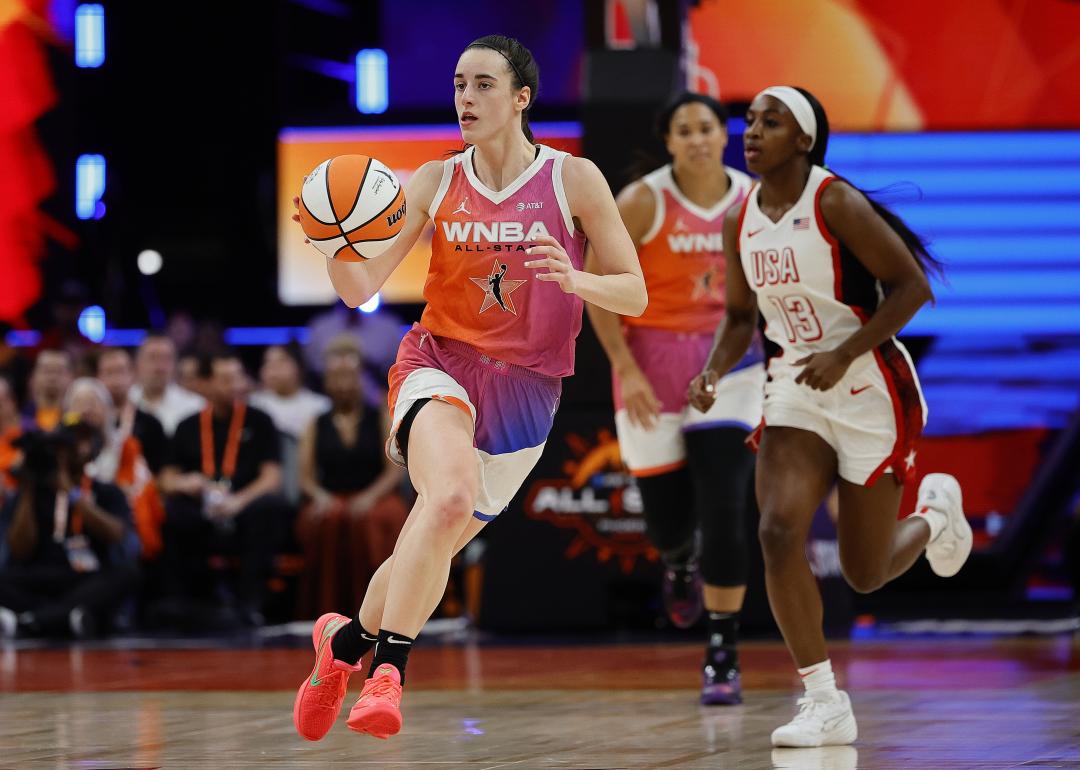
In the WNBA, rising stars like Caitlin Clark have helped . Clark, the all-time leading scorer in NCAA basketball and one of the most anticipated WNBA rookies to ever enter the league, is inspiring young women and captivating fans of all backgrounds as she now plays guard for the Indiana Fever.
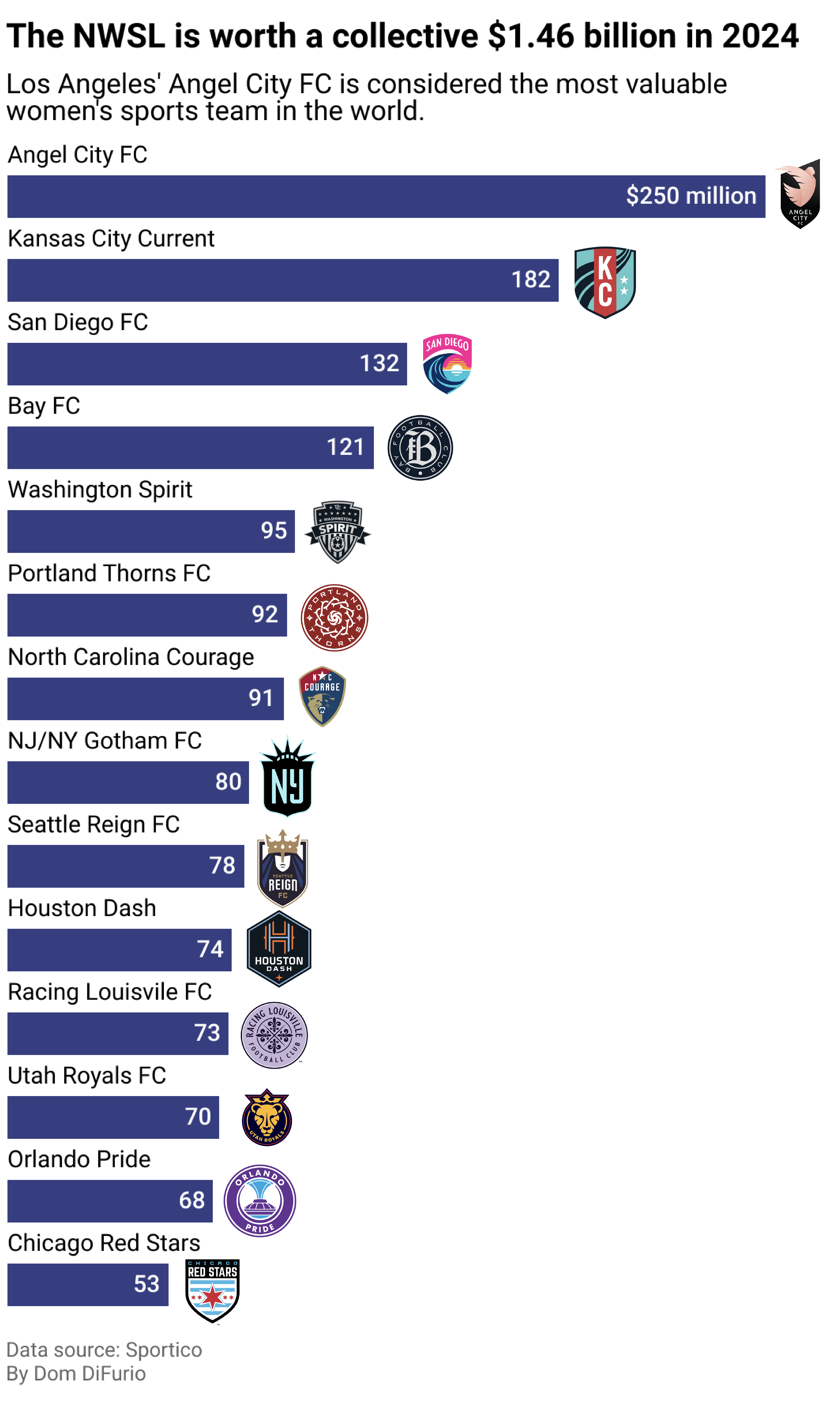
Women's soccer bounds ahead of basketball in valuation
Despite the upside to investing in growing leagues, there have been a limited number of teams and, therefore, limited opportunities for investors to buy into. It's a situation that's made it easier to find investors eager to help stand up additional women's teams. The NWSL, for example, had just 12 teams before this year, compared to the 29 in MLS. The women's league 鈥攖he Bay FC based in Northern California and the Utah Royals.
Investor interest in the NWSL is also catalyzing historic firsts for women's sports. The league added the Kansas City Current in 2020. It's co-owned by financial asset manager Chris Long, his colleague Angie Long, and Brittany Mahomes, wife of Kansas City Chiefs quarterback Patrick Mahomes. The trio have funded the construction of the first-ever sports stadium in Kansas City, which opened in the spring.
Historically, women's teams have had to share stadiums with other leagues, including men's leagues. Even as Kansas City leads the charge, it's not even the most valuable team in the NWSL today.
That title belongs to Los Angeles-based Angel City FC. Started in 2020 by billionaire Reddit co-founder Alexis Ohanian, it is already the most valuable women's sports team in the world. Ohanian sold the team to Disney CEO Bob Iger and his wife, Willow Bay. He said earlier this year that he thinks women's sports have a unique growth potential in front of them that men's soccer simply can't match.
European league stars like Lionel Messi have enhanced the MLS' standing, but Ohanian doesn't see the U.S. men's league ever getting big enough to compete with more established men's leagues in Europe.
"And unless that changes, you're not going to get the values to really match up," Ohanian said on venture capital firm . "That's why I think the NWSL will be bigger than MLS in 10 years, because we can tell a story of excellence in women's football [soccer] in America using the NWSL."
Story editing by Alizah Salario. Additional editing by Kelly Glass. Copy editing by Tim Bruns.