Severe cold wave: How climate change has affected Texas
Severe cold wave: How climate change has affected Texas
The latest United Nations is yet another reminder of the dire effects of climate change. While climate projections often look to the future when discussing the worst impacts of climate change, we are in fact already experiencing its effects across the United States. To better understand how climate change is impacting the country, 麻豆原创 compiled a list of the impacts of climate change in every state, using local and national news stories, government reports, and scientific journal articles.
While these impacts are weather-related鈥攆or example, heat waves, droughts, or storms鈥� on their own. Rather, it is when these events are seen within larger trends that they can be understood as part of a pattern that has come out of the changing climate.
Keep reading to learn about how your state has been impacted by climate change, or read the national story here.
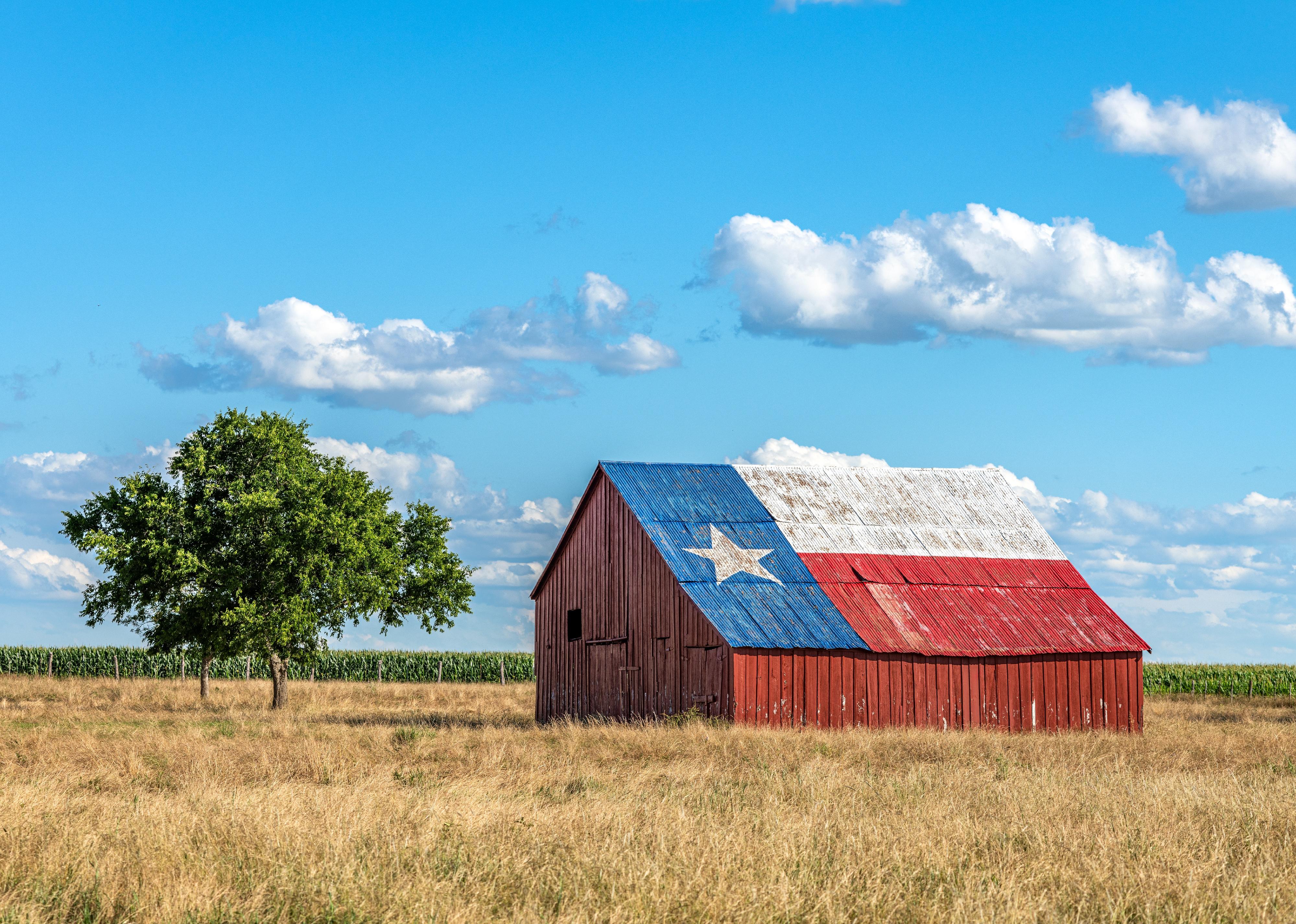
Texas: Severe cold wave
In February 2021, Texas experienced a cold snap so severe that it caused millions of people across the state to lose power, , and at least $20 billion in damages. A recent found that cold waves like Texas' can be caused by a stretching of the polar vortex, due to temperatures and reduced sea ice in the Arctic caused by climate change. The study showed that this polar vortex stretching has been responsible for some of the worst cold waves in parts of Asia, Europe, and North American in recent years.
Across the country, there are trends of rising temperatures, storms of increasing frequency and severity, and more erratic precipitation patterns, causing disruptions to the food systems and sometimes even resulting in death. While the U.S. government has set a target to reduce greenhouse gas emissions by at least , it is clear that the climate emergency is already taking place, and along with emissions reductions, mitigation of the impacts of climate change must be prioritized as well.
Read below to see how other states in your region have been affected by climate change.
New Mexico: The Rio Grande is drying up
, the Rio Grande was drier than average, and the period between 2011 and 2013 was the driest and hottest since record-keeping began. found that flows from 2000 to 2014 were almost 20% below the average of the 20th century and that roughly one-third of this reduction was attributable to climate change. While having a couple of dry years followed by a couple of recovery wet years, the warming temperatures make each dry year even drier and each wet year less wet, making long-term recovery more difficult.
Oklahoma: More wildfires
While wildfires are generally considered a problem for the Western United States, thanks to climate change, they are beginning to take place further east鈥攊n Oklahoma, for example鈥攁ccording to from Climate Central. In 2018, Oklahoma experienced , and more than 4 million residents live in areas that have an increased risk of wildfires.