A beginner鈥檚 guide to EV fast charging
If you own an electric vehicle of any sort, there鈥檚 a good chance you鈥檝e heard about 鈥渇ast charging,鈥� or 鈥淒C fast charging.鈥� at a public charging station is the quickest way to charge an electric car.
Key takeaways:
- Fast charging tops up electric vehicles quickly, adding up to 80 miles in 20 minutes at public stations, compared to slower home charging.
- Three plug types exist: Tesla's NACS, the widespread CCS, and CHAdeMO, mostly for the Nissan Leaf.
- Tesla Superchargers are common for fast charging; ChargePoint has the most stations overall, but no fast chargers.
- Non-Tesla vehicles will soon be able to use Tesla stations via the upcoming Magic Dock adapter.
- The best charging station varies by the EV's charging speed capacity, station's location, and reliability, with Tesla's network being the most user-friendly but currently Tesla-specific.
partnered with car-review experts from Edmunds to weigh in on what you should know when it comes to charging an electric truck or car.
What Is Fast Charging?
What fast charging does is right there in the name: It is a technology that lets you charge your electric vehicle in minutes instead of hours.
To recap, there are three main 鈥渓evels鈥� of charging an EV. The first is Level 1, which is just plugging into a standard 120-volt wall socket. It's pretty slow, only adding a few miles to the car's range every hour. Level 2 (240-volt) charging is what most EV owners should have in their garage. It's much faster, adding 20 or more miles every hour to the battery's charge, and it鈥檚 great for charging overnight.
Level 3 fast charging literally amps this up, charging the battery with so much electricity that it can add 60-80 miles in just 20 minutes. The downside is that this requires specialized equipment, so fast charging is only available at public charging stations. Also, frequent fast charging can cause excessive wear and tear on the battery, . But if you're on a road trip, or just out and about and need extra juice in a hurry, fast charging makes owning an electric vehicle much more convenient.
Are there different types of fast chargers?
All fast chargers work the same, but there are three different plugs that you need to be aware of. There鈥檚 the Tesla Charging Standard, which is now known as the North American Charging Standard (NACS). For now, it鈥檚 only found on Teslas, but other manufacturers are going to start using it in 2025. Next is the Combined Charging System (CCS), which is currently found on most other non-Tesla fast-charging electric vehicles. Finally, there鈥檚 Charge de Move, better known as CHAdeMO, and it鈥檚 found primarily on the Nissan Leaf, along with a handful of Mitsubishi plug-in hybrids.
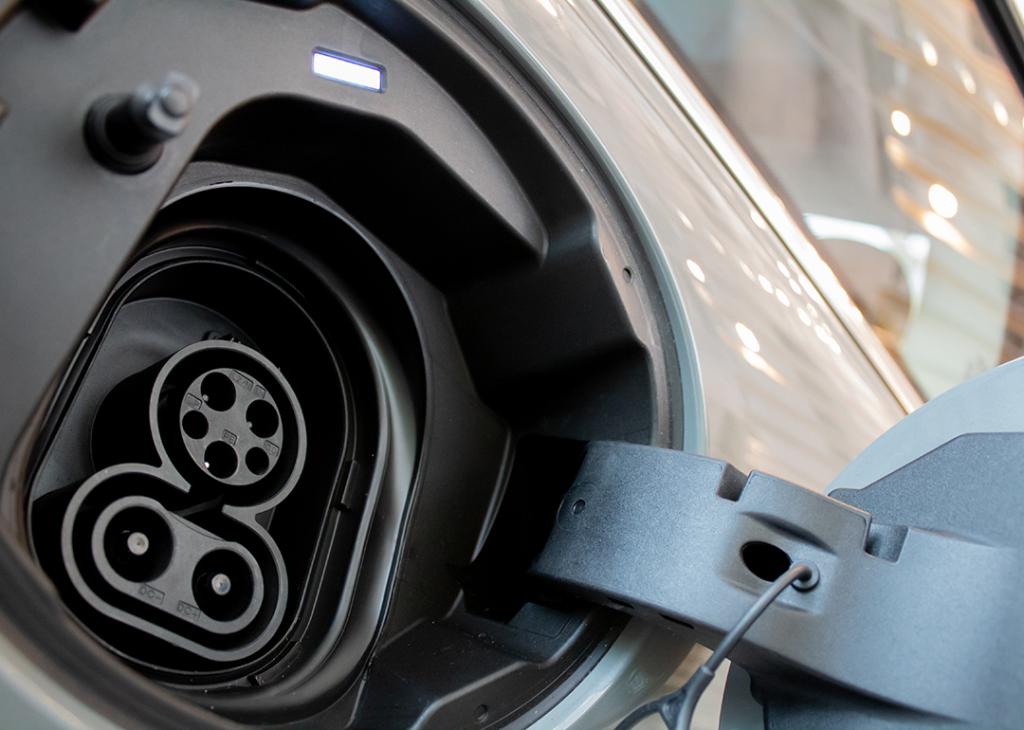
There鈥檚 a lot to cover on the different types of chargers, and you can learn more about them .
What's the most popular fast-charging station?
Strictly speaking, the most common fast charger you鈥檙e going to find is the Tesla NACS plug thanks to Tesla鈥檚 extensive Supercharger network. It has more than 20,000 fast-charging ports throughout the country, dwarfing second-place Electrify America with its 3,000 fast-charging ports.
However, that doesn鈥檛 mean Tesla has the most charging stations. When it comes to the sheer number of charging ports of any sort, nobody has more than ChargePoint, which was one of the first electric vehicle charging station companies on the scene. The downside is that most of ChargePoint鈥檚 stations aren't fast-charging. In that category, it comes up short against competitors like Electrify America. On the other hand, if you drive an EV that can鈥檛 handle fast charging, the sheer number of ChargePoint stations can be very handy.
Ultimately, if you鈥檙e looking for fast charging, check out Tesla Supercharger stations if you own a Tesla or look for Electrify America if you don鈥檛. Even though you鈥檒l see a lot of ChargePoint stations, be sure to check the company's app before driving to one to make sure it's equipped to offer fast charging.
Will my non-Tesla charge at a Tesla station?
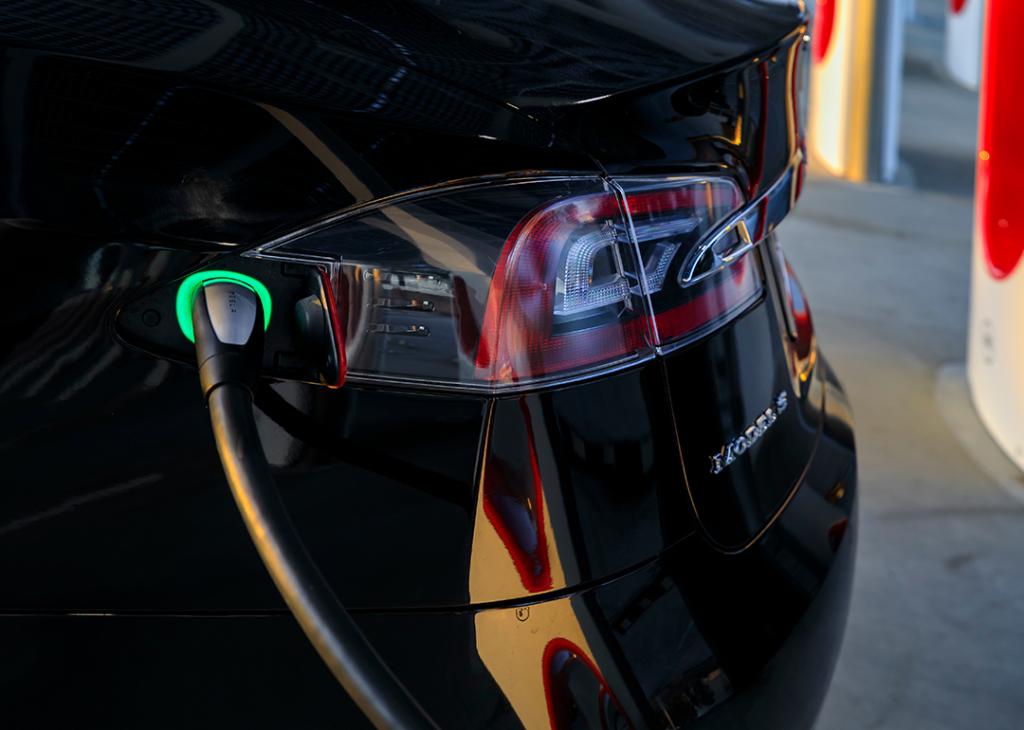
Not yet, but that鈥檚 changing. Tesla is introducing something called a Magic Dock that will allow CCS-type electric vehicles to charge at a Tesla Supercharger station. It鈥檚 all part of a bigger change in the industry, which is largely adopting the Tesla plug as its new standard. Technical and other issues are slowing down the rollout, and as of this writing only a have it. That number is supposed to increase dramatically in the future, but it's not wise to bank on a Supercharger station having a Magic Dock right now. If you do find one and need to charge your non-Tesla EV at a Supercharger, you鈥檒l still need to download the Tesla app and create an account.
Are some electric vehicle charging stations better than others?
It depends on what you mean by better. Some stations offer more charging power, others are more reliable, and some are placed in a more convenient location. It comes down to your location, the station's pricing, and the charging speed your EV can accommodate. It's best to check the charging company's app to see what each station offers and what's available.
Although there's not a clear winner when it comes to charging stations, Tesla's well-maintained Supercharger network comes close thanks to its easy charging method (you simply plug in to your Tesla and walk away), convenient locations (along many major highways and in shopping centers), and relatively fast charging speeds. The biggest downside is that it's exclusive to Tesla vehicles, at least for now. As the Magic Dock becomes more widespread, and in the coming years when more manufacturers start using the Tesla-style plug, those Supercharger stations will be much more useful 鈥� and crowded.
Is it always best to use the electric car charger with the most power?
Not necessarily. Electric vehicles have a limit on how much energy they can take in at a time. For example, if you have a Ford F-150 Lightning with the extended battery, you might be tempted to plug in to a 350-kW charger. However, your Lightning can only charge at a maximum of 155 kW. Using that higher-capacity charger won't hurt your vehicle鈥檚 battery, but you could be keeping someone else who could make use of the full charging capacity from using it.
Conclusion
While fast charging isn鈥檛 quite as convenient as filling up a gas tank, there鈥檚 no question it makes owning an electric vehicle much easier. Of course, it鈥檚 best to make sure you charge your battery at home to leave with a fresh charge each day. But for those times when you need a quick boost, or if you鈥檙e planning a road trip, fast charging is exceptionally useful.
was produced by and reviewed and distributed by 麻豆原创.