The untold story of the American school bus and why this icon still rules the road
The untold story of the American school bus and why this icon still rules the road
You could argue the real American dream isn’t a Corvette or a Harley—it’s a battered yellow school bus wheezing down a suburban street at 6:45 a.m. It doesn’t look cool, it doesn’t sound fast, and it sure as heck doesn’t smell good. But for millions of kids, it was the first machine that swallowed them whole, carried them off, and set the rhythm of their lives.
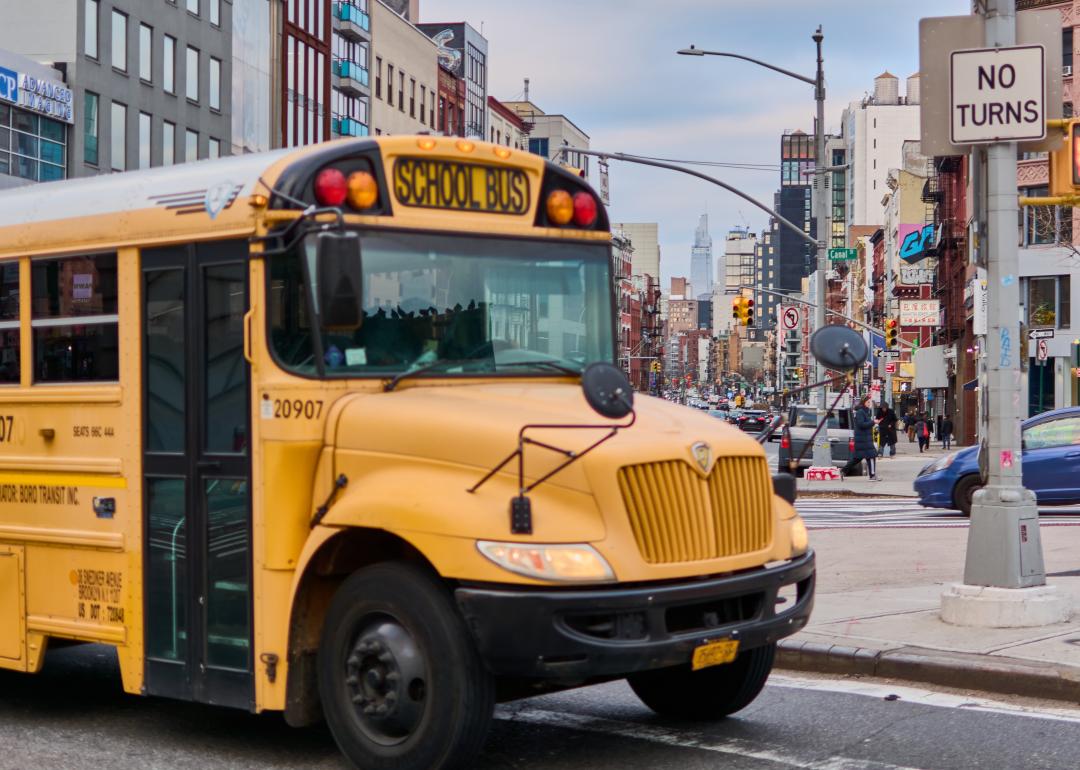
Decade after decade, while the auto industry obsessed over tailfins, touchscreens, and Tesla updates, the school bus barely budged. Still big. Still yellow. Still loud enough to be heard before it was seen. And in that stubborn sameness lies the weird truth: the American school bus isn’t just a vehicle, it’s an icon. examines the cultural significance of the American school bus.
A Color That Conquered Culture
Henry Ford gave us black. Ferrari gave us red. But the school bus gave us something stronger: “National School Bus Glossy Yellow.” It wasn’t chosen by an ad agency or a design guru; it was chosen by committees of safety wonks in 1939 who decided this one shade was bright enough to punch through fog and hangovers alike.
That yellow isn’t just a color. It’s a cultural trigger. Ask any American what they picture when they hear the word “bus,” and nine times out of 10, it’s yellow. Not sleek European commuter trains. Not futuristic electric shuttles. Just a lumbering diesel beast in traffic, glowing like a radioactive Twinkie.
The Shape of Safety
Reinforced steel cage. High-backed, padded seats that act like mini crash zones. Flashing lights and that unmistakable swing-out stop sign, which is a kind of mobile moat that freezes traffic. It’s the one vehicle on the road that literally commands everyone else to stop, no matter how late they are.
Every generation of parents trusted it, sometimes reluctantly, to carry their kids. And it kept proving itself, year after year. The stats don’t lie: Riding a school bus is still than hopping in mom or dad’s car.
Cameos in Pop Culture
The school bus didn’t just haul kids; it crept into our imagination. From “The Simpsons’” dented ride with Otto at the wheel to “Magic School Bus” blasting off into space, the bus became a recurring character in America’s cultural screenplay. It’s shorthand for innocence, for chaos, and sometimes for menace. Just see any horror movie where the school bus sits abandoned in a cornfield.
That ubiquity cements its status. Cars change trends every five years. The school bus? It’s timeless enough to cameo in 1950s Warner Brothers cartoons, ‘70s sitcoms, current music videos, and Stephen King novels without ever needing a redesign.
Exported Americana
Like denim jeans and Coca-Cola, the yellow bus went global. Many of those second-life buses now surface through resale marketplaces, where fleets and individuals alike, worldwide, buy and keep the yellow icon rolling long after retirement.
Countries from Canada to Saudi Arabia imported them, sometimes used, sometimes brand-new. Because nothing else screamed “reliable child-mover” quite the same way. In some places, old American buses got second lives ferrying workers, athletes, and even goats. And yet, wherever they go, they stay yellow. It’s brand recognition that rivals McDonald’s arches.
Why It Still Rules the Road
Electric vehicles may nibble at its future, and TikTok kids may roll their eyes, but the school bus isn’t going anywhere. It remains a practical, safe, and cost-effective way to move millions of kids daily. That, and it’s a symbol we’re not ready to retire. In an age of endless disruption, there’s something almost comforting about its stubborn refusal to change.
Because in the end, the school bus isn’t just about transport. It’s about memory, safety, and community. It’s a kind of gritty Americana that’s still alive in a machine that rumbles through every neighborhood, twice a day, rain or shine.
was produced by and reviewed and distributed by Â鶹ԭ´´.