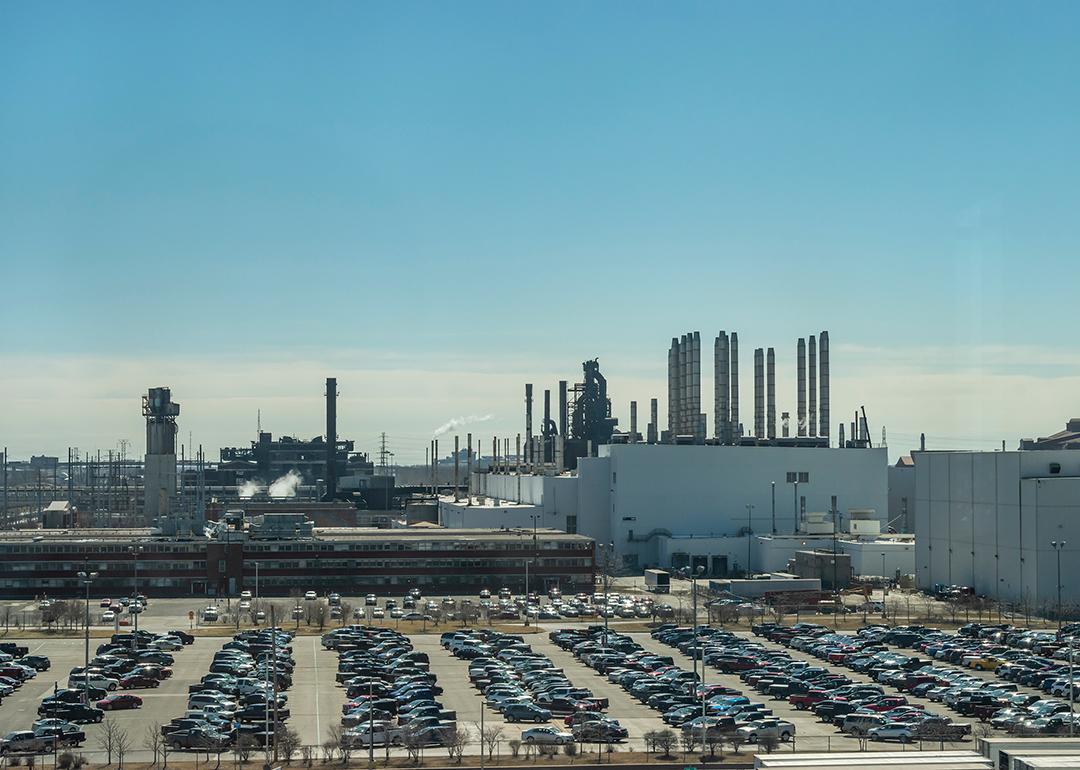
US auto manufacturing heads into 2026 with less margin for error
US auto manufacturing heads into 2026 with less margin for error
U.S. auto manufacturing is entering 2026 leaner than it was a year ago and with less room for disruption.
Federal labor shows employment in motor vehicles and parts manufacturing fell by roughly 29,000 workers in 2025, even as production expectations largely held. The result is an industry operating with fewer people and less slack than in prior years.
While payrolls shrank, the pace of work did not slow in the same way. Average weekly hours in auto manufacturing remained around 42.8 hours at the end of 2025, close to where they were a year earlier.
Production data helps explain why. Federal Reserve U.S. motor vehicle assemblies fluctuated through 2025 but did not collapse, staying broadly within the 9-10 million seasonally adjusted annual rate range. Industrial production for motor vehicles and parts also remained near long-term averages late in the year.
In other words, the industry didn鈥檛 shed work. It shed buffer.
When staffing levels thin without a corresponding slowdown in output, systems become more sensitive to disruption. With fewer people available, covering an absence or delay can mean reassigning tasks, leaning more , or operating with less backup when something goes wrong. What might once have been a manageable hiccup can ripple more quickly through schedules.
Manufacturing research consistently shows that unplanned absences and concentrated workloads increase operational strain, particularly in environments where staffing is already tight, which of safety incidents, especially in automotive.
analyzed BLS showing manufacturing averaging 2.8% over a 12-month period, with warehousing even higher at 3.4%, compounding the impact when there is little margin to absorb disruption.
The employment decline itself reflects a mix of forces rather than a single shock. Automakers spent much of 2024 and 2025 recalibrating electric-vehicle plans as EV demand lagged earlier forecasts. Reuters reported that major manufacturers, including and , delayed EV production ramps and reduced shifts at some facilities, with effects cascading through parts suppliers.
At the same time, automation continued to advance. The International Federation of Robotics that robot installations in the U.S. automotive sector rose more than 10% in 2024. Together, these trends point to an industry that has become more efficient but also more exposed. With fewer workers available, the , and the room for error narrows.
In practice, some manufacturers are already seeing how reducing last-minute absences can ease pressure on remaining teams.
At automotive supplier Martinrea, human resources manager Shanna Wilson attendance consistency had a measurable impact in a short period of time:
鈥淲e鈥檝e seen a huge reduction in our turnover because our biggest driver for turnover has been a no call, no show. In just 45 days, we鈥檝e seen a 50% reduction in no-call, no-shows.鈥�
More broadly, employers facing leaner staffing are focusing less on pushing output higher and more on preventing disruption. Workforce management research highlights the importance of earlier , faster coverage decisions, and with frontline employees to reduce last-minute gaps that strain teams and disrupt productivity. Others emphasize incidents and improving attendance consistency as ways to stabilize schedules without increasing hours or headcount.
What to watch for in 2026
With fewer workers and limited slack, auto manufacturing may be more sensitive to everyday disruptions in 2026. A single absence, delayed shipment, or production hiccup could carry more weight than it once did. How the industry responds may determine whether remain efficient or begin to feel fragile.
was produced by and reviewed and distributed by 麻豆原创.