The sleepcation boom: Why more travelers are booking trips to do nothing
The sleepcation boom: Why more travelers are booking trips to do nothing
Vacations are supposed to leave you feeling rested, but let’s be real: most don’t. Between packed schedules and the pressure to make every moment count, many people come back more tired than when they left. looks at how sleepcations are changing that.
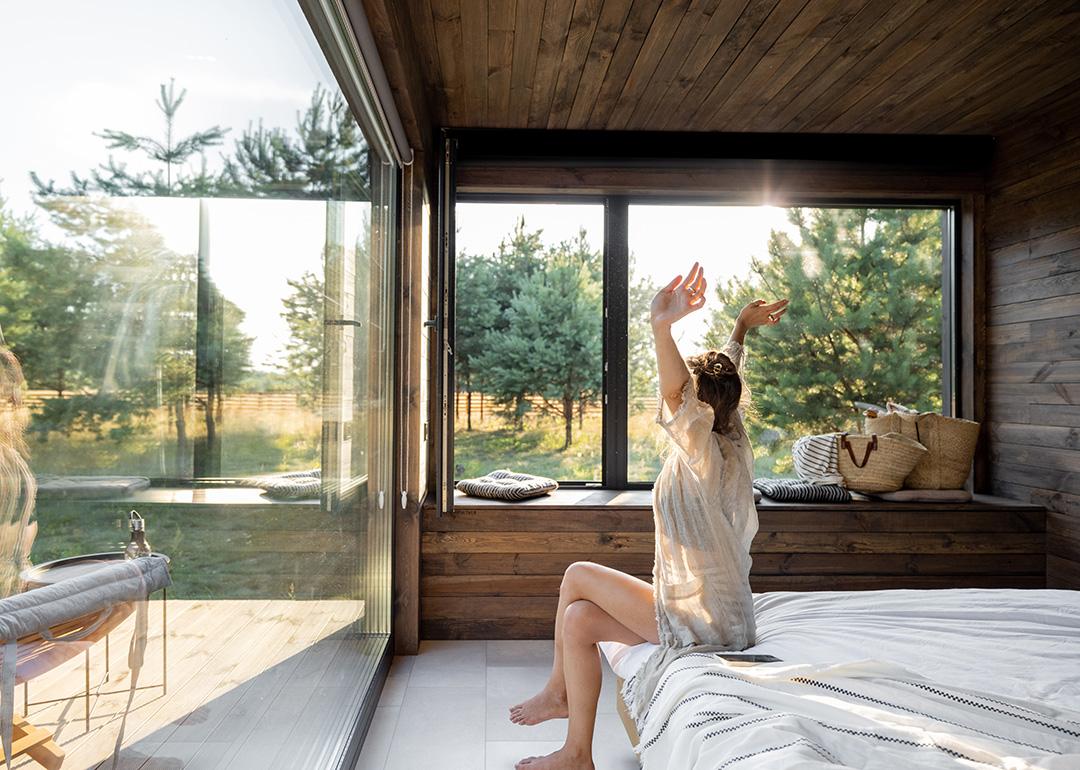
A sleepcation flips the script. It’s travel that’s all about rest; sleeping in instead of sightseeing, quiet nights over late parties, and slow mornings with no agenda. More travelers now book . Think cozy cabins with no Wi-Fi or quiet countryside spots where the loudest sound is the wind in the trees.
This trend isn’t just about comfort; it’s about burnout. Life moves fast, and people are feeling it. Sleepcations offer a break that actually feels like a break. They’re a way to push back against the go-go-go mindset and finally get the rest many of us lack.
The burnout epidemic: Why America's workers are running on empty
Burnout isn’t just a trendy word; it’s a real and growing problem. In the American Psychological Association’s , 67% of workers said they felt burned out in the past month. That’s not just job stress; it’s a clear sign people are struggling to keep up.
looks different for everyone, but common signs include low motivation, constant fatigue, and a checked-out attitude at work. Many also feel isolated, emotionally drained, or too scattered to focus. This isn’t about feeling tired once in a while; it’s a chronic drain that builds over time.
One major cause? Sleep debt. And a big driver of that is “revenge bedtime procrastination,” which happens when people put off sleep to carve out personal time after long days. The trade-off is more exhaustion and a cycle that’s tough to escape.
APA’s study confirmed that young workers are feeling it the most, reporting higher rates of stress, loneliness, and mental fatigue, despite increased access to mental health support. For many, burnout is hitting just as their careers are getting off the ground.
When you put rest on the back burner, your productivity and health take a hit. That’s why more people are starting to see sleep not as a luxury, but as essential.
What exactly is a sleepcation?
Traditional vacations sound relaxing, but often leave people wiped out. That’s where sleepcations come in.
A sleepcation is a trip built around rest, not activities. The goal is simple: catch up on sleep in a space designed to help you do just that. Hotels and retreats are leaning into the trend with blackout curtains, soundproofing, white noise machines, and fancy mattresses — all aimed at helping guests unplug and recharge.
At the center of this trend is sleep debt — the rest you miss that piles up over time. That unpaid sleep can mess with your . So getting solid rest isn’t just a treat; it’s a health move.
And people are buying in. While 1 in 5 travelers are eyeing wellness retreats, 58% are specifically drawn to , according to 2023 survey conducted by Booking.com. Rest is officially on the vacation checklist.
Sleep tourism is booming — and travelers are here for it
What started as a niche wellness trend has exploded into a major travel market. Sleep tourism is one of the fastest-growing sectors, drawing in people who are done feeling exhausted and ready to pay for real rest.
The numbers are huge. The global sleep tourism market is already worth over $690 billion, and in 2023, HTF Market Intelligence projected it could grow by . That surge is powered by high-end features like AI mattresses, soundproof rooms, and guided sleep meditations, designed to help guests truly unwind.
This trend isn’t limited to one region. In India, said they’re more focused on sleep, and 1 in 5 named it as the main goal of their vacation, according to Skyscanner’s Travel Trends 2024 report. It’s part of a bigger shift: Wellness is replacing adventure as the reason people pack a bag.
Younger travelers are leading the charge. Millennials and Gen Z, many burned out from work stress, are choosing sleepcations over packed itineraries. And hotels are taking note, marketing rest as the ultimate luxury.
How hotels are cashing in on the sleepcation craze
As sleepcations take off, hotels are racing to meet the demand. And they’re not just upgrading pillows.
Hilton now offers across many of its properties; think blackout curtains, soundproof rooms, cooling mattresses, pillow menus, and lighting that helps you wind down. Their 2024 Trends Report says more travelers now pick hotels , not just location or perks.
Equinox Hotel in New York takes it even further. Its ” package includes cool, dark rooms, magnesium sleep supplements, and nightly wind-down rituals. It's a luxury backed by real sleep science.
Some hotels are getting even more creative. Guests can now try AI-powered beds that adjust as they sleep, suspended sleep pods, or book time with a sleep coach. You’ll find sound baths in Singapore and sleep yoga under the stars in the Maldives. Rest is officially a global experience.
Bottom line: Sleep sells and hotels are all in. More travelers are planning trips around rest, and the industry is more than happy to deliver.
What actually happens at a sleep retreat?
Sleepcations aren’t just about squeezing in extra naps. The best ones follow a plan, blending real sleep science with calm, restful environments to help people recover from long-term sleep debt.
Sleep consultant Kelly Murray told Goop . That gives your body time to reset without going overboard and feeling groggy from too much rest.
Top-tier sleep retreats usually include:
- No alarms: Guests wake up naturally, letting their bodies decide when it’s time to rise.
- Light scheduling: Exposure to light is timed to help reset your internal clock.
- Gentle movement: Yoga, walking, or light stretching supports better sleep at night.
- Wind-down rituals: Breathwork, mindfulness, and unplugged evenings help calm the nervous system.
Some resorts build entire experiences around this. in Bali uses guided sleep meditations, curated rituals, and spa treatments to ease guests into rest. Six Senses Fiji pairs eco-luxury with sleep science, helping people reset and recharge.
So no, these trips aren’t passive. Sleepcations are active recovery, carefully planned to help your body rest for real.
Why real rest is the new productivity hack
In hustle culture, rest usually feels like a reward you have to earn. But it should be part of the plan from the start. Sleepcations tap into that idea, giving people a real break that boosts both health and performance.
Rest that actually restores doesn’t just lift your mood. It sharpens focus, boosts memory, and helps your brain work better overall. Sleep also , steadies emotions, and improves decision-making. In short, rested people get more done and do it better.
Taking proper time off also eases burnout symptoms like exhaustion and detachment. People who use their time off to truly recover come back feeling ready, not just caught up.
It’s good for business, too. Rested employees focus better, making rest a smart investment in long-term performance, not a disruption.
Sleepcations reflect that shift. Instead of sprinting toward quick wins, more people — and smart employers — are building rest into the routine. Because real productivity starts with recovery.
The catch: What sleepcations can (and can't) do
Sleepcations can be a game changer, but they’re not a cure-all. A restful weekend might leave you feeling recharged, but real, lasting change takes more than a few good nights of sleep.
The benefits are likely to fade fast if you return to a stressful job, late-night scrolling, or an erratic routine. , the reset won’t stick.
Cost is another hurdle. Many top-tier sleep retreats come with luxury prices; think smart beds, spa treatments, and curated rituals. That puts them out of reach for many and raises a bigger question: Is sleep tourism a real solution or just another high-end wellness trend?
Still, sleepcations can spark change. You don’t need a five-star resort to improve your sleep. Blackout curtains, screen-free nights, regular bedtimes, and sleep-focused apps can bring similar results at home, just more gradually.
At the end of the day, sleepcations reflect something bigger: People want rest. But turning that want into real, lasting recovery takes more than one good weekend. It takes consistency.
Where sleep tourism is headed next
The sleepcation trend is still picking up steam, and it’s not slowing down anytime soon. What started as a luxury wellness niche is growing into a full-blown movement with real staying power.
This kind of growth spells big opportunity for hotels, wellness brands, and tech companies focused on helping people rest better.
One exciting shift? Workplace wellness. As burnout drags down productivity, some companies are testing sleep perks; think subsidized rest retreats or on-the-job sleep coaching. The idea: Rest isn’t a distraction from work; it’s part of doing it well.
Tech is pushing things forward, too. Smart beds that track your sleep, ambient room setups, and AI-powered sleep apps are making sleep-optimized travel more accessible and easier to bring home. Personalized rest is the next big thing.
And it’s not all high-end. DIY sleepcation kits and budget-friendly options are opening the trend to more people. Whether it’s a luxury resort or just a bedroom upgrade, more travelers are looking to rest on purpose, and the industry is ready to meet them there.
Rethinking rest: Why sleepcations signal something bigger
Sleepcations aren’t just another travel fad; they’re a wake-up call. In a world where burnout feels normal, the growing demand for rest-first getaways shows how badly people need to recover. It points to something deeper: The pace of modern life is unsustainable without time to recharge.
But while sleepcations help, they don’t fix everything. Long hours, late-night screens, and constant pressure can’t be undone in one weekend. Real change takes more than blackout curtains and plush mattresses.
It starts with treating sleep like a health essential, not a luxury. That means backing up travel trends with workplace policies that actually support rest. It means helping people build sleep habits they can stick with; at home, not just at hotels.
At its core, the rise of sleep tourism reflects a cultural shift. Rest isn’t being dismissed as laziness anymore; it’s starting to be seen as a smart, necessary part of living well. If that shift sticks, sleepcations might just be the start of a better-rested future.
was produced by and reviewed and distributed by Â鶹ԭ´´.