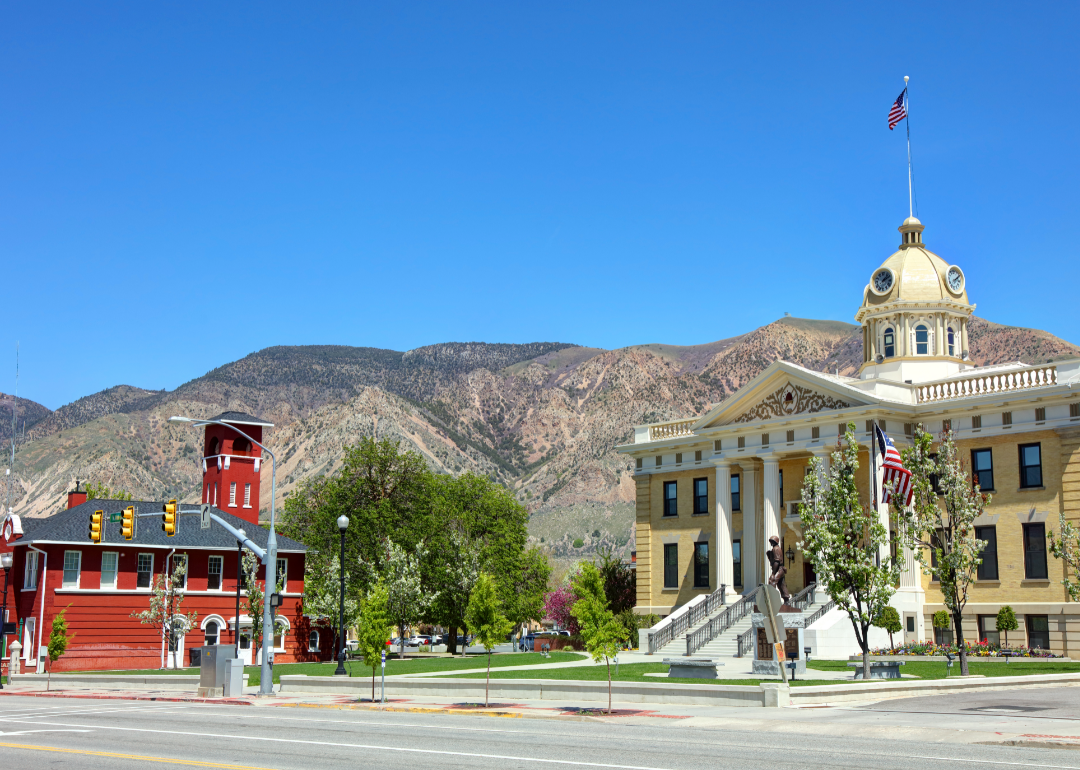
Counties with the most farmland in Utah
Farmland across the U.S. is each decade by some estimates as sprawling urban development pushes further into rural pastures.
The farmland that still exists in the U.S. is heavily dedicated to growing plants that Americans can't consume鈥攇rass. That grass, accounting for more than 300 million acres now, feeds our livestock, provides sod for new development, and serves as a cover crop to protect soil health between harvests.
Demand for major crops like corn and soybeans to feed Americans is only to grow in the coming decade, and demand for U.S. agricultural exports is expected to grow similarly.
The COVID-19 pandemic dramatically changed the way people purchased and consumed food, placing renewed attention on an where family farms have been swallowed up by large food corporations.
And after shifting behaviors caused massive economic swings in the U.S. and elsewhere, the Russian invasion of Ukraine forced food producers to once again account for yet another shock with so much of the world's grain capital .
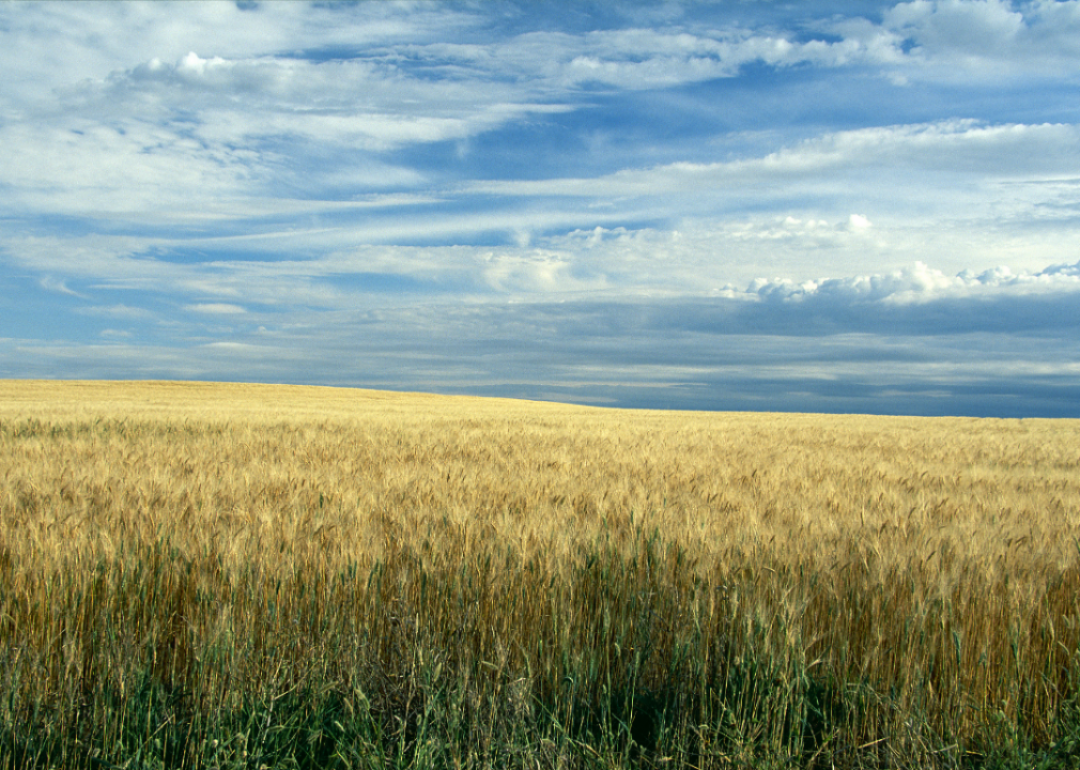
War and corporate interests aside, farms have also had to reckon with a changing climate. Wheat fields were once commonplace across the country, but drought conditions of late have caused farmers to . Agitated by climate change, the shortage of water in parts of the country coupled with are making agricultural businesses harder to run profitably.
To illustrate where American farms still persevere, compiled a list of counties with the most farmland in Utah using data from the Agriculture Department's . Farmers reported the data as mandated by participation in USDA income support programs, including as well as loan assistance. Counties are ranked by total acres of farmland.
In Utah, there are 6,771,541 acres of farmland, with 2+ interseeded grass mix mixed forage being the most common crop.
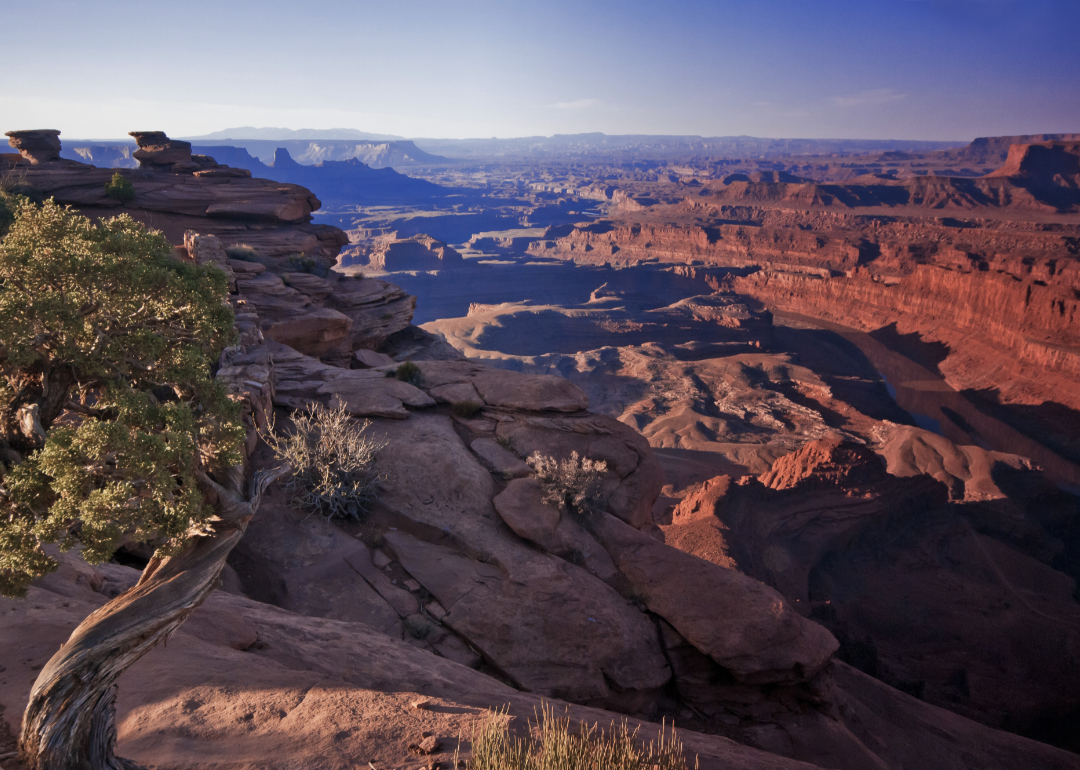
#25. Grand
- Farmland: 31,864 acres (.5% of state total)
- Farms: 24
- Most common crop: Native grass (29,930 acres, 93.9% of county farmland)
#24. Piute
- Farmland: 33,701 acres (.5% of state total)
- Farms: 111
- Most common crop: Native grass (25,101 acres, 74.5% of county farmland)
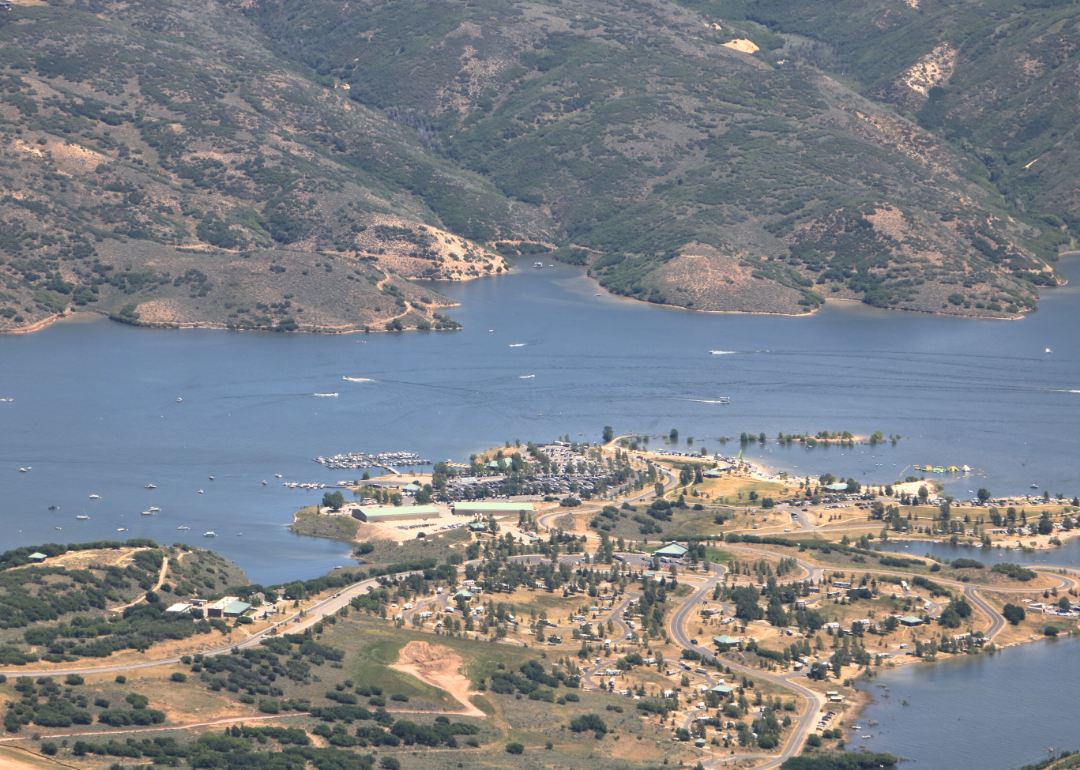
#23. Wasatch
- Farmland: 81,188 acres (1.2% of state total)
- Farms: 84
- Most common crop: Native grass (79,918 acres, 98.4% of county farmland)
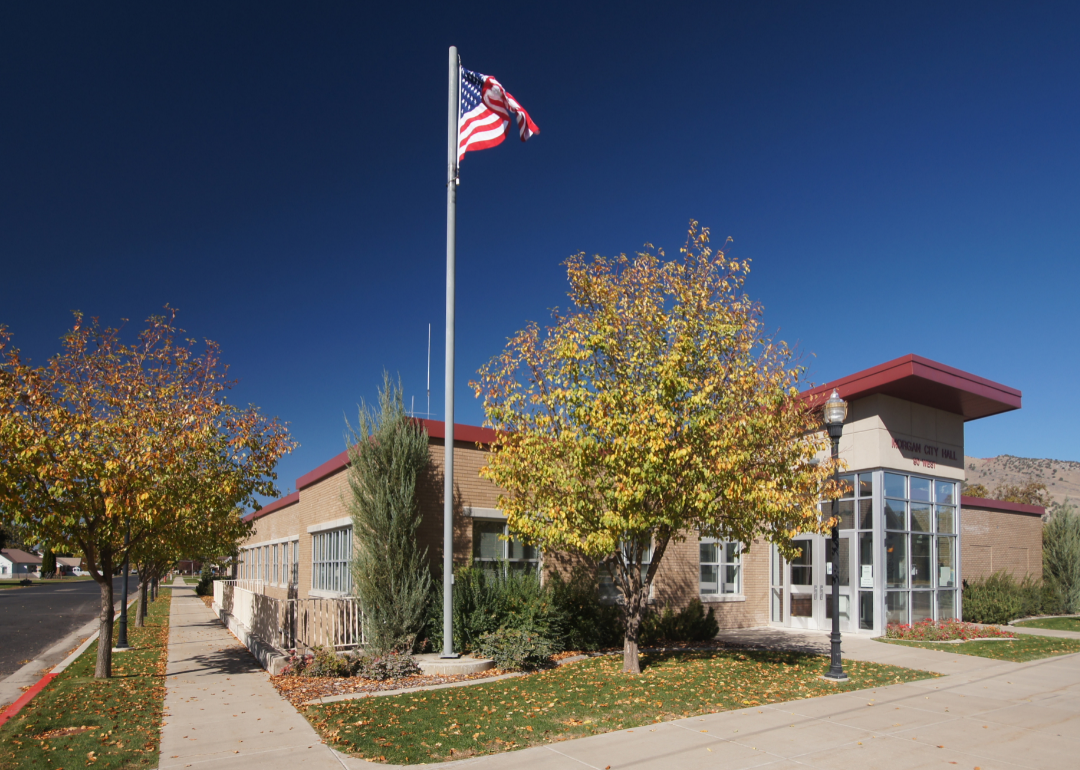
#22. Morgan
- Farmland: 92,887 acres (1.4% of state total)
- Farms: 127
- Most common crop: Native grass (88,085 acres, 94.8% of county farmland)
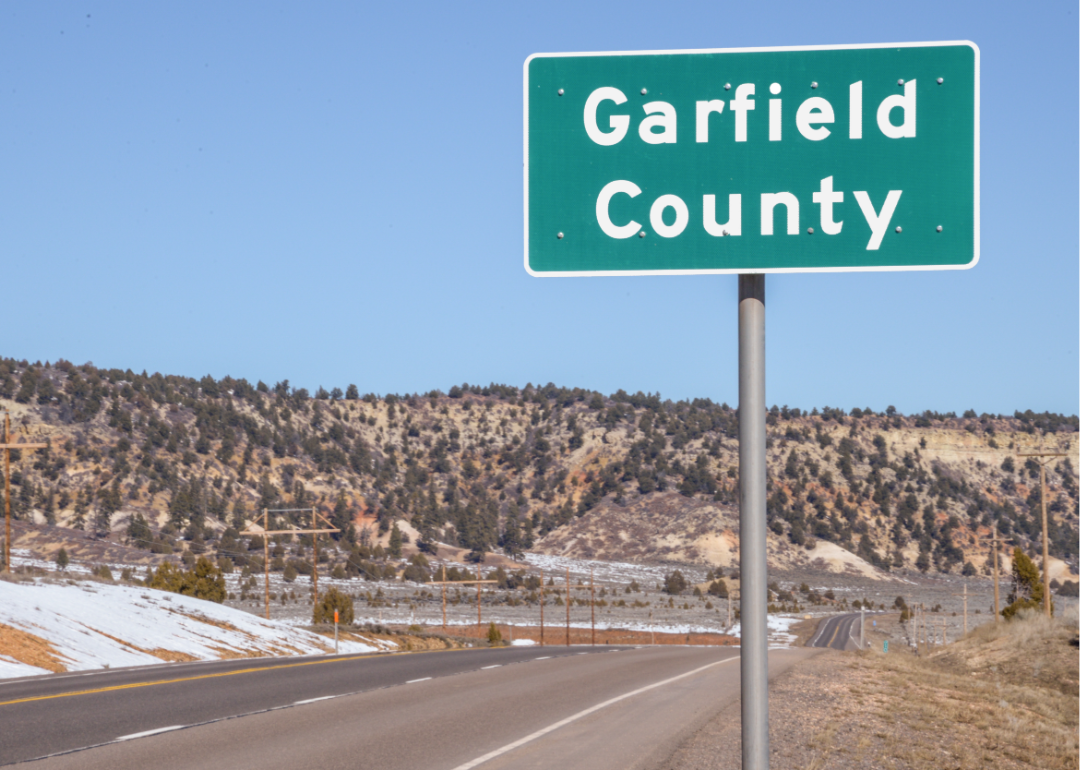
#21. Garfield
- Farmland: 106,425 acres (1.6% of state total)
- Farms: 210
- Most common crop: Native grass (100,968 acres, 94.9% of county farmland)
#20. Kane
- Farmland: 114,352 acres (1.7% of state total)
- Farms: 222
- Most common crop: Native grass (102,800 acres, 89.9% of county farmland)
#19. Sevier
- Farmland: 137,554 acres (2.0% of state total)
- Farms: 491
- Most common crop: Native grass (115,039 acres, 83.6% of county farmland)
#18. Carbon
- Farmland: 164,744 acres (2.4% of state total)
- Farms: 155
- Most common crop: Native grass (158,498 acres, 96.2% of county farmland)
#17. Utah
- Farmland: 179,316 acres (2.6% of state total)
- Farms: 540
- Most common crop: Native grass (124,004 acres, 69.2% of county farmland)
#16. Cache
- Farmland: 190,845 acres (2.8% of state total)
- Farms: 1,684
- Most common crop: Native grass (60,036 acres, 31.5% of county farmland)
#15. Duchesne
- Farmland: 212,331 acres (3.1% of state total)
- Farms: 514
- Most common crop: Native grass (153,977 acres, 72.5% of county farmland)
#14. Beaver
- Farmland: 216,329 acres (3.2% of state total)
- Farms: 236
- Most common crop: Native grass (169,561 acres, 78.4% of county farmland)
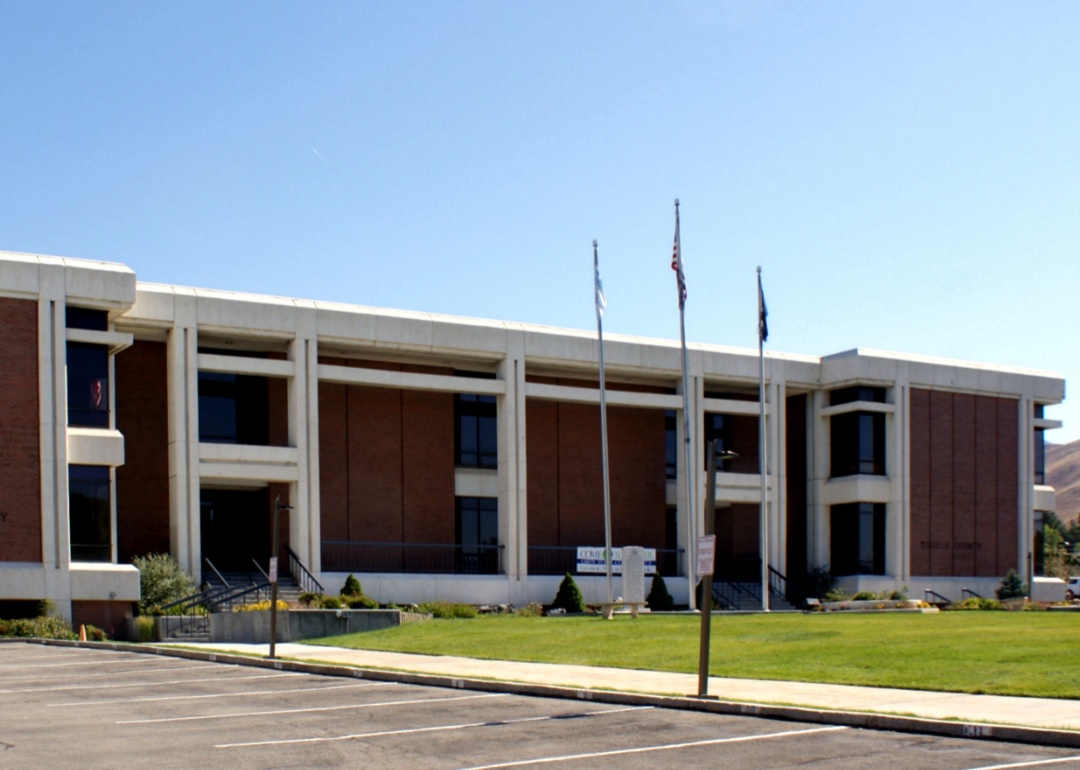
#13. Tooele
- Farmland: 236,026 acres (3.5% of state total)
- Farms: 194
- Most common crop: Native grass (202,276 acres, 85.7% of county farmland)
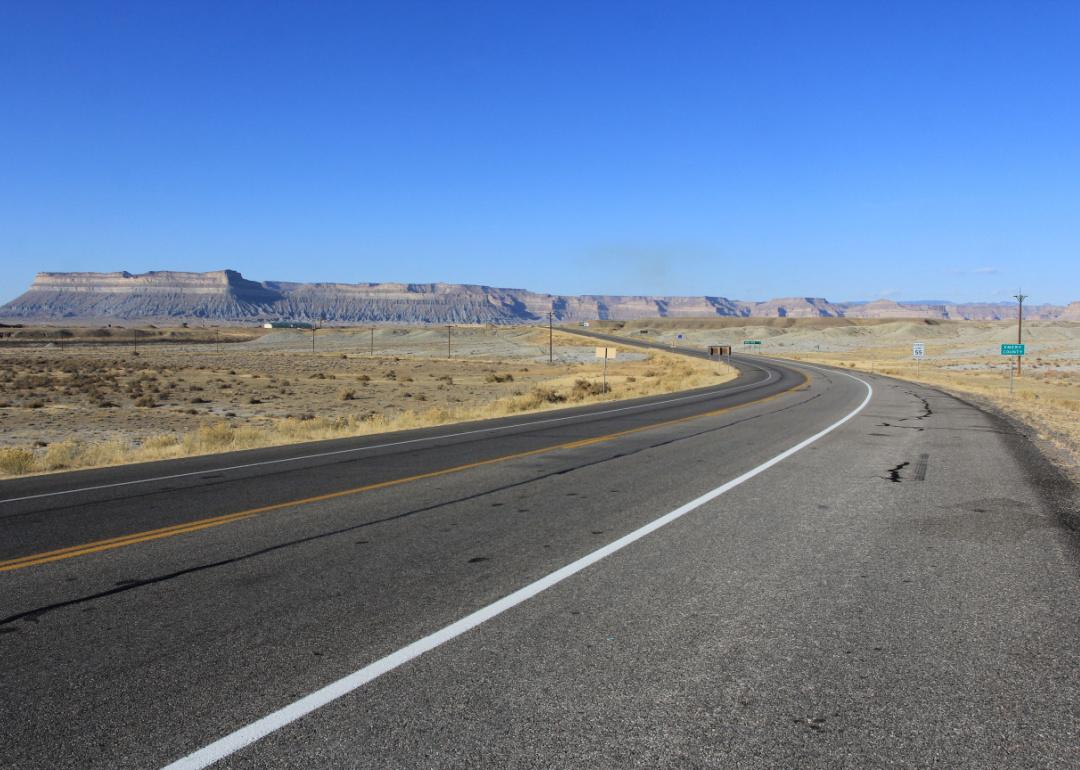
#12. Emery
- Farmland: 252,464 acres (3.7% of state total)
- Farms: 487
- Most common crop: Native grass (215,298 acres, 85.3% of county farmland)
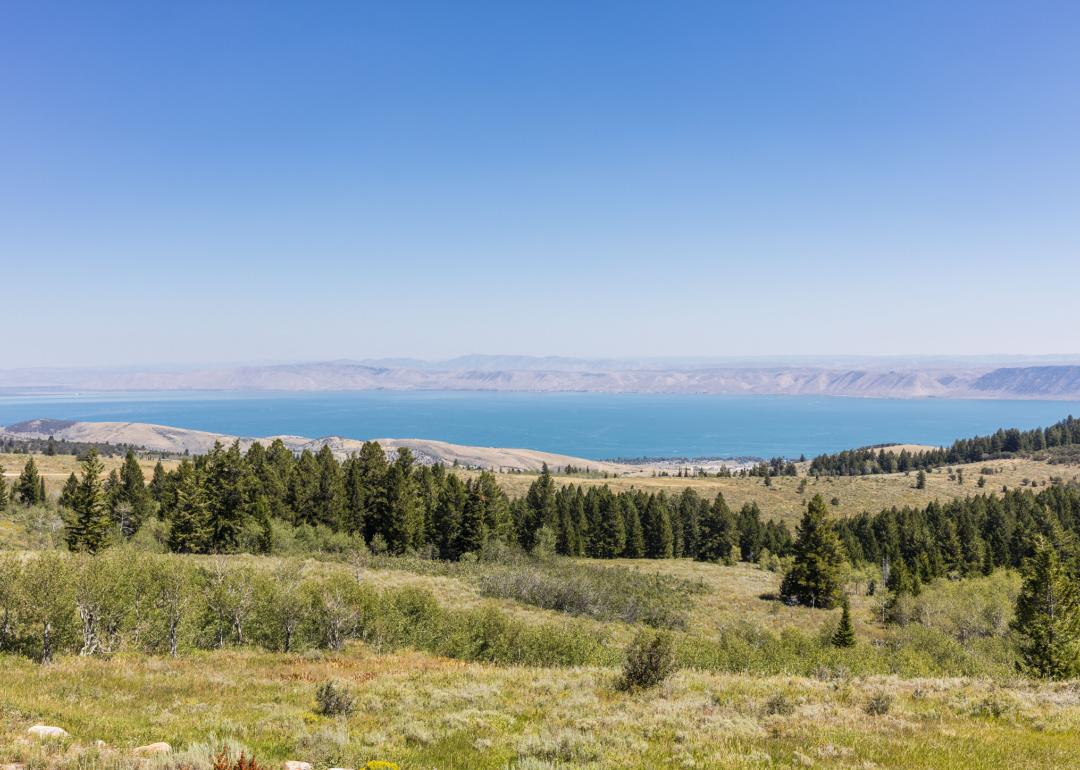
#11. Rich
- Farmland: 261,122 acres (3.9% of state total)
- Farms: 170
- Most common crop: Native grass (204,825 acres, 78.4% of county farmland)
#10. Juab
- Farmland: 261,463 acres (3.9% of state total)
- Farms: 340
- Most common crop: Native grass (136,246 acres, 52.1% of county farmland)
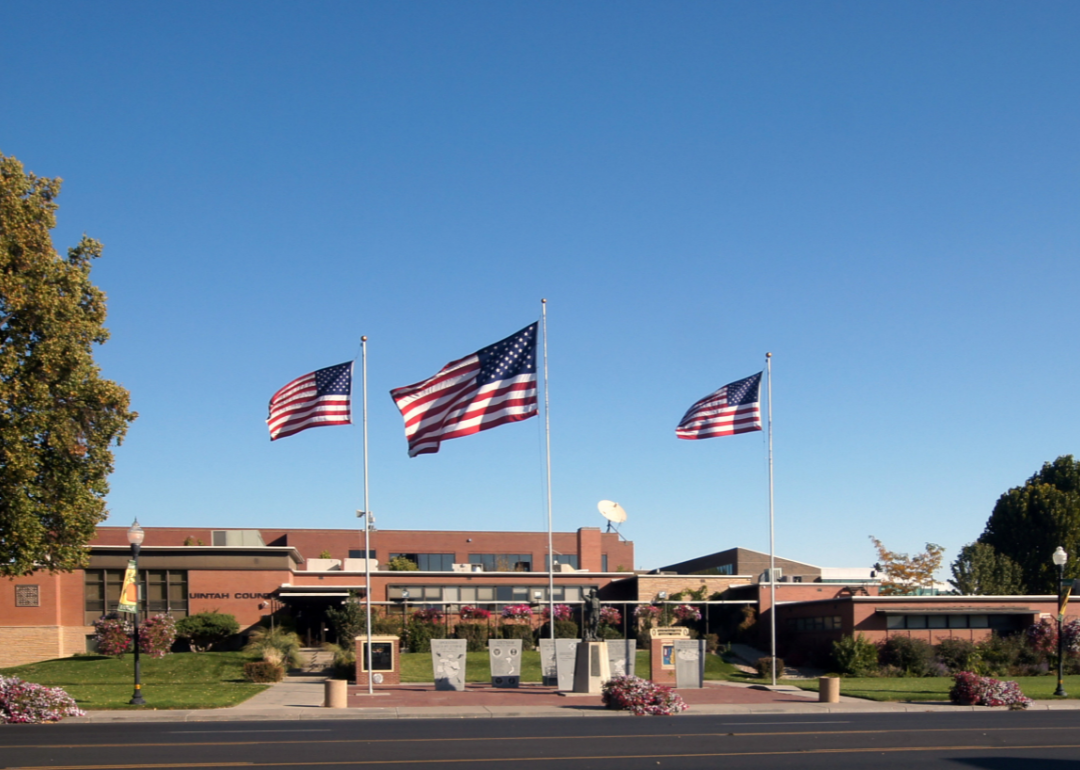
#9. Uintah
- Farmland: 267,310 acres (3.9% of state total)
- Farms: 382
- Most common crop: Native grass (239,173 acres, 89.5% of county farmland)
#8. Wayne
- Farmland: 269,195 acres (4.0% of state total)
- Farms: 221
- Most common crop: Native grass (253,505 acres, 94.2% of county farmland)
#7. Washington
- Farmland: 306,973 acres (4.5% of state total)
- Farms: 208
- Most common crop: Native grass (299,138 acres, 97.4% of county farmland)
#6. Summit
- Farmland: 353,301 acres (5.2% of state total)
- Farms: 160
- Most common crop: Native grass (346,799 acres, 98.2% of county farmland)
#5. San Juan
- Farmland: 358,244 acres (5.3% of state total)
- Farms: 541
- Most common crop: Native grass (210,810 acres, 58.8% of county farmland)
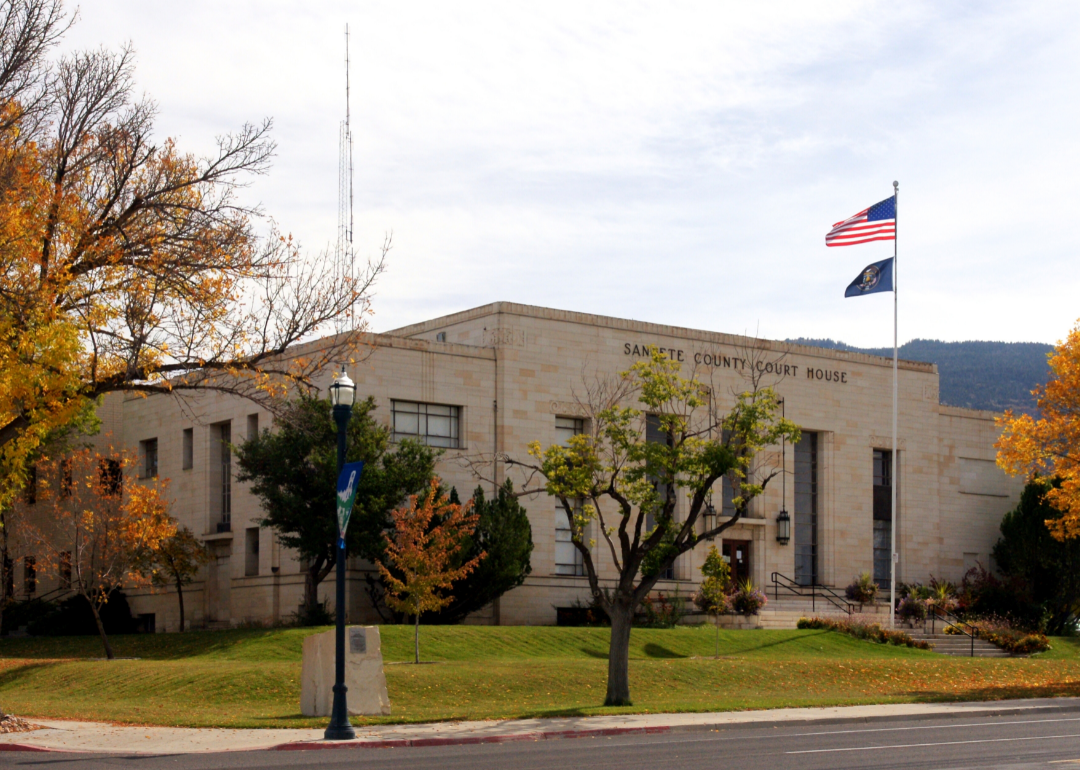
#4. Sanpete
- Farmland: 371,981 acres (5.5% of state total)
- Farms: 1,045
- Most common crop: Native grass (233,240 acres, 62.7% of county farmland)
#3. Iron
- Farmland: 412,006 acres (6.1% of state total)
- Farms: 379
- Most common crop: Native grass (366,774 acres, 89.0% of county farmland)
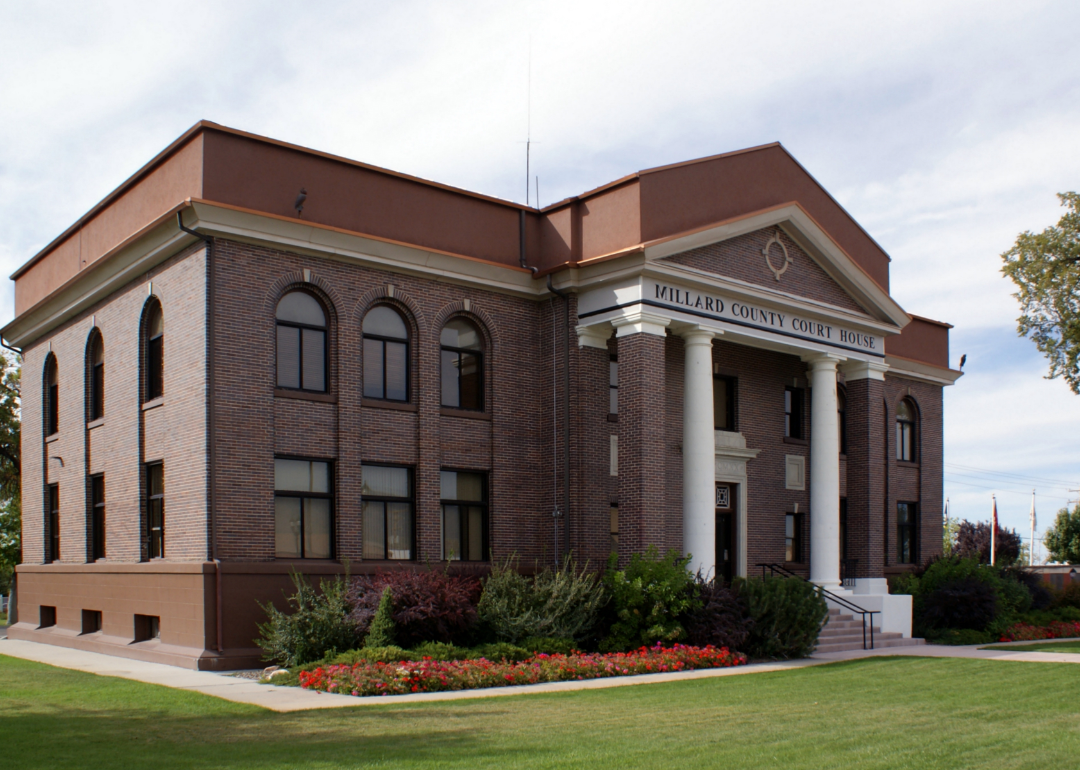
#2. Millard
- Farmland: 593,263 acres (8.8% of state total)
- Farms: 917
- Most common crop: Native grass (409,091 acres, 69.0% of county farmland)
#1. Box Elder
- Farmland: 1,214,459 acres (17.9% of state total)
- Farms: 1,418
- Most common crop: 2+ interseeded grass mix mixed forage (653,264 acres, 53.8% of county farmland)