Over 1 million Americans are seeking treatment for substance use disorder鈥攈ere's how it breaks down in Vermont
This story originally appeared on Zinnia Health and was produced and distributed in partnership with 麻豆原创 Studio.
Over 1 million Americans are seeking treatment for substance use disorder鈥攈ere's how it breaks down in Vermont
In 2020, were classified as needing treatment for substance use, including 28 million with alcohol use disorder, 18 million with an illicit drug use disorder, and 6.5 million with both, according to the Substance Abuse and Mental Health Services Administration.
Over 97% of those 41 million . Perhaps this is, in part, why on a given day in 2020, just 2.7% of people were receiving treatment, including hospital inpatients, non-hospital residential clients, and outpatient clients who were seen at a facility for a substance use treatment, detoxification, or methadone or buprenorphine maintenance, or naltrexone treatment.
Citing one-day census data from the and state population data from the, identified the total number who received treatment鈥�1,090,357 people (328.5 per 100,000) nationally, including 39,271 patients under 18鈥� in each state and Washington D.C. This survey was taken on March 31, 2020, amid the start of COVID-19-related shutdowns. This is likely a contributing factor for states that saw significant decreases in people seeking treatment.
Those suffering from substance use disorders (SUD) have been severely impacted by the pandemic. According to the National Council for Behavioral Health, that offered SUD services were shut down in September 2020, and 65% of those that remained open had to disrupt vital, often life-saving, services due to financial and operational hardships. From , substance use was both a way to cope with, and a behavior exacerbated by, the pandemic. In March 2020, opioid overdoses jumped 18% compared to the same period the previous year. Overdose in the first year of the pandemic.
Since the 1990s, opioids have been at the forefront of the substance use crisis in America鈥攁 deadly problem so pervasive that it is lowering the average life expectancy of Americans at a rate not previously seen since the country simultaneously faced World War I and the 1918 influenza pandemic. In the past 22 years, people have died of a drug overdose, according to the National Center for Health Statistics.
Opioids began as an imperfect solution to pain management, followed by a period of negligent, profit-driven practices of false marketing and over-prescribing by physicians and pharmaceutical companies like Purdue Pharma. When newly imposed regulations made prescription painkillers too expensive or too difficult to get, heroin use鈥攁nd related deaths鈥攊ncreased.
While statistics around SUDs are often grim, the most important statistic is a positive one. Recent studies have shown that . Read on to see how the rates of people seeking treatment and the number of facilities providing SUD services have changed over the decade in your state, or check out the national story .
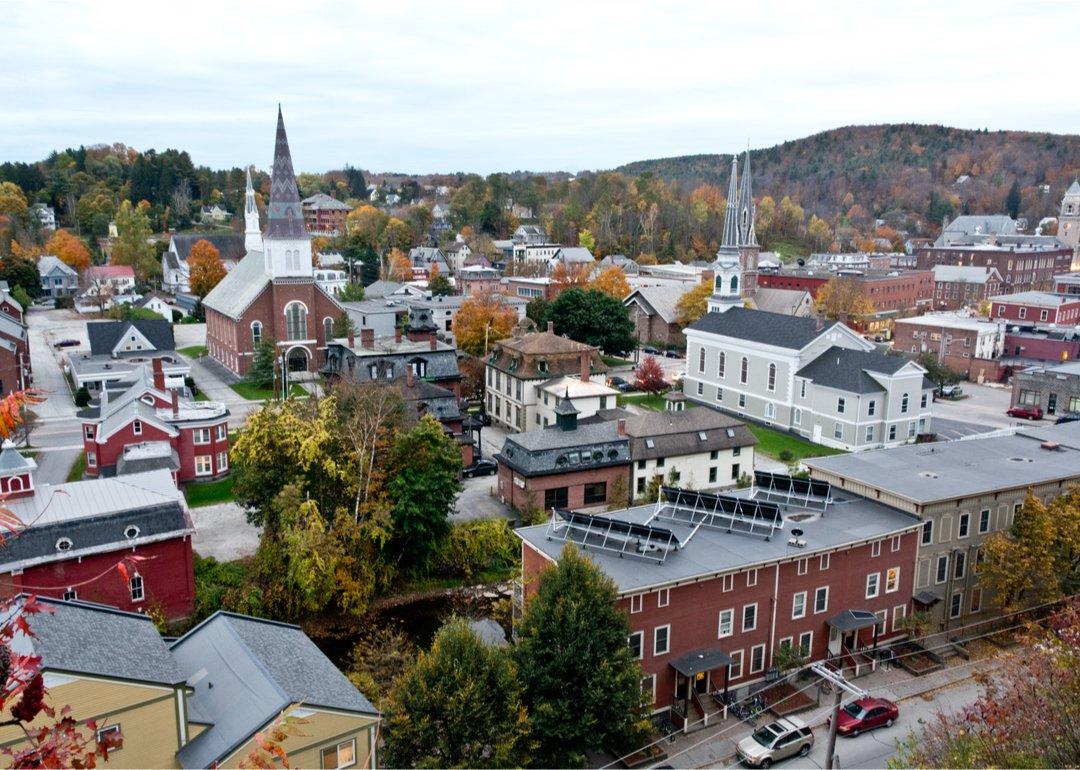
Vermont by the numbers
- Patients seeking treatment: 6,055 (+44.8% change since 2011)
--- Patients seeking treatment per 100k residents: 941.6 (186.6% greater than national average)
- Patients under 18 seeking treatment: 24 (-92.7% change since 2011)
- Total facilities: 52 (+23.8% change since 2011)
Today, America finds itself in a . This wave is characterized by a rise in usage and overdose deaths from deadlier synthetic opioids like fentanyl鈥攁 substance 50 times stronger than heroin. From 2013 to 2019, the synthetic opioid-involved death rate . That鈥檚 an increase from 3,105 to 36,359 lives lost. Since 1999, more than half a million people have died from overdoses involving opioids.
There is rising awareness of opioid use and in some states, dispense drugs to treat opioid overdose. The share of all facilities that offered medication-assisted treatment, such as drugs to curb withdrawal symptoms and drugs to block opioid-induced highs, 鈥攊ndicative of the severity and prevalence of the country鈥檚 drug epidemic. Private for-profit facilities increased from 30% to 41% in the same timeframe. It is estimated that treatment and rehabilitation centers were a in 2020 alone.
Keep reading to see how treatment rates for SUDs have changed in other states near you.
Massachusetts by the numbers
- Patients seeking treatment: 52,270 (+11.5% change since 2011)
--- Patients seeking treatment per 100k residents: 743.5 (126.3% greater than national average)
- Patients under 18 seeking treatment: 2,028 (+54.6% change since 2011)
- Total facilities: 440 (+36.6% change since 2011)
New Hampshire by the numbers
- Patients seeking treatment: 6,473 (+9.1% change since 2011)
--- Patients seeking treatment per 100k residents: 469.9 (43.0% greater than national average)
- Patients under 18 seeking treatment: 107 (-75.7% change since 2011)
- Total facilities: 109 (+101.9% change since 2011)